Key takeaways
- Muscle mass can become the overlooked loss in otherwise successful GLP-1 courses.
- Protein, strength training and daily movement are not extras; they are central safety and function controls.
- Weight alone is a poor measure of success if strength, energy and function decline at the same time.
- The best GLP-1 course is a metabolic and functional reset, not just a quick drop in weight.
Medical disclaimer: Content is for informational purposes and does not replace medical advice.
Why muscle mass becomes a core issue on GLP-1
GLP-1 often reduces appetite and overall energy intake. This is a large part of the explanation for the medicine's weight effect, but it also means that protein, strength training and general load tolerance are easily under-prioritised. PMID 38912632 PMID 28642676
If the user eats significantly less, exercises less and only focuses on weight, the course risks delivering less functional value than the numbers suggest. The longevity perspective is therefore simple: loss of fat mass may be good, but loss of active reserve is expensive. PMID 38912632 PMID 28642676
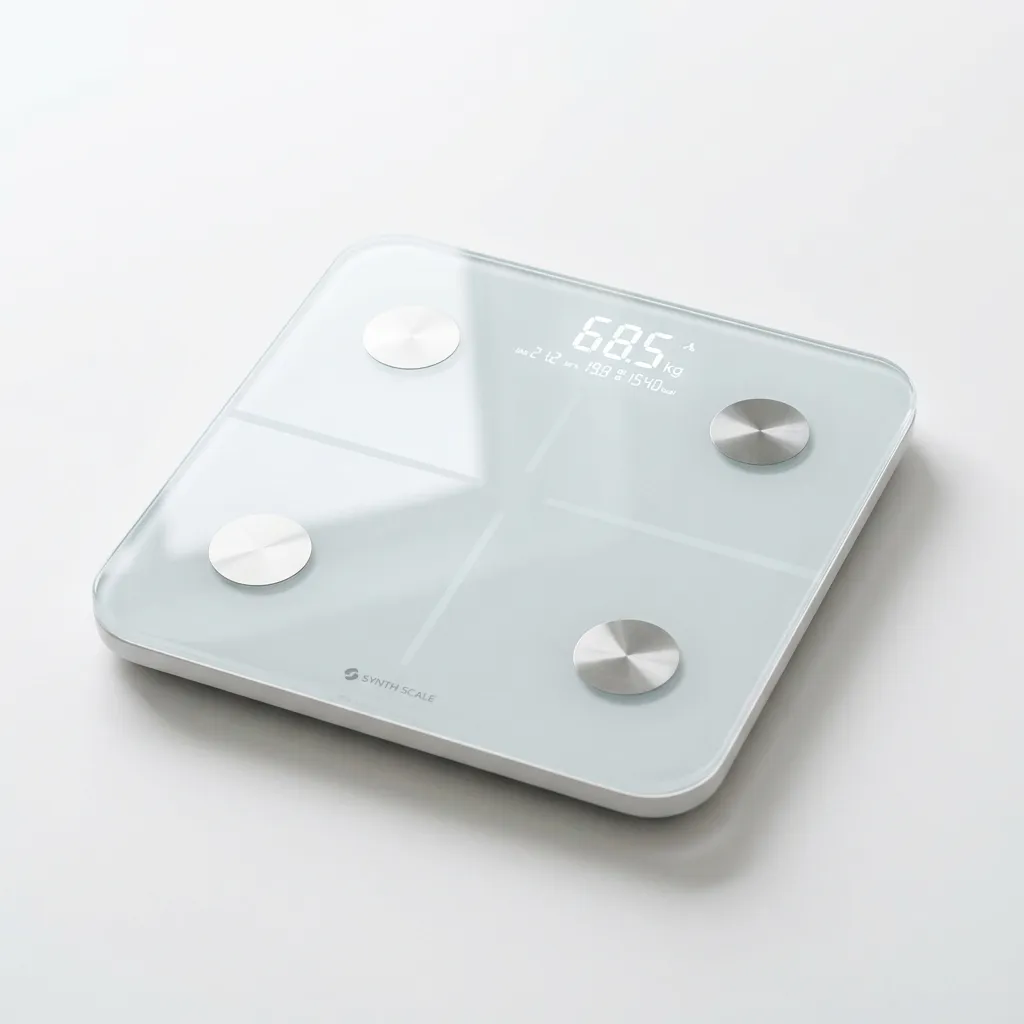
Smart Body Composition Scale
Advanced bioimpedance scale tracking muscle mass, body fat percentage, bone density and hydration.
- Tracks muscle mass & visceral fat
- Wireless sync with health apps
What typically drives loss of strength and muscle mass
The problem rarely occurs for a single reason. It is typically the combination of decreased appetite, lower protein intake, less resistance training and sometimes nausea or generally lower desire for activity that moves the body in the wrong direction. PMID 28642676 PMID 33139364
This is precisely why a good course must be designed as an integrated programme. The medicine creates a biological window, but it is the program around the medicine that determines whether the window is used well. PMID 28642676 PMID 33139364
| Risk Factor | Physiological Impact | Practical Countermeasure |
|---|---|---|
| Profound Appetite Suppression | Impairs ability to reach minimum daily protein targets (PROT-AGE) | Structured meal schedules and prioritizing high-density leucine-rich proteins |
| Reduction in Resistance Exercise | Diminishes anabolic mechanical stimulus for muscle preservation | 2 to 4 weekly structured resistance sessions with progressive overload |
| Exclusive Focus on Scale Weight | Masks functional neuromuscular deterioration and loss of functional strength | Track functional grip strength, daily step count, energy levels, and waist-to-hip ratio |
The simplest protection plan
For most people, the plan doesn't have to be complicated. It just has to be clear. A daily protein intake of 1.2–2.0 grams per kg of body weight spread over the day, fixed strength stimuli, enough daily exercise and a realistic expectation of how quickly the weight should fall are often more important than several apps and dashboards. PMID 33139364 PMID 37402681
The most important thing is to treat muscle mass as a priority, not as something that automatically takes care of itself because the weight comes off. PMID 33139364 PMID 37402681
What should be followed during a course
A good GLP-1 course is best followed with more signals than just body weight. A user can lose a good amount of weight and still come out with weaker legs, lower energy and less desire for activity. It is not an ideal result from a healthy aging perspective. PMID 37402681 PMID 31339906
Therefore, the follow-up should also be about strength, protein, physical function, girth, energy level and whether everyday life actually becomes easier to live in. PMID 37402681 PMID 31339906
When extra caution makes sense
Users with low baseline muscle mass, old age, low appetite, many side effects or previous problems with eating and recovery should often have more careful follow-up. The smaller the reserve from the start, the more expensive an additional loss will be. PMID 31339906
Therefore, it is a mistake to see GLP-1 as a pure appetite medicine. In the right context it can be very useful, but in the wrong context it can reinforce weaknesses that are already present. PMID 31339906
Sarcopenic obesity and the pathophysiology of lean mass loss on GLP-1
In pivotal Phase 3 clinical trials (such as the STEP and SURPASS cohorts evaluating semaglutide and tirzepatide), body composition analyses via dual-energy X-ray absorptiometry (DEXA) revealed a substantial clinical challenge: approximately 25% to 40% of total weight reduction consisted of lean body mass, comprising skeletal muscle, organs, and connective tissues. PMID 38912632 PMID 37402681
When appetite is pharmacologically suppressed, caloric and protein intake declines precipitously. Without adequate circulating essential amino acids and mechanical tension, the body mobilizes skeletal muscle to satisfy basal amino acid requirements. This exacerbates sarcopenic obesity, leaving individuals at a lower body mass but with compromised muscular density and reduced physical strength. PMID 38912632 PMID 37402681
Because skeletal muscle constitutes the primary driver of basal metabolic rate (BMR), accelerated lean tissue loss permanently depresses resting energy expenditure, creating a prime metabolic setup for rapid fat regain upon pharmacotherapy cessation. PMID 38912632 PMID 37402681
The anabolic leucine threshold and practical protein distribution
To mitigate muscle catabolism during sustained hypocaloric states, sports nutrition consensus statements recommend elevating daily protein targets to 1.6 to 2.2 grams per kilogram of lean body mass. PMID 28642676 PMID 31339906
Total daily intake alone is insufficient; meal-specific amino acid kinetics dictate muscle protein synthesis (MPS). Stimulating the mechanistic target of rapamycin complex 1 (mTORC1) requires surpassing the leucine trigger threshold, typically demanding 2.5 to 3.5 grams of free leucine per feeding (equivalent to 30–40 g of high-biological-value protein from whey, eggs, poultry, or fish). PMID 28642676 PMID 31339906
Given marked satiety and delayed gastric emptying on GLP-1 agonists, distributing solid meals can induce gastrointestinal fullness. Strategic inclusion of rapidly digestible whey protein isolate or essential amino acid (EAA) solutions between smaller feedings provides a clinically effective method to meet daily nitrogen demands. PMID 28642676 PMID 31339906
Progressive resistance overload as the mandatory clinical antidote
Nutritional amino acids cannot preserve muscle mass in isolation; the neuromuscular apparatus requires mechanical strain to signal tissue retention. Progressive resistance training represents the most potent anabolic stimulus during systemic caloric deficit. PMID 28642676 PMID 33139364
Clinical protocols advise 2 to 3 weekly full-body or upper/lower resistance sessions centered around compound movements: leg presses, squat variations, deadlifts, chest presses, and rows. Working sets should target 65% to 80% of 1-repetition maximum (1RM), executed with 1 to 2 repetitions in reserve (RIR 1-2). PMID 28642676 PMID 33139364
Intramuscular tension recruits satellite cells and suppresses local myostatin expression, signaling the body to spare myofibrillar contractile protein and direct energy deficits almost entirely toward visceral and subcutaneous adipose tissue. PMID 28642676 PMID 33139364
Internal Further Reading
Read also in the same cluster
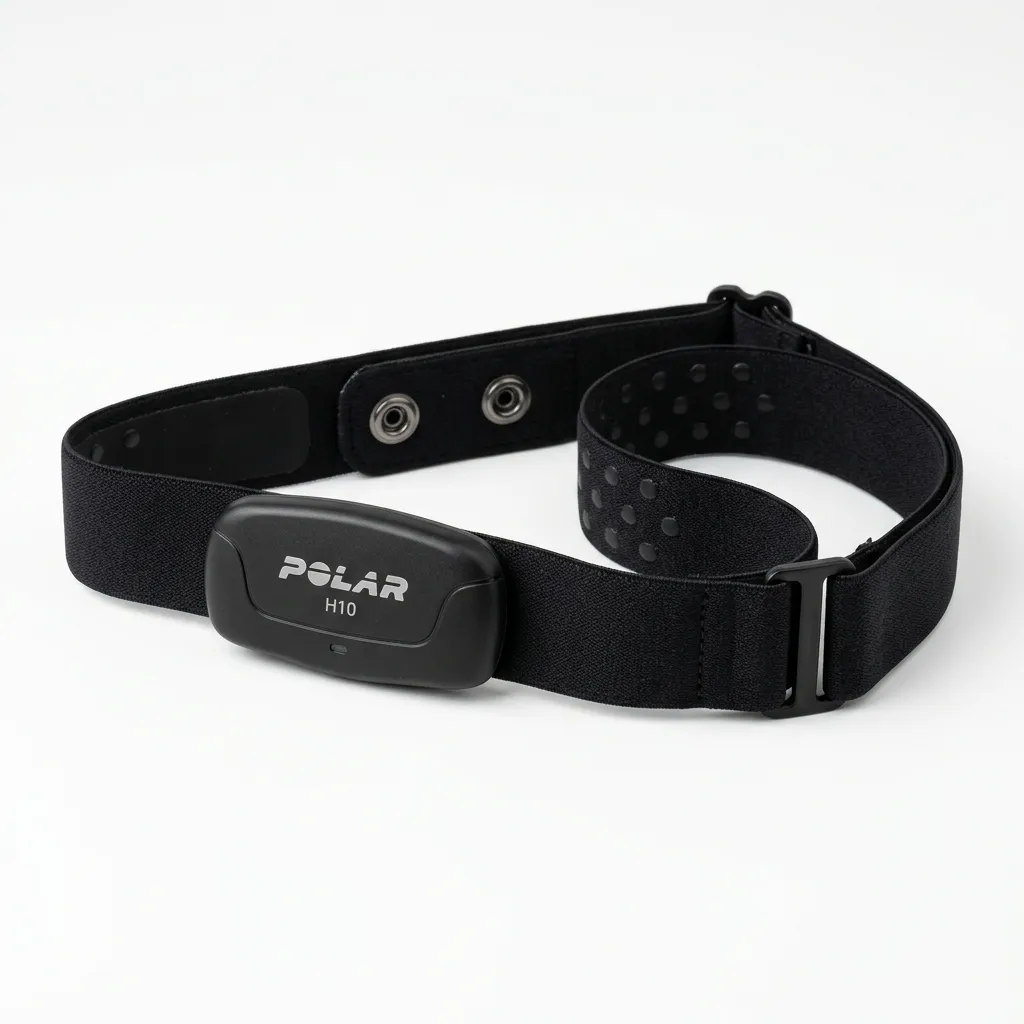
Polar H10 Heart Rate Monitor & HRV Sensor
The gold standard chest strap monitor for accurate Heart Rate Variability (HRV) and Zone 2 training.
- ECG-accurate HRV and heart rate zone tracking
- Dual Bluetooth & ANT+ connectivity
FAQ
Can you lose muscle mass on GLP-1?
Yes. The risk increases especially if the appetite drops a lot, protein becomes too low and strength training is not a priority.
Is protein more important than weight?
In any case, protein is central if the goal is weight loss without undue loss of function and muscle reserve.
Are walks and Zone 2 enough?
They are useful, but they should usually be supplemented with strength training to better protect muscle mass.
What is a bad success measure?
Looking only at weight and overlooking declines in strength, energy, appetite quality or ability to be physically active.
When should you be extra careful?
Ice ulcers with old age, low baseline muscle mass, many side effects or if the course already makes it difficult to eat and exercise adequately.
How much muscle mass is typically lost on GLP-1 without resistance training?
In clinical trials like STEP-1, lean tissue accounted for 25% to 40% of aggregate weight loss among participants who did not perform structured resistance training or optimize protein intake.
Are protein supplements such as whey isolate necessary?
While whole foods are primary, delayed gastric emptying from GLP-1 often makes consuming large solid meals difficult. Whey protein isolate or EAAs offer a dense, rapidly digestible way to hit the 1.6–2.2 g/kg target.
What type of exercise protects lean mass most effectively during weight loss?
Progressive compound resistance training (squats, leg presses, rows, and presses) provides the necessary mechanical tension to suppress myostatin and preserve myofibrillar protein far better than cardio alone.
Sources and References
- [1]
- [2]
- [3]
- [4]
Show all 5 sources (1 more)
- [5]
Editorial History
17. April 2026
First publication
Initial version was published as part of the metabolic health with introduction, takeaways, FAQ, and reference block.
17. April 2026
Medical review
Phrasing, caveats, and internal links were reviewed for clarity, consistency, and YMYL alignment.
5. July 2026
Latest update
GLP-1 and muscle mass received updated metadata, reference outputs, and improved decision-support structure.

Medical Review
Medical Review and Update Process
This article has been medically reviewed by Vadim Doroshenko with a focus on clinical accuracy, sources, disclaimers, and whether the conclusions still align with current scientific evidence.

Editorial Profile
Borys Viktorovytj Riabtsev
Borys Viktorovytj Riabtsev publishes Longevity Lab as a research-backed information project on precision medicine, metabolic health, and healthy aging, utilizing rigorous sources, independent medical review, and objective YMYL communication.