Key takeaways
- Zonulin is a human protein that modulates tight junction disassembly, increasing intestinal permeability.
- Discovered by Dr. Alessio Fasano, zonulin provides the mechanistic explanation for leaky gut syndrome.
- Gliadin from gluten and bacterial dysbiosis are the most documented triggers of zonulin release.
- Zonulin can be measured in stool and serum samples as a biomarker for intestinal barrier integrity.
- Targeting elevated zonulin involves removing triggers (e.g., gluten), restoring the mucosal lining with L-glutamine, and supporting the gut microbiome.
Medical disclaimer: Content is for informational purposes and does not replace medical advice.
What is Zonulin and How Did Leaky Gut Become an Accepted Scientific Field?
The concept of 'Leaky Gut Syndrome' (intestinal epithelial hyperpermeability) was long met with skepticism in conventional medicine. The turning point occurred in 2000 when Dr. Alessio Fasano and his research team at Harvard Medical School discovered a human protein named **Zonulin** (pre-haptoglobin 2). PMID 21248165
Zonulin was identified as the only known physiological modulator that regulates the permeability of intestinal tight junctions. Tight junctions are complex multiprotein structures composed of transmembrane claudins, occludins, and junctional adhesion molecules (JAMs), anchored to the cellular actin cytoskeleton via cytosolic scaffolding proteins (ZO-1, ZO-2, and ZO-3). PMID 21248165
Under healthy physiological conditions, tight junctions maintain a strictly selective paracellular barrier, permitting only water, electrolytes, and fully digested nutrients with a molecular weight under approximately 600 Daltons to pass passively. PMID 21248165
When zonulin secretion is chronically upregulated, this selective barrier disassembles. The widening of intercellular spaces between enterocytes permits the translocation of intact dietary peptides, microbial toxins, and antigens directly into systemic circulation. PMID 21248165
This pivotal discovery shifted the scientific paradigm, establishing that the intestinal epithelial barrier is not an inert wall, but rather a dynamic, tightly regulated gateway with profound implications for systemic inflammation, autoimmunity, and healthy longevity. PMID 21248165
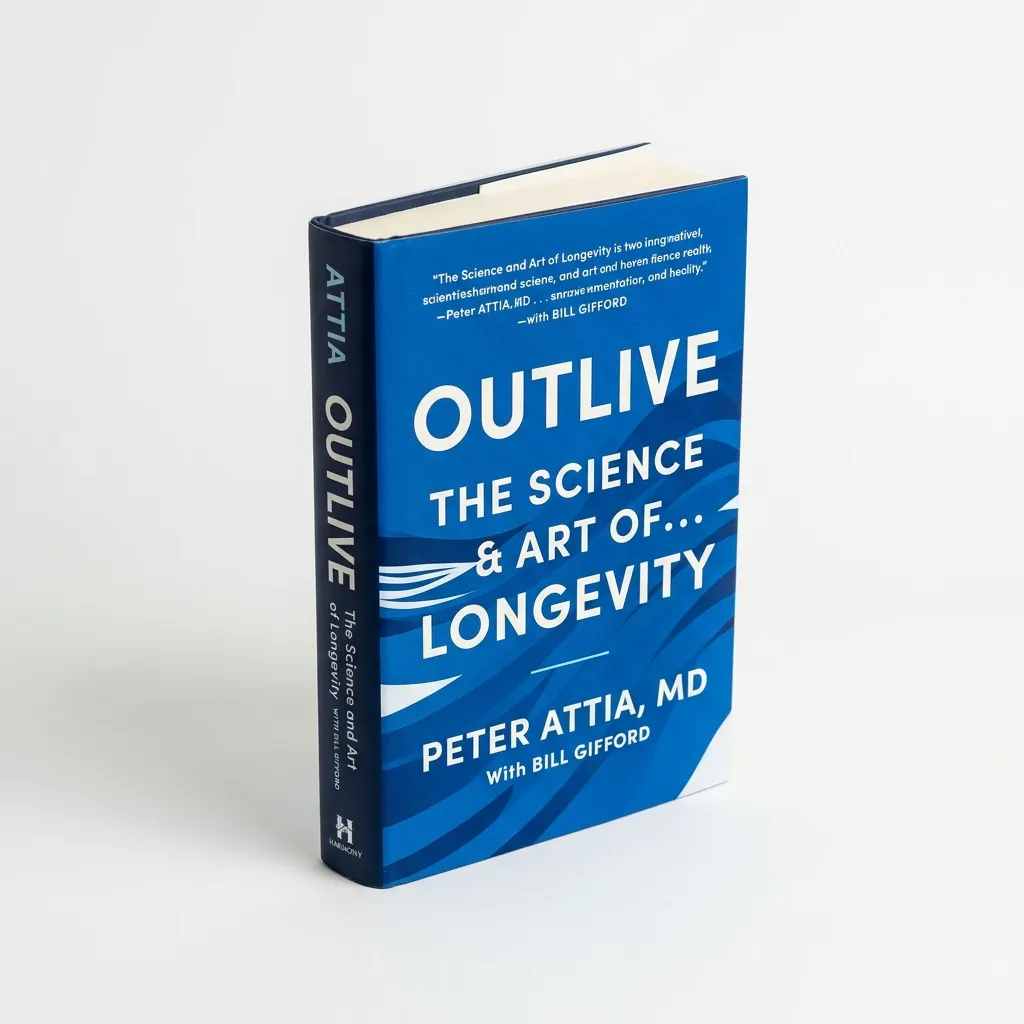
Outlive: The Science & Art of Longevity
Dr. Peter Attia's groundbreaking guide to preventive medicine, exercise for longevity, and healthy aging.
- Scientific framework for Medicine 3.0
- Actionable guide on sleep, exercise & nutrition
Mechanism of Zonulin Action
When zonulin is secreted into the intestinal lumen, it binds specifically to two target surface receptors: **EGFR** (Epidermal Growth Factor Receptor) and **PAR2** (Proteinase-Activated Receptor 2) on luminal enterocytes. PMID 16635908 PMID 22902264
This dual receptor binding triggers a downstream phospholipase C and inositol triphosphate (IP3) cascade, driving a rapid surge in intracellular calcium and activating protein kinase C alpha (PKC-alpha). PMID 16635908 PMID 22902264
PKC-alpha phosphorylates the perijunctional actin microfilaments, producing a mechanical contraction of the actomyosin ring. This contraction physically pulls ZO-1 and occludin away from the junctional complex, expanding paracellular pore diameter from a normal <15 Angstroms to over 100 Angstroms. PMID 16635908 PMID 22902264
Through these markedly dilated paracellular apertures, intact macromolecular antigens—most notably gram-negative lipopolysaccharides (LPS endotoxins)—flood into the intestinal lamina propria. PMID 16635908 PMID 22902264
In the lamina propria, these antigens encounter the Gut-Associated Lymphoid Tissue (GALT), home to over 70% of the body's immune system. This interaction triggers dendritic cells and macrophages to release a surge of pro-inflammatory cytokines (TNF-alpha, IL-1beta, IL-6), distributing systemic low-grade inflammation throughout the portal circulation and peripheral tissues. PMID 16635908 PMID 22902264
The Two Primary Triggers: Gliadin and Bacterial Dysbiosis
Extensive clinical and laboratory investigations have identified two primary environmental triggers driving excessive zonulin release in the human gut: PMID 28388917 PMID 23018809
1. **Gliadin (Gluten Peptides)**: Specific amino acid motifs within wheat gliadin (particularly fragments p31-43 and p111-130) bind directly to CXCR3 chemokine receptors on the enterocyte membrane. Seminal studies by Drago et al. demonstrated that gliadin provokes zonulin secretion and increased permeability in all human intestinal tissue—however, in genetically susceptible individuals (HLA-DQ2/DQ8 positive or non-celiac gluten sensitivity), zonulin release remains markedly elevated for hours to days, rather than rapidly normalizing. PMID 28388917 PMID 23018809
2. **Bacterial Dysbiosis and Gram-Negative Overgrowth**: When pathogenic gram-negative bacteria overpopulate the small bowel (as observed in SIBO), elevated luminal LPS engages Toll-Like Receptor 4 (TLR4). This stimulates mucosal mast cells and enterocytes to release zonulin as a flushing mechanism, inadvertently precipitating chronic barrier breakdown. PMID 28388917 PMID 23018809
3. **Secondary Exacerbating Factors**: In addition to gliadin and dysbiosis, tight junction integrity is compromised by frequent alcohol consumption (where acetaldehyde degrades ZO-1 proteins), non-steroidal anti-inflammatory drugs (NSAIDs like ibuprofen, which deplete mucosal protective prostaglandins), and synthetic food emulsifiers (such as polysorbate-80 and carboxymethylcellulose). PMID 28388917 PMID 23018809
Zonulin as a Clinical Biomarker for Autoimmunity and Inflammation
Measuring zonulin in serum or stool has become an established objective biomarker in functional gastroenterology and precision medicine for quantifying intestinal permeability. PMID 28388917 PMID 23018809
Clinical reference ranges for serum zonulin (measured via ELISA) typically designate values under 30 ng/mL as normal with intact barrier integrity; 30 to 45 ng/mL as mild to moderate hyperpermeability; and levels exceeding 45 ng/mL as indicative of significant epithelial barrier breakdown and systemic immune activation. PMID 28388917 PMID 23018809
Fecal zonulin reflects local mucosal shedding within the gastrointestinal tract, whereas serum zonulin indicates systemic vascular spillover and is strongly correlated with increased permeability of the blood-brain barrier. PMID 28388917 PMID 23018809
Dr. Fasano's three-factor paradigm of autoimmunity posits that disease manifestation requires: (1) a genetic predisposition (e.g., specific HLA alleles), (2) environmental trigger exposure, and (3) a loss of intestinal barrier integrity driven by elevated zonulin. This sequence has been documented in celiac disease, type 1 diabetes, Hashimoto's thyroiditis, rheumatoid arthritis, and multiple sclerosis. PMID 28388917 PMID 23018809
Furthermore, chronic systemic influx of LPS through zonulin-opened pores fuels metabolic endotoxemia, directly provoking hepatic and adipose tissue inflammation, insulin resistance, non-alcoholic fatty liver disease (NAFLD), and accelerated cardiovascular aging. PMID 28388917 PMID 23018809
Therapeutic Protocols for Rebuilding the Intestinal Barrier
When clinical diagnostics reveal elevated zonulin and hyperpermeability, restoring tight junction integrity requires a structured, evidence-based protocol: PMID 23018809
1. **Trigger Elimination**: Strict elimination of gluten-containing grains (wheat, rye, barley) for a minimum of 8–12 weeks to downregulate CXCR3 receptor activation, accompanied by cessation of elective NSAIDs, alcohol, and emulsifier-dense processed foods. PMID 23018809
2. **Therapeutic L-Glutamine**: As the primary fuel substrate for small intestinal enterocytes, L-glutamine supplementation at 5 to 10 grams daily (taken in divided doses on an empty stomach) directly stimulates the upregulation of claudin-1 and ZO-1 proteins and accelerates mucosal repair. PMID 23018809
3. **Zinc Carnosine (PepZin GI)**: Chelated zinc carnosine (75 mg twice daily with meals) has been clinically proven to stabilize enterocyte membranes and enhance mucosal restitution against chemical and mechanical micro-damage. PMID 23018809
4. **Postbiotics and Short-Chain Fatty Acids**: Supplementing sodium butyrate (600–1200 mg daily) alongside prebiotic resistant starches nourishes colonocytes, expands regulatory T cells (Tregs), and reinforces the protective mucin-2 glycocalyx layer. PMID 23018809
5. **Emerging Pharmaceuticals**: Pharmacological pipelines are evaluating selective zonulin antagonists, such as Larazotide acetate (AT-1001), an octapeptide designed to block zonulin receptor binding and prevent junctional disassembly in autoimmune conditions. PMID 23018809
Internal Further Reading
Read also in the same cluster
Smart Body Composition Scale
Advanced bioimpedance scale tracking muscle mass, body fat percentage, bone density and hydration.
- Tracks muscle mass & visceral fat
- Wireless sync with health apps
FAQ
Is zonulin testing reliable?
Serum and stool ELISA measurements for zonulin are widely used in functional diagnostics. They should be evaluated alongside clinical symptoms and calprotectin levels.
Can gluten increase zonulin in people without celiac disease?
Research led by Dr. Alessio Fasano indicates that gliadin triggers transient zonulin release in all individuals, though to a significantly higher degree in celiac and sensitive patients.
Which supplements help reduce high zonulin levels?
L-glutamine, zinc carnosine, colostrum, and butyrate have demonstrated clinical efficacy in supporting tight junction integrity and reducing intestinal permeability.
Sources and References
- [1]
- [2]
- [3]
- [4]
Show all 5 sources (1 more)
- [5]
Editorial History
21. juli 2026
Første publicering
Første version blev publiceret som del af precision medicine med intro, takeaways, FAQ og referenceblok.
21. juli 2026
Faglig gennemgang
Formuleringer, forbehold og interne links blev gennemgået for klarhed, konsistens og YMYL-tydelighed.
21. juli 2026
Seneste opdatering
Zonulin and Leaky Gut Syndrome fik opdaterede metadata, referenceoutput og forbedret beslutningsnær struktur.

Medical Review
Medical Review and Update Process
This article has been medically reviewed by Vadim Doroshenko with a focus on clinical accuracy, sources, disclaimers, and whether the conclusions still align with current scientific evidence.

Editorial Profile
Borys Viktorovytj Riabtsev
Borys Viktorovytj Riabtsev publishes Longevity Lab as a research-backed information project on precision medicine, metabolic health, and healthy aging, utilizing rigorous sources, independent medical review, and objective YMYL communication.