Key takeaways
- The gut-brain axis is a two-way communication pathway where gut bacteria, the nervous system and the immune system cooperate.
- Gut bacteria produce and regulate neurotransmitters such as serotonin, GABA and dopamine that affect mood and cognition.
- Short-chain fatty acids from dietary fibre protect the blood-brain barrier and reduce neuroinflammation.
- Practical dietary strategies have shown measurable effects on depressive symptoms and cognitive function within weeks in several studies.
Medical disclaimer: Content is for informational purposes and does not replace medical advice.
What exactly is the gut-brain axis?
The gut-brain axis is the collective term for the communication pathways connecting your gastrointestinal tract to your central nervous system. The three primary routes are the vagus nerve, the enteric nervous system and microbial signalling molecules. The vagus nerve is the fastest route — a direct neural connection that transmits information between the gut's nerve cells and the brainstem in under 100 milliseconds. This means that changes in the gut environment can affect brain activity almost instantaneously. PMID 31460832 PMID 25830558
The enteric nervous system is often called 'the second brain' and consists of a network of over 100 million nerve cells lining the entire intestinal wall. This system functions partially independently of the brain, but communicates with it constantly. The third layer is microbial signalling molecules — metabolites, neurotransmitters and immunomodulatory substances produced by gut bacteria that reach the brain via the bloodstream or by influencing vagus nerve signalling. PMID 31460832 PMID 25830558
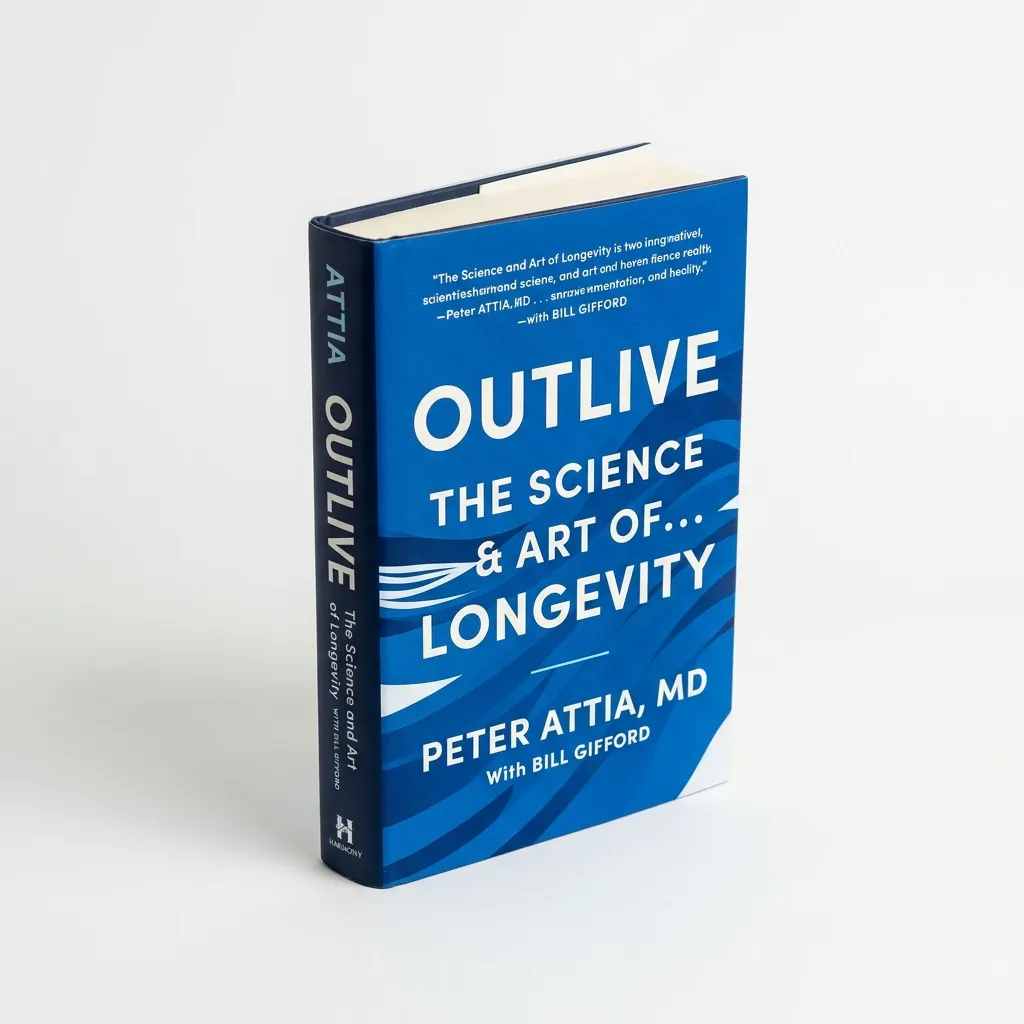
Outlive: The Science & Art of Longevity
Dr. Peter Attia's groundbreaking guide to preventive medicine, exercise for longevity, and healthy aging.
- Scientific framework for Medicine 3.0
- Actionable guide on sleep, exercise & nutrition
How do gut bacteria produce neurotransmitters?
One of the most surprising findings in modern neurobiology is that gut bacteria can produce and modulate almost all the same neurotransmitters that our own brain uses. Serotonin is the most striking example — around 90% of the body's total serotonin is produced in the gut's enterochromaffin cells under direct influence from the gut microbiota. This serotonin functions as a signalling molecule that partly regulates bowel movements locally and partly, via the bloodstream, can affect the central nervous system's serotonergic signalling. PMID 31460832 PMID 25830558 PMID 33617716
Gamma-aminobutyric acid, or GABA, is the brain's primary inhibitory neurotransmitter and is central to anxiety reduction and sleep. Several gut bacteria, especially Bifidobacterium and Lactobacillus strains, have been shown to produce GABA directly. Similarly, certain gut bacteria can modulate dopamine production through the metabolism of the amino acid tyrosine. These findings are central because they demonstrate a causal biological mechanism, not merely correlation, between the gut environment and brain function. PMID 31460832 PMID 25830558 PMID 33617716
| Neurotransmitter | Primary Central Function in Brain | Physiological Role in Gut | Key Bacterial Producers |
|---|---|---|---|
| Serotonin (5-HT) | Mood regulation, affective stability, sleep latency | Stimulates gut motility, fluid secretion, and enteric peristalsis | Lactobacillus, Bifidobacterium, Enterococcus, Streptococcus |
| GABA (Gamma-Aminobutyric Acid) | Primary inhibitory neurotransmitter; quells neural anxiety and excitotoxicity | Modulates enteric nervous system tone and mucosal barrier permeability | Bifidobacterium infantis, Lactobacillus brevis, Lactobacillus plantarum |
| Dopamine | Motivation, executive drive, motor coordination, reward | Regulates mucosal microvascular blood flow and gastrointestinal motility | Bacillus species, Escherichia coli, Enterococcus |
| Acetylcholine | Attention, working memory, neuroplasticity, REM sleep | Primary excitatory neurotransmitter of enteric migrating motor complex (MMC) | Lactobacillus plantarum, Bacillus subtilis |
SCFAs — the role of short-chain fatty acids in brain protection
Short-chain fatty acids — acetate, propionate and butyrate — are produced when gut bacteria ferment dietary fibre, and they are among the most potent metabolites in the gut-brain axis. Butyrate is particularly interesting because it serves as the primary energy source for colonocytes and also has direct epigenetic effects in the brain. Butyrate inhibits histone deacetylase in microglia and neurons, thereby dampening neuroinflammation and protecting against neurodegeneration. PMID 25830558 PMID 30120222 PMID 31043287
SCFAs also play a crucial role in maintaining the integrity of the blood-brain barrier. In animal models, butyrate has been shown to reinforce tight-junction proteins between endothelial cells in the brain's capillaries, which reduces the passage of pro-inflammatory cytokines and lipopolysaccharides from the bloodstream to brain tissue. This is central because a disrupted blood-brain barrier is a common feature of depression, anxiety, Alzheimer's and Parkinson's disease. People with low fibre intake and reduced SCFA production have shown a higher incidence of depressive symptoms in several cohort studies. PMID 25830558 PMID 30120222 PMID 31043287
Intestinal permeability, inflammation and mental health
Leaky gut, or increased intestinal permeability, is a condition where the tight junctions of the intestinal epithelium become more permeable, allowing bacterial components such as lipopolysaccharides (LPS) to pass from the intestinal lumen into the bloodstream. When LPS reaches the blood, it triggers a systemic immune response with the release of pro-inflammatory cytokines such as IL-6, TNF-alpha and IL-1beta. These cytokines can cross the blood-brain barrier or affect the brain through circumventricular organs that lack the normal barrier. PMID 33617716 PMID 31043287
The resulting neuroinflammation is increasingly linked to the development of depression and anxiety. The meta-inflammatory hypothesis of depression proposes precisely that an underlying, chronic low-grade systemic inflammation drives the neurobiological changes that lead to depressive symptoms. Microglia — the brain's immune cells — are activated by the circulating inflammatory signals and begin to produce local inflammatory mediators that disrupt neurotransmitter balance, reduce neuroplasticity and inhibit neurogenesis in the hippocampus. The health of the intestinal barrier is therefore not just a digestive issue, but a fundamental mental health issue. PMID 33617716 PMID 31043287
Psychobiotics — the evidence for targeted probiotics
The term psychobiotics was introduced in 2013 by Dinan et al. and covers probiotic bacterial strains that, when ingested in sufficient quantities, have a documented effect on mental health. It is important to distinguish between generic probiotics that primarily affect digestion and actual psychobiotics that have specific mechanisms directed at the gut-brain axis. The best-documented psychobiotic strains include Lactobacillus rhamnosus JB-1, which has shown GABA-modulating effects, and Bifidobacterium longum 1714, which has reduced stress response and improved cognition in human clinical trials. PMID 31460832 PMID 33617716 PMID 34239568
A 2023 meta-analysis involving 34 randomized controlled trials found a significant, albeit moderate, effect of probiotics on depressive symptoms compared to placebo. The effect was most pronounced in people with mild to moderate depression, while the effect in severe depression was less convincing. The key is strain specificity — the effect depends entirely on which bacterial strain is used, and generic multi-strain products often show inconsistent results. In addition, dosage, duration and concurrent diet are crucial for whether probiotics can establish themselves in the gut and exert their effect. PMID 31460832 PMID 33617716 PMID 34239568
Practical dietary strategies for gut-brain health
The most effective intervention for the gut-brain axis is not a single supplement, but a systematic dietary overhaul that supports microbial diversity and SCFA production. The three core principles are: eat more different fibres, include fermented foods daily, and reduce ultra-processed foods that disrupt the intestinal barrier. Fibre-rich foods — vegetables, legumes, berries, nuts and whole grains — provide gut bacteria with the substrate they need to produce the protective SCFAs. A rule of thumb is 30 different plant-based foods per week to maximise microbial diversity. PMID 25830558 PMID 30120222 PMID 31043287 PMID 34239568
Fermented foods such as yogurt, kefir, sauerkraut, kimchi and kombucha provide both live bacteria and the metabolites they have already produced during fermentation. A groundbreaking study from Stanford in 2021 showed that a diet rich in fermented foods over 10 weeks reduced 19 inflammatory markers and increased microbial diversity significantly more than a high-fibre diet alone. The combination of fibre and fermented foods is likely optimal. At the same time, ultra-processed foods should be limited, as emulsifiers, artificial sweeteners and preservatives have been shown in several studies to increase intestinal permeability and disrupt the composition of the microbiota. PMID 25830558 PMID 30120222 PMID 31043287 PMID 34239568
Conclusion
The gut-brain axis is no longer a marginal research field. It is a well-established biological communication pathway that connects diet, gut microbiota, inflammation and brain function through measurable mechanisms. The practical consequence is that dietary interventions targeting the gut can have a real, albeit gradual, effect on mental health. PMID 31460832 PMID 25830558 PMID 31043287
The best strategy for most people is simple to understand but requires consistency to implement: prioritise fibre, fermented foods, physical activity and sleep, while limiting ultra-processed foods. Psychobiotics can be a useful supplement for specific issues, but do not replace a healthy gut environment built through diet. For people with moderate to severe psychiatric symptoms, professional assessment and treatment remain the first priority. PMID 31460832 PMID 25830558 PMID 31043287
Internal Further Reading
Read also in the same cluster
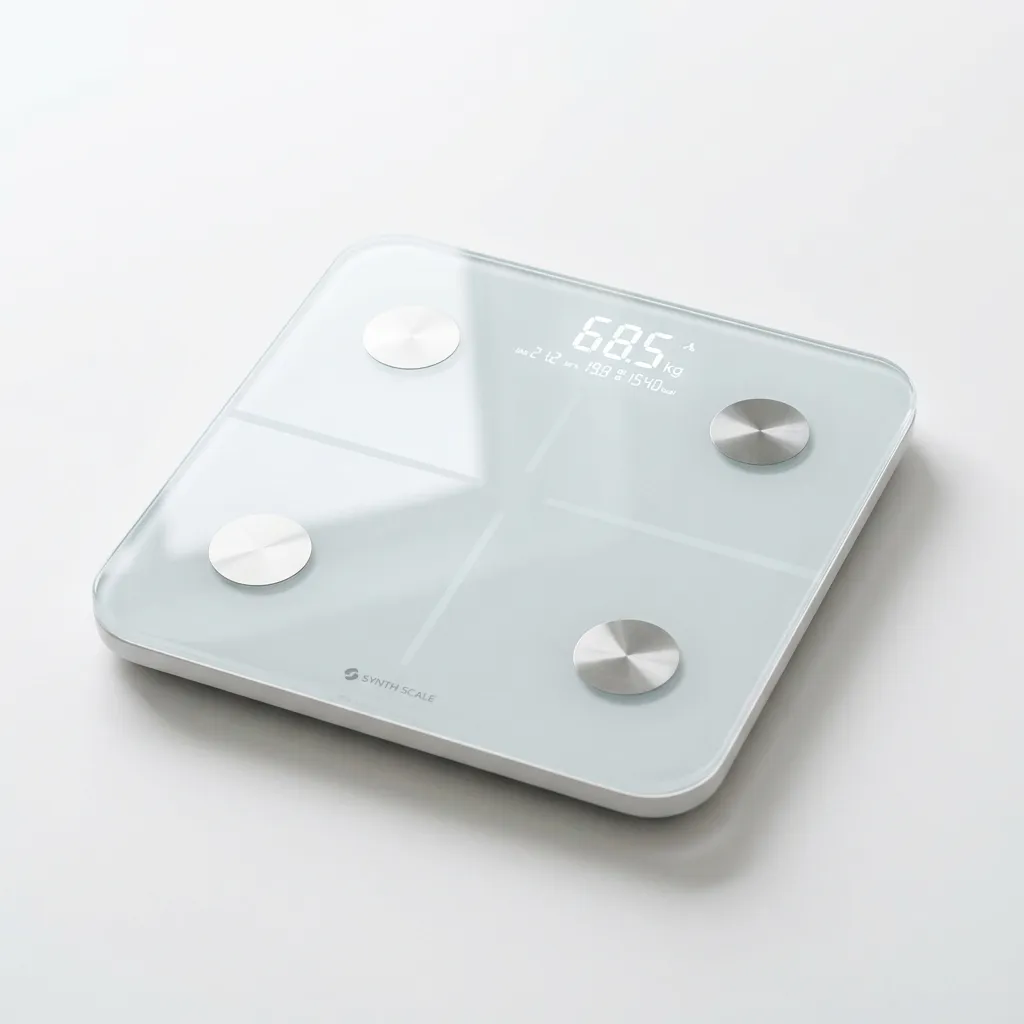
Smart Body Composition Scale
Advanced bioimpedance scale tracking muscle mass, body fat percentage, bone density and hydration.
- Tracks muscle mass & visceral fat
- Wireless sync with health apps
FAQ
Can probiotics alone improve my mood?
The effect depends entirely on the specific bacterial strain, dosage and duration. Certain psychobiotic strains have shown an effect on depressive symptoms in clinical studies, but the results are moderate. Probiotics are most effective as part of a holistic approach with diet, exercise and sleep — not as the sole intervention.
How quickly can dietary changes affect my mental health through the gut?
The gut microbiota can begin to change composition within 24-48 hours after a dietary change. Measurable changes in inflammatory markers are documented after 2-4 weeks, while effects on mood and cognition often take 8-12 weeks to become clinically relevant.
Is there a difference in how men and women respond to gut-brain interventions?
Yes, there are documented sex differences in gut microbiota composition and in the response to probiotics. Hormonal factors such as oestrogen affect both intestinal barrier permeability and microbiota composition, which can lead to different responses to the same intervention.
Can the gut-brain axis explain why stress causes stomach problems?
Yes, and this is a classic example of the axis's two-way function. Stress activates the hypothalamic-pituitary-adrenal axis, which via cortisol changes gut motility, increases intestinal permeability and alters the composition of the microbiota. Conversely, these gut changes can send signals back to the brain that reinforce the stress response in a self-reinforcing loop.
Sources and References
- [1]
- [2]
- [3]
- [4]
Editorial History
19. July 2026
First publication
Initial version was published as part of the metabolic health with introduction, takeaways, FAQ, and reference block.
19. July 2026
Medical review
Phrasing, caveats, and internal links were reviewed for clarity, consistency, and YMYL alignment.
19. July 2026
Latest update
The gut-brain axis — how does your gut flora affect your mental health and cognition received updated metadata, reference outputs, and improved decision-support structure.

Medical Review
Medical Review and Update Process
This article has been medically reviewed by Vadim Doroshenko with a focus on clinical accuracy, sources, disclaimers, and whether the conclusions still align with current scientific evidence.

Editorial Profile
Borys Viktorovytj Riabtsev
Borys Viktorovytj Riabtsev publishes Longevity Lab as a research-backed information project on precision medicine, metabolic health, and healthy aging, utilizing rigorous sources, independent medical review, and objective YMYL communication.