Key takeaways
- Histamine intolerance stems from impaired DAO enzyme degradation in the intestinal lining.
- Fermented and aged foods contain high concentrations of dietary histamine.
- Certain probiotic strains produce histamine while others help degrade it.
Medical disclaimer: Content is for informational purposes and does not replace medical advice.
What is Histamine and What Happens in Histamine Intolerance?
Histamine is a vital biogenic amine involved in immune response signaling, gastric acid secretion, and central nervous system neurotransmission. In a healthy physiological state, histamine is stored within mast cells and basophils, released during allergic cascades to combat pathogens and environmental threats. PMID 33808888
Histamine intolerance (HIT) arises not from a classical IgE-mediated food allergy, but from an enzymatic clearance deficit. When we consume dietary histamine or when luminal bacteria generate histamine from histidine, the intestinal enzyme Diamine Oxidase (DAO) must break down the compound in the gut lumen. If DAO activity is impaired by mucosal inflammation, intestinal hyperpermeability, or micronutrient deficiencies, unmetabolized histamine enters systemic circulation, triggering multisystemic symptoms. PMID 33808888
It is critical to recognize that restoring endogenous DAO activity is a gradual physiological process. As mucosal integrity recovers and low-grade inflammatory signaling subsides, mature enterocytes naturally upregulate DAO protein synthesis. PMID 33808888
Unlike true immediate-type hypersensitivity allergies, symptoms of histamine intolerance depend on cumulative biochemical load over time. Small amounts of histamine may be tolerated in the morning, while identical foods consumed in the evening provoke severe distress once the enzymatic clearance threshold is breached. PMID 33808888
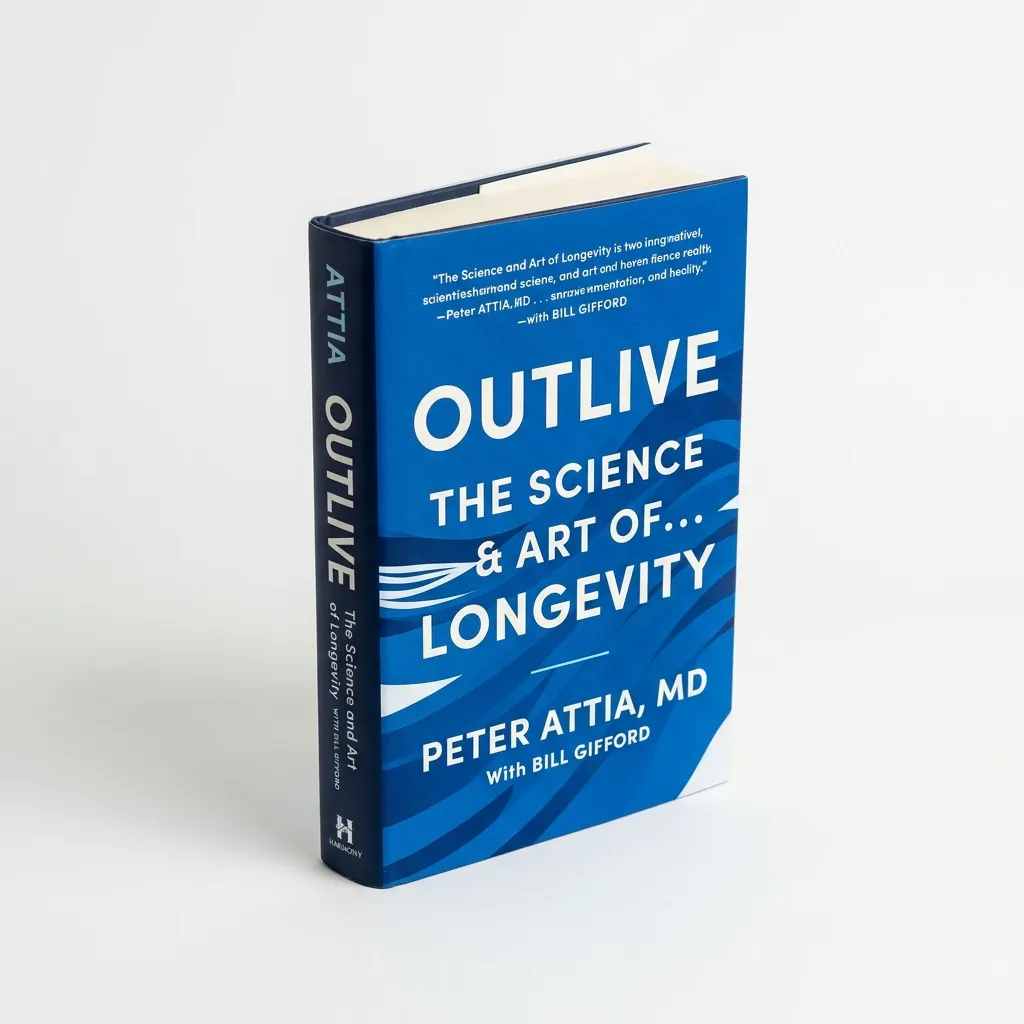
Outlive: The Science & Art of Longevity
Dr. Peter Attia's groundbreaking guide to preventive medicine, exercise for longevity, and healthy aging.
- Scientific framework for Medicine 3.0
- Actionable guide on sleep, exercise & nutrition
Symptom Spectrum of Histamine Intolerance and Gut Issues
Because histamine receptors (H1, H2, H3, and H4) are widely distributed throughout human tissues, histamine intolerance manifests through a complex, fluctuating symptom presentation: PMID 17490952 PMID 34209583
• **Gastrointestinal**: Postprandial bloating, abdominal cramping, diarrhea, nausea, and acid reflux immediately following biogenic amine ingestion. PMID 17490952 PMID 34209583
• **Dermatological**: Facial flushing, pruritus, urticaria (hives), and localized tissue edema. PMID 17490952 PMID 34209583
• **Neurological and Respiratory**: Migraine-like headaches, sinus congestion, rhinorrhea, brain fog, and unexplained palpitations (tachycardia). PMID 17490952 PMID 34209583
Symptoms typically peak when the collective 'histamine bucket' overflows — that is, when histamine from dietary sources, bacterial fermentation, stress-induced mast cell degranulation, and environmental triggers exceeds instantaneous degradation capacity. PMID 17490952 PMID 34209583
Optimizing pancreatic exocrine output and bile flow ensures thorough protein digestion in the upper small intestine, minimizing undigested histidine availability for colonic histamine-producing microbes. PMID 17490952 PMID 34209583
Clinical diagnosis is substantiated by measuring serum DAO activity: values below 3 U/mL indicate marked enzyme deficiency, 3-10 U/mL represent a borderline deficit, and values exceeding 10 U/mL denote normal activity. Correlating low baseline DAO with symptomatic remission on a 14-day elimination protocol represents the gold standard for functional evaluation. PMID 17490952 PMID 34209583
The DAO Enzyme, Intestinal Microvilli, and Essential Cofactors
Diamine Oxidase is synthesized predominantly at the apical brush border of enterocytes lining the small intestinal villi and ascending colon. A robust, well-differentiated mucosal surface is therefore an absolute prerequisite for physiological DAO output. Pathologies such as Small Intestinal Bacterial Overgrowth (SIBO), celiac sprue, inflammatory bowel disease (IBD), or dysbiosis physically damage villous tips and sharply diminish DAO production. PMID 29413280 PMID 31699749
Furthermore, DAO functions as a holoenzyme strictly dependent on essential micronutrient cofactors. To metabolize histamine efficiently, DAO requires adequate systemic levels of **Vitamin B6 (Pyridoxal-5-Phosphate)**, **Vitamin C**, **Zinc**, and **Copper**. Latent deficiencies in these trace minerals impair enzyme velocity even when intestinal histology appears relatively preserved. PMID 29413280 PMID 31699749
Certain pharmacological agents also act as direct competitive DAO inhibitors. These include alcohol (which both supplies biogenic amines and blocks DAO), non-steroidal anti-inflammatory drugs (NSAIDs such as ibuprofen and aspirin), and specific muscle relaxants and antihypertensives, all of which warrant critical review during clinical assessment. PMID 29413280 PMID 31699749
The Dual Role of Gut Microbiota: Histamine Producers vs Degraders
The gut microbiome exerts a decisive influence on total luminal histamine burden. Specific bacterial strains express the enzyme *histidine decarboxylase* (HDC), converting dietary protein histidine into histamine directly within the intestinal lumen, continually filling the histamine bucket from the inside. PMID 29413280 PMID 31699749
**Histamine-Producing Bacterial Strains (limit during HIT flare-ups)**: PMID 29413280 PMID 31699749
• *Lactobacillus bulgaricus*, *Lactobacillus casei*, *Lactobacillus reuteri* (certain strains), and *Streptococcus thermophilus*. PMID 29413280 PMID 31699749
**Histamine-Neutralizing or Degrading Strains (promote equilibrium)**: PMID 29413280 PMID 31699749
• *Bifidobacterium infantis*, *Bifidobacterium longum*, *Bifidobacterium breve*, and *Lactobacillus plantarum*. PMID 29413280 PMID 31699749
When selecting probiotics for histamine-sensitive individuals, avoid indiscriminate multi-strain formulas loaded with HDC-positive lactic acid bacteria. Targeted formulations containing *Bifidobacterium lactis*, *Bifidobacterium bifidum*, and spore-forming *Bacillus subtilis* are significantly better tolerated. PMID 29413280 PMID 31699749
Practical Guide to Low-Histamine Diets and Meal Planning
Implementing a low-histamine diet requires careful attention to food freshness and storage. Because biogenic amines accumulate continuously during aging, curing, and bacterial decay, freshly prepared whole foods serve as the foundation of successful dietary management. PMID 31699749
1. **Fresh Meats and Fish**: Purchase fresh poultry and fish and cook them immediately or freeze in portioned vacuum bags. Avoid reheated leftovers that have sat in the refrigerator for multiple days. PMID 31699749
2. **Eliminate Aged Substrates**: Remove aged cheeses, cured sausages, prosciutto, canned seafood, soy sauce, vinegars, and fermented beverages (red wine, craft beer, kombucha). PMID 31699749
3. **Safe Vegetables and Starches**: Prioritize fresh produce such as broccoli, cauliflower, zucchini, sweet potatoes, and carrots. Pasture-raised eggs and fresh poultry are typically well-tolerated. PMID 31699749
4. **Structured Reintroduction**: Strict elimination should last 2-4 weeks, followed by gradual reintroduction of individual foods to identify personal biochemical thresholds. PMID 31699749
During unavoidable social dining or travel, supplemental exogenous DAO (derived from porcine kidney extract or fermented legumes) can be taken 15-20 minutes before meals to degrade dietary histamine within the gastric and duodenal lumen before mucosal absorption occurs. PMID 31699749
Internal Further Reading
Read also in the same cluster
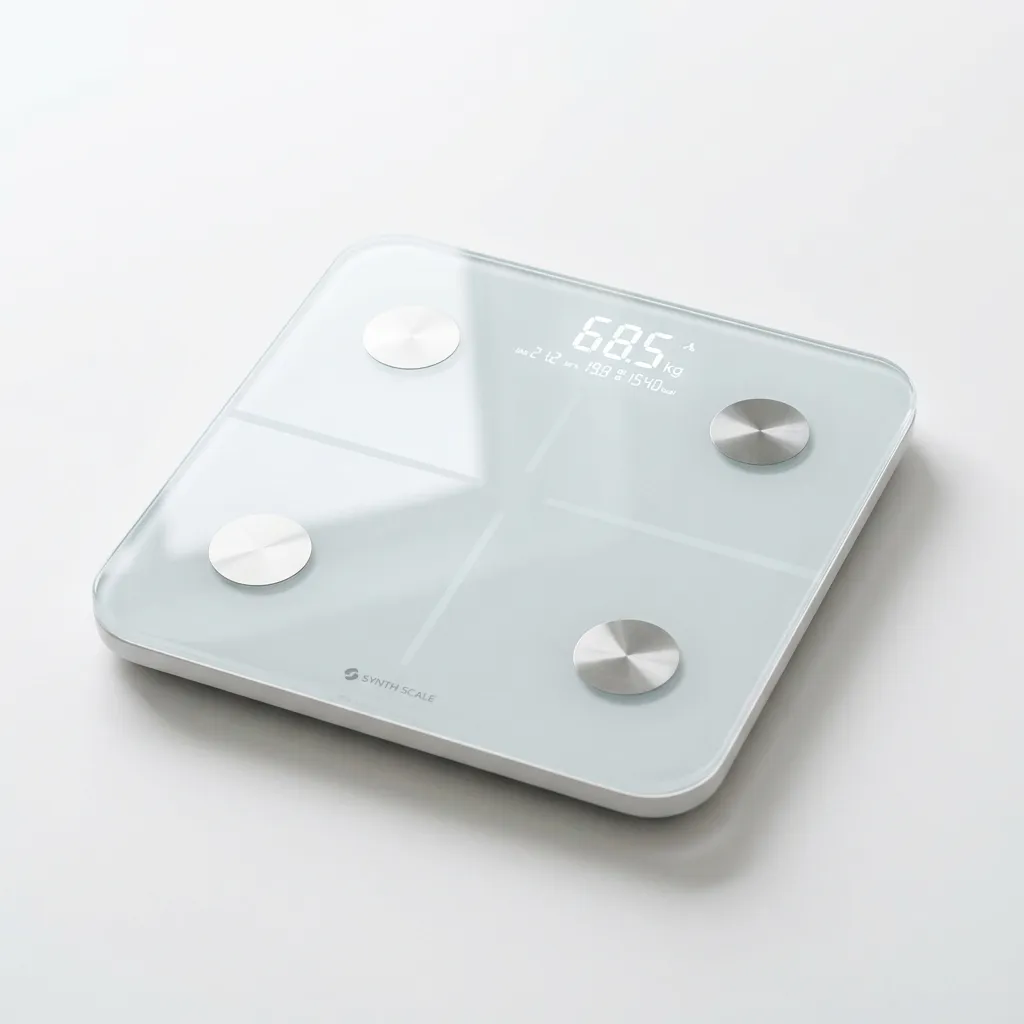
Smart Body Composition Scale
Advanced bioimpedance scale tracking muscle mass, body fat percentage, bone density and hydration.
- Tracks muscle mass & visceral fat
- Wireless sync with health apps
FAQ
Can DAO enzyme levels be measured via blood test?
Yes, serum DAO activity and concentration can be measured clinically. Low values combined with symptom resolution on a low-histamine diet confirm the diagnosis.
Which foods contain the highest histamine levels?
Aged and fermented foods—such as red wine, cured sausages, aged cheeses, sauerkraut, soy sauce, and canned fish—contain the highest biogenic amine concentrations.
Is histamine intolerance permanent?
Not necessarily. When underlying gut inflammation or SIBO is treated and mucosal integrity is restored, mucosal DAO production frequently recovers to normal levels.
Sources and References
- [1]
- [2]
- [3]
- [4]
Show all 5 sources (1 more)
- [5]
Editorial History
18. juli 2026
Første publicering
Første version blev publiceret som del af metabolic health med intro, takeaways, FAQ og referenceblok.
18. juli 2026
Faglig gennemgang
Formuleringer, forbehold og interne links blev gennemgået for klarhed, konsistens og YMYL-tydelighed.
21. juli 2026
Seneste opdatering
Histamine Intolerance and Gut Health fik opdaterede metadata, referenceoutput og forbedret beslutningsnær struktur.

Medical Review
Medical Review and Update Process
This article has been medically reviewed by Vadim Doroshenko with a focus on clinical accuracy, sources, disclaimers, and whether the conclusions still align with current scientific evidence.

Editorial Profile
Borys Viktorovytj Riabtsev
Borys Viktorovytj Riabtsev publishes Longevity Lab as a research-backed information project on precision medicine, metabolic health, and healthy aging, utilizing rigorous sources, independent medical review, and objective YMYL communication.