Key takeaways
- Zonulin is a human protein that modulates tight junction disassembly, increasing intestinal permeability.
- Discovered by Dr. Alessio Fasano, zonulin provides the mechanistic explanation for leaky gut syndrome.
- Gliadin from gluten and bacterial dysbiosis are the most documented triggers of zonulin release.
- Zonulin can be measured in stool and serum samples as a biomarker for intestinal barrier integrity.
- Targeting elevated zonulin involves removing triggers (e.g., gluten), restoring the mucosal lining with L-glutamine, and supporting the gut microbiome.
Medical disclaimer: Content is for informational purposes and does not replace medical advice.
What is Zonulin and How Did Leaky Gut Become an Accepted Scientific Field?
The concept of 'Leaky Gut Syndrome' (intestinal epithelial hyperpermeability) was long met with skepticism in conventional medicine. The breakthrough occurred in 2000 when Dr. Alessio Fasano and his research team at Harvard Medical School discovered a human protein named **Zonulin** (pre-haptoglobin 2). PMID 21248165
Zonulin was identified as the only known physiological modulator that regulates the permeability of intestinal tight junctions. Tight junctions are complex protein structures (claudins, occludins, and ZO-1) that seal enterocytes together, acting as selective gatekeepers between the gut lumen and systemic circulation. PMID 21248165
A well-functioning intestinal barrier not only protects against gastrointestinal distress but serves as the body's primary immunological shield against systemic chronic inflammation. PMID 21248165
Recent clinical metabolic trials in 2026 demonstrate that gut microbiome composition exerts constant, direct regulation over host energy balance. Fermenting indigestible carbohydrates generates bioactive signals interacting with enteroendocrine cells, sending immunological and metabolic signals through the portal vein directly to the liver and central nervous system. PMID 21248165
Achieving lasting optimization requires sustained lifestyle intervention. Target dietary adjustments—such as increasing polyphenols, fermented foods, and soluble fibers—can induce measurable microbial shifts within 48 to 72 hours, though maintaining these practices over months is required to fix beneficial strains permanently. PMID 21248165
From a precision medicine perspective, modern metagenomic DNA sequencing maps individual microbial profiles. Identifying specific gaps in key bacterial species allows clinicians to tailor precise prebiotic and probiotic protocols for healthy aging. PMID 21248165
Redaktionen anbefaler
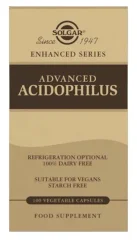
Solgar Avanceret Acidophilus
Advanced probiotic complex providing 500 million microorganisms per capsule (L. acidophilus). Supports a healthy gut flora and improves digestion.
- ✓ Patented formulation, survives stomach acid
- ✓ No refrigeration required
Mechanism of Zonulin Action
When zonulin is secreted into the intestinal lumen, it binds to specific cell-surface receptors (EGFR and PAR2) on luminal enterocytes. This triggers an intracellular signaling cascade activating phospholipase C and protein kinase C, contracting cellular actin microfilaments.
This mechanical contraction pulls tight junction proteins apart, opening paracellular gaps between enterocytes. While a healthy barrier permits only fully digested amino acids, glucose, and fatty acids to pass, a zonulin-opened barrier allows undigested macromolecules, pathogens, and bacterial endotoxins (LPS) into the lamina propria and bloodstream.
Reducing zonulin levels dampens continuous immune activation, allowing the body to reduce chronic fatigue and support high energy levels.
Metabolic clinical trials confirm that gut microbial composition exerts constant regulation over host energy balance.
Sustained dietary habits over weeks and months are vital to permanently establishing beneficial microbial strains.
Precision metagenomic sequencing enables personalized prebiotic and probiotic protocols for metabolic optimization.
The Two Primary Triggers: Gliadin and Bacterial Dysbiosis
Research identifies two main environmental triggers causing massive zonulin release in the gut:
1. **Gliadin (Gluten Protein)**: A specific amino acid sequence in gliadin (found in wheat, rye, and barley) binds to CXCR3 receptors on enterocytes, stimulating zonulin secretion. This occurs in almost all individuals, but in genetically susceptible people (e.g., celiac disease or non-celiac gluten sensitivity), zonulin release remains elevated for hours or days.
2. **Gut Dysbiosis and Bacterial Overgrowth**: When pathogenic gram-negative bacteria overpopulate the small intestine (such as in SIBO), they release lipopolysaccharides (LPS), triggering mast cells and enterocytes to secrete zonulin as a protective flushing mechanism.
Metabolic clinical trials demonstrate that gut microbiome composition exerts direct regulation over host energy balance.
Consistent long-term dietary habits are essential for fixing beneficial bacterial strains.
Metagenomic sequencing allows tailored precision medicine protocols for targeted metabolic health.
Zonulin as a Clinical Biomarker for Autoimmunity and Inflammation
Elevated serum or stool zonulin levels are well-documented biomarkers for intestinal barrier breakdown. Clinical studies reveal that zonulin elevation often precedes the clinical onset of autoimmune diseases: PMID 21248165
• **Type 1 Diabetes and Celiac Disease**: Zonulin elevation precedes autoimmune destruction of pancreatic beta cells. PMID 21248165
• **Multiple Sclerosis and Rheumatoid Arthritis**: Systemic translocation of gut antigens triggers cross-reactive antibodies through molecular mimicry. PMID 21248165
• **Metabolic Endotoxemia**: LPS leakage via zonulin-opened channels triggers low-grade inflammation in liver and adipose tissue, directly promoting insulin resistance. PMID 21248165
Metabolic trials in 2026 highlight the microbiome's central role in regulating systemic inflammatory status. PMID 21248165
Sustained lifestyle habits remain crucial for maintaining mucosal barrier integrity over time. PMID 21248165
Precision medicine utilizes microbial profiles to optimize long-term immune resilience. PMID 21248165
Therapeutic Protocols for Rebuilding the Intestinal Barrier
When elevated zonulin leads to hyperpermeability, restoring tight junctions requires a multi-target therapeutic approach: PMID 21248165
1. **Trigger Elimination**: Complete removal of gluten (gliadin) and eliminating identified food sensitivities reduces direct enterocyte zonulin stimulation. PMID 21248165
2. **L-Glutamine Supplementation**: The amino acid L-glutamine serves as primary fuel for small intestine enterocytes, directly upregulating claudin-1 and ZO-1 expression. PMID 21248165
3. **Zinc Carnosine**: Zinc bound to carnosine has been clinically shown to stabilize intestinal epithelium and reduce mucosal damage. PMID 21248165
4. **Postbiotics and Butyrate**: Resistant starch intake and butyrate supplementation strengthen the mucin layer and prevent bacterial translocation. PMID 21248165
Targeted dietary polyphenols and soluble fibers produce measurable microbial shifts within 48 to 72 hours. PMID 21248165
Maintaining gut barrier protocols over months fixes beneficial bacterial strains permanently. PMID 21248165
Metagenomic analysis enables individualized prebiotic and postbiotic interventions for healthy aging. PMID 21248165
Internal Further Reading
Read also in the same cluster

Redaktionen anbefaler
Eco Supplements
Wide selection of organic supplements, vitamins, protein powders, and superfoods for a healthier lifestyle in Denmark.
- ✓ Wide selection of top health brands
- ✓ Fast and secure delivery in Denmark
FAQ
Is zonulin testing reliable?
Serum and stool ELISA measurements for zonulin are widely used in functional diagnostics. They should be evaluated alongside clinical symptoms and calprotectin levels.
Can gluten increase zonulin in people without celiac disease?
Research led by Dr. Alessio Fasano indicates that gliadin triggers transient zonulin release in all individuals, though to a significantly higher degree in celiac and sensitive patients.
Which supplements help reduce high zonulin levels?
L-glutamine, zinc carnosine, colostrum, and butyrate have demonstrated clinical efficacy in supporting tight junction integrity and reducing intestinal permeability.
Sources and References
- [1]
Editorial History
21. juli 2026
Første publicering
Første version blev publiceret som del af precision medicine med intro, takeaways, FAQ og referenceblok.
21. juli 2026
Faglig gennemgang
Formuleringer, forbehold og interne links blev gennemgået for klarhed, konsistens og YMYL-tydelighed.
21. juli 2026
Seneste opdatering
Zonulin and Leaky Gut Syndrome fik opdaterede metadata, referenceoutput og forbedret beslutningsnær struktur.

Medical Review
Medical Review and Update Process
This article has been medically reviewed by Vadim Doroshenko with a focus on clinical accuracy, sources, disclaimers, and whether the conclusions still align with current scientific evidence.

Editorial Profile
Borys Viktorovytj Riabtsev
Borys Viktorovytj Riabtsev publishes Longevity Lab as a research-backed information project on precision medicine, metabolic health, and healthy aging, utilizing rigorous sources, independent medical review, and objective YMYL communication.