Key takeaways
- Histamine intolerance stems from impaired DAO enzyme degradation in the intestinal lining.
- Fermented and aged foods contain high concentrations of dietary histamine.
- Certain probiotic strains produce histamine while others help degrade it.
Medical disclaimer: Content is for informational purposes and does not replace medical advice.
What is Histamine and What Happens in Histamine Intolerance?
Histamine is a vital biogenic amine involved in immune response signaling, gastric acid secretion, and central nervous system neurotransmission. PMID 33808888
Histamine intolerance (HIT) arises not from a classical IgE-mediated food allergy, but from a disequilibrium between ingested histamine accumulation and metabolic degradation capacity. PMID 33808888
When histamine levels exceed an individual's enzymatic breakdown threshold, unmetabolized histamine overflows into systemic circulation, binding to H1–H4 receptors across multiple organ systems. PMID 33808888
Redaktionen anbefaler
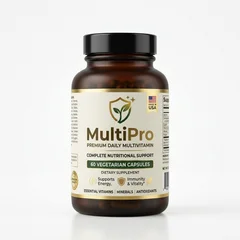
MultiPro
Complete multivitamin and mineral supplement containing 10 key vitamins and 5 essential minerals, tailored to meet your body's daily requirements.
- ✓ Broad coverage of vital micronutrients
- ✓ Supports daily energy and immune defense
Symptom Spectrum of Histamine Intolerance and Gut Issues
Histamine receptors are widely distributed throughout the human body, producing diverse multi-system symptoms: PMID 33808888
• **Gastrointestinal**: Abdominal pain, postprandial bloating, diarrhea, reflux, and IBS-like distress. PMID 33808888
• **Neurological**: Migraines, tension headaches, brain fog, fatigue, and sleep disturbances. PMID 33808888
• **Dermatological**: Urticaria, flushing, eczema flare-ups, and unexplained skin pruritus. PMID 33808888
• **Cardiovascular**: Tachycardia, palpitations, dizziness, and transient orthostatic hypotension. PMID 33808888
Because symptoms mimic environmental allergies or functional gastrointestinal disorders, HIT is frequently underdiagnosed. PMID 33808888
The DAO Enzyme, Intestinal Microvilli, and Essential Cofactors
Diamine Oxidase (DAO) is the primary extracellular enzyme responsible for degrading ingested histamine in the small intestinal lumen. PMID 33808888
DAO is synthesized specifically in mature enterocytes lining the villi. Inflammatory intestinal conditions—such as celiac disease, Crohn's, dysbiosis, or leaky gut—damage these microvilli, markedly suppressing DAO production. PMID 33808888
DAO activity relies heavily on essential micronutrient cofactors: Vitamin B6 (pyridoxal-5-phosphate), Vitamin C, Copper, and Zinc. Deficiencies in these nutrients directly impair enzymatic histamine clearance. PMID 33808888
The Dual Role of Gut Microbiota: Histamine Producers vs Degraders
Intestinal bacterial strains possess histidine decarboxylase (HDC) enzymes, converting dietary histidine into histamine: PMID 33808888
• **Histamine-Producing Strains**: Lactobacillus reuteri, Lactobacillus buchneri, Lactobacillus casei, and Escherichia coli. PMID 33808888
• **Histamine-Degrading / Neutral Strains**: Bifidobacterium infantis, Bifidobacterium longum, Lactobacillus plantarum, and Lactobacillus rhamnosus GG. PMID 33808888
Administering unvetted high-histamine probiotic formulations can exacerbate systemic symptoms in sensitive HIT patients. PMID 33808888
Practical Guide to Low-Histamine Diets and Meal Planning
Comprehensive clinical management of HIT requires a targeted 4-stage dietary protocol: PMID 33808888
1. **Elimination Phase (2–4 weeks)**: Temporarily restrict aged cheeses, cured meats, fermented foods (sauerkraut, kimchi, kombucha), wine, canned fish, tomatoes, and spinach. PMID 33808888
2. **Mucosal Healing**: Upregulate enterocyte regeneration using L-glutamine, zinc carnosine, and targeted histamine-neutral probiotics. PMID 33808888
3. **Enzyme Supplementation**: Exogenous oral DAO capsules taken prior to meals facilitate dietary histamine breakdown. PMID 33808888
4. **Reintroduction Phase**: Systematic reintroduction to identify individual tolerance thresholds. PMID 33808888
Internal Further Reading
Read also in the same cluster
Redaktionen anbefaler
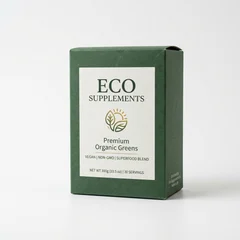
Eco Supplements
Wide selection of organic supplements, vitamins, protein powders, and superfoods for a healthier lifestyle in Denmark.
- ✓ Wide selection of top health brands
- ✓ Fast and secure delivery in Denmark
FAQ
Can DAO enzyme levels be measured via blood test?
Yes, serum DAO activity and concentration can be measured clinically. Low values combined with symptom resolution on a low-histamine diet confirm the diagnosis.
Which foods contain the highest histamine levels?
Aged and fermented foods—such as red wine, cured sausages, aged cheeses, sauerkraut, soy sauce, and canned fish—contain the highest biogenic amine concentrations.
Is histamine intolerance permanent?
Not necessarily. When underlying gut inflammation or SIBO is treated and mucosal integrity is restored, mucosal DAO production frequently recovers to normal levels.
Sources and References
- [1]
Editorial History
18. juli 2026
Første publicering
Første version blev publiceret som del af metabolic health med intro, takeaways, FAQ og referenceblok.
18. juli 2026
Faglig gennemgang
Formuleringer, forbehold og interne links blev gennemgået for klarhed, konsistens og YMYL-tydelighed.
21. juli 2026
Seneste opdatering
Histamine Intolerance and Gut Health fik opdaterede metadata, referenceoutput og forbedret beslutningsnær struktur.

Medical Review
Medical Review and Update Process
This article has been medically reviewed by Vadim Doroshenko with a focus on clinical accuracy, sources, disclaimers, and whether the conclusions still align with current scientific evidence.

Editorial Profile
Borys Viktorovytj Riabtsev
Borys Viktorovytj Riabtsev publishes Longevity Lab as a research-backed information project on precision medicine, metabolic health, and healthy aging, utilizing rigorous sources, independent medical review, and objective YMYL communication.