Key takeaways
- Autophagy is a broad biological quality control system, not a single product.
- Mitophagy is a selective form of autophagy targeting mitochondria.
- Senolytics are not the same as autophagy; they are about senescent cells.
- Consumer advice on fasting and supplements must be kept far more sober than the research headlines.
Medical disclaimer: Content is for informational purposes and does not replace medical advice.
What autophagy means
Autophagy is a collective name for processes in which cells break down and recycle damaged or excess components. It is part of the cell's quality control. In the context of aging, the interest is great because loss of proteostasis, mitochondrial dysfunction and cellular stress are central themes. PMID 34309390 PMC
But it is a mistake to translate autophagy into a simple 'more is always better'. Autophagy can be protective in some contexts, but biological systems are timing and context dependent. This is precisely why research articles on autophagy cannot be directly translated into a home protocol. PMID 34309390 PMC
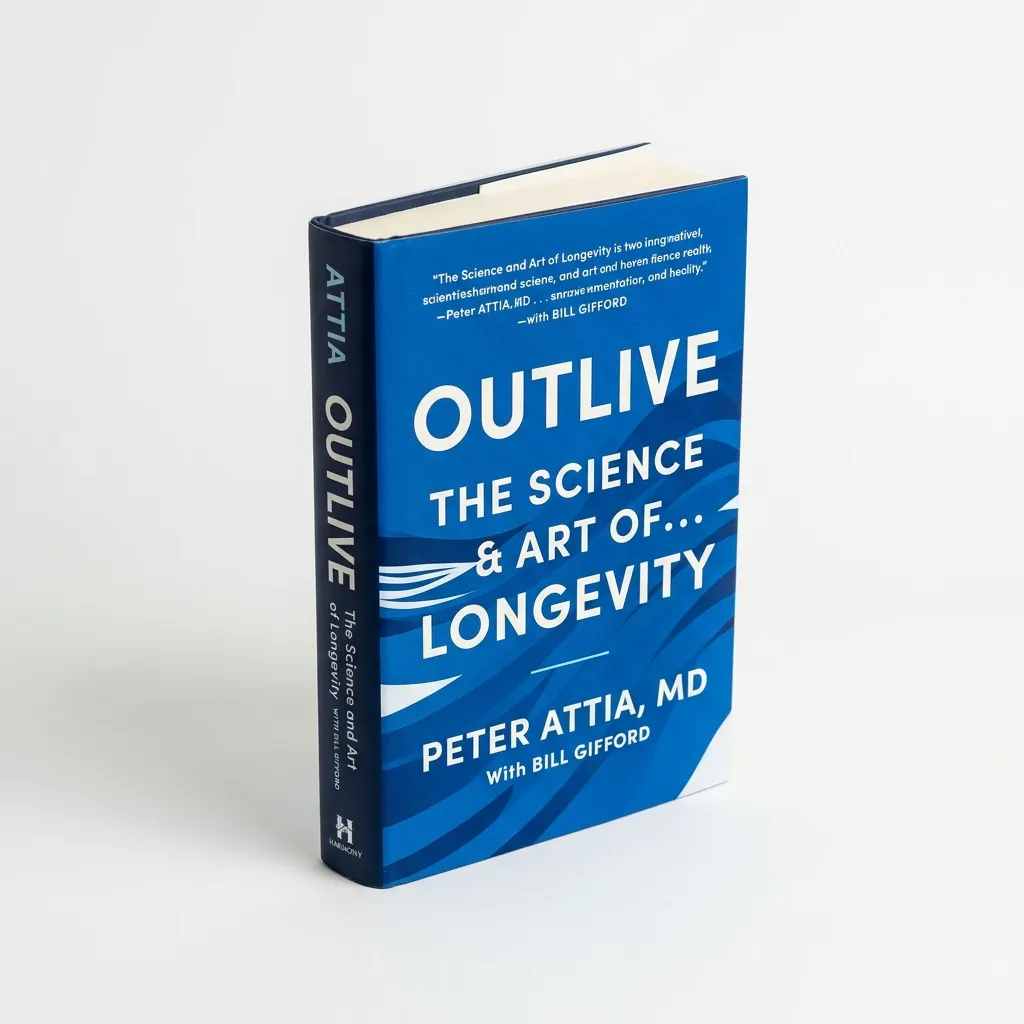
Outlive: The Science & Art of Longevity
Dr. Peter Attia's groundbreaking guide to preventive medicine, exercise for longevity, and healthy aging.
- Scientific framework for Medicine 3.0
- Actionable guide on sleep, exercise & nutrition
Mitophagy is the more specific part
Mitophagy is selective autophagy of mitochondria. This means that the cell can remove damaged or unwanted mitochondria as part of mitochondrial quality control. In longevity it is interesting because mitochondria are central to energy, signaling and stress response. PMID 22258505 PMID 30986803
Mitophagy is often mentioned together with Urolithin A, exercise and mitochondrial function. It is fair as a mechanistic conversation, but you still have to distinguish between mechanism and documented effect in humans. PMID 22258505 PMID 30986803
Where senolytics fit in
Senolytics are about senescent cells, i.e. cells that have stopped dividing, but can still affect the environment through inflammatory signals. In research, senolytic strategies try to remove or reduce these cells. PMID 34309390 PMC
It overlaps with autophagy in the aging conversation because both fields deal with cellular damage, cleanup and maintenance. But the mechanism is not the same. Autophagy is not just a mild senolytic treatment, and senolytics are not just 'more autophagy'. PMID 34309390 PMC
What the reader can use it for
The practical use is to understand the language better. If an article, clinic, or supplement manufacturer promises autophagy, mitophagy, or senolytic effect, ask: which system are they talking about, what is the evidence in humans, and is the outcome clinically relevant? PMC PMID 22258505 PMID 30986803
It's better than chasing fixed windows or protocols from mechanistic headers. Exercise, sleep, protein, metabolic health and muscle mass are increasingly actionable for most people. PMC PMID 22258505 PMID 30986803
Conclusion
Autophagy is important, but not simple. Mitophagy is a specific part of the cell's mitochondrial quality control. Senolytics is another track dealing with senescent cells. When the three are mixed together, the longevity conversation becomes more marketable, but less accurate. PMID 34309390 PMC PMC
A good explanation does the opposite: it separates the concepts, puts them into aging biology, and stops before it turns into an unsubstantiated protocol. PMID 34309390 PMC PMC
Autophagy is triggered by more than just fasting
Popular longevity culture frequently equates autophagy exclusively with multi-day water fasting. However, muscular contraction and energetic depletion during exercise constitute equally potent physiological triggers. Both sustained Zone 2 aerobic training and progressive resistance exercise stimulate robust autophagic flux in skeletal muscle, cardiac myocytes, and neurovascular tissue—often within 30 to 60 minutes of exertion via AMPK activation and mTORC1 suppression. PMID 34309390 PMC PMID 22258505
Consequently, individuals do not need to endure prolonged 24- to 48-hour fasts to stimulate intracellular recycling. Consistent physical training combined with moderate time-restricted feeding provides a far more sustainable, muscle-sparing stimulus for routine autophagic quality control. PMID 34309390 PMC PMID 22258505
- Physical exercise activates skeletal muscle autophagy within 30 to 60 minutes of continuous exertion.
- Dietary fasting typically requires 16 to 24 hours of nutritional deprivation for significant hepatic autophagy upregulation.
- Combining habitual daily exercise with time-restricted eating creates an effective, synergistic stimulus without muscle catabolism.
The 3 biggest misconceptions about autophagy
Misconception 1: Autophagy is universally beneficial at all times. In reality, biological longevity requires a continuous homeostatic balance between breakdown (autophagy) and rebuilding (anabolism via mTORC1 and protein synthesis). Unchecked chronic autophagy causes muscular wasting and cardiac atrophy. Misconception 2: You can subjectively 'feel' autophagy occurring. Autophagy is a microscopic lysosomal process with no sensory cues. Misconception 3: Extended multi-day fasts are always superior. Rigorous human data supporting 48+ hour fasts in healthy non-obese adults are scarce and carry heightened risks of lean tissue loss. PMID 34309390 PMC PMID 30986803
| Prevalent Myth | Why It Is Scientifically Inaccurate | Physiological Reality |
|---|---|---|
| Autophagy is always good | Excessive, unchecked autophagy promotes tissue catabolism | Homeostatic cycling between cellular breakdown and reconstruction is vital. |
| You can perceive autophagy directly | Autophagy occurs at sub-cellular lysosomal scales | Sensations of lightheadedness reflect hypoglycemia, not active cellular cleanup. |
| Longer fasts yield linearly greater benefits | Extended fasts (>48h) accelerate nitrogen excretion and muscle loss | Intermittent 16-24h windows combined with exercise provide optimal risk-to-benefit ratios. |
Clinical contraindications and safety boundaries
Aggressive fasting protocols designed to maximize autophagy are contraindicated in specific populations. Individuals diagnosed with type 1 or advanced type 2 diabetes on insulin, pregnant or lactating women, individuals with a history of disordered eating, and sarcopenic or underweight older adults should avoid extended fasts. PMID 34309390 PMID 22258505 PMC
For these demographics, cellular recycling is best supported safely through balanced nutrient intake, adequate protein pacing, and structured physical movement under medical supervision. PMID 34309390 PMID 22258505 PMC
Internal Further Reading
Read also in the same cluster

Smart Body Composition Scale
Advanced bioimpedance scale tracking muscle mass, body fat percentage, bone density and hydration.
- Tracks muscle mass & visceral fat
- Wireless sync with health apps
FAQ
Is autophagy the same as fasting?
No. Fasting can affect some signaling pathways, but autophagy is a broad cellular process and cannot be reduced to a fasting window.
Is mitophagy just another word for autophagy?
Mitophagy is a selective form of autophagy where the focus is on cleaning up mitochondria.
Is senolytics the same as autophagy?
No. Senolytics are about senescent cells, while autophagy is about cellular cleanup and recycling.
Can you measure autophagy yourself?
Not practical in a normal consumer or clinic life. Many claims are based on indirect or mechanistic assumptions.
How long do you need to fast to induce autophagy in humans?
Human metabolic data suggest that hepatic autophagic flux begins rising after approximately 16 to 24 hours of caloric deprivation. However, acute physical exercise activates muscular autophagy within 30 to 60 minutes, bypassing the need for prolonged starvation.
Is ketosis identical to autophagy?
No. Ketosis is a metabolic state characterized by elevated circulating ketone bodies (acetoacetate and beta-hydroxybutyrate) as fatty acids replace glucose. Autophagy is an intracellular lysosomal degradation process. While fasting can induce both simultaneously, they represent distinct biochemical pathways.
Sources and References
- [1]
- [2]
- [3]
- [4]
Show all 5 sources (1 more)
- [5]
Editorial History
9. June 2026
First publication
Initial version was published as part of the healthy aging with introduction, takeaways, FAQ, and reference block.
9. June 2026
Medical review
Phrasing, caveats, and internal links were reviewed for clarity, consistency, and YMYL alignment.
9. June 2026
Latest update
Autophagy vs senolytics vs mitophagy received updated metadata, reference outputs, and improved decision-support structure.

Medical Review
Medical Review and Update Process
This article has been medically reviewed by Vadim Doroshenko with a focus on clinical accuracy, sources, disclaimers, and whether the conclusions still align with current scientific evidence.

Editorial Profile
Borys Viktorovytj Riabtsev
Borys Viktorovytj Riabtsev publishes Longevity Lab as a research-backed information project on precision medicine, metabolic health, and healthy aging, utilizing rigorous sources, independent medical review, and objective YMYL communication.