Key takeaways
- Senolytics are biologically interesting, but not a finished anti-aging product.
- Fisetin and quercetin are the best known consumer substances, but human evidence is limited.
- Dasatinib plus quercetin has been studied in trials, but is not something you should experiment with without a medical framework.
- Senolytics are not the same as autophagy or mitophagy; the terms describe different biological clean-up tracks.
Medical disclaimer: Content is for informational purposes and does not replace medical advice.
What are senolytics and why do they take up so much space
Senescence is a key track in modern longevity because the accumulation of senescent cells is associated with age-related tissue dysfunction and low-grade inflammation. This has made senolytics one of the most discussed topics among researchers, clinics and biohackers, but the word is often mixed up with other cleanup terms. NIH PMID 30279143
The interest fits into a greater convergence between AI, genomics, regenerative medicine and multiomics, where the goal is to identify interventions with greater precision. But a promising target is not the same as a documented treatment. NIH PMID 30279143
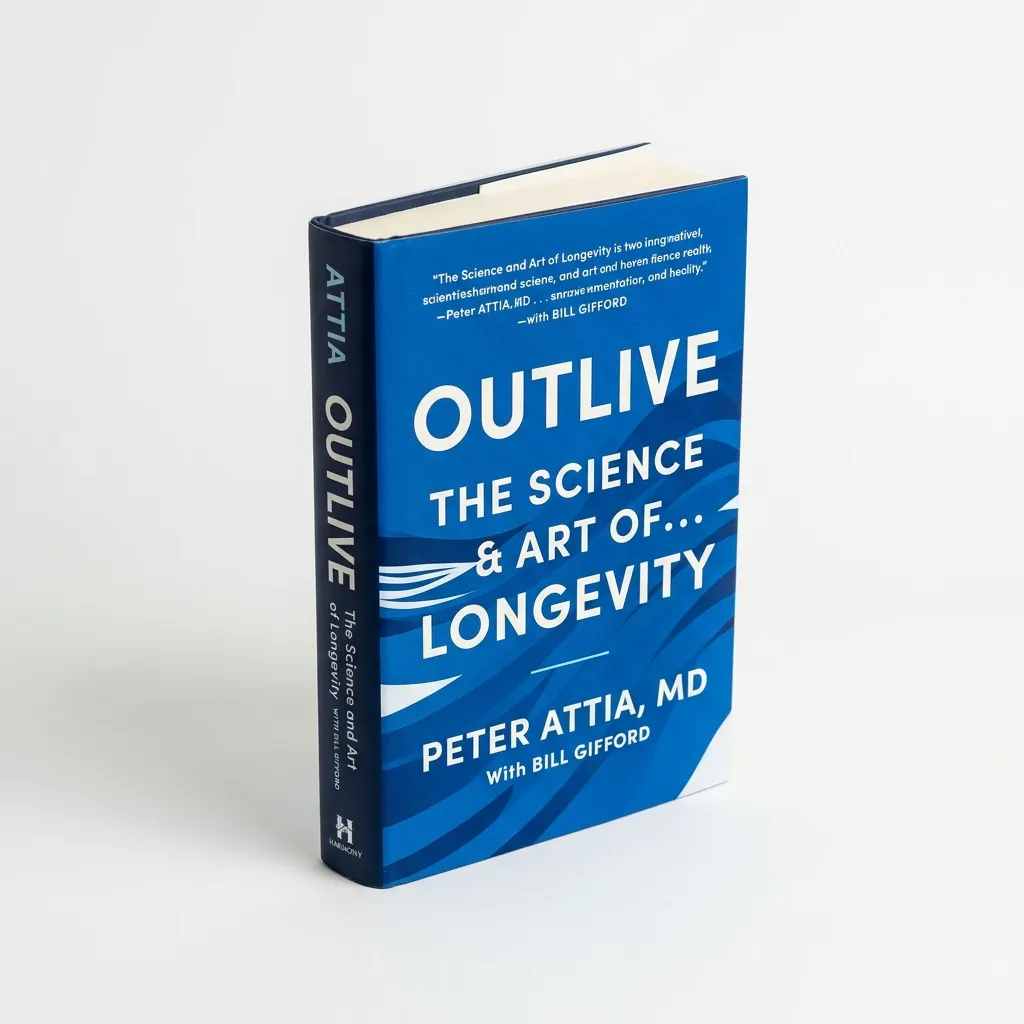
Outlive: The Science & Art of Longevity
Dr. Peter Attia's groundbreaking guide to preventive medicine, exercise for longevity, and healthy aging.
- Scientific framework for Medicine 3.0
- Actionable guide on sleep, exercise & nutrition
Senolytics vs autophagy, mitophagy and cellular rejuvenation
Senolytics are about senescent cells. Autophagy is more broadly about the cell's internal recycling and cleanup. Mitophagy is a more specific cleanup of damaged mitochondria. Cellular rejuvenation is used even more broadly and can cover everything from reprogramming to improved cell response. PMID 30279143 PMC
That distinction is important because otherwise the user easily thinks that fasting, a supplement, mitochondrial training, and advanced reprogramming are versions of the same intervention. They are not. They are in the same longevity conversation, but they have different mechanisms, levels of evidence and risks. PMID 30279143 PMC
Fisetin and quercetin in practice
Fisetin and quercetin are often mentioned because they are more available than pharmaceuticals and have mechanistic data that point to possible senolytic activity. This makes them attractive in the longevity environment, but this does not mean that doses, timing and long-term safety are well established. PMC PMC
The problem is that the consumer market often jumps too quickly from cell and animal models to big promises. The most responsible position is that the drugs are interesting hypotheses, not mature anti-aging treatments. This applies in particular if the marketing suggests that a supplement can replace medical assessment or classic risk markers. PMC PMC
Dasatinib plus quercetin is something else
The combination dasatinib plus quercetin, often abbreviated D+Q, is among the best-known senolytic traces in research. But it is important to distinguish between research interest and everyday use: dasatinib is not a trivial supplement, but a drug with potential side effects and clear medical implications. PMC NIH Office of Dietary Supplements
If a longevity clinic offers senolytic protocols, you should ask about the rationale, safety, monitoring and level of evidence. Here, caution is extra important, because the risk of overtreatment is real. PMC NIH Office of Dietary Supplements
What a yearly timeline looks like
What is most likely in the next few years is not a miracle supplement, but gradually better stratification. AI tools, multiomics and better biomarkers may over time help identify who potentially responds and who does not. NIH Office of Dietary Supplements
AI-assisted research is likely to accelerate the selection of promising compounds in the coming years. That's an important signal of direction, but not proof that fisetin or quercetin are already clinically validated longevity solutions for humans. NIH Office of Dietary Supplements
Senolytics are fundamentally distinct from generic antioxidant supplements
Senolytics represent a specialized class of pharmacological and nutraceutical compounds designed to selectively induce apoptosis in senescent cells—cells that have permanently exited the cell cycle yet remain metabolically active, secreting a damaging senescence-associated secretory phenotype (SASP) comprising IL-6, TNF-alpha, and matrix metalloproteinases. NIH PMID 30279143 PMC
This mechanism is entirely distinct from passive antioxidant scavenging. While antioxidants neutralize reactive oxygen species, senotherapeutics selectively target pro-survival pathways (SCAPs) that senescent cells exploit to resist programmed cell death. Rigorous research spearheaded by institutions like the Mayo Clinic focuses on intermittent 'hit-and-run' dosing rather than daily supplement intake. NIH PMID 30279143 PMC
Why commercial fisetin and quercetin supplements are frequently overhyped
Fisetin and quercetin are naturally occurring plant flavonoids widely available as over-the-counter dietary supplements. However, commercial retail claims regularly conflate mechanistic in vitro cell culture studies and transgenic rodent data with proven clinical efficacy in humans. PMID 30279143 PMC NIH Office of Dietary Supplements
A major pharmacological barrier is native bioavailability: unmodified polyphenols undergo extensive intestinal and hepatic first-pass metabolism (glucuronidation and sulfation), leaving free circulating plasma concentrations in the low nanomolar range—far below the micromolar thresholds required to trigger senolysis in preclinical trials. PMID 30279143 PMC NIH Office of Dietary Supplements
| Scientific Evidence Tier | Validated Findings | Clinical Limitations |
|---|---|---|
| Cell Culture & Molecular Pathways | Inhibition of BCL-2/BCL-xL and PI3K/AKT senescent pro-survival nodes | Cannot replicate complex in vivo whole-organism pharmacokinetics. |
| Rodent Models (In Vivo) | Extension of median remaining lifespan and improved physical frailty | Rodent metabolic clearance differs markedly from human physiology. |
| Human Clinical Trials (Phase I/II) | Safety signals and localized reduction in inflammatory SASP biomarkers | Preliminary sample sizes; unproven for expanding human healthspan. |
The biological interplay between senescence, autophagy, and mitophagy
Senolytics, autophagy, and mitophagy represent three complementary tiers of cellular quality control that should not be conflated in longevity discussions: PMC PMC
Senolytics target the whole-cell elimination of irreversibly damaged senescent cells. Autophagy is the cell-autonomous lysosomal recycling of misfolded proteins and aggregate cargo within living cells. Mitophagy is the organelle-specific clearance of dysfunctional, depolarized mitochondria via the PINK1/Parkin signaling cascade. PMC PMC
While lifestyle habits like time-restricted eating and Zone 2 cardiovascular exercise steadily stimulate endogenous autophagy and mitophagy, senolytics aim to purge long-accumulated senescent burdens that the immune system fails to clear spontaneously. PMC PMC
Safety considerations, bioavailability barriers, and cytochrome P450 interactions
Over-the-counter availability must not be mistaken for pharmacological inertness. Quercetin is a potent in vitro and in vivo inhibitor of CYP3A4, CYP2C9, and P-glycoprotein efflux pumps. Consequently, consuming concentrated supplemental doses can sharply elevate systemic bioavailability of co-administered prescription pharmaceuticals, including statins, calcium channel blockers, and oral anticoagulants. NIH PMC NIH Office of Dietary Supplements
Intermittent senolytic experimentation should never be combined with prescription medications without thorough pharmacological review and medical consultation. NIH PMC NIH Office of Dietary Supplements
Internal Further Reading
Read also in the same cluster

Smart Body Composition Scale
Advanced bioimpedance scale tracking muscle mass, body fat percentage, bone density and hydration.
- Tracks muscle mass & visceral fat
- Wireless sync with health apps
FAQ
What are senolytics?
Senolytics are drugs or treatment tracks designed to reduce senescent cells and their inflammatory signals. The idea is biologically interesting, but it is not the same as well-documented anti-aging treatment for humans.
Is quercetin safe for everyone?
No. Quercetin can interact with medications and is not appropriate for everyone. People with illness, medication use or clinical problems should talk to a doctor.
Is D+Q something you should try yourself?
No. Dasatinib plus quercetin is a research and clinical track, not an ordinary do-it-yourself supplement.
Is fisetin clinically proven to extend human lifespan?
No. While fisetin has demonstrated striking healthspan benefits in aging mice, human clinical investigations (including trials at the Mayo Clinic) remain in early exploratory phases. There are currently no randomized, placebo-controlled phase III human trials demonstrating lifespan extension.
How does a senolytic differ from autophagy?
Senolytics trigger apoptotic cell death in dysfunctional senescent cells so they can be phagocytosed by macrophages. Autophagy is an internal cellular housekeeping process where living cells recycle damaged organelles and debris without undergoing cell death.
Sources and References
- [1]
- [2]
- [3]
- [4]
Show all 5 sources (1 more)
- [5]
Editorial History
14. April 2026
First publication
Initial version was published as part of the healthy aging with introduction, takeaways, FAQ, and reference block.
14. April 2026
Medical review
Phrasing, caveats, and internal links were reviewed for clarity, consistency, and YMYL alignment.
28. April 2026
Latest update
Senolytica 2026 received updated metadata, reference outputs, and improved decision-support structure.

Medical Review
Medical Review and Update Process
This article has been medically reviewed by Vadim Doroshenko with a focus on clinical accuracy, sources, disclaimers, and whether the conclusions still align with current scientific evidence.

Editorial Profile
Borys Viktorovytj Riabtsev
Borys Viktorovytj Riabtsev publishes Longevity Lab as a research-backed information project on precision medicine, metabolic health, and healthy aging, utilizing rigorous sources, independent medical review, and objective YMYL communication.