Key takeaways
- Neuronal autophagy is a vital cellular recycling mechanism that prevents neurodegeneration by clearing damaged proteins.
- Fasting suppresses the mTOR pathway (growth signal) and activates the AMPK pathway (maintenance signal), initiating autophagy.
- The ketone body beta-hydroxybutyrate (BHB) easily crosses the blood-brain barrier, providing an efficient alternative fuel.
- BHB acts as an endogenous HDAC inhibitor, enhancing BDNF gene expression and supporting hippocampal neurogenesis.
- Research indicates that short-term fasting (16-24 hours) induces pronounced upregulation of autophagy markers in cortical neurons.
- Fasting promotes mitochondrial longevity by triggering mitophagy — the selective degradation and renewal of dysfunctional mitochondria.
Medical disclaimer: Content is for informational purposes and does not replace medical advice.
What is Neuronal Autophagy and Why is It Critical for Brain Longevity?
Neuronal autophagy is the intracellular process where double-membrane vesicles called autophagosomes engulf damaged proteins, aggregated macromolecules, and old organelles. These vesicles fuse with lysosomes, where acid hydrolases degrade the cargo into recyclable basic building blocks. PMID 18288193 PMID 28139820
Because neurons must survive for an organism's lifetime without dividing, they cannot dilute cellular waste through mitosis. Failure of autophagy leads to rapid neurotoxic accumulation, which is a key pathological feature of Parkinson's, Alzheimer's, and ALS. PMID 18288193 PMID 28139820
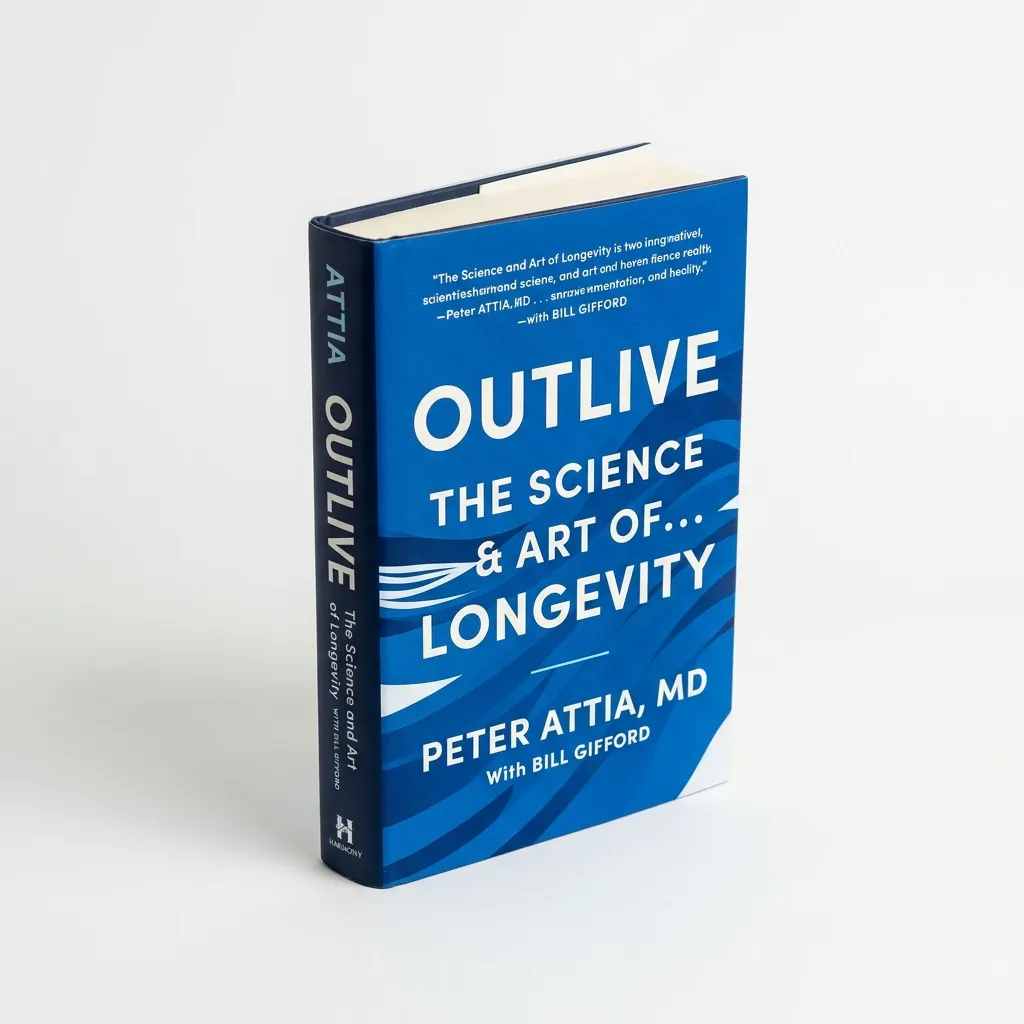
Outlive: The Science & Art of Longevity
Dr. Peter Attia's groundbreaking guide to preventive medicine, exercise for longevity, and healthy aging.
- Scientific framework for Medicine 3.0
- Actionable guide on sleep, exercise & nutrition
Fasting as a Metabolic Stimulus: The AMPK vs. mTOR Switch
Autophagy is tightly controlled by the balance between two central metabolic sensors: mTOR (mammalian target of rapamycin) and AMPK (AMP-activated protein kinase). PMID 20530974 PMID 29321682
Feeding (particularly carbohydrate and protein intake) raises insulin and amino acid levels, activating mTOR. As a master growth regulator, mTOR suppresses autophagy. Conversely, fasting drains hepatic glycogen, lowering insulin and cellular ATP, which activates AMPK. AMPK acts as an energy sensor that deactivates mTOR and phosphorylates ULK1, triggering autophagy. PMID 20530974 PMID 29321682
Ketone Bodies and BHB: Superior Fuel for the Fasting Brain
When liver glycogen is depleted during fasting, fatty acid beta-oxidation produces ketone bodies. Beta-hydroxybutyrate (BHB), the primary circulating ketone, crosses the blood-brain barrier via monocarboxylate transporters. PMID 24342269 PMID 27443194
BHB is a highly efficient fuel source, yielding more ATP per unit of oxygen consumed than glucose and producing fewer reactive oxygen species (ROS) in the mitochondrial respiratory chain. Additionally, BHB acts as an epigenetic signaling molecule, inhibiting Class I histone deacetylases (HDACs). This epigenetic change upregulates brain-derived neurotrophic factor (BDNF) expression in the hippocampus, promoting synaptic plasticity. PMID 24342269 PMID 27443194
How Long Must One Fast to Upregulate Brain Autophagy?
A common clinical question is the duration of fasting required to initiate brain autophagy. Unlike liver tissue, which enters autophagy quickly, the brain is homeostatically shielded from acute nutrient shifts. However, preclinical models (e.g., Alirezaei et al.) show that short-term fasting (16 to 24 hours) induces profound upregulation of neuronal autophagy. PMID 20530974 PMID 31881139
In humans, an 18:6 intermittent fasting schedule (18 hours fasting, 6 hours feeding), particularly when combined with physical exercise or low-carbohydrate intake, is sufficient to deplete liver glycogen and raise BHB to levels that activate neuronal recycling pathways. PMID 20530974 PMID 31881139
Evidence-Based Protocols for Metabolic Brain Optimization
Implementing fasting for cognitive longevity should be structured and progressive. PMID 29321682 PMID 27213812 PMID 31881139
1) 18:6 Intermittent Fasting: Restrict all caloric intake to a 6-hour daily window (e.g., 12:00 PM to 6:00 PM). 2) Fasted Exercise: Perform Zone 2 cardio in the morning to accelerate glycogen depletion and AMPK activation. 3) Mitophagy support: Incorporate Urolithin A, a metabolite produced by gut bacteria from ellagitannins (found in pomegranates), which selectively triggers mitochondrial recycling (mitophagy). 4) Avoid snacking: Do not consume calories between meals; even small amounts of protein or carbohydrates stimulate insulin, activate mTOR, and halt autophagy. PMID 29321682 PMID 27213812 PMID 31881139
Internal Further Reading
Read also in the same cluster
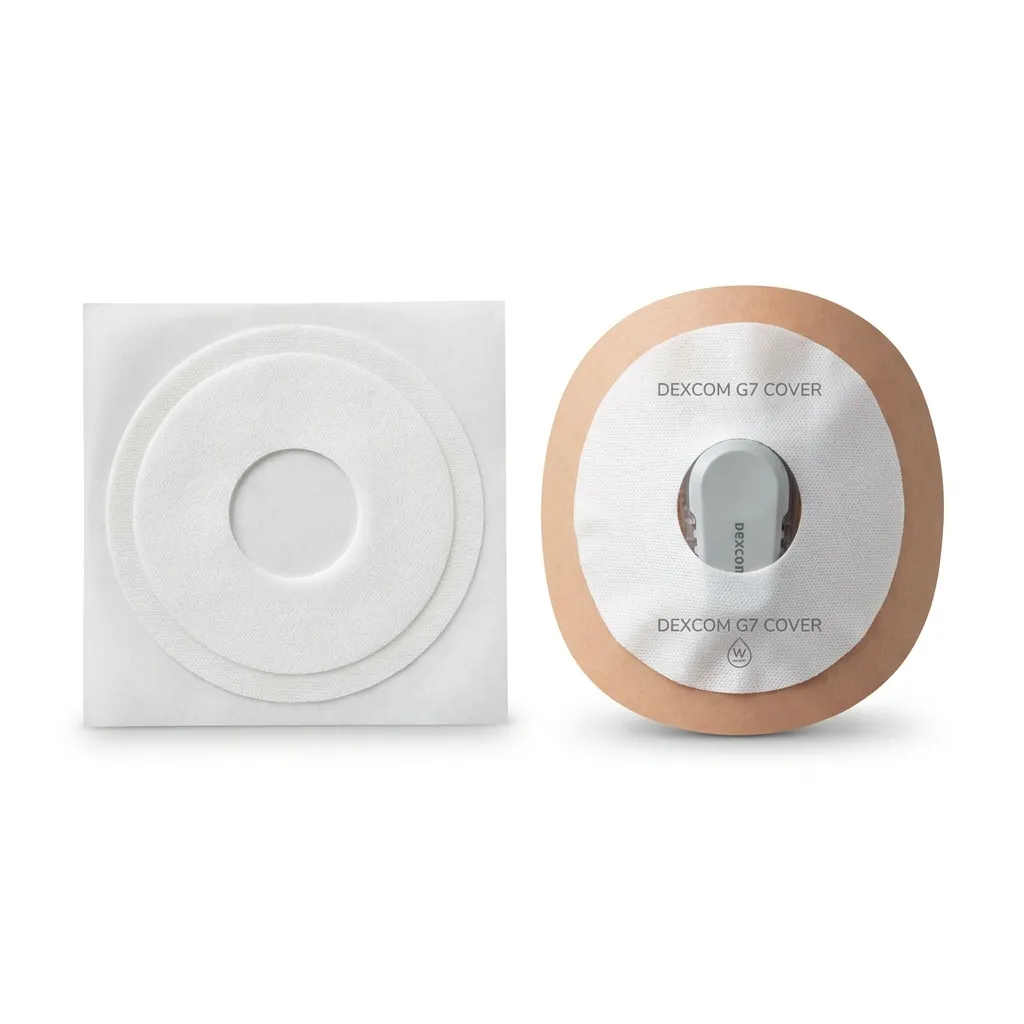
Waterproof Sensor Covers for Dexcom G7 & CGM
Waterproof and breathable patches to protect continuous glucose monitors during exercise and bathing.
- Waterproof & sweatproof up to 14 days
- Hypoallergenic latex-free medical adhesive
FAQ
What breaks autophagy during a fast?
Any substance that stimulates insulin secretion or introduces amino acids. This includes proteins (including collagen powder in coffee), carbohydrates, milk, creamer, and amino acid supplements like BCAAs.
Can you achieve brain autophagy without fasting?
Yes, to some degree. A strict, low-protein ketogenic diet or prolonged, high-intensity endurance exercise can also deplete glycogen, elevate BHB, and activate AMPK pathways to trigger autophagy.
Is black coffee permitted during an autophagy-focused fast?
Yes. Plain black coffee (without milk, cream, or sugar) is permitted. In fact, research suggests that coffee polyphenols can stimulate autophagy through insulin-independent mechanisms.
Sources and References
- [1]
- [2]
- [3]
- [4]
Show all 8 sources (4 more)
- [5]
- [6]
- [7]
- [8]
Editorial History
7. august 2026
Første publicering
Første version blev publiceret som del af healthy aging med intro, takeaways, FAQ og referenceblok.
7. august 2026
Faglig gennemgang
Formuleringer, forbehold og interne links blev gennemgået for klarhed, konsistens og YMYL-tydelighed.
7. august 2026
Seneste opdatering
Fasting and Brain Autophagy (2026) fik opdaterede metadata, referenceoutput og forbedret beslutningsnær struktur.

Medical Review
Medical Review and Update Process
This article has been medically reviewed by Vadim Doroshenko with a focus on clinical accuracy, sources, disclaimers, and whether the conclusions still align with current scientific evidence.

Editorial Profile
Borys Viktorovytj Riabtsev
Borys Viktorovytj Riabtsev publishes Longevity Lab as a research-backed information project on precision medicine, metabolic health, and healthy aging, utilizing rigorous sources, independent medical review, and objective YMYL communication.