Key takeaways
- GLP-1 and berberine are not equivalent solutions, although they are both mentioned in metabolic conversations.
- GLP-1 has stronger clinical weight and clearer effect in relevant patients.
- Berberine is for some an interesting supplement trail, but not a direct replacement for medical treatment.
- The right decision depends on goals, risk profile and degree of metabolic burden.
Medical disclaimer: Content is for informational purposes and does not replace medical advice.
Why the comparison is so popular
The comparison is popular because many people want something that feels simpler, cheaper or more natural than prescription drugs. This is a legitimate wish, but not in itself an argument that the solutions are professionally comparable. FDA American Diabetes Association
It is important to eliminate false equivalencies so that you can ask better questions of your doctor. FDA American Diabetes Association
In many online forums and biohacking groups, berberine is presented as a direct substitute for semaglutide (GLP-1). This is primarily due to early studies showing that berberine can support the activation of AMPK (adenosine monophosphate-activated protein kinase) and thereby affect glucose uptake in cells. However, calling it 'nature's Ozempic' significantly oversimplifies the complex pharmacological mechanisms behind prescription medicine. FDA American Diabetes Association

Smart Body Composition Scale
Advanced bioimpedance scale tracking muscle mass, body fat percentage, bone density and hydration.
- Tracks muscle mass & visceral fat
- Wireless sync with health apps
What GLP-1 can typically do
GLP-1 agonists affect appetite, satiety and energy balance in a way that for many patients provides clear clinical effect. This makes them relevant for obesity, insulin resistance and other cardiometabolic problems when used correctly. American Diabetes Association American Diabetes Association
But there are also side effects, expectation management and the need for monitoring. Therefore, GLP-1 is never just a trend, but a medical intervention. American Diabetes Association American Diabetes Association
Clinically, GLP-1 therapy works by mimicking the natural hormone GLP-1 (glucagon-like peptide-1), which is released in the gut after meals. This results in delayed gastric emptying, increased insulin sensitivity, and direct signaling to the brain's satiety center. The systemic control achieved with this class of medication allows for weight loss and glycemic stability to a degree that is rarely matched by dietary supplements alone. American Diabetes Association American Diabetes Association
What berberine typically can do
Berberine is often mentioned as an interesting supplement track, especially in conversations about glucose and insulin response. For some, it may be a relevant self-care strategy, but the efficacy and potency are not at the same level as GLP-1 in appropriate patients. American Diabetes Association NIDDK
Therefore, it is important to see berberine as a supplement logic, not as a marketed mini version of a drug. American Diabetes Association NIDDK
Berberine is extracted from various plants such as barberry and has a long history in traditional Chinese medicine. Its primary strength lies in supporting the body's natural insulin sensitivity in combination with a healthy diet and exercise. Although some small trials have shown beneficial effects on fasting blood glucose, the bioavailability of berberine is relatively low, meaning that only a small fraction of the active compound is actually absorbed into the bloodstream. American Diabetes Association NIDDK
How to choose the right track
If the goal is minor improvements in an overall lifestyle strategy, a supplement track may make sense for some. If the problem is clearly overweight, persistent insulin resistance or strong metabolic risk, it is something else. NIDDK PMID 35736158
The most important thing is not to choose the solution that sounds most attractive, but the solution that best fits reality. NIDDK PMID 35736158
Berberine vs GLP-1 in brief comparison
The table explains the difference without making the comparison more academic than the data allows. PMID 35736158 NIH Office of Dietary Supplements
It helps you distinguish between a supplement track and a real medical intervention. PMID 35736158 NIH Office of Dietary Supplements
The essential clinical safety distinction
The practical divergence between berberine and GLP-1 receptor agonists extends far beyond relative potency. GLP-1 therapeutics (such as semaglutide and tirzepatide) represent potent prescription medications requiring rigorous clinical indications, standardized dose titration, and continuous medical supervision for gastrointestinal tolerance and lean mass retention. FDA American Diabetes Association PMID 35736158 NIH Office of Dietary Supplements
In stark contrast, berberine is a botanical isoquinoline alkaloid operating as an over-the-counter dietary supplement. Characterizing berberine as 'nature's Ozempic' is physiologically misleading: it risks downplaying both the serious clinical implications of pharmaceutical GLP-1 therapy and the variable bioequivalence, liver enzyme interactions (CYP3A4 inhibition), and gastrointestinal side effects of unregulated botanicals. FDA American Diabetes Association PMID 35736158 NIH Office of Dietary Supplements
- GLP-1 therapy addresses clinical cardiometabolic disease, demanding physician supervision and muscle preservation protocols.
- Berberine questions center on botanical purity, medication interactions, digestive tolerance, and modest glycemic modulation.
- Neither pathway should ever bypass objective baseline laboratory diagnostics.
Who should not use online comparisons to make clinical choices?
Individuals diagnosed with type 2 diabetes, those prescribed glucose-lowering pharmaceuticals (metformin, sulfonylureas, SGLT2 inhibitors), people with significant obesity, a prior history of pancreatitis, or pregnancy plans must not make self-directed therapy choices between botanical supplements and endocrine drugs. FDA American Diabetes Association American Diabetes Association NIDDK
This comparison is intended to illuminate the distinct biological mechanisms—plant AMPK activation versus potent neuroendocrine receptor agonism—prior to consulting a physician. It must never function as an informal self-treatment algorithm. FDA American Diabetes Association American Diabetes Association NIDDK
| Clinical Presentation | Evidence-Based First Step | Physiological Rationale |
|---|---|---|
| Unknown Glycemic Baseline | Measure HbA1c and fasting plasma glucose | Objective baseline metrics are mandatory before selecting therapeutic interventions. |
| Multiple Symptoms or Polypharmacy | Comprehensive physician consultation | Enzyme inhibition and additive hypoglycemic risks cannot be evaluated online. |
| Subclinical Curiosity / Mild Optimizing | Lifestyle foundation (fiber, Zone 2, sleep) | High-yield, zero-risk behavioral interventions take precedence over pills. |
A responsible decision-making hierarchy
A scientifically grounded decision hierarchy evaluates the magnitude of cardiometabolic risk before selecting tools. Subclinical glycemic variability warrants foundational lifestyle refinement—viscous soluble fiber, post-meal walking, and sleep hygiene. Conversely, diagnosed metabolic syndrome or diabetes requires structured clinical management. American Diabetes Association NIDDK PMID 35736158
The ultimate goal of this comparison is to prompt higher-quality diagnostic questions: What are my verified laboratory biomarkers, what specific endpoints am I targeting, and which healthcare professional is overseeing my progress? American Diabetes Association NIDDK PMID 35736158
- Differentiate whether your health challenge is a lifestyle optimization or a clinical pathology.
- Secure objective baseline data (HbA1c, resting blood pressure, waist circumference) prior to evaluating interventions.
- Use scientific information to prepare for an informed physician consultation, not to substitute for one.
Internal Further Reading
Read also in the same cluster
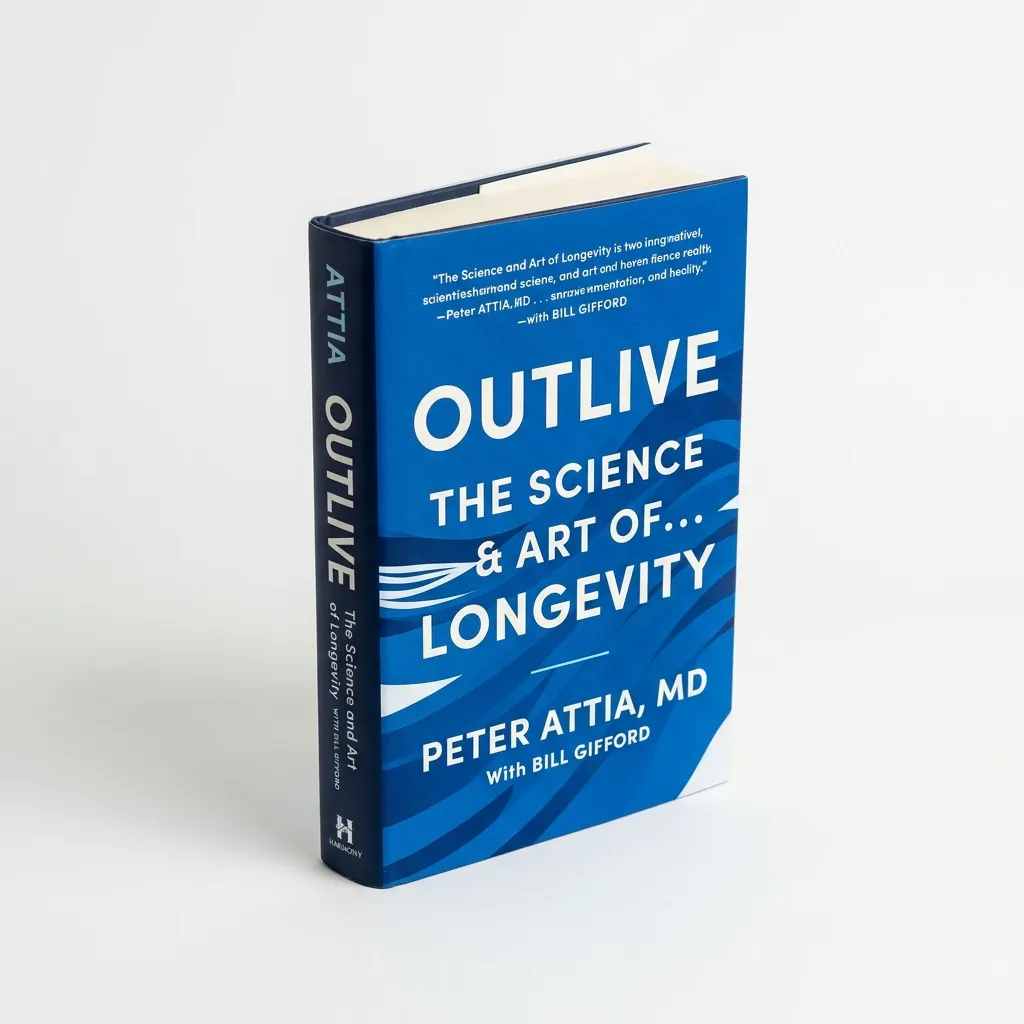
Outlive: The Science & Art of Longevity
Dr. Peter Attia's groundbreaking guide to preventive medicine, exercise for longevity, and healthy aging.
- Scientific framework for Medicine 3.0
- Actionable guide on sleep, exercise & nutrition
FAQ
Is berberine a natural alternative to GLP-1?
Only in a very loose conversational sense. It is not a direct professional replacement for GLP-1 treatment.
Is GLP-1 always better?
Not necessarily for everyone, but the evidence and the effect are generally stronger in the right patient groups.
Can you take both?
It is a question that should be assessed individually and not decided on the basis of generic Internet content alone.
Is berberine enough for obvious metabolic stress?
Not necessarily. In the case of greater metabolic risk or a clear need for medical intervention, a supplement track is often too narrow on its own.
Why is the comparison useful?
Because many users come across both terms in the same search process and need help to differentiate between them in a realistic way.
Can berberine and GLP-1 medications be taken concurrently?
This must never be undertaken without explicit physician authorization. Combining berberine with GLP-1 receptor agonists can compound gastrointestinal distress and significantly alter hepatic drug metabolism via CYP3A4 and P-glycoprotein pathways.
What is the most prudent first step before taking either substance?
Establish your objective cardiometabolic baseline: obtain an HbA1c and fasting lipid panel, log resting blood pressure, track body composition, and review your current medication profile with your doctor.
Sources and References
- [1]
- [2]
- [3]
- [4]
Show all 6 sources (2 more)
- [5]
- [6]
Editorial History
15. April 2026
First publication
Initial version was published as part of the metabolic health with introduction, takeaways, FAQ, and reference block.
15. April 2026
Medical review
Phrasing, caveats, and internal links were reviewed for clarity, consistency, and YMYL alignment.
4. July 2026
Latest update
Berberine vs GLP-1 received updated metadata, reference outputs, and improved decision-support structure.

Medical Review
Medical Review and Update Process
This article has been medically reviewed by Vadim Doroshenko with a focus on clinical accuracy, sources, disclaimers, and whether the conclusions still align with current scientific evidence.

Editorial Profile
Borys Viktorovytj Riabtsev
Borys Viktorovytj Riabtsev publishes Longevity Lab as a research-backed information project on precision medicine, metabolic health, and healthy aging, utilizing rigorous sources, independent medical review, and objective YMYL communication.