Key takeaways
- Menopause can make insulin resistance more likely or more visible, but this does not mean that the development is hopeless.
- Sleep, muscle mass, movement and stress load often play as big a role as the hormone change itself.
- Women's metabolic health in midlife requires more precise communication than classic wellness advice.
- Targeted resistance training, sufficient protein, and solid sleep hygiene are the three most effective tools for preserving insulin sensitivity.
Medical disclaimer: Content is for informational purposes and does not replace medical advice.
Why the body can react differently in menopause
When hormones change, sleep, appetite, fat distribution and recovery often change with it. This means that the same diet or the same level of activity does not necessarily give the same result as earlier in life. Endocrine Society Mayo Clinic
Therefore, many women experience that the waist increases, that the energy becomes more uneven, or that the glucose response seems less stable. It is important to explain without making it a fateful message. Endocrine Society Mayo Clinic
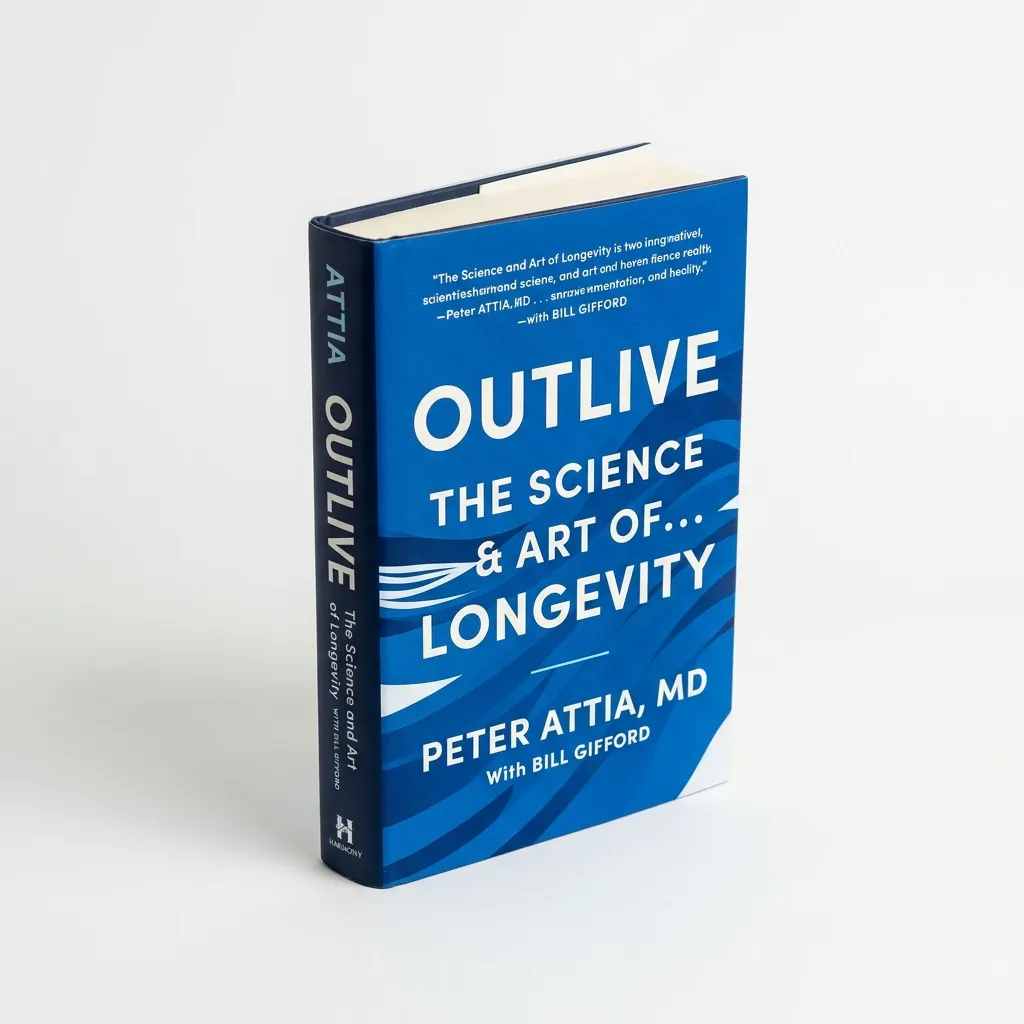
Outlive: The Science & Art of Longevity
Dr. Peter Attia's groundbreaking guide to preventive medicine, exercise for longevity, and healthy aging.
- Scientific framework for Medicine 3.0
- Actionable guide on sleep, exercise & nutrition
Sleep and muscle mass are often the forgotten drivers
When sleep becomes more unstable, appetite regulation, recovery and insulin sensitivity often deteriorate. At the same time, a decrease in muscle mass and strength means that the body loses some of its most important metabolic buffer. Mayo Clinic Mayo Clinic
Therefore, midlife strategies for women should rarely start with restriction alone. They should start with sleep, strength, protein and structured movement. Mayo Clinic Mayo Clinic
When technology can help
CGM, wearables and symptom tracking can be useful for some women in this phase because they provide a more concrete picture of how sleep, stress, exercise and meals interact. They make it easier to see patterns rather than guess. Mayo Clinic NIDDK
But the technology works best as a conversation support and reflection tool. It must not replace clinical assessment, especially if symptoms are severe or persistent. Mayo Clinic NIDDK
A better question than just weight
For many women, weight becomes the only measure, and that's too narrow. The question should instead be: do you get stronger, do you sleep better, do you feel more stable energy, and do your blood markers look better over time? NIDDK NHLBI
This is exactly the type of content that helps the reader navigate better — by focusing on measurable progress rather than abstract health trends. NIDDK NHLBI
How estrogen decline directly impacts insulin sensitivity
During the menopausal transition, diminishing ovarian 17beta-estradiol production fundamentally alters estrogen receptor signaling (predominantly ERalpha) across metabolic tissues. This loss triggers a phenotypic redistribution of adipose tissue from subcutaneous femorogluteal depots to visceral intra-abdominal compartments. Visceral fat is metabolically hyperactive, secreting an excess of free fatty acids and proinflammatory cytokines (such as TNF-alpha and IL-6) that directly inhibit insulin receptor substrate-1 (IRS-1) signaling in hepatocytes and skeletal myocytes. Endocrine Society Mayo Clinic Mayo Clinic
Concurrently, estrogen plays a crucial permissive role in the expression and translocation of glucose transporter 4 (GLUT4) to skeletal muscle cell membranes. Absent adequate ERalpha stimulation, insulin-stimulated muscle glucose uptake declines significantly, creating the physiological foundation for postprandial glucose excursions and insulin resistance even when caloric intake remains unchanged. Endocrine Society Mayo Clinic Mayo Clinic
Key physiological signals and biomarker tracking
Tracking midlife metabolic adaptation requires moving beyond isolated bathroom scale readings. Clinically informative indicators include waist circumference (reflecting visceral deposition), resting blood pressure, fasting lipid panels (particularly triglyceride-to-HDL ratio), fasting glucose, HbA1c, sleep architecture, and objective functional strength. Mayo Clinic NIDDK NHLBI
A multi-marker trend provides actionable clarity: when waist circumference, blood pressure, and triglycerides concurrently drift upward, they signify systemic cardiometabolic stress that merits proactive intervention rather than passive observation. Mayo Clinic NIDDK NHLBI
| Biomarker Signal | Pathophysiological Implication | Clinical & Lifestyle Response |
|---|---|---|
| Waist Circumference & Trajectory | Central visceral adipose deposition and hepatic fat accumulation | Prioritize progressive resistance training and optimize protein intake. |
| Sleep Fragmentation & Vasomotor Episodes | Elevated nocturnal sympathetic activation and blunted recovery | Assess circadian timing, bedroom temperature, and clinical options with a physician. |
| Blood Pressure & Lipid Fractions | Endothelial stiffening and atherogenic particle elevation | Schedule comprehensive lipid panels and baseline cardiometabolic review. |
Differentiating hormonal therapy from metabolic pharmacotherapy
Menopausal hormone therapy (MHT), GLP-1 receptor agonists, dietary supplements, and direct-to-consumer blood panels should not be conflated into a generic longevity checklist. They address distinct biological mechanisms and carry unique contraindications. MHT is prescribed according to clinical endocrine guidelines to alleviate vasomotor symptoms and prevent bone loss, whereas GLP-1 receptor agonists are indicated for explicit cardiometabolic and weight management thresholds. Endocrine Society Mayo Clinic
A structured clinical framework helps women and physicians address three fundamental questions: Which symptoms most acutely compromise daily quality of life, which objective lab parameters (HbA1c, lipids, liver transaminases) are abnormal, and which foundational lifestyle modifications must be established before pharmacotherapy is initiated? Endocrine Society Mayo Clinic
- Hormone therapy is a personalized medical prescription tailored to symptoms and cardiovascular risk profiles, not an over-the-counter wellness supplement.
- GLP-1 receptor agonists require precise cardiometabolic indications, medical oversight, and vigilant muscle preservation protocols.
- Private laboratory testing offers the greatest value when interpreted collaboratively with a physician rather than through isolated self-diagnosis.
Skeletal muscle reserve as the central metabolic sink
Metabolic health during midlife is primarily determined by skeletal muscle mass. Skeletal muscle accounts for more than 80% of postprandial glucose clearance. As systemic estrogen falls, age-related sarcopenia accelerates, further narrowing the body's glucose storage reservoir and magnifying insulin resistance. Mayo Clinic Mayo Clinic NIDDK NHLBI
Proactive midlife intervention therefore centers on building and preserving contractile muscle through progressive resistance training, adequate protein distribution across daily meals, and consistent tracking of waist-to-height ratio. This reframes the conversation from restrictive dieting to actively building metabolic resilience. Mayo Clinic Mayo Clinic NIDDK NHLBI
- Perform progressive resistance training at least 2 to 3 times weekly tailored to current strength capacity.
- Distribute high-quality protein evenly (25-35 g per primary meal) to stimulate muscle protein synthesis.
- Monitor waist circumference, blood pressure, and weight trends across months rather than obsessing over day-to-day fluid fluctuations.
- Treat severe sleep disturbances and nocturnal awakenings as meaningful metabolic stressors requiring clinical attention.
- Utilize annual laboratory blood panels (HbA1c, fasting glucose, comprehensive lipids) for objective longitudinal tracking.
Internal Further Reading
Read also in the same cluster

Smart Body Composition Scale
Advanced bioimpedance scale tracking muscle mass, body fat percentage, bone density and hydration.
- Tracks muscle mass & visceral fat
- Wireless sync with health apps
FAQ
Do all women become more insulin resistant in menopause?
No. But the risk and vulnerability can increase, especially if sleep, muscle mass and activity level deteriorate at the same time.
Can strength training really make a difference?
Yes. Strength and muscle mass are some of the most important metabolic protective factors in midlife.
Is CGM relevant in menopause?
For some it can provide useful insight into patterns, but it is not necessary for all and should be used with care.
Should every woman transitioning through menopause use a continuous glucose monitor?
No. Routine continuous glucose monitoring (CGM) is not clinically indicated for everyone. Annual fasting glucose and HbA1c testing through primary care, combined with waist circumference and blood pressure monitoring, provide robust screening for non-diabetic individuals.
Is midlife weight gain always driven by insulin resistance?
Not necessarily. Midlife weight changes often reflect decreased resting metabolic rate, age-related sarcopenia, and reduced spontaneous physical activity (NEAT). However, a preferential shift toward abdominal visceral fat storage strongly signals emerging insulin resistance.
Sources and References
- [1]
- [2]
- [3]
- [4]
Show all 5 sources (1 more)
- [5]
Editorial History
15. April 2026
First publication
Initial version was published as part of the metabolic health with introduction, takeaways, FAQ, and reference block.
15. April 2026
Medical review
Phrasing, caveats, and internal links were reviewed for clarity, consistency, and YMYL alignment.
9. June 2026
Latest update
Menopause and insulin resistance received updated metadata, reference outputs, and improved decision-support structure.

Medical Review
Medical Review and Update Process
This article has been medically reviewed by Vadim Doroshenko with a focus on clinical accuracy, sources, disclaimers, and whether the conclusions still align with current scientific evidence.

Editorial Profile
Borys Viktorovytj Riabtsev
Borys Viktorovytj Riabtsev publishes Longevity Lab as a research-backed information project on precision medicine, metabolic health, and healthy aging, utilizing rigorous sources, independent medical review, and objective YMYL communication.