Key takeaways
- The composition of the intestinal flora directly affects how your body absorbs nutrients, regulates blood sugar and stores fat.
- High diversity in gut bacteria is associated with lower risk of insulin resistance, obesity and metabolic syndrome.
- Dietary fiber, fermented foods and polyphenol-rich vegetables are the best tools to improve your gut flora.
- Probiotics can be helpful in specific situations, but diet is far more important for day-to-day microbial health.
Medical disclaimer: Content is for informational purposes and does not replace medical advice.
What is intestinal flora and why does it matter for the metabolism?
The gut flora — also called the gut microbiome — is the total population of bacteria, viruses, fungi and other microorganisms that live in your gut. In a healthy adult, the microbiome weighs around 1-1.5 kg and contains hundreds of different bacterial species. The most dominant groups are Firmicutes and Bacteroidetes, and the relationship between them has been shown to be associated with obesity and metabolic health. PMID 32528128 PMID 33859164
The intestinal bacteria are not passive residents — they almost function as an extra organ that produces vitamins, breaks down dietary fibre, regulates the immune system and affects the hormonal balance. When the bacteria break down dietary fibre, they form short-chain fatty acids such as butyrate, acetate and propionate. These substances are fuel for the intestinal cells, reduce inflammation (an anti-inflammatory diet can be a big help here) and affect appetite-regulating hormones such as GLP-1 and PYY. PMID 32528128 PMID 33859164
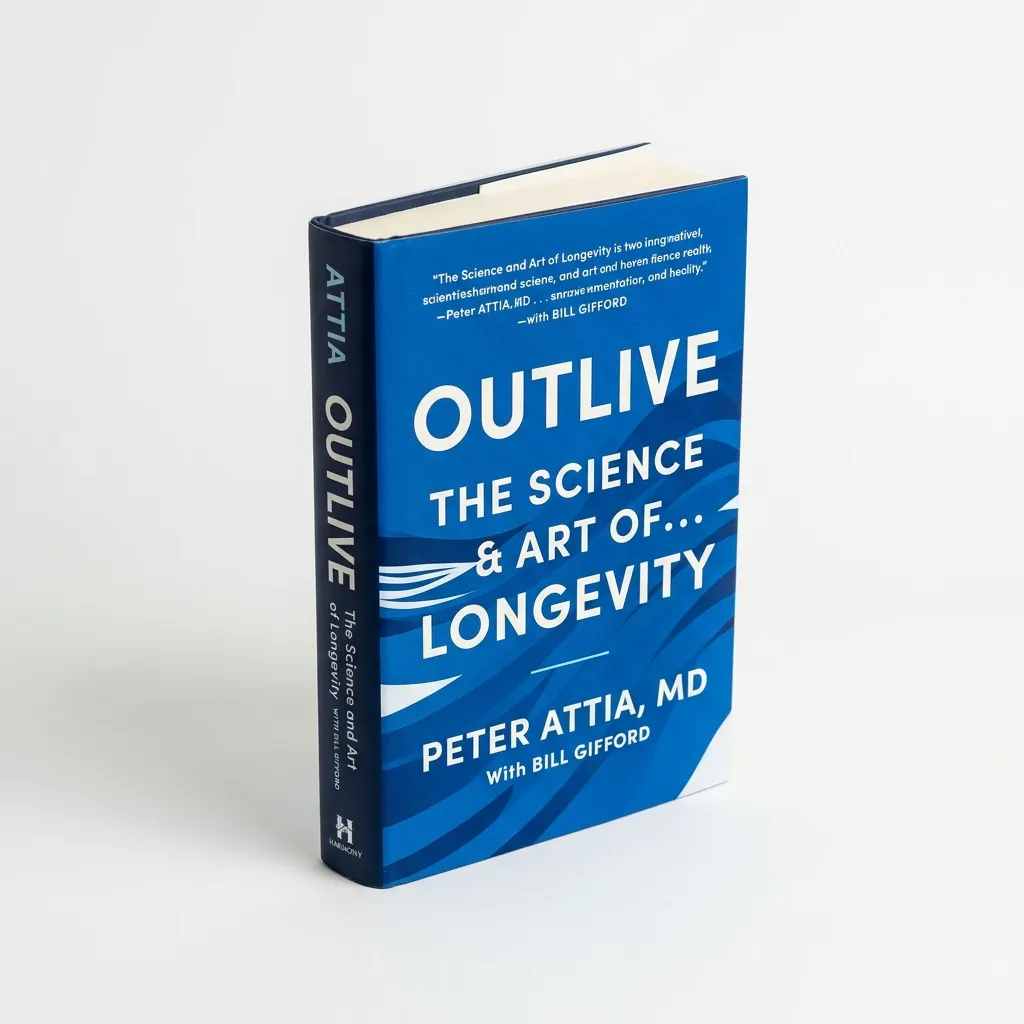
Outlive: The Science & Art of Longevity
Dr. Peter Attia's groundbreaking guide to preventive medicine, exercise for longevity, and healthy aging.
- Scientific framework for Medicine 3.0
- Actionable guide on sleep, exercise & nutrition
How does the intestinal flora affect weight and insulin?
Research shows that people who are overweight and insulin resistant often have a different composition of gut bacteria than lean, metabolically healthy people. The most consistent finding is a lower diversity and an altered relationship between Firmicutes and Bacteroidetes—however, this relationship is simplistic, and recent research indicates that it is specific bacterial species and their function that matter most. PMID 32528128 PMID 30922199 PMID 31708915
Gut bacteria influence weight and insulin through several mechanisms. They regulate how much energy is extracted from food — some bacteria are more efficient at extracting calories than others. They affect gut permeability — a leaky gut can allow bacterial components to seep into the bloodstream and trigger systemic inflammation, which is a key driver of insulin resistance. And they produce signaling substances that affect the appetite center in the brain through the gut-brain axis. PMID 32528128 PMID 30922199 PMID 31708915
| Microbial Mechanism | Physiological Target in Body | Impact on Metabolic Health | Clinical Strategy |
|---|---|---|---|
| SCFA Production (Butyrate / Acetate) | Intestinal enterocytes, liver, and brain | Improves insulin sensitivity, suppresses appetite, and protects gut barrier | Increase prebiotic fiber, resistant starch, and diverse plant species (30+/week) |
| LPS Endotoxemia Translocation | Circulating immune toll-like receptors (TLR4) | Triggers chronic low-grade inflammation, insulin resistance, and visceral adiposity | Eliminate ultra-processed seed oils, treat dysbiosis, and supplement L-glutamine |
| Secondary Bile Acid Metabolism | TGR5 and FXR nuclear receptors | Stimulates brown adipose thermogenesis and optimizes lipid handling | Consume polyphenol-rich berries, olive oil, and unrefined fermented botanicals |
Dietary fiber — the most important thing you can do for your intestinal flora
Dietary fiber is the single most important factor for a healthy intestinal flora. Fibers are carbohydrates that human enzymes cannot break down — but your gut bacteria can. When the bacteria ferment the fiber, they produce short-chain fatty acids, which are essential for metabolic health. Danish dietary guidelines recommend at least 30 grams of fiber daily, but most Danes only get about 20 grams. PMID 33859164 PMID 34256014 PMID 32152552
Different fibers feed different bacteria — that's why diversity in fiber sources is important. Soluble fibers from oats, barley, legumes and fruit ferment quickly and provide rapid SCFA production. Insoluble fiber from whole grains, nuts and vegetables acts more as a bulking agent to keep the bowel movement moving. Prebiotics — such as inulin and FOS — are particularly effective in stimulating the growth of beneficial bifidobacteria. PMID 33859164 PMID 34256014 PMID 32152552
Fermented foods, polyphenols and probiotics
Fermented foods such as yogurt, kefir, sauerkraut, kimchi and kombucha contain live bacterial cultures that can contribute to the diversity of the intestinal flora. A randomized study from Stanford found that people who ate fermented foods daily for 10 weeks had increased microbial diversity and reduced markers of inflammation — an effect that was stronger than for people who increased their fiber intake alone. PMID 33859164 PMID 34256014
Polyphenols — plant substances from berries, dark chocolate, green tea, olive oil and coffee — also act as prebiotics because gut bacteria can convert them into bioactive compounds with anti-inflammatory effects. Probiotics as dietary supplements can be useful in specific situations — for example after antibiotic courses or with irritable bowel syndrome — but for healthy people the effect is less predictable because the added bacteria often do not colonize the intestine permanently. PMID 33859164 PMID 34256014
What harms the intestinal flora?
Several factors in a modern lifestyle can damage the diversity and function of the intestinal flora. Antibiotics are the most dramatic — a single course of antibiotics can significantly reduce diversity for weeks to months. Ultra-processed foods with emulsifiers, preservatives and artificial sweeteners have been shown in animal studies to disrupt the mucus layer in the gut and change the bacterial composition. Chronic stress, poor sleep and a sedentary lifestyle also negatively affect the gut flora through the gut-brain axis. PMID 32528128 PMID 30922199 PMID 32152552
Regular exercise, on the other hand, has a positive effect — exercise increases the production of short-chain fatty acids and promotes diversity independently of diet. This is another mechanism through which physical activity protects against metabolic disease. PMID 32528128 PMID 30922199 PMID 32152552
Internal Further Reading
Read also in the same cluster

Smart Body Composition Scale
Advanced bioimpedance scale tracking muscle mass, body fat percentage, bone density and hydration.
- Tracks muscle mass & visceral fat
- Wireless sync with health apps
FAQ
Can I test my intestinal flora?
Yes, there are commercial microbiome tests, but the interpretation is complex. Diversity data can be interesting, but tests cannot yet be used to prescribe specific dietary changes with clinical certainty.
Should I take probiotics daily?
For healthy individuals, daily probiotics are not necessary. Focus on dietary fiber and fermented foods — these have better evidence of supporting gut flora.
How quickly can I change my gut flora?
Gut flora changes within 24-48 hours of a dietary change, but stable, sustained changes require weeks to months of consistent dietary habits.
Are sauerkraut and kefir as good as supplements?
For most, fermented foods are better than probiotic supplements — they contain a wider range of bacterial strains and have better evidence of effect on diversity and inflammation.
Sources and References
- [1]
- [2]
- [3]
- [4]
Show all 6 sources (2 more)
- [5]
- [6]
Editorial History
21. June 2026
First publication
Initial version was published as part of the metabolic health with introduction, takeaways, FAQ, and reference block.
21. June 2026
Medical review
Phrasing, caveats, and internal links were reviewed for clarity, consistency, and YMYL alignment.
21. June 2026
Latest update
Gut flora and metabolic health received updated metadata, reference outputs, and improved decision-support structure.

Medical Review
Medical Review and Update Process
This article has been medically reviewed by Vadim Doroshenko with a focus on clinical accuracy, sources, disclaimers, and whether the conclusions still align with current scientific evidence.

Editorial Profile
Borys Viktorovytj Riabtsev
Borys Viktorovytj Riabtsev publishes Longevity Lab as a research-backed information project on precision medicine, metabolic health, and healthy aging, utilizing rigorous sources, independent medical review, and objective YMYL communication.