Key takeaways
- Insulin resistance means that the body needs more insulin to achieve the same effect as before.
- It's not just a diabetes word, but a key signal of metabolic strain and future risk.
- Waist circumference, activity, sleep, muscle mass and diet quality often matter more than a single hack or supplement.
- Early understanding and early action are far more important than waiting for a later diagnosis.
Medical disclaimer: Content is for informational purposes and does not replace medical advice.
What insulin resistance really means
Insulin is a hormone that, among other things, helps glucose get from the blood into the cells. With insulin resistance, this system becomes less efficient, and the body often compensates by producing more insulin for a period of time. This means that blood samples can look pretty good at first, while the load is still growing in the background. NIDDK American Diabetes Association
This is precisely why the topic takes up so much space in longevity and prevention. Insulin resistance overlaps with weight regulation, fatty liver, inflammation, energy fluctuations and later cardiometabolic disease. It is not just a laboratory problem, but a system problem. NIDDK American Diabetes Association
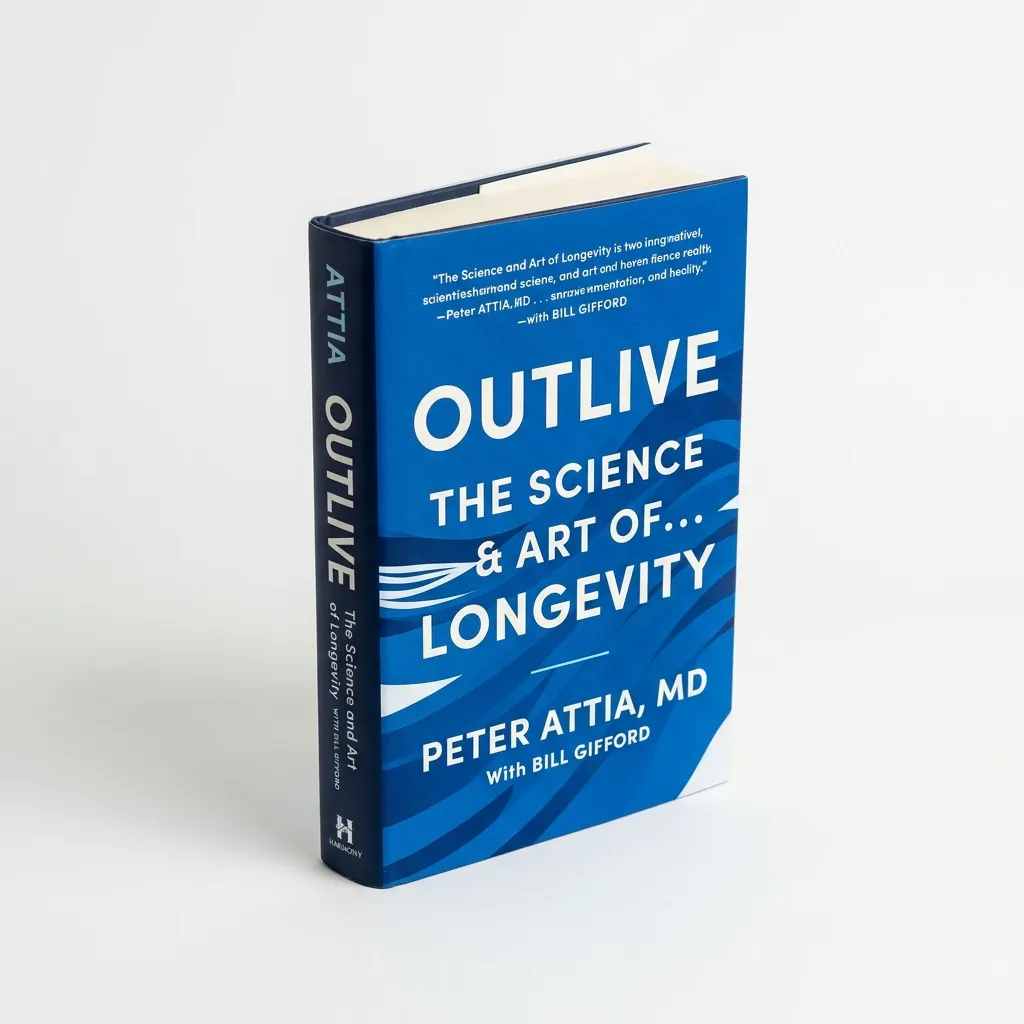
Outlive: The Science & Art of Longevity
Dr. Peter Attia's groundbreaking guide to preventive medicine, exercise for longevity, and healthy aging.
- Scientific framework for Medicine 3.0
- Actionable guide on sleep, exercise & nutrition
How it turns out in practice
Some feel very little at first. Others experience more hunger, a greater need to snack, poorer energy after meals, more difficult weight loss or greater fatigue at the end of the day. But symptoms alone are not enough to draw conclusions. NIDDK NHLBI
It is better to combine symptoms with context: waist circumference, family history, activity level, sleep quality, blood pressure, fasting glucose, triglycerides and possibly CGM or other data. It gives a much better picture of the direction. NIDDK NHLBI
Which tests make the most sense?
It's tempting to chase advanced metrics right away, but in practice the most useful data is often quite classic: fasting glucose, HbA1c, blood pressure, lipids, waist circumference and body composition. It provides a good starting point for most people. American Diabetes Association CDC American Diabetes Association
CGM can be an extra layer for some, especially if the goal is to understand meal response and behavior. But it is important to remember that sensors show dynamics, not just a diagnosis. Precision medicine should start with action relevance, not with impressing. American Diabetes Association CDC American Diabetes Association
A simple assessment of the signals
The table below shows which clinical signals point most clearly towards systemic metabolic stress. It is not an isolated diagnostic verdict, but an actionable decision filter to help prioritize interventions. NIDDK American Diabetes Association NHLBI
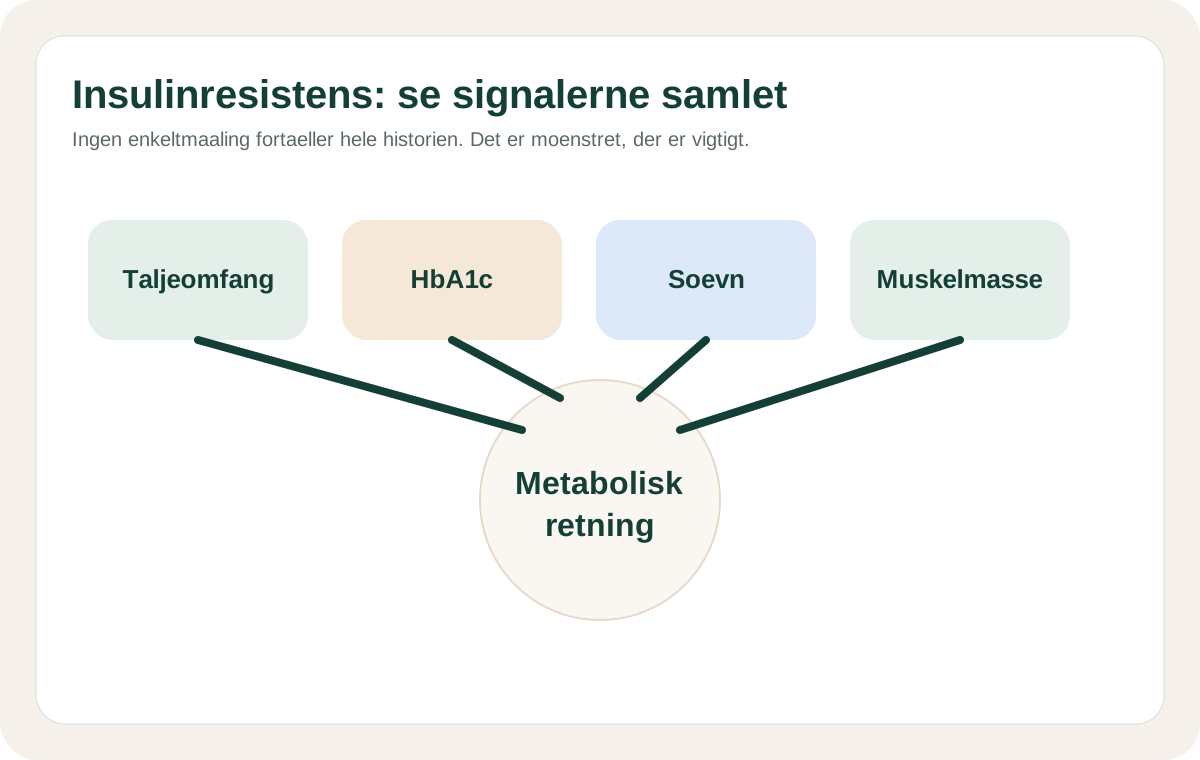
| Clinical Signal | Why It Matters | Evidence-Based Next Step |
|---|---|---|
| Waist Circumference | Primary proxy for visceral adipose tissue and portal fatty acid influx | Structured caloric moderation, daily walking, and meal timing |
| HbA1c & Fasting Glucose | Captures long-term glycemic control and hepatic gluconeogenesis | Obtain clinical laboratory context, optimize dietary carbohydrate quality |
| Low Skeletal Muscle Mass | Reduces peripheral glucose disposal capacity (>80% occurs in muscle) | Prioritize progressive resistance training and 1.6–2.0 g/kg protein intake |
| Fragmented Sleep Architecture | Elevates nocturnal cortisol and sympathetic tone, impairing morning insulin sensitivity | Anchor sleep-wake rhythm, restrict blue light, and evaluate sleep apnea risk |
How the new comparisons fit in
If you are in doubt about the measurements, it makes sense to separate HbA1c, fasting glucose and CGM first. They answer different questions: long-term average, fasting blood value and everyday dynamics. Therefore, a sensor should not be used as a substitute for clinical assessment. American Diabetes Association NHLBI CDC
The same applies to the terms metabolic syndrome and insulin resistance. They overlap but are not the same: insulin resistance describes a mechanism, while metabolic syndrome is an overall risk pattern. If GLP-1, CGM or finger prick become part of the considerations, they must be seen as data in a broader plan, not as shortcuts to a diagnosis. American Diabetes Association NHLBI CDC
What actually works
The most robust interventions are still also the least glamorous: less overeating, more exercise, better sleep, greater muscle mass and lower metabolic burden over time. Zone 2 training and strength training are a powerful combination because they improve both glucose handling and reserve capacity. NIDDK American Diabetes Association Mayo Clinic
For some, medical treatment or more advanced monitoring may be appropriate. But it's important to be clear: the best metabolic strategy is rarely a single pill. It's a structure you can implement week after week. NIDDK American Diabetes Association Mayo Clinic
Internal Further Reading
Read also in the same cluster
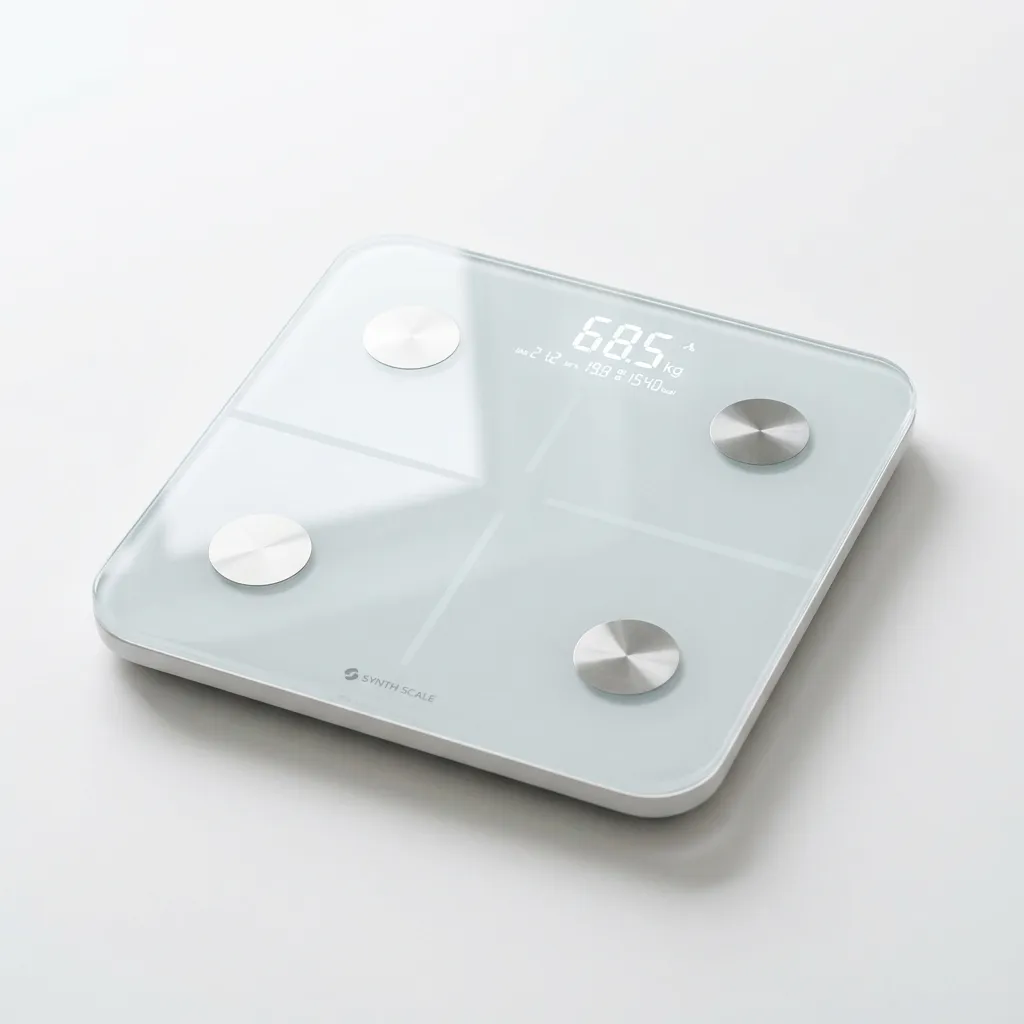
Smart Body Composition Scale
Advanced bioimpedance scale tracking muscle mass, body fat percentage, bone density and hydration.
- Tracks muscle mass & visceral fat
- Wireless sync with health apps
FAQ
Can you have insulin resistance without being overweight?
Yes. Body weight alone does not tell the whole story. Genetics, fatty liver, low muscle mass, sleep and physical inactivity can also play a role.
Is insulin resistance the same as diabetes?
No. Insulin resistance often comes earlier and can be present long before type 2 diabetes develops.
Is insulin resistance the same as metabolic syndrome?
No. Insulin resistance typically describes a decreased response to insulin, while metabolic syndrome describes a cluster of risk factors such as waist circumference, blood pressure, triglycerides, HDL and glucose.
How quickly can insulin resistance be improved?
Early improvements can appear over weeks to months, but the timeline varies greatly with starting point, body composition, sleep, activity and how consistent the effort is.
What is the best place to start?
For most people, it makes the most sense to start with the biggest levers: activity, sleep, waist circumference, strength and a simpler diet structure.
Is insulin resistance only relevant for obese people?
No. Body composition, genetic predisposition, liver fat, sleep and physical capacity also play a role.
Sources and References
- [1]
- [2]
- [3]
- [4]
Show all 6 sources (2 more)
- [5]
- [6]
Editorial History
15. April 2026
First publication
Initial version was published as part of the metabolic health with introduction, takeaways, FAQ, and reference block.
15. April 2026
Medical review
Phrasing, caveats, and internal links were reviewed for clarity, consistency, and YMYL alignment.
24. April 2026
Latest update
What is insulin resistance and why does it matter so much received updated metadata, reference outputs, and improved decision-support structure.

Medical Review
Medical Review and Update Process
This article has been medically reviewed by Vadim Doroshenko with a focus on clinical accuracy, sources, disclaimers, and whether the conclusions still align with current scientific evidence.

Editorial Profile
Borys Viktorovytj Riabtsev
Borys Viktorovytj Riabtsev publishes Longevity Lab as a research-backed information project on precision medicine, metabolic health, and healthy aging, utilizing rigorous sources, independent medical review, and objective YMYL communication.