Key takeaways
- The Danish Health Authority recommends vitamin D in the winter for all adults, and 20 micrograms + calcium throughout the year for everyone over 70.
- Absorption of vitamin B12 decreases after 50 due to lower stomach acid production; gray zone values should be investigated with an MMA test.
- Creatine monohydrate (3-5 g daily) has strong evidence to counteract sarcopenia when combined with strength training.
- Protein is the foundation — healthy older people should consume 1.2-1.5 g of protein per kilogram of body weight daily to counteract muscle loss.
Medical disclaimer: Content is for informational purposes and does not replace medical advice.
Vitamin D and calcium — the Danish basic recommendation
Vitamin D is essential for the absorption of calcium in the intestine and thus for maintaining a healthy bone structure. In Denmark, the sun is too low in the winter months (October to April) for the skin to produce vitamin D itself from UV radiation. The Danish Health Authority therefore recommends a daily supplement of 5-10 micrograms of vitamin D in the winter for all healthy adults (including those aged 50-70) without special risk factors. Danish Health Authority Nordic Council of Ministers PMID 23867520
For people over 70, nursing home residents and people at increased risk of bone fragility (osteoporosis), the recommendation is significantly higher: 20 micrograms of vitamin D daily combined with 800-1000 mg of calcium throughout the year. However, many researchers in healthy aging believe that even healthy people between the ages of 50 and 70 can benefit from a higher supplement (e.g. 20-50 micrograms daily) to maintain an optimal blood level above 75 nmol/L throughout the year, as the skin's ability to synthesize vitamin D decreases with age. Danish Health Authority Nordic Council of Ministers PMID 23867520
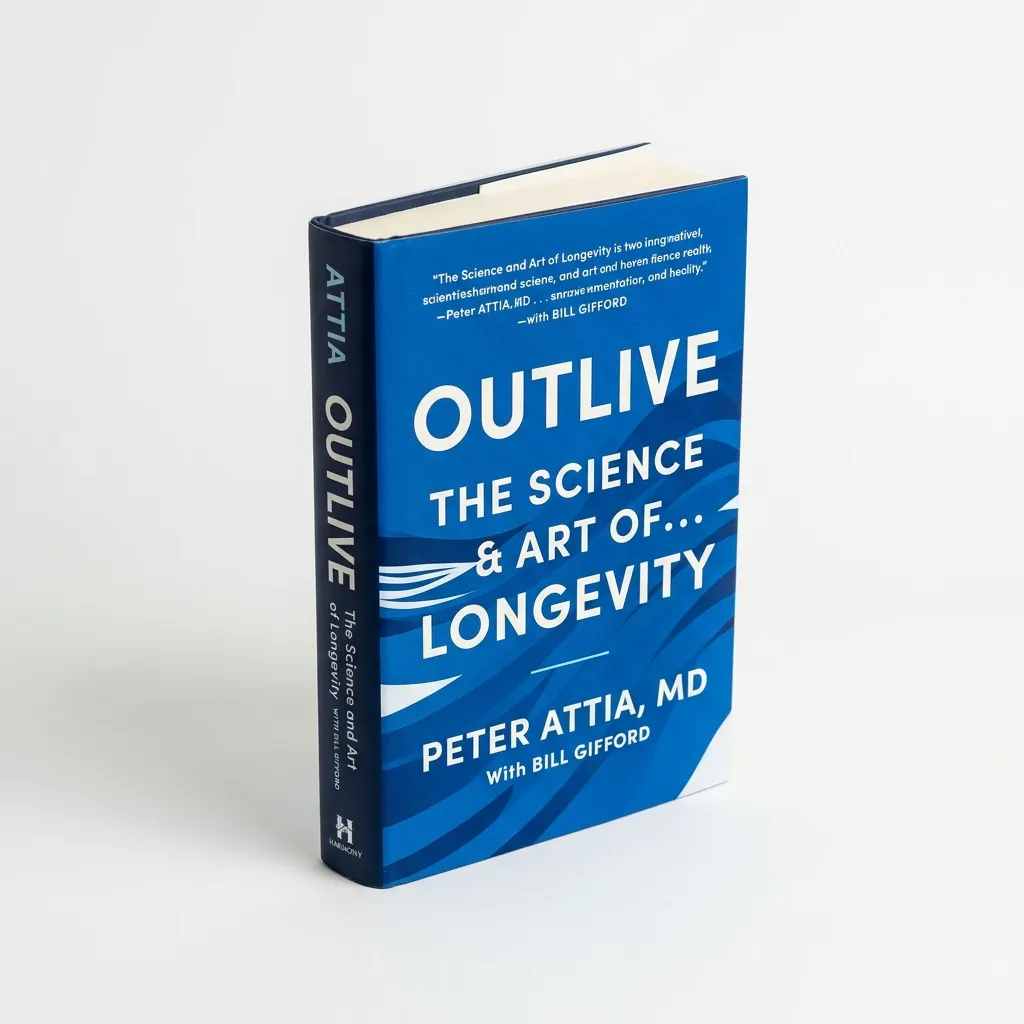
Outlive: The Science & Art of Longevity
Dr. Peter Attia's groundbreaking guide to preventive medicine, exercise for longevity, and healthy aging.
- Scientific framework for Medicine 3.0
- Actionable guide on sleep, exercise & nutrition
Vitamin B12 and folate — absorption and the nervous system
Vitamin B12 (cobalamin) is found exclusively in animal foods such as meat, fish, eggs and dairy products. In order to absorb B12 in the intestine, stomach acid and a protein called 'intrinsic factor', which is produced in the stomach, are required. With age, stomach acid production naturally declines in many people (a condition called atrophic gastritis), making it harder to release and absorb B12 from the diet. Lack of B12 can lead to anemia (lack of blood), irreversible nerve damage, balance problems and cognitive decline. PMID 23867520 PMID 28615996
If your blood tests show a B12 level in the gray zone between 125 and 250 pmol/L, you shouldn't ignore it. Ask your doctor to supplement with a measurement of methyl malonate (MMA). An elevated MMA (above 0.28 µmol/L) confirms that there is a real functional deficiency of B12 in the cells. If you have reduced absorption, a daily oral supplement of B12 (eg 9-10 micrograms or more in the form of methylcobalamin) may be necessary to keep levels optimal. PMID 23867520 PMID 28615996
Magnesium — sleep, muscles and metabolism
Magnesium is involved in more than 300 enzymatic processes in the body, including energy production, muscle contraction, regulation of blood pressure and glucose metabolism. Many Danes do not meet their magnesium needs through the diet, which should primarily come from green leafy vegetables, nuts, seeds and whole grains. In addition, certain types of medication (e.g. diuretics and antacids for the stomach), which are often used after 50, can increase the excretion of magnesium in the urine. PMID 23867520 PMID 34730133
In longevity, magnesium is popular for its ability to support the nervous system and improve sleep quality. Magnesium glycinate is particularly suitable for evening use, as the amino acid glycine has a calming effect on the brain. Magnesium citrate is another organic form that is well absorbed, but in high doses can have a mild laxative effect. The recommended daily dose for adults is approximately 300-400 mg of elemental magnesium. PMID 23867520 PMID 34730133
Creatine monohydrate after 50 — support for strength and brain
Creatine is one of the most well-documented supplements in the world. It is stored in the muscles as phosphocreatine and is used for rapid energy generation during short-term, intensive work (such as strength training). Traditionally, creatine has been used by young bodybuilders, but recent research shows that it has tremendous potential for adults over 50. After the age of 50, we naturally begin to lose muscle mass and fast-twitch muscle fibers. Creatine supplementation combined with strength training can significantly increase muscle strength, improve functional capacity in everyday life and counteract sarcopenia. PMID 23867520
In addition, there is growing evidence that creatine supports cellular energy in the brain. This can counteract mental fatigue and support cognitive functions, especially during sleep deprivation or stress. The most documented and safe form is regular creatine monohydrate. A daily dose of 3-5 grams is sufficient, and there is no need for a 'loading phase' with high doses at the start. PMID 23867520
| Supplement / Nutrient | Evidence-Based Indication (50+) | Recommended Dosage | Primary Longevity Rationale |
|---|---|---|---|
| Vitamin D3 + K2 (MK-7) | Bone mineral density and arterial calcification prevention | 2,000–4,000 IU D3 + 100–200 µg K2 | Facilitates calcium transport into bone matrix while protecting arterial elasticity |
| Creatine Monohydrate | Sarcopenia prevention, strength, and cognitive reserve | 3–5 g daily (no loading required) | Enhances muscular ATP resynthesis and maintains functional motor unit power |
| Omega-3 Fatty Acids (EPA/DHA) | Cardiovascular protection, triglyceride control, neuroinflammation | 2,000–3,000 mg total (≥ 1,000 mg EPA/DHA) | Lowers cardiovascular risk and generates specialized pro-resolving mediators (SPMs) |
| Magnesium (Glycinate or Malate) | Sleep latency, muscle relaxation, insulin sensitivity | 300–400 mg elemental magnesium evening | Essential cofactor for over 300 enzymatic processes including ATP synthesis |
Protein — the most important 'supplement' after 50
Although protein is not a dietary supplement in traditional pill form, it is by far the most important nutrient for maintaining muscle mass and metabolic health after 50. With age, the body develops a certain degree of 'anabolic resistance' — meaning that the muscles require a greater amount of amino acids (especially the amino acid leucine) to stimulate the same muscle protein synthesis as in younger people. Nordic Council of Ministers
The official recommendation for healthy adults has long been 0.83 grams of protein per kilogram of body weight per day. But in the latest Nordic nutrient recommendations and in longevity research, it is recommended that adults over 65 (and many over 50) consume **1.2-1.5 grams of protein per kilo of body weight daily**. For a person of 70 kg, this corresponds to 84-105 grams of protein per day. To optimize absorption, this protein should be distributed over 3-4 meals with at least 25-30 grams of protein per meal. Nordic Council of Ministers
Internal Further Reading
Read also in the same cluster
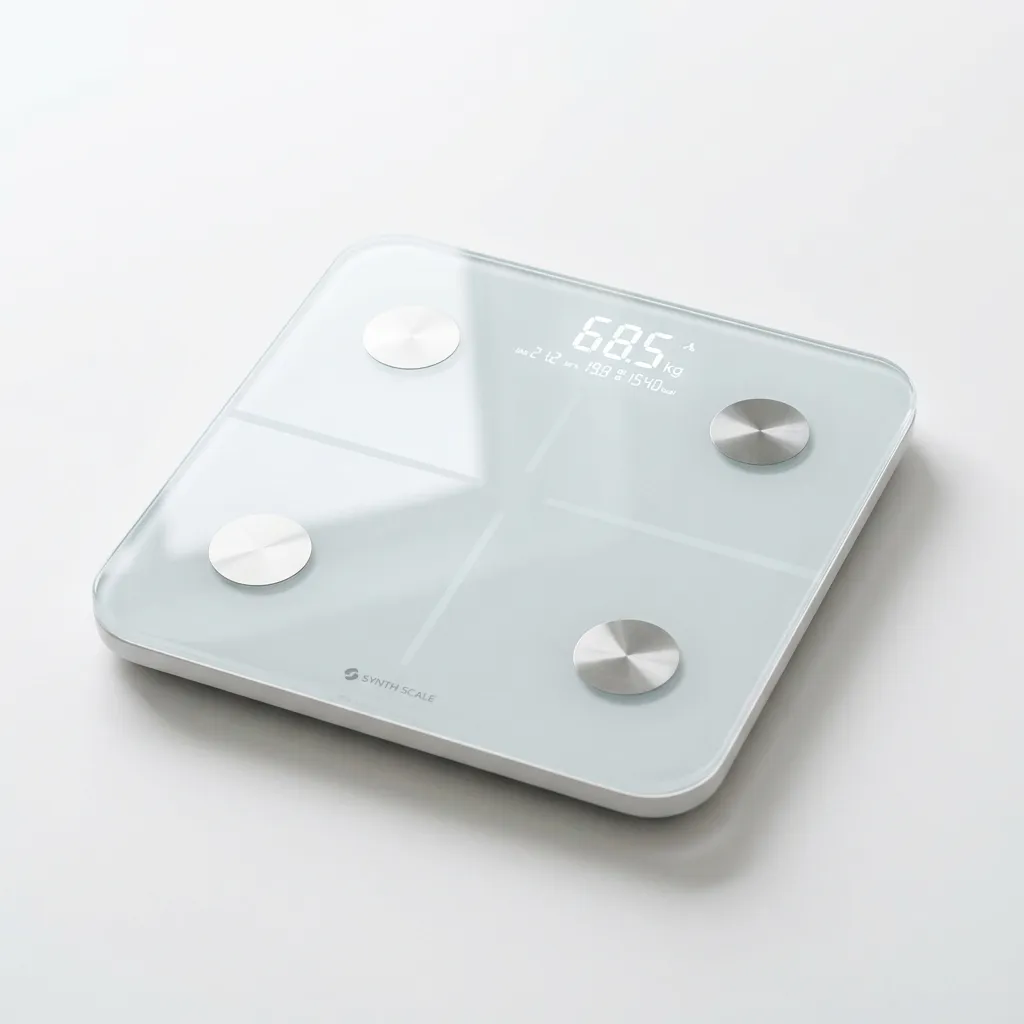
Smart Body Composition Scale
Advanced bioimpedance scale tracking muscle mass, body fat percentage, bone density and hydration.
- Tracks muscle mass & visceral fat
- Wireless sync with health apps
FAQ
How much vitamin D should I take if I'm 55?
The Danish Health Authority recommends 5-10 micrograms of vitamin D daily in the winter (October to April) for all adults under 70 years of age. If you rarely go out in the sun, or if your blood tests show a level below 50 nmol/L, a supplement of 20 micrograms throughout the year may be more appropriate.
Is creatine dangerous for the kidneys in the elderly?
No. In healthy people with normal kidney function, creatine supplementation in doses of 3-5 grams per day is extremely safe and well-documented. However, creatine can slightly increase the level of creatinine in the blood (since creatinine is a waste product from creatine), which can give a false impression of reduced kidney function in blood tests (eGFR). Always inform your doctor that you are taking creatine before having blood tests.
What form of magnesium is best for muscle cramps and trouble sleeping?
Magnesium glycinate (or bisglycinate) is generally the best choice for evening use, as it is absorbed very well and the amino acid glycine supports deep and restful sleep. Magnesium citrate is also a good and cheap alternative, but in larger doses can cause a loose stomach. Avoid magnesium oxide as it is largely unabsorbed.
Can't I just get enough protein through my normal diet?
Yes, it is absolutely possible, but it requires attention. Many people over 50 naturally experience a smaller appetite and eat smaller portions. To reach 90-100 grams of protein per day, you must actively include good sources of protein (eg chicken, fish, eggs, cottage cheese, beans or lentils) with all your main meals.
Sources and References
- [1]
- [2]
- [3]
- [4]
Show all 5 sources (1 more)
- [5]
Editorial History
11. June 2026
First publication
Initial version was published as part of the healthy aging with introduction, takeaways, FAQ, and reference block.
11. June 2026
Medical review
Phrasing, caveats, and internal links were reviewed for clarity, consistency, and YMYL alignment.
11. June 2026
Latest update
Dietary supplements after 50 received updated metadata, reference outputs, and improved decision-support structure.

Medical Review
Medical Review and Update Process
This article has been medically reviewed by Vadim Doroshenko with a focus on clinical accuracy, sources, disclaimers, and whether the conclusions still align with current scientific evidence.

Editorial Profile
Borys Viktorovytj Riabtsev
Borys Viktorovytj Riabtsev publishes Longevity Lab as a research-backed information project on precision medicine, metabolic health, and healthy aging, utilizing rigorous sources, independent medical review, and objective YMYL communication.