Key takeaways
- Inflammaging is a pattern, not a single diagnosis.
- Metabolic dysfunction, poor sleep, inactivity and senescent cells may contribute simultaneously.
- The most effective countermeasures are often classic: exercise, sleep, weight reduction when needed and risk management.
- Biological markers must always be interpreted in a clinical context.
Medical disclaimer: Content is for informational purposes and does not replace medical advice.
Where inflammaging comes from
Aging brings about gradual changes in the immune system, tissue repair and metabolism. At the same time, fat tissue, intestinal barrier, infections, stress and senescent cells can contribute to a more proinflammatory signaling environment. PMID 30042442 PMID 31806857
It is precisely the interaction between these factors that makes inflammaging relevant. You don't necessarily get acutely ill from it, but you often lose resilience and reserve over time. PMID 30042442 PMID 31806857
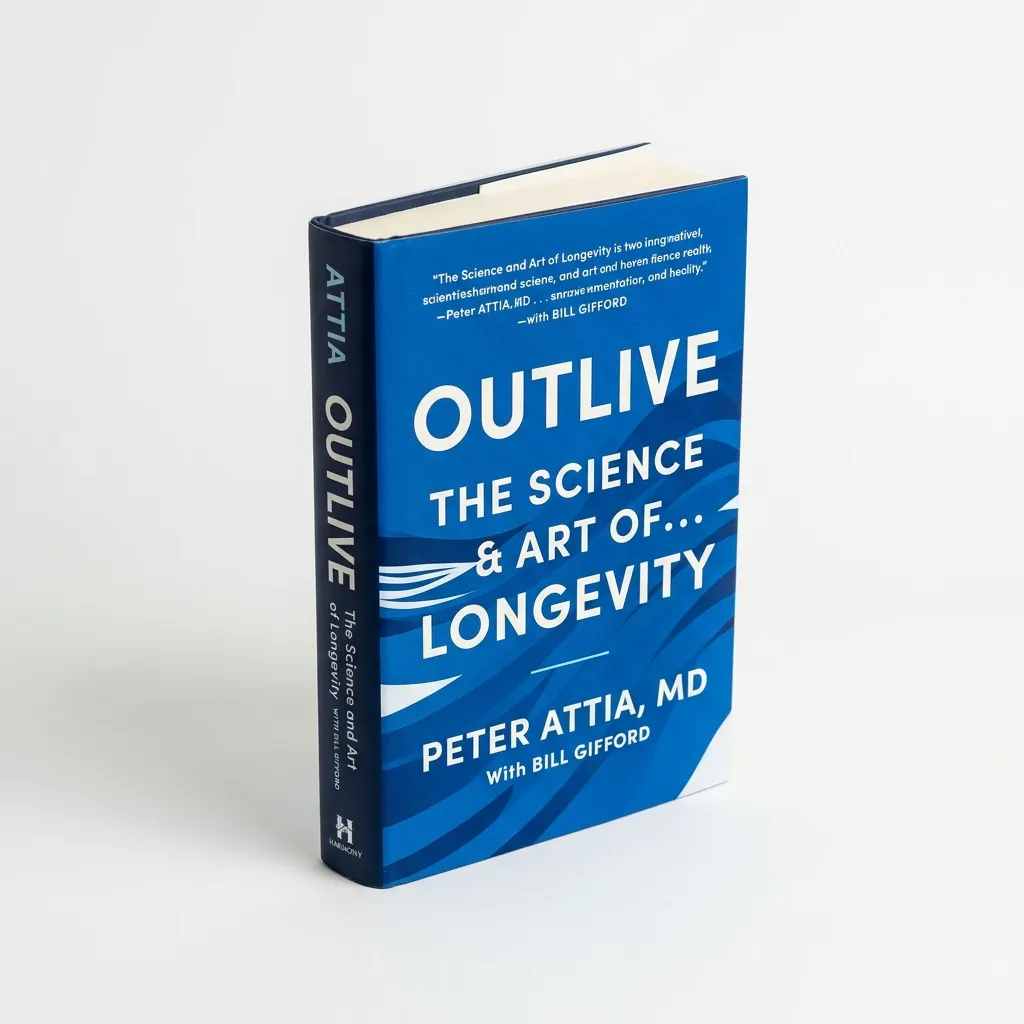
Outlive: The Science & Art of Longevity
Dr. Peter Attia's groundbreaking guide to preventive medicine, exercise for longevity, and healthy aging.
- Scientific framework for Medicine 3.0
- Actionable guide on sleep, exercise & nutrition
Why metabolic health matters so much
Metabolic health is a high-value theme in longevity for good reason. Visceral fat mass, insulin resistance and low physical activity have close links to inflammatory signals and lower physiological flexibility. PMID 31806857 PMID 33289900
Therefore, it makes sense that CGM, blood tests, body composition and fitness take up more space in modern clinics. They are not perfect metrics, but they provide more useful direction than abstract promises. PMID 31806857 PMID 33289900
Senescence, mitochondria and the future of data
Inflammaging overlaps with several core ideas in longevity, including cellular senescence, mitochondrial dysfunction, and loss of tissue repair. This is part of the reason why senolytics, NAD+ tracks, and regenerative approaches are attracting so much attention. PMID 33289900 U.S. Department of Health and Human Services
AI, multiomics and digital biomarkers are likely to improve risk assessment and personalization over time. But right now, many of these promises are earlier in translation into clinical practice than the marketing suggests. PMID 33289900 U.S. Department of Health and Human Services
What you can actually do
The most realistic strategy is to reduce the major drivers: poor sleep, physical inactivity, low muscle mass, overconsumption of ultra-processed food, smoking and untreated risk factors. There is no single anti-inflammatory hack that can replace this. U.S. Department of Health and Human Services NHLBI
Zone 2, strength training, weight control when needed and good sleep hygiene often provide more than advanced protocols. It sounds less futuristic, but is often more effective. U.S. Department of Health and Human Services NHLBI
Why inflammaging cannot be reduced to supplement marketing
Inflammaging is a scientifically validated concept describing chronic, sterile, low-grade systemic inflammation that accelerates biological aging. However, commercial narratives frequently oversimplify it into a pretext for selling exotic antioxidant blends. A rigorous approach focuses on underlying biology: immunosenescence, metabolic overload, cellular senescence, and the progressive exhaustion of physiological reserve. PMID 30042442 PMID 31806857 PMID 33289900
Addressing inflammaging requires recognizing that multiple physiological drivers interact to sustain this state. Consequently, the most powerful countermeasures remain foundational lifestyle interventions—improving metabolic body composition, optimizing sleep, and structured exercise—rather than relying on unproven pills. PMID 30042442 PMID 31806857 PMID 33289900
- Prioritize metabolic health, visceral fat reduction, and lean muscle mass preservation.
- Master sleep continuity, stress resilience, and regular exercise before exploring experimental protocols.
- View senolytics and NAD+ precursors as speculative research areas rather than proven clinical cures.
The key biological drivers of inflammaging
Inflammaging is driven by interconnected biological processes forming a self-reinforcing network: cellular senescence, visceral adipose expansion, gut mucosal barrier permeability (endotoxemia), chronic subclinical infections, immunosenescence, and mitochondrial oxidative decay. These mechanisms operate synergistically rather than in isolation. PMID 30042442 PMID 31806857 PMID 33289900 NHLBI
Sustained mitigation requires tackling several nodes simultaneously: reducing central adiposity, optimizing restorative sleep, exercising consistently, maintaining high fiber intake to preserve the gut microbiome, and mitigating chronic psychological distress. PMID 30042442 PMID 31806857 PMID 33289900 NHLBI
| Biological Driver | Pathophysiological Mechanism | Evidence-Based Intervention |
|---|---|---|
| Visceral Adiposity | Continuous secretion of inflammatory cytokines (TNF-alpha, IL-6) | Caloric balance, progressive resistance training, sleep quality. |
| Cellular Senescence | Paracrine SASP (senescence-associated secretory phenotype) | Aerobic endurance exercise and emerging senotherapeutic science. |
| Immunosenescence | Blunted immune surveillance and accumulation of memory T cells | Regular physical activity, infection mitigation, vaccination. |
| Gut Barrier Permeability | Translocation of bacterial lipopolysaccharides (LPS) into blood | Diverse dietary fiber, polyphenols, and fermented foods. |
How physical exercise potently counteracts inflammaging
Skeletal muscle functions as an endocrine organ. Contracting muscle fibers release myokines—predominantly interleukin-6 (IL-6)—which act in a hormone-like manner to stimulate systemic anti-inflammatory cascades, inducing anti-inflammatory cytokines such as IL-10 and IL-1 receptor antagonists (IL-1ra) while suppressing TNF-alpha. PMID 30042442 U.S. Department of Health and Human Services National Institute on Aging
Both endurance and resistance training exert distinct, complementary anti-inflammatory effects. Aerobic conditioning improves mitochondrial quality and vascular endothelial health, while resistance training enhances glucose disposal and reduces the metabolic stress that fuels chronic low-grade inflammation. PMID 30042442 U.S. Department of Health and Human Services National Institute on Aging
- Sustained aerobic exercise induces an anti-inflammatory systemic milieu via muscular myokine release.
- Resistance training enhances skeletal muscle glucose sink capacity, mitigating chronic hyperinsulinemia.
- Even a brisk daily 30-minute walk demonstrates clinically measurable reductions in circulating hs-CRP.
Dietary patterns, sleep architecture, and autonomic stress modulation
Nutritional patterns high in ultra-processed formulations, refined carbohydrates, and industrial trans-fats trigger postprandial oxidative bursts and endotoxemia. Conversely, a Mediterranean-style dietary framework rich in colorful polyphenols, long-chain omega-3 fatty acids (EPA/DHA), and diverse plant fibers significantly reduces circulating inflammatory mediators. PMID 30042442 PMID 31806857 NHLBI
Sleep deprivation elevates circulating inflammatory cytokines within just a few nights of disrupted rest, positioning sleep architecture as an essential anti-inflammatory pillar. Chronic psychological stress persistently activates the hypothalamic-pituitary-adrenal (HPA) axis and sympathetic nervous system, driving low-grade vascular inflammation that must be actively addressed through structured recovery. PMID 30042442 PMID 31806857 NHLBI
Internal Further Reading
Read also in the same cluster

Smart Body Composition Scale
Advanced bioimpedance scale tracking muscle mass, body fat percentage, bone density and hydration.
- Tracks muscle mass & visceral fat
- Wireless sync with health apps
FAQ
Can you measure inflammaging with a single blood sample?
No. Single markers can provide hints, but inflammaging is a complex biological pattern that must be interpreted in context.
Is inflammaging the same as autoimmune disease?
No. The concepts do not directly overlap. Inflammaging typically describes low-grade age-related inflammatory processes.
What is the most effective intervention?
For many, it is the combination of weight control when needed, better fitness, strength training, sleep and good treatment of known risk factors.
Can inflammaging be reversed simply by taking anti-inflammatory supplements?
No. Inflammaging reflects a complex systemic environment. Real clinical progress requires addressing the primary lifestyle drivers: metabolic body composition, daily physical activity, sleep hygiene, and cardiovascular health.
Can you measure inflammaging with a single blood test?
High-sensitivity CRP (hs-CRP), IL-6, and TNF-alpha provide valuable clues, but no single blood draw captures the entire clinical picture. Markers must be evaluated in the context of age, metabolic risk factors, and overall health status.
What is the difference between normal acute inflammation and inflammaging?
Acute inflammation is a vital, self-limiting immune response to infection or tissue injury. Inflammaging is a chronic, non-resolving, low-grade systemic state that silently drives tissue degradation and accelerates age-related disease.
Sources and References
- [1]
- [2]
- [3]
- [4]
Show all 6 sources (2 more)
- [5]
- [6]
Editorial History
14. April 2026
First publication
Initial version was published as part of the healthy aging with introduction, takeaways, FAQ, and reference block.
14. April 2026
Medical review
Phrasing, caveats, and internal links were reviewed for clarity, consistency, and YMYL alignment.
28. April 2026
Latest update
What is inflammaging received updated metadata, reference outputs, and improved decision-support structure.

Medical Review
Medical Review and Update Process
This article has been medically reviewed by Vadim Doroshenko with a focus on clinical accuracy, sources, disclaimers, and whether the conclusions still align with current scientific evidence.

Editorial Profile
Borys Viktorovytj Riabtsev
Borys Viktorovytj Riabtsev publishes Longevity Lab as a research-backed information project on precision medicine, metabolic health, and healthy aging, utilizing rigorous sources, independent medical review, and objective YMYL communication.