Key takeaways
- HRV (heart rate variability) reflects autonomic balance and serves as a direct proxy for your body's capacity to handle stress.
- Consistent aerobic exercise (Zone 2) and paced breathing (resonant breathing) are the fastest, most effective ways to raise HRV.
- Alcohol, chronic sleep deprivation, and late-night heavy meals are the three biggest disruptors that drop HRV instantly.
- Supplements like magnesium glycinate, omega-3 fatty acids, and adaptogens support the nervous system to help stabilize your HRV trend.
Medical disclaimer: Content is for informational purposes and does not replace medical advice.
What HRV Tells Us About Your Autonomic Nervous System
Your heart does not beat with a rigid, metronomic regularity. If your heart rate is 60 beats per minute, there is not exactly one second between each beat. The interval might be 0.85 seconds, then 1.15 seconds, then 0.95 seconds. This microscopic variation in the time intervals between consecutive heartbeats (measured in milliseconds as rMSSD) is known as heart rate variability. PMID 11278234 PMID 21278235
HRV is regulated by your autonomic nervous system. The sympathetic branch (the accelerator) makes the heart rate rigid and uniform under stress, resulting in low HRV. The parasympathetic branch (the brake, driven by the vagus nerve) introduces variation and flexibility, resulting in high HRV. A high HRV means your nervous system is ready to adapt to new inputs, while a low HRV indicates the body is locked in a stress response and requires recovery. PMID 11278234 PMID 21278235
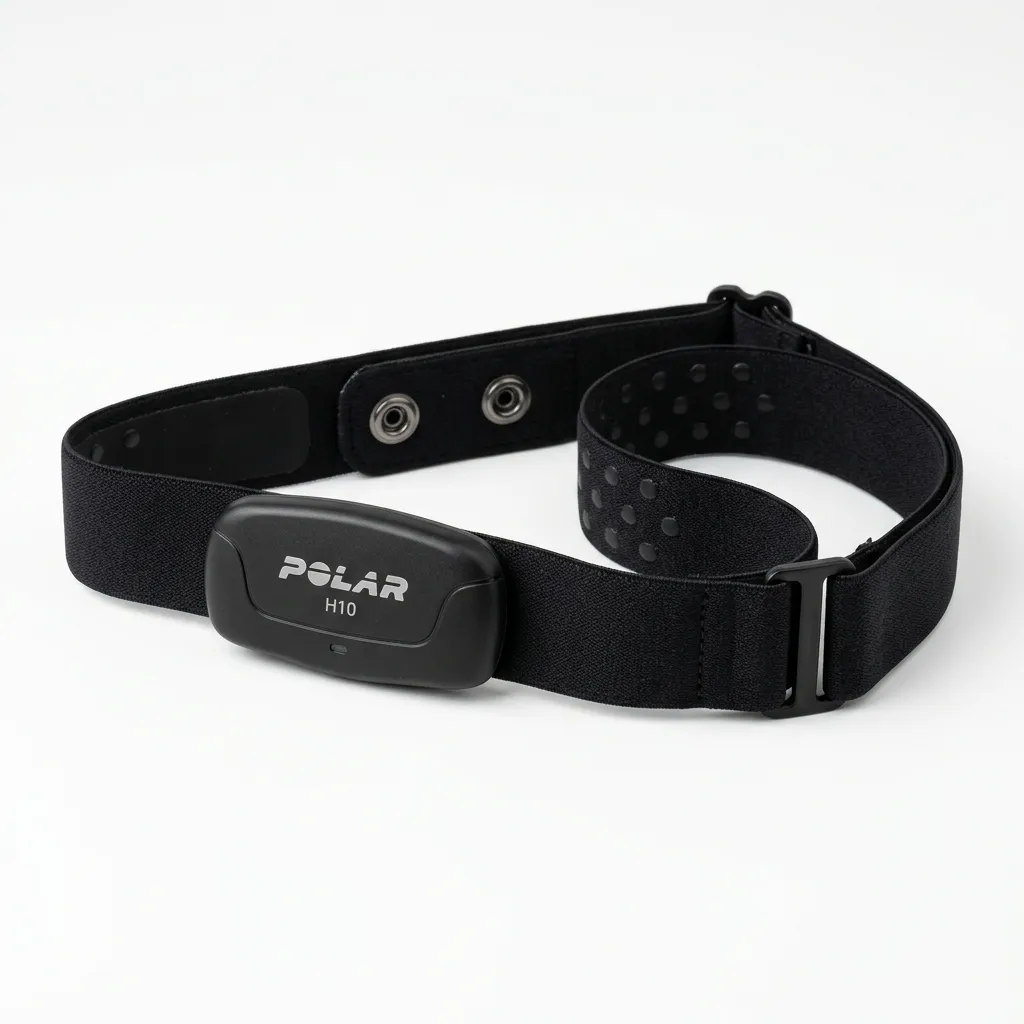
Polar H10 Heart Rate Monitor & HRV Sensor
The gold standard chest strap monitor for accurate Heart Rate Variability (HRV) and Zone 2 training.
- ECG-accurate HRV and heart rate zone tracking
- Dual Bluetooth & ANT+ connectivity
1. Build Your Aerobic Base with Zone 2 Training
Regular cardiovascular exercise is one of the most powerful tools to lift your baseline HRV. Zone 2 training (aerobic exercise at a moderate intensity where you can still maintain a conversation) increases stroke volume and enhances parasympathetic tone by lowering your resting heart rate. PMID 11278234 PMID 21278235
Research consistently shows that endurance-trained individuals possess significantly higher HRV than sedentary peers. To reap these benefits, aim for 150-180 minutes of Zone 2 training per week. This can include cycling, brisk uphill walking, or light running. Avoid high-intensity training close to bedtime, as it temporarily elevates cortisol and drops night-time HRV. PMID 11278234 PMID 21278235
2. Practice Controlled Resonant Breathing
Breathing is the only component of the autonomic nervous system that you can consciously regulate. By breathing slowly and rhythmically, you can immediately stimulate the vagus nerve and increase HRV via a physiological mechanism called respiratory sinus arrhythmia (RSA). PMID 29357377
The most effective protocol is resonant breathing (or coherent breathing), which involves breathing at a frequency of 5.5 to 6 breaths per minute. This translates to inhaling for 5.5 seconds and exhaling for 5.5 seconds. Practice this for 10 minutes daily – such as before sleep or during a stressful moment at work. PMID 29357377
3. Minimize or Completely Eliminate Alcohol
If you track your HRV using an Oura Ring or Whoop, you have likely seen this firsthand: even minimal alcohol intake degrades your HRV that night. Alcohol is a central nervous system toxin that dramatically increases sympathetic activity and elevates resting heart rate. PMID 10760277
A single glass of wine or beer with dinner can reduce your HRV by 15-30% and keep your nervous system in a stressed state for up to 24 hours. To optimize HRV and maximize sleep quality, minimize alcohol or limit it to earlier in the day so your body has time to metabolize it before bedtime. PMID 10760277
4. Respect Your Digestion Window (Eat Early)
Eating a large, heavy meal close to bedtime forces your body to redirect blood flow to the digestive system, elevating your heart rate and keeping the sympathetic nervous system active. This prevents natural night-time recovery and results in depressed HRV during the first critical hours of sleep. PMID 30561329
Try to finish your last meal at least 3-4 hours before going to bed. This allows the body to complete primary digestion, allowing your heart and nervous system to relax completely when you sleep. This results in a faster night-time heart rate drop and a higher HRV the following morning. PMID 30561329
5. Prioritize Consistent Sleep Hygiene and Darkness
Sleep is the absolute most critical phase for restoring and rebuilding the autonomic nervous system. Disrupted or inadequate sleep accumulates biological stress and drags your HRV trend downward over weeks. PMID 31329262
To optimize sleep hygiene, keep your bedroom cool (around 16-18°C / 60-64°F) and completely dark. Use blackout curtains or an eye mask if needed. Go to bed and wake up at approximately the same time every day, even on weekends. This stabilizes your circadian rhythm, which directly translates to a healthier, more stable HRV. PMID 31329262
6. Try Cold and Heat Exposure (Contrast Therapy)
Thermal stress via cold plunges or saunas acts as excellent weight training for the autonomic nervous system. Entering a hot sauna or a cold bath triggers an acute sympathetic stress response (fight-or-flight). PMID 31329263
Afterward, as you cool down or exit the cold, the body responds with a strong parasympathetic rebound, activating the vagus nerve to restore homeostatic balance. This cycle enhances autonomic resilience and leads to higher resting HRV over time. Start with a 1-2 minute cold shower in the morning or 20 minutes in a sauna followed by a cold rinse. PMID 31329263
7. Supplement with Magnesium Glycinate and Omega-3s
Key micronutrients play vital roles in regulating the nervous system. Magnesium glycinate is well-known for its ability to temper NMDA receptors in the brain, promote muscle relaxation, and support GABA production, encouraging a parasympathetic state before sleep. PMID 31329264
Omega-3 fatty acids (EPA and DHA) from high-quality fish oil have also been shown in clinical trials to increase HRV by stabilizing cardiac electrical activity and reducing systemic inflammation. Consider taking 300-400 mg of magnesium glycinate and 2-3 grams of pure fish oil daily as part of your base longevity stack. PMID 31329264
Internal Further Reading
Read also in the same cluster
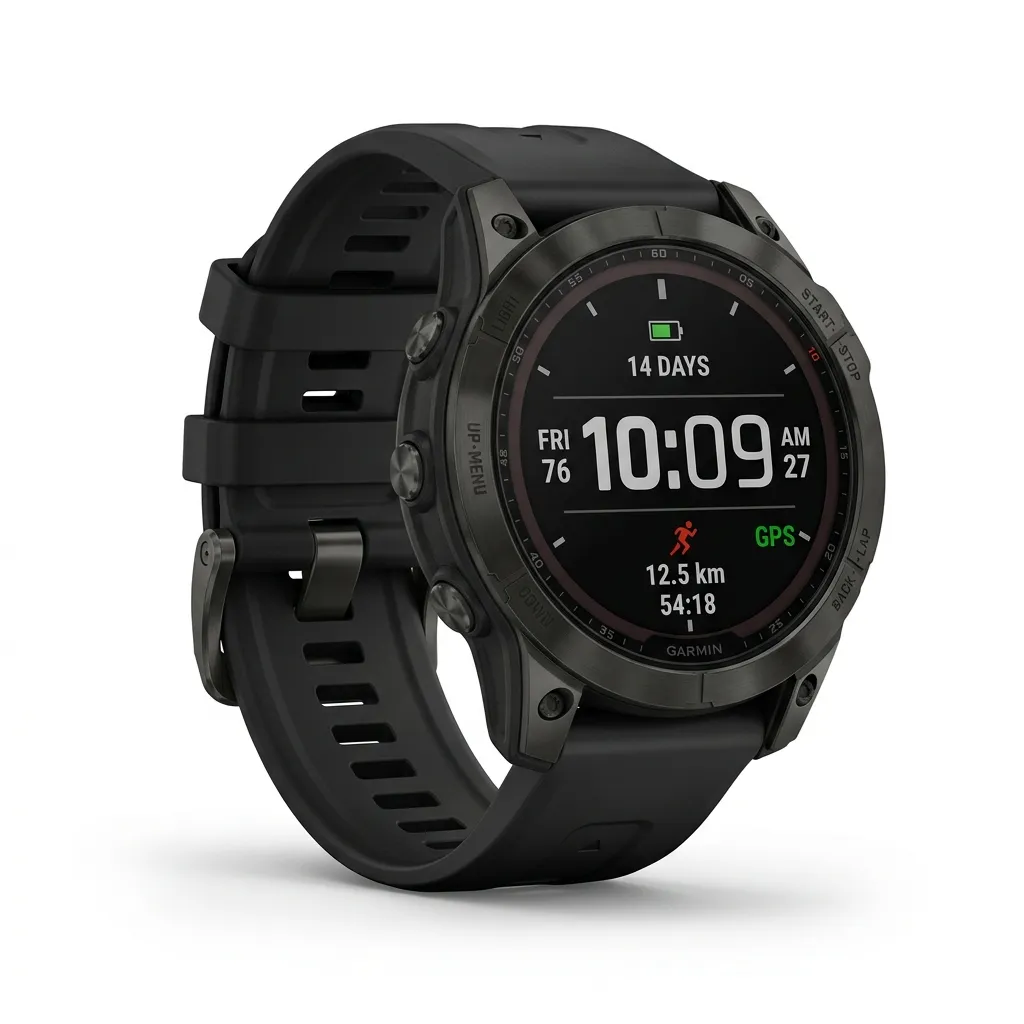
Garmin Fenix 7 Pro Multisport Watch
Flagship multisport watch with solar charging, advanced VO2 max analytics, HRV status and stamina score.
- Multi-week battery life with solar charging
- Precision heart rate & VO2 Max estimation
FAQ
What is a normal HRV score?
There is no single universal normal HRV score. HRV is highly individual and depends on age, genetics, gender, and fitness level. Some healthy adults have an average of 30 ms, while others average 120 ms. The key is to establish your own baseline and track changes relative to it.
Why does my HRV drop when I am stressed or sick?
When your body experiences stress (work pressure, emotional strain, overtraining) or an immune challenge (infection), the sympathetic nervous system (fight-or-flight) activates to mobilize resources. This makes your heart rate more rigid and uniform, directly measured as a drop in HRV.
Can I compare my HRV scores between Oura, Whoop, and Apple Watch?
No, it is not recommended to compare absolute values across different devices. They measure at different times (Oura samples during sleep, Whoop measures during deep sleep, Apple Watch samples sporadically throughout the day) and use different algorithms to compute HRV (typically SDNN vs. rMSSD).
How quickly can I expect my HRV to increase?
Acute interventions like resonant breathing can elevate your HRV immediately during the exercise. However, raising your baseline HRV requires weeks to months of consistent lifestyle habits, including improved cardiovascular fitness (Zone 2), reduced alcohol intake, better sleep, and stress management.
Sources and References
- [1]
- [2]
- [3]
- [4]
Show all 8 sources (4 more)
- [5]
- [6]
- [7]
- [8]
Editorial History
9. august 2026
Første publicering
Første version blev publiceret som del af wearables med intro, takeaways, FAQ og referenceblok.
9. august 2026
Faglig gennemgang
Formuleringer, forbehold og interne links blev gennemgået for klarhed, konsistens og YMYL-tydelighed.
9. august 2026
Seneste opdatering
How to Increase HRV fik opdaterede metadata, referenceoutput og forbedret beslutningsnær struktur.

Medical Review
Medical Review and Update Process
This article has been medically reviewed by Vadim Doroshenko with a focus on clinical accuracy, sources, disclaimers, and whether the conclusions still align with current scientific evidence.

Editorial Profile
Borys Viktorovytj Riabtsev
Borys Viktorovytj Riabtsev publishes Longevity Lab as a research-backed information project on precision medicine, metabolic health, and healthy aging, utilizing rigorous sources, independent medical review, and objective YMYL communication.