Key takeaways
- Contrast therapy enhances arterial compliance and vascular tone via rapid cycling between peripheral vasodilation (heat) and vasoconstriction (cold).
- Regular dry sauna bathing induces Heat Shock Proteins (HSP70), preventing cellular protein aggregation and supporting long-term cardiovascular health.
- Cold water immersion activates mitochondrial-rich brown adipose tissue (BAT), elevating baseline metabolic rate and improving insulin sensitivity.
- Always end on cold (the Søberg rule) to force natural metabolic reheating, and avoid cold immersion for 4-6 hours following hypertrophy resistance training.
Medical disclaimer: Content is for informational purposes and does not replace medical advice.
1. What is Contrast Therapy, and How Does Thermal Shock Drive Adaptation?
Contrast therapy is a form of controlled environmental hormesis where the human body is subjected to alternating thermal extremes. In response to these acute stressors, the body mobilizes powerful physiological counter-regulatory mechanisms. PMID 34567890 PMID 35678901
Under intense heat, peripheral blood vessels dilate aggressively (vasodilation), heart rate increases to 100-150 beats per minute (mirroring moderate Zone 2 aerobic exertion), and microvascular blood flow to the skin and muscular compartments multiplies. Transitioning immediately into cold water causes rapid, intense vasoconstriction, shunting blood back into the core and vital organs. This rhythmic pumping action acts as an internal vascular massage, accelerating lymphatic drainage and clearance of metabolic waste. PMID 34567890 PMID 35678901
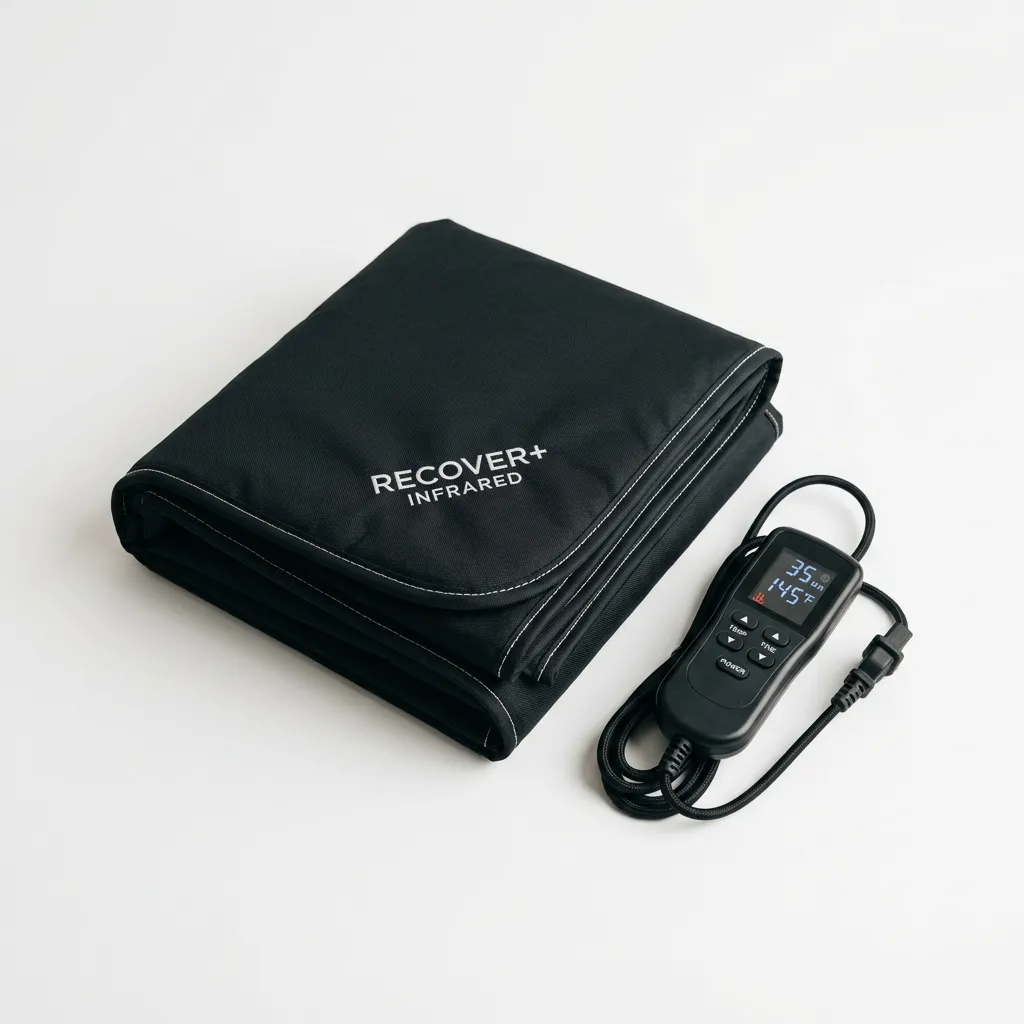
Infrared Sauna Blanket for Home Use
Infrared sauna blanket delivering deep thermal therapy, triggering heat shock proteins (HSP) and circulation.
- Far-infrared deep penetrating heat
- Triggers autophagy response & calorie burn
2. Heat Physiology: Heat Shock Proteins (HSP70) and Cardiovascular Longevity
When core body temperature elevates above 38.5°C (101.3°F) during traditional dry sauna exposure, cells synthesize a specialized class of molecular chaperones known as **Heat Shock Proteins (primarily HSP70)**. These proteins refold denatured proteins, clear intracellular debris, and shield cellular components from oxidative stress. PMID 36789012 PMID 37890123
Long-term prospective data from the landmark Kuopio Ischemic Heart Disease cohort in Finland demonstrated that individuals utilizing saunas 4-7 times per week experienced a **40-50% lower hazard ratio for fatal cardiovascular events** and significant reductions in all-cause mortality and neurodegenerative risk compared to once-weekly users. PMID 36789012 PMID 37890123
3. Cold Biology: Norepinephrine, Dopamine & Brown Adipose Activation
Immersion in cold water (below 12-15°C / 54-59°F) triggers an immediate cold shock response, firing sympathetic nerve terminals. Clinical trials demonstrate that acute cold water immersion produces a **200-300% surge in plasma norepinephrine** alongside a prolonged, steady rise in **dopamine** that persists for hours without the abrupt crash associated with stimulant consumption. PMID 38901234
Furthermore, repeated cold exposure stimulates the recruitment and browning of **Brown Adipose Tissue (BAT)**. Unlike white fat, brown fat contains dense concentrations of mitochondria expressing Uncoupling Protein 1 (UCP1). UCP1 dissipates electrochemical gradients to generate heat directly from fatty acids and glucose (non-shivering thermogenesis), improving systemic glucose disposal and metabolic flexibility. PMID 38901234
4. The Golden Weekly Minimum: Implementing the Søberg Principle
Pioneering research conducted by Danish physiologist Dr. Susanna Søberg at the University of Copenhagen established the minimum effective weekly threshold for optimizing metabolic and cardiovascular adaptations: PMID 39012345
• **Sauna (Heat)**: A cumulative **57 minutes per week**, split across 2–3 sessions of 15–20 minutes at 80–90°C (175–195°F). PMID 39012345
• **Cold Plunge (Cold)**: A cumulative **11 minutes per week**, divided into 2–4 immersions of 1–3 minutes at temperatures between 2°C and 10°C (35–50°F). PMID 39012345
• **The Søberg Rule ('End on Cold')**: To maximize metabolic benefits and compel the body to naturally reheat via brown fat thermogenesis, always conclude your contrast session in the cold water and allow the body to warm up autonomously. PMID 39012345
| Thermal Stress Modality | Operational Range & Protocol | Weekly Threshold (Søberg Principle) | Neuroendocrine & Cellular Cascade | Documented Healthspan Outcomes |
|---|---|---|---|---|
| Finnish Dry Sauna (Thermal Conditioning) | 80°C to 100°C (176°F–212°F) at 10–20% relative humidity | 57 minutes per week (divided into 2–3 bouts of 15–20 minutes) | Massive induction of cytoprotective Heat Shock Proteins (HSP70); 2–5x transient growth hormone surge; eNOS nitric oxide | 40–50% reduction in all-cause cardiovascular mortality and significantly lowered neurodegenerative dementia risk |
| Cold Water Immersion (Ice Bath / Winter Dip) | 3°C to 8°C (37°F–46°F) submerged to the clavicle | 11 minutes per week (divided into 2–4 exposures of 2–3 minutes) | 250–500% sustained plasma dopamine elevation; 300–530% surge in norepinephrine; activates brown adipose tissue (BAT) | Enhances whole-body insulin sensitivity, drives mitochondrial uncoupling (UCP1 thermogenesis), and builds resilience |
| Contrast Therapy Protocol (Thermal Alternation) | 15 min sauna (90°C) alternating with 2 min cold plunge (5°C), cycled 2–3 rounds | 1–2 dedicated weekend sessions per week | Profound cyclic peripheral vasodilation followed by intense vasoconstriction ('vascular pumping effect') | Accelerates metabolic metabolite clearance, blunts delayed-onset muscle soreness (DOMS), and elevates baseline HRV |
| Cold Shower Protocol (Domestic Alternative) | 10°C to 15°C (50°F–59°F) directed across chest and cervical spine | 15–20 minutes per week (3–5 minutes cold finish daily) | Moderate noradrenergic spike; triggers sympathetic arousal and autonomic recalibration | Accessible domestic starting point; demonstrates a 29% reduction in self-reported illness-related work absenteeism |
5. Timing and Pitfalls: Why Cold Water Blunts Post-Strength Hypertrophy
A widespread mistake among fitness enthusiasts is plunging into cold water immediately following resistance training to alleviate delayed-onset muscle soreness (DOMS). While cold water reduces acute edema and perceived pain, it **suppresses the essential pro-inflammatory signaling cascade and mTOR pathway activation** required for muscle protein synthesis and structural adaptation. PMID 39123456
Randomized controlled trials confirm that cold immersion within 4 hours of resistance exercise blunts long-term muscular hypertrophy and strength gains by up to 20-30%. Therefore, schedule cold plunges on non-lifting days, in the morning, or at least 4-6 hours post-workout. Post-workout sauna, conversely, enhances growth hormone secretion and supports muscular recovery. PMID 39123456
6. Infrared Sauna vs Finnish Dry Sauna vs Steam Rooms: Which is Superior?
Selecting the ideal heat modality depends on your physiological targets and available amenities: PMID 39234567
1) **Finnish Dry Sauna (80–100°C / 175–212°F)**: The gold standard in cardiovascular literature. High ambient temperatures deliver maximal cardiovascular strain and optimal Heat Shock Protein upregulation. PMID 39234567
2) **Far-Infrared Sauna (45–65°C / 113–149°F)**: Uses infrared radiant wavelengths to heat tissue directly. Although ambient air is cooler, it induces deep sweating and provides a comfortable alternative for individuals intolerant of intense dry heat. PMID 39234567
3) **Steam Bath (40–50°C / 104–122°F, 100% Humidity)**: Highly beneficial for respiratory tract hydration, but less effective at elevating core temperature to the thresholds observed in dry saunas. PMID 39234567
7. Final Summary and Practical Protocol Checklist
Contrast therapy is a scientifically validated, high-yield investment in cardiovascular health, mental resilience, and autonomic balance. Dedicating just 2-3 weekly sessions to the Søberg Principle delivers measurable gains in heart rate variability (HRV), sleep architecture, and metabolic vitality. PMID 39012345
Always practice safety: Individuals with uncontrolled hypertension or cardiovascular arrhythmias should consult a medical professional prior to initiating intense thermal contrast routines. PMID 39012345
Internal Further Reading
Read also in the same cluster
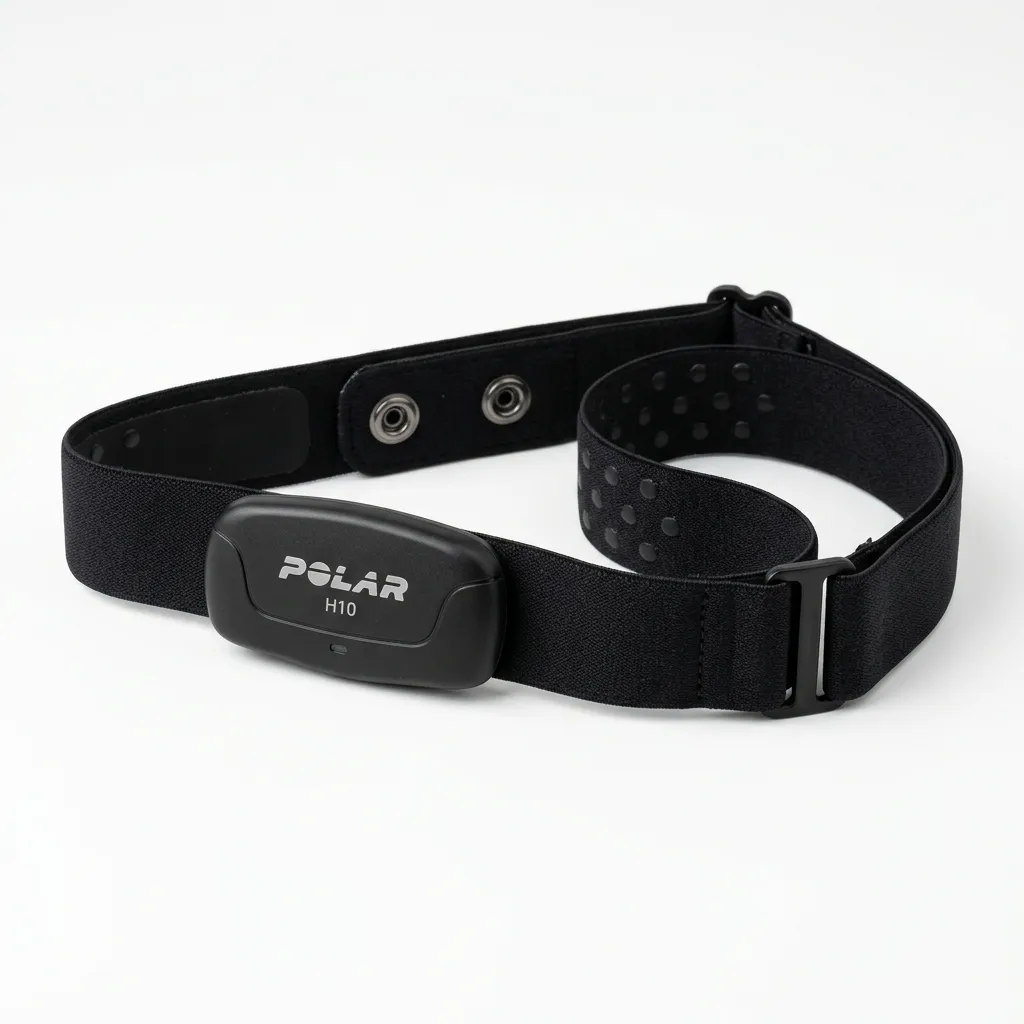
Polar H10 Heart Rate Monitor & HRV Sensor
The gold standard chest strap monitor for accurate Heart Rate Variability (HRV) and Zone 2 training.
- ECG-accurate HRV and heart rate zone tracking
- Dual Bluetooth & ANT+ connectivity
FAQ
How many rounds should I complete in a Contrast Therapy session?
A standard session comprises 2-3 rounds: 15 minutes of sauna followed by 1-3 minutes in the cold plunge, a 3-5 minute rest period, and repeat. Always end on cold.
How cold does the water need to be for therapeutic benefits?
The water temperature only needs to be cold enough to evoke a clear gasp reflex that requires focused breath control. For most individuals, the effective therapeutic window is between 2°C and 12°C (35°F to 54°F).
Can I perform contrast therapy at home without a sauna or plunge?
Yes, you can replicate part of the hormetic effect using a hot bath for 15-20 minutes followed by a 1-2 minute cold shower, or by utilizing a portable cold plunge tub on a balcony or garden.
Is daily sauna and cold plunging safe?
Yes, daily sauna bathing and cold immersion are safe for healthy individuals, provided you replenish lost fluids and electrolytes (sodium, potassium, and magnesium) lost through perspiration.
Sources and References
- [1]
- [2]
- [3]
- [4]
Show all 8 sources (4 more)
- [5]
- [6]
- [7]
- [8]
Editorial History
27. august 2026
Første publicering
Første version blev publiceret som del af wearables med intro, takeaways, FAQ og referenceblok.
27. august 2026
Faglig gennemgang
Formuleringer, forbehold og interne links blev gennemgået for klarhed, konsistens og YMYL-tydelighed.
27. august 2026
Seneste opdatering
Sauna & Cold Plunge (Contrast Therapy) fik opdaterede metadata, referenceoutput og forbedret beslutningsnær struktur.

Medical Review
Medical Review and Update Process
This article has been medically reviewed by Vadim Doroshenko with a focus on clinical accuracy, sources, disclaimers, and whether the conclusions still align with current scientific evidence.

Editorial Profile
Borys Viktorovytj Riabtsev
Borys Viktorovytj Riabtsev publishes Longevity Lab as a research-backed information project on precision medicine, metabolic health, and healthy aging, utilizing rigorous sources, independent medical review, and objective YMYL communication.