Key takeaways
- MASLD (fatty liver) is closely related to insulin resistance, obesity and metabolic syndrome — it is a liver manifestation of metabolic dysfunction.
- Early MASLD is fully reversible through weight loss of 5-10%, dietary changes and regular exercise.
- Elevated liver counts (ALT/AST) are an early warning signal, but normal liver counts do not rule out fatty liver.
- If left untreated, MASLD can progress to steatohepatitis (MASH/NASH), fibrosis and, in severe cases, cirrhosis.
Medical disclaimer: Content is for informational purposes and does not replace medical advice.
What is MASLD and why is it so prevalent?
MASLD (formerly called NAFLD) is defined as the accumulation of fat in the liver cells in people without harmful alcohol consumption. The diagnosis is made when more than 5% of the liver cells contain fat droplets. The condition ranges from simple fatty liver to MASH (formerly NASH) with inflammation and cell damage, which over time can lead to fibrosis and cirrhosis. PMID 31286360 Sundhed.dk
In Denmark, it is estimated that 20-30% of the adult population has MASLD/NAFLD. In people with type 2 diabetes, the incidence is 50-70%, and in people with severe obesity, it is over 80%. This close link to metabolic syndrome makes MASLD/NAFLD a central topic in longevity and preventive health. PMID 31286360 Sundhed.dk
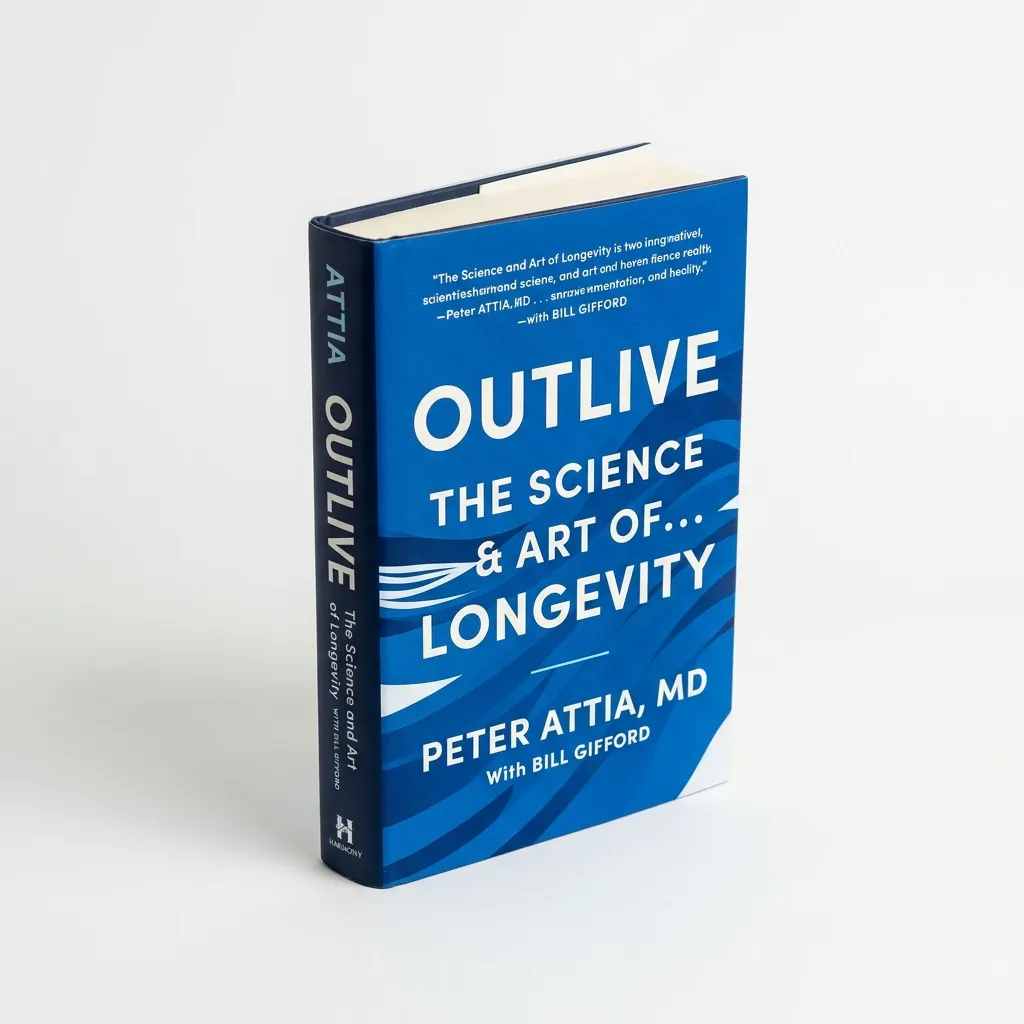
Outlive: The Science & Art of Longevity
Dr. Peter Attia's groundbreaking guide to preventive medicine, exercise for longevity, and healthy aging.
- Scientific framework for Medicine 3.0
- Actionable guide on sleep, exercise & nutrition
The link to insulin resistance and metabolic syndrome
MASLD/NAFLD is not an isolated liver disease — it is a manifestation of systemic metabolic dysfunction. Insulin resistance plays a central role: when cells become resistant to insulin, the level of free fat in the blood rises and the liver begins to accumulate fat. At the same time, the liver produces more glucose and VLDL particles, which worsens insulin resistance and creates a vicious circle. PMID 31286360 PMID 32528129 PMID 34087175
Metabolic syndrome is the strongest risk factor for MASLD/NAFLD. Some researchers consider fatty liver as the liver's manifestation of metabolic syndrome. The treatment is therefore not about the liver alone, but about addressing the underlying metabolic dysfunction through weight loss, dietary changes and increased physical activity. PMID 31286360 PMID 32528129 PMID 34087175
How is MASLD/NAFLD diagnosed?
MASLD/NAFLD is often discovered incidentally by a blood test showing elevated liver levels — primarily ALT and AST. A ratio of AST/ALT below 1.0 (and often below 0.8) is typical of early MASLD. However, up to 30% of people with MASLD/NAFLD have normal liver function tests, so a normal blood test does not rule out the condition. PMID 31286360 Sundhed.dk PMID 32654054
The best non-invasive method to diagnose fatty liver is ultrasound, which can detect fat accumulation when more than 20-30% of the liver cells are affected. FibroScan measures the stiffness of the liver and the degree of fibrosis. Liver biopsy is still the gold standard but is rarely used routinely. PMID 31286360 Sundhed.dk PMID 32654054
| Diagnostic Biomarker | Standard Clinical Reference | Clinical Interpretation in MASLD / NAFLD |
|---|---|---|
| ALT (Alanine Aminotransferase) | 10–70 U/L (men) / 10–45 U/L (women) | Hepatocellular leakage; levels > 25–30 U/L frequently represent the earliest sign of hepatic steatosis |
| AST (Aspartate Aminotransferase) | 15–45 U/L (men) / 15–35 U/L (women) | Mitochondrial liver and muscle enzyme; an AST/ALT ratio < 1.0 is characteristic of early metabolic steatosis |
| Hepatic Ultrasound | Normal parenchymal echogenicity | Identifies diffuse hepatic steatosis once intracellular fat accumulation exceeds 20–30% of hepatocytes |
| Transient Elastography (FibroScan) | Liver stiffness < 7.0 kPa | Values > 10.0 kPa denote advanced bridging fibrosis (F3–F4), indicating urgent clinical intervention |
How do you reverse MASLD/NAFLD?
The most effective documented treatment is weight loss. Studies show that 5% weight loss significantly reduces fat accumulation, while 7-10% can reduce inflammation and incipient fibrosis. Weight loss should be gradual — 0.5-1 kg per week — as too rapid weight loss can worsen liver inflammation. Sundhed.dk PMID 32528129 PMID 32654054 PMID 32160085
Diet is crucial. Reduce added sugar and fructose, which are converted directly in the liver and promote fat formation. Increase intake of unsaturated fatty acids from olive oil, nuts and fatty fish. Eat enough protein to maintain muscle mass during weight loss. Exercise — both strength training and cardio training — has an independent positive effect on the liver's insulin sensitivity and fat burning. Sundhed.dk PMID 32528129 PMID 32654054 PMID 32160085
Fatty liver in a longevity perspective — from prevention to metabolic robustness
From a longevity perspective, MASLD/NAFLD is more than an isolated liver disease — it is an early marker of systemic metabolic dysfunction that should be taken seriously long before it progresses to fibrosis or cirrhosis. The liver plays a central role in glucose homeostasis, lipid metabolism, detoxification and production of a wide range of plasma proteins, including albumin, coagulation factors and transport proteins. A fatty liver — even in the absence of symptoms — signals that the body's metabolic buffer capacity has begun to weaken and that the risk of type 2 diabetes, cardiovascular disease and accelerated biological aging is significantly increased. PMID 32528129 PMID 32654054 PMID 32160085
This means that identifying and treating MASLD/NAFLD should be an integral part of any longevity strategy, especially for people over 40 with risk factors such as obesity, a sedentary lifestyle, inappropriate diet or a family history of type 2 diabetes. Regular monitoring of liver numbers — ideally combined with an ultrasound scan every two to three years — gives a picture of whether the liver is being strained and whether the initiated lifestyle changes are bearing fruit. The combination of gradual weight loss, a diet low in fructose and refined carbohydrates, regular exercise and adequate recovery has the strongest evidence for reversing early MASLD/NAFLD and restoring the liver's metabolic flexibility. PMID 32528129 PMID 32654054 PMID 32160085
Internal Further Reading
Read also in the same cluster

Smart Body Composition Scale
Advanced bioimpedance scale tracking muscle mass, body fat percentage, bone density and hydration.
- Tracks muscle mass & visceral fat
- Wireless sync with health apps
FAQ
Can you have MASLD/NAFLD with normal liver numbers?
Yes. Up to 30% of people with MASLD/NAFLD have normal ALT values. Ultrasound is the best non-invasive method to detect fatty liver.
How quickly can fatty liver be reversed?
With weight loss of 5-10%, liver fat can be significantly reduced within 3-6 months. Dietary changes alone can produce measurable improvements in 4-8 weeks.
Is MASLD/NAFLD dangerous?
Simple fatty liver is often reversible. But untreated, it can develop into MASH/NASH, fibrosis and, in rare cases, cirrhosis or liver cancer.
Should I avoid alcohol in MASLD/NAFLD?
The recommendation is to limit or avoid alcohol. Even moderate alcohol aggravates liver strain when the liver is already affected.
Sources and References
- [1]
- [2]
- [3]
- [4]
Show all 6 sources (2 more)
- [5]
- [6]
Editorial History
1. July 2026
First publication
Initial version was published as part of the metabolic health with introduction, takeaways, FAQ, and reference block.
1. July 2026
Medical review
Phrasing, caveats, and internal links were reviewed for clarity, consistency, and YMYL alignment.
1. July 2026
Latest update
MASLD / NAFLD and metabolic syndrome — prevent fatty liver and understand the connection received updated metadata, reference outputs, and improved decision-support structure.

Medical Review
Medical Review and Update Process
This article has been medically reviewed by Vadim Doroshenko with a focus on clinical accuracy, sources, disclaimers, and whether the conclusions still align with current scientific evidence.

Editorial Profile
Borys Viktorovytj Riabtsev
Borys Viktorovytj Riabtsev publishes Longevity Lab as a research-backed information project on precision medicine, metabolic health, and healthy aging, utilizing rigorous sources, independent medical review, and objective YMYL communication.