Key takeaways
- Choose Oura if low daily friction, sleep, readiness and discreet design are most important.
- Choose Whoop if you want more active coaching around strain, recovery and training dosage.
- No wearable can diagnose disease; they are best as trend measurements over time.
- The best wearable is the one you actually use consistently for months.
Medical disclaimer: Content is for informational purposes and does not replace medical advice.
Short choice: Oura if you want low friction, Whoop if you want coaching
The fastest way to tell them apart is not the sensor list, but everyday use. Oura is known for comfort, discreet design and a strong focus on sleep, temperature trends and daily readiness. For many, it's the easiest device to live with because it feels less like sports equipment and more like a habit. Oura Help WHOOP
Whoop, on the other hand, is built around load, recovery and coaching. It often appeals to exercisers and athletes who want a clear system for training dosage and understand when they should increase or decrease. If you don't use the coaching layer actively, Whoop loses some of its power. Oura Help WHOOP
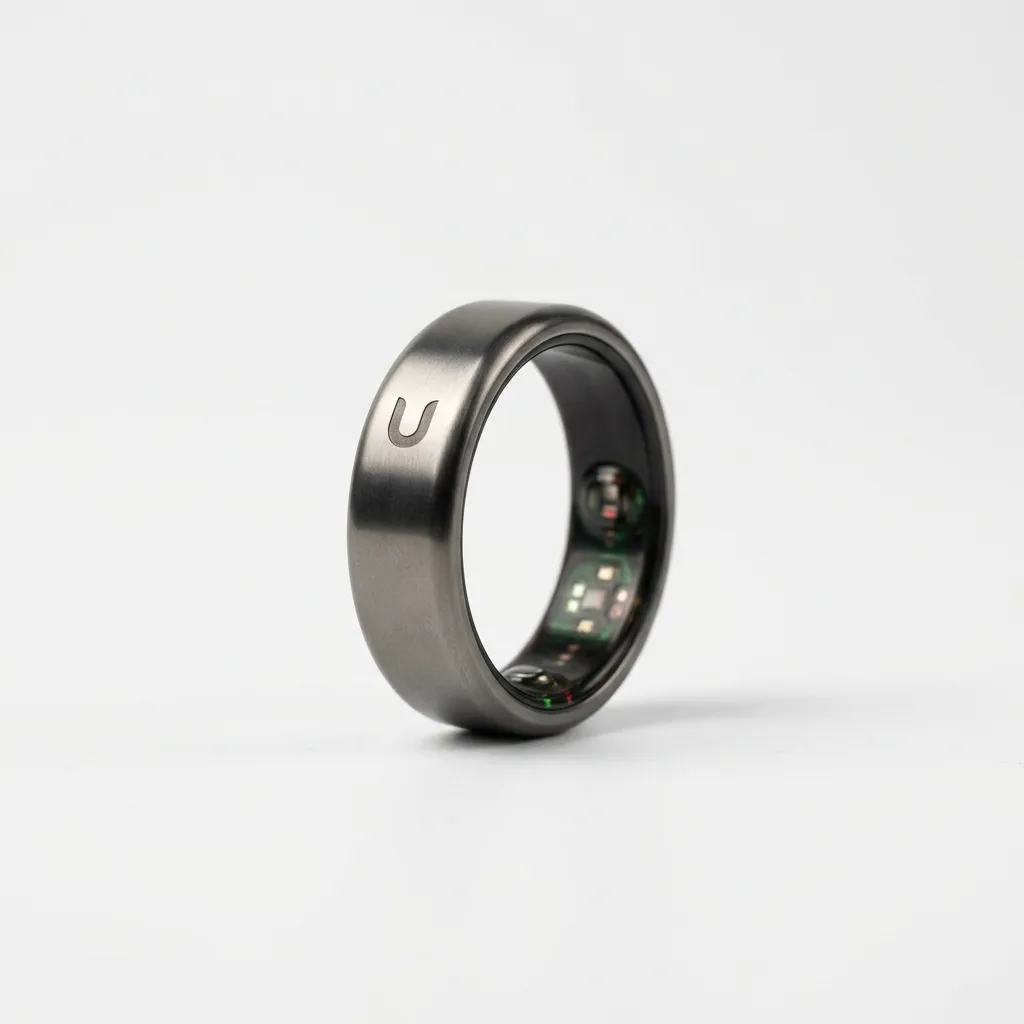
Ultrahuman Ring AIR Smart Ring
Ultra-lightweight titanium smart ring tracking sleep stages, HRV, body temperature and metabolic recovery.
- Weighs only 2.4 grams in fighter-grade titanium
- No monthly subscription fees required
Data, quality and interpretation
Both platforms provide estimates, not conclusions. Sleep stages, HRV and caloric expenditure are useful as guidelines, but should not be interpreted as laboratory data. The greatest strength lies in trends over weeks and months. WHOOP American Academy of Sleep Medicine
This is also where wearables fit into the wider development with digital biomarkers, multiomics and AI. The signals become more useful when viewed in conjunction with blood tests, exercise history, symptoms and goals. WHOOP American Academy of Sleep Medicine
Oura vs Whoop in a nutshell
The difference between Oura and Whoop can be boiled down to passive measurement vs. active coaching. Oura measures your body's baseline (temperature, HRV, sleep) with minimal intervention, while Whoop is built to dictate how hard you should train today based on your recovery. American Academy of Sleep Medicine PMID 37532372
Consider your real need: Do you need a discreet piece of jewelry for health tracking, or a dedicated fitness monitor that helps with exercise dosing? American Academy of Sleep Medicine PMID 37532372
Cost, comfort and compliance
The best wearable is the one you actually use. Many stop not because of bad data, but because of charging, subscription costs or irritation at having something on their body. Here, form factor and daily comfort are of great importance. PMID 37532372 CDC
For some, a ring will be more natural than a bracelet. For others, Whoop's ongoing coaching and training logic is exactly what creates action. There is no universal right choice. PMID 37532372 CDC
Use data wisely
The market for wearables is growing explosively and the algorithms are constantly improving. But it is crucial to understand the limit of consumer electronics. CDC
Great design and advanced app functionality are not the same as clinical documentation. If you experience heart rhythm disturbances, persistent fatigue or specific symptoms, a wearable may pick up a trend, but it should never replace a professional medical assessment. CDC
Quick decision: Oura for low friction, Whoop for active coaching
Oura and Whoop are frequently compared on feature lists, but the defining practical differentiator is adherence: which form factor will you consistently wear every single day, and which feedback makes you calmer and more consistent? A smart ring offers minimal everyday friction, whereas a wristband better aligns with athletic training and structured strain recovery cycles. Oura Help WHOOP American Academy of Sleep Medicine
Looking exclusively at branding score titles leads to superficial comparisons. The superior decision framework assesses everyday wearability, recurring subscription commitments, workout demands, non-subscription alternatives like Ultrahuman, and the exact level of algorithmic coaching you require. Oura Help WHOOP American Academy of Sleep Medicine
| User Profile | Oura Ring Is Often Better | Whoop Band Is Often Better |
|---|---|---|
| Sleep & minimal friction | Ring format, passive background tracking, discrete design | If you comfortably tolerate wearing a wrist strap overnight |
| Workouts & physiological strain | Secondary capability | Core architectural product logic |
| Data peace of mind | Lower performance pressure | Intensive coaching and real-time guidance |
Sleep stage tracking: valuable trends, not diagnostic truth
Consumer sleep tracking technology delivers actionable daily behavioral insights, but cannot substitute for clinical polysomnography. Consequently, wearable monitors excel at identifying sleep regularity trends, bedtime shifts, and recovery patterns, yet remain inappropriate as conclusive diagnostic tools for obstructive sleep apnea or insomnia. American Academy of Sleep Medicine PMID 37532372
High-integrity wearable guidance must strictly delineate lifestyle coaching from medical diagnosis. This distinction preserves user trust and prevents hyper-fixation on single-night algorithmic anomalies. American Academy of Sleep Medicine PMID 37532372
What to systematically test during your initial 30 days
The most effective adoption protocol evaluates three practical variables: consistent daily wear, whether telemetry prompts measurable habit improvements, and whether daily metrics alleviate or exacerbate health anxiety. If a wearable induces orthosomnia, its feature catalog is counterproductive. Oura Help WHOOP PMID 37532372
A structured 30-day evaluation filter outperforms declared winners: monitor circadian sleep timing, alcohol-induced cardiovascular suppression, baseline resting heart rate and HRV trends, training load adaptation, and whether reviewing app metrics yields actionable behavioral adjustments. Oura Help WHOOP PMID 37532372
Internal Further Reading
Read also in the same cluster
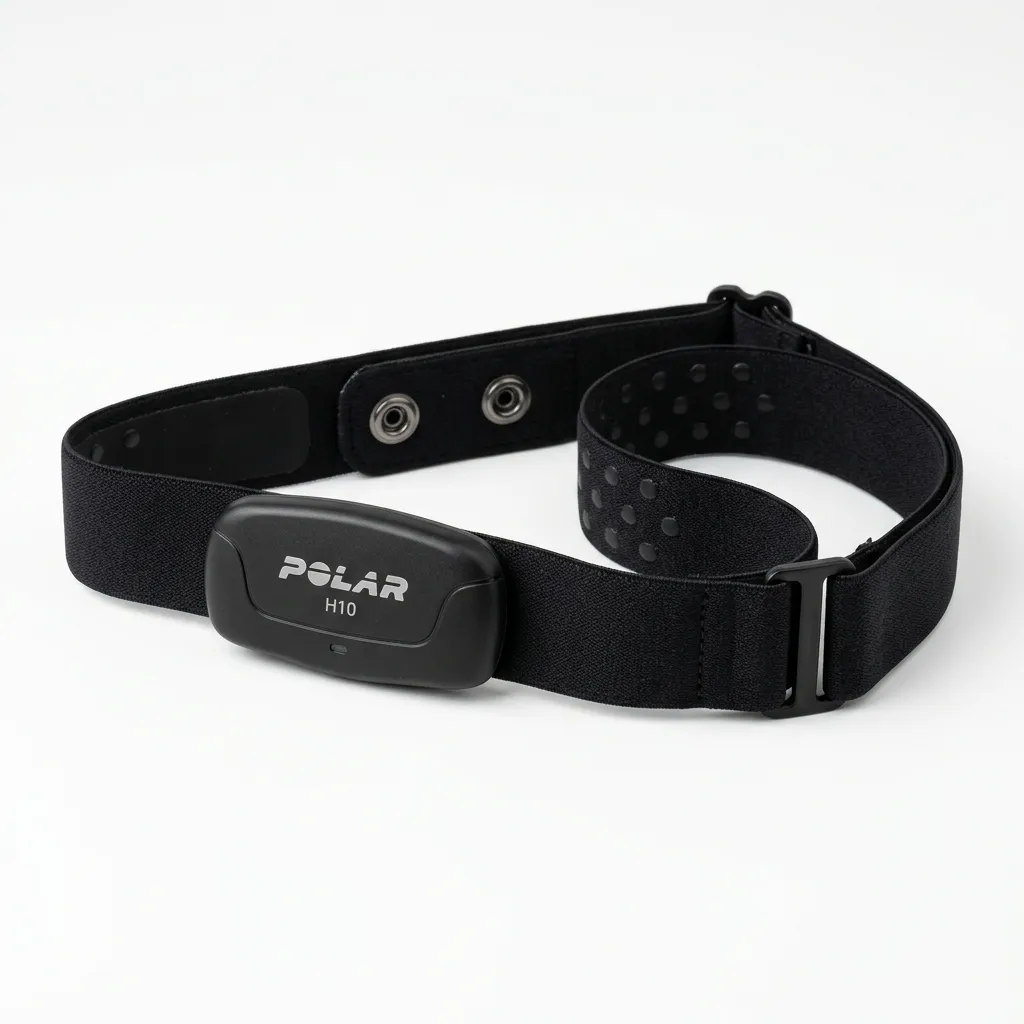
Polar H10 Heart Rate Monitor & HRV Sensor
The gold standard chest strap monitor for accurate Heart Rate Variability (HRV) and Zone 2 training.
- ECG-accurate HRV and heart rate zone tracking
- Dual Bluetooth & ANT+ connectivity
FAQ
Should I choose Oura or Whoop?
Choose Oura if you want low friction, discreet format and strong sleep and readiness context. Choose Whoop if you want to use strain, recovery and coaching actively for training management.
Is Oura better for sleep than Whoop?
Many find Oura more user-friendly for sleep and daily readiness, but both primarily provide trend data. The most important thing is which platform you will actually use consistently.
Is Whoop a watch or a bracelet?
Whoop is often referred to as a watch, but is actually a bracelet without a classic watch face. It's designed for continuous tracking, coaching and recovery rather than looking like a traditional smartwatch.
Can a wearable replace blood tests or a doctor?
No. Wearables are behavioral and trending tools, not diagnostic substitutes for clinical workup.
Who should typically choose Oura?
Users who want low friction, strong sleep focus and a more discreet daily format.
Who should typically choose Whoop?
Users who want to work more actively with load, training management and daily coaching around recovery.
Is Oura Ring or Whoop more accurate?
Accuracy depends heavily on the specific biometric signal and physical context. For most users, consistent longitudinal wear and accurate contextual trend interpretation matter significantly more than marginal differences in algorithmic raw scores.
Can Oura or Whoop detect clinical illness?
Both platforms can highlight significant physiological deviations from personal baseline (such as spikes in nocturnal resting heart rate or skin temperature), but they are not medical diagnostic devices and cannot replace formal clinical evaluation.
Is Oura superior to Whoop for sleep tracking?
Oura is generally preferred by users prioritizing effortless, low-friction sleep monitoring due to its discrete ring form factor. Whoop provides richer athletic load and recovery coaching, but requires actively engaging with its coaching feedback.
Sources and References
- [1]
- [2]
- [3]
- [4]
Show all 5 sources (1 more)
- [5]
Editorial History
14. April 2026
First publication
Initial version was published as part of the wearables with introduction, takeaways, FAQ, and reference block.
27. May 2026
Medical review
Phrasing, caveats, and internal links were reviewed for clarity, consistency, and YMYL alignment.
27. May 2026
Latest update
Oura vs Whoop 2026 received updated metadata, reference outputs, and improved decision-support structure.

Medical Review
Medical Review and Update Process
This article has been medically reviewed by Vadim Doroshenko with a focus on clinical accuracy, sources, disclaimers, and whether the conclusions still align with current scientific evidence.

Editorial Profile
Borys Viktorovytj Riabtsev
Borys Viktorovytj Riabtsev publishes Longevity Lab as a research-backed information project on precision medicine, metabolic health, and healthy aging, utilizing rigorous sources, independent medical review, and objective YMYL communication.