Key takeaways
- HRV is the variation between heartbeats and is often used as an indirect signal of autonomic balance and recovery.
- A low HRV number on a single day does not automatically mean that something is wrong.
- Normal HRV is personal: compare first and foremost with your own history, not with other people's numbers.
- Sleep, alcohol, illness, travel, stress and hard exercise can all significantly affect HRV.
- The real use of HRV is trend understanding, not panic.
Medical disclaimer: Content is for informational purposes and does not replace medical advice.
What exactly is HRV data?
HRV describes the variation in the time between heartbeats. It sounds technical, but the point is simple: the nervous system is dynamic, and the heart is constantly responding to both internal and external stresses. PMID 8882130 PMID 31496429
In practice, HRV is used in wearables as an indirect window into recovery, stress and autonomic regulation. It is a useful signal, but not proof in itself. PMID 8882130 PMID 31496429
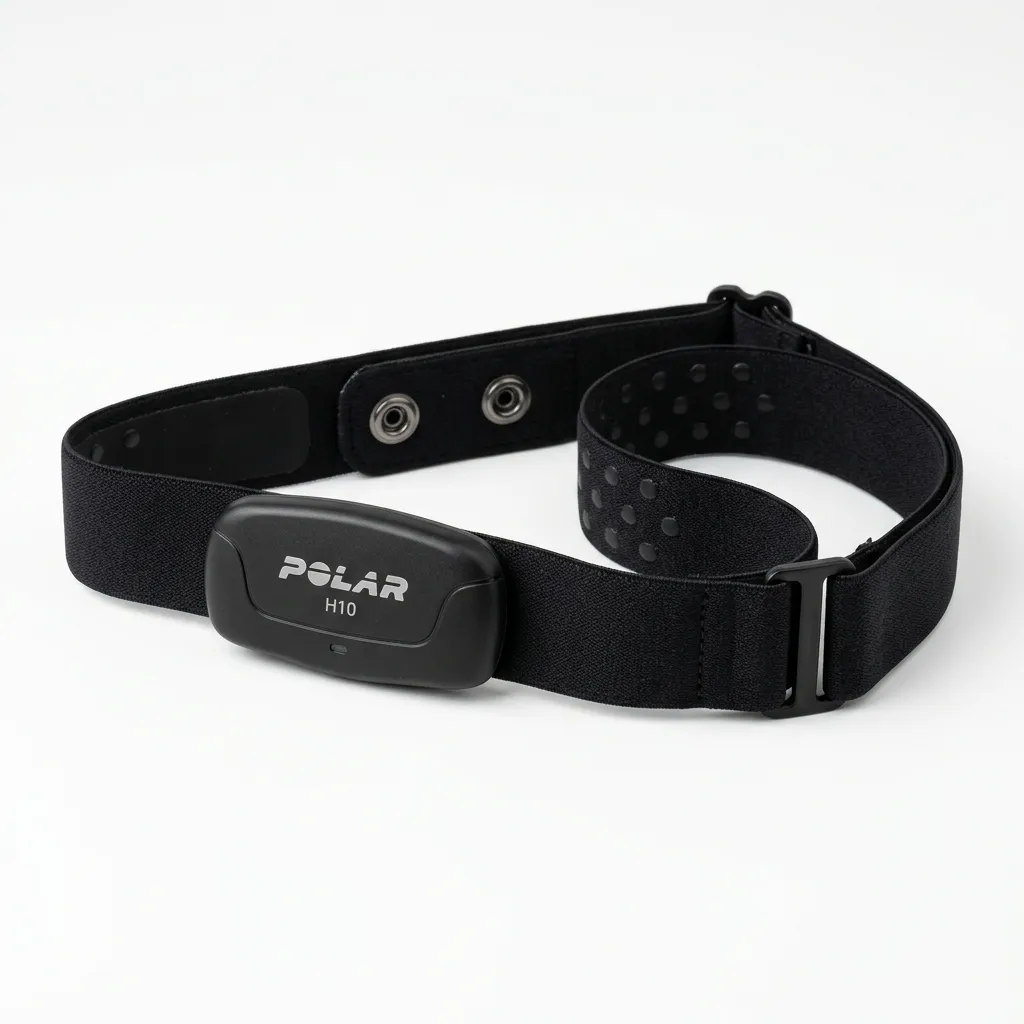
Polar H10 Heart Rate Monitor & HRV Sensor
The gold standard chest strap monitor for accurate Heart Rate Variability (HRV) and Zone 2 training.
- ECG-accurate HRV and heart rate zone tracking
- Dual Bluetooth & ANT+ connectivity
Normal HRV, HRV number and HRV status
There is no one normal HRV number that fits everyone. Oura itself describes HRV as a personal metric, where typical values can range widely, and where comparison with your own history is more important than comparison with others. PMID 31496429
An HRV status in an app is therefore best as a context signal: are you lower than your own baseline several days in a row, and does it fit with poor sleep, infection, alcohol or hard training? If so, it could be a signal of strain. If not, a single number is rarely enough to change the entire plan. PMID 31496429
Why the number fluctuates so much
HRV is affected by far more than exercise. Poor sleep, infection, alcohol, mental strain, jet lag and too little energy can all drag the number down. It is therefore misleading to use HRV as a personal grade book from day to day. PMID 37532372 American Academy of Sleep Medicine
Precisely because the variation is so normal, HRV makes the most sense longitudinally. Look at 2 to 4 week trends, not just today's scores. PMID 37532372 American Academy of Sleep Medicine
How to use it smartly
The best use of HRV is as low drama decision support. If HRV has dropped for several days, and at the same time you sleep poorly and feel flat, it makes sense to turn it down a bit and prioritize recovery. If you're doing great and only see a single low number, it's rarely worth overreacting. American Academy of Sleep Medicine Oura Help
It is this type of pragmatic use that makes wearable data meaningful. Otherwise, the number ends up as another moment of stress instead of a help. American Academy of Sleep Medicine Oura Help
HRV in a larger healthcare universe
HRV is an important topic because it lies at the crossroads between curiosity, recovery and device data. Many users enter via Oura, Whoop or sleep questions and move on to recovery, stress and metabolic health. Oura Help WHOOP
This makes the subject obvious for internal linking, if the content is written in an understandable way and without numerical mystery. Oura Help WHOOP
A concise summary for anyone searching for HRV
HRV stands for heart rate variability: the physiological variation in time intervals between consecutive heartbeats (R-R intervals). A higher or lower absolute number is neither universally 'good' nor 'bad'; HRV metrics only acquire clinical and practical significance when compared against an individual's personal rolling baseline, measurement timing, and recent lifestyle stressors. PMID 8882130 PMID 31496429
Consequently, HRV values logged by an Oura Ring, WHOOP strap, Apple Watch, or Garmin should always be contextualized alongside total sleep quality, resting heart rate (RHR), acute illness, alcohol consumption, psychological stress, and training volume. HRV is a dynamic biofeedback proxy of autonomic tone, not a standalone medical diagnosis. PMID 8882130 PMID 31496429
| Search Term / Query | Physiological Definition | Evidence-Based Action |
|---|---|---|
| What is HRV? | Fluctuation in milliseconds between successive heartbeats | Track longitudinal 30-day baseline rather than isolated spikes. |
| Normal HRV Range | Does not exist as a universal population reference | Benchmark exclusively against your individual personal history. |
| HRV Recovery Status | Wearable algorithm assessing deviation from your mean | Cross-reference with subjective readiness and resting heart rate. |
What influences HRV on a day-to-day basis?
Autonomic heart rate variability reflects the continuous balance between the parasympathetic (vagal brake) and sympathetic nervous systems. Almost every acute physiological input modulates this balance: strenuous resistance or anaerobic training, late evening meals, alcohol consumption, sleep fragmentation, early viral infection, thermal stress (sauna/cold), and psychological cognitive load. PMID 8882130 PMID 31496429 PMID 37532372 American Academy of Sleep Medicine
The most effective approach evaluates multi-day rolling trends. A persistent 5-to-7 day decline in RMSSD (root mean square of successive differences) accompanied by an elevated resting heart rate signals accumulated autonomic strain far more reliably than an isolated 24-hour dip. PMID 8882130 PMID 31496429 PMID 37532372 American Academy of Sleep Medicine
- Alcohol is one of the most potent suppressors of nocturnal HRV, depressing parasympathetic tone even at modest doses.
- Late evening caloric intake delays nocturnal digestive clearance, keeping core temperature and resting heart rate elevated.
- Heavy resistance or HIIT sessions depress HRV transiently—a healthy autonomic response if rebound occurs within 24 to 48 hours.
- Subclinical immune activation frequently triggers sharp drops in nocturnal HRV 24 to 36 hours before overt symptoms manifest.
How to build an individualized understanding of your HRV
The most robust tracking protocol involves monitoring nocturnal HRV consistently for 4 to 6 weeks without altering routines. Establish your true median baseline range first, and only then begin logging actionable variables: bedtime consistency, strength workouts, alcohol, travel timezones, and nutritional composition. PMID 8882130 PMID 31496429 Oura Help WHOOP
Over time, clear personal patterns emerge. You might discover that heavy leg workouts suppress your parasympathetic rebound for 48 hours, or that eating dinner 3 hours prior to sleep boosts nocturnal RMSSD by 15 ms. These individual biofeedback insights are substantially more valuable than comparing scores against peer averages. PMID 8882130 PMID 31496429 Oura Help WHOOP
| Timeline | Action Protocol | Physiological Insight Gained |
|---|---|---|
| Weeks 1-2 | Wear tracker nightly during sleep, avoid overreacting | Establish personal baseline median and standard deviation. |
| Weeks 3-6 | Log lifestyle variables (dinner timing, alcohol, training) | Identify primary positive and negative lifestyle levers. |
| After 8 Weeks | Correlate HRV trends with resting heart rate and perceived energy | Recognize early signals of systemic overtraining or illness. |
When HRV anomalies require medical attention
While HRV is a valuable lifestyle optimization metric, it must never serve as the foundation for medical diagnosis or clinical risk management. If unusual wearable telemetry is accompanied by symptoms such as chest tightness, noticeable palpitations, syncope, unexplained dizziness, extreme sudden exhaustion, or dyspnea, disregard wearable scores and seek immediate medical evaluation. PMID 8882130 PMID 37532372 American Academy of Sleep Medicine
Consumer wearables are non-diagnostic wellness devices. Maintaining a firm boundary between consumer lifestyle data and professional healthcare diagnostics ensures safety and prevents undue health anxiety over benign physiological variations. PMID 8882130 PMID 37532372 American Academy of Sleep Medicine
Internal Further Reading
Read also in the same cluster
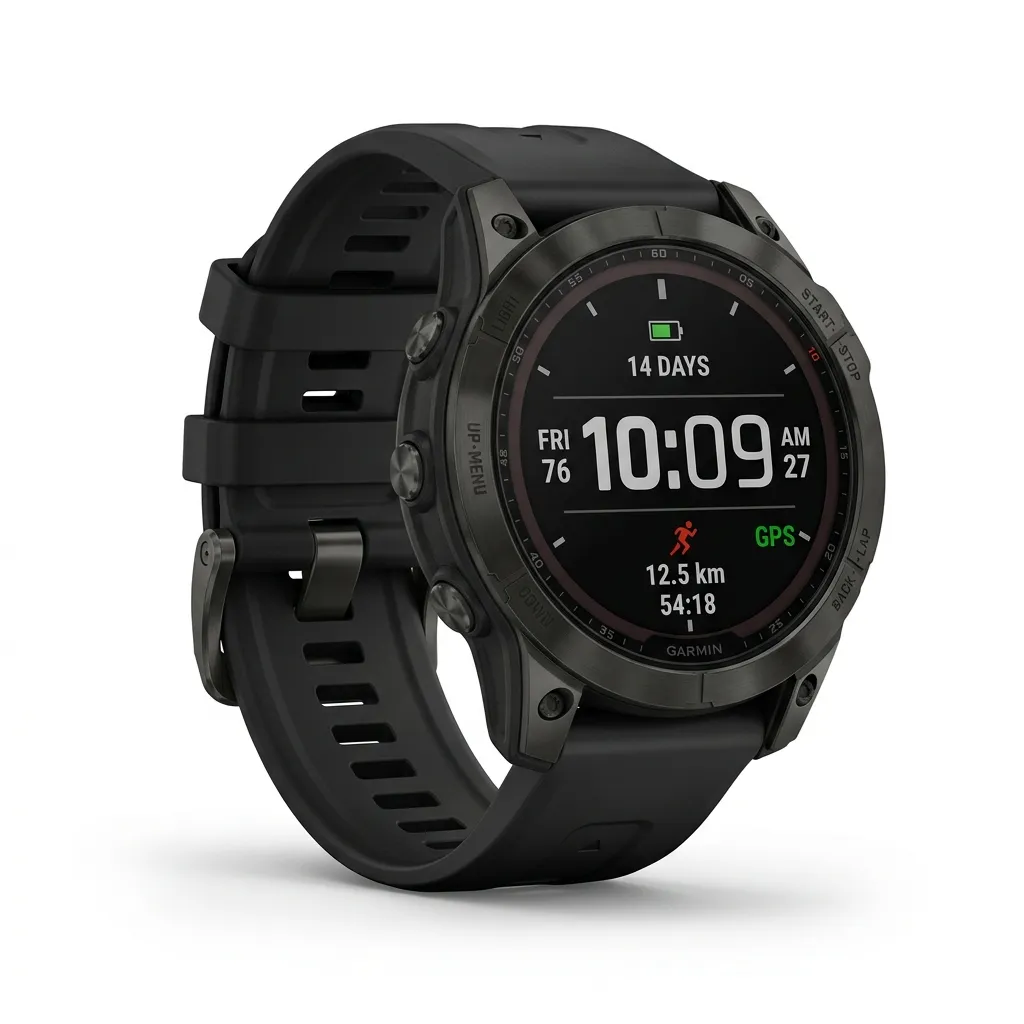
Garmin Fenix 7 Pro Multisport Watch
Flagship multisport watch with solar charging, advanced VO2 max analytics, HRV status and stamina score.
- Multi-week battery life with solar charging
- Precision heart rate & VO2 Max estimation
FAQ
What is HRV data?
HRV data are measurements of the variation in the time between heartbeats. In wearables, HRV data is used as an indirect signal of autonomic balance, strain and recovery, not as an independent diagnosis.
What is a normal HRV?
Normal HRV is individual. The best reference point is your own history over several weeks, because age, fitness, sleep, illness, alcohol and measurement method can shift the number a lot.
What does HRV status mean in a wearable?
HRV status is the app's interpretation of your current HRV number relative to your baseline. Use it as a context signal along with sleep, resting heart rate, symptoms and exercise load.
Is low HRV a danger signal?
It can be a signal of stress, but a single low number rarely tells enough on its own.
Should I plan all training based on HRV?
No. HRV is best as an additional layer in the decision, not as the only management tool.
Why is my HRV score low?
An acute drop in HRV typically reflects systemic autonomic stress: poor sleep continuity, alcohol consumption, an impending viral illness, intense physical exertion, dehydration, or psychological anxiety. An isolated low reading is rarely a cause for concern.
What is considered a 'good' HRV number?
There is no single universal target number. Normal human RMSSD varies from 20 ms to well over 100 ms depending on genetics, age, and biological sex. A 'good' HRV is one that remains stable or trending upward relative to your own established personal baseline.
Can HRV be used to dictate daily training intensity?
Yes, HRV trend monitoring can guide workout periodization. However, algorithm scores should always be balanced against subjective muscle soreness, perceived energy, and joint integrity rather than blindly following an app score.
Sources and References
- [1]
- [2]
- [3]
- [4]
Show all 6 sources (2 more)
- [5]
- [6]
Editorial History
15. April 2026
First publication
Initial version was published as part of the wearables with introduction, takeaways, FAQ, and reference block.
15. April 2026
Medical review
Phrasing, caveats, and internal links were reviewed for clarity, consistency, and YMYL alignment.
4. July 2026
Latest update
HRV Explained (2026) received updated metadata, reference outputs, and improved decision-support structure.

Medical Review
Medical Review and Update Process
This article has been medically reviewed by Vadim Doroshenko with a focus on clinical accuracy, sources, disclaimers, and whether the conclusions still align with current scientific evidence.

Editorial Profile
Borys Viktorovytj Riabtsev
Borys Viktorovytj Riabtsev publishes Longevity Lab as a research-backed information project on precision medicine, metabolic health, and healthy aging, utilizing rigorous sources, independent medical review, and objective YMYL communication.