Key takeaways
- Antibiotics reduce both diversity and total bacterial count in the gut — recovery can take weeks to months.
- Probiotics during antibiotics can reduce the risk of antibiotic-associated diarrhea by approximately 50%, but may potentially delay diversity recovery.
- Lactobacillus rhamnosus GG and Saccharomyces boulardii have the strongest evidence for preventing diarrhea during and after antibiotics.
- Fermented foods such as yogurt, kefir, and sauerkraut can be a good supplement — and in some cases an alternative — to probiotic supplements.
Medical disclaimer: Content is for informational purposes and does not replace medical advice.
How do antibiotics affect the gut flora?
Antibiotics are designed to kill or inhibit bacteria, but they do not distinguish between disease-causing and beneficial bacteria. A broad-spectrum antibiotic course can reduce bacterial diversity in the gut by 25-50% within days. Some bacterial groups are hit harder than others — especially Firmicutes and Bacteroidetes, which together make up over 90% of the gut flora. PMID 18043633 PMID 29257353
After a short course (5-7 days), the gut flora typically begins to rebuild within 1-2 weeks, but full recovery of diversity can take 2-6 weeks — and in some cases months. After repeated or prolonged antibiotic courses, certain bacterial species may be permanently reduced, underscoring the importance of only using antibiotics when strictly necessary. PMID 18043633 PMID 29257353
The clinical consequences of a disrupted gut flora include increased risk of antibiotic-associated diarrhea (AAD), which affects 5-35% of patients, as well as increased risk of Clostridioides difficile infection, a serious intestinal infection particularly affecting elderly and hospitalized patients. PMID 18043633 PMID 29257353
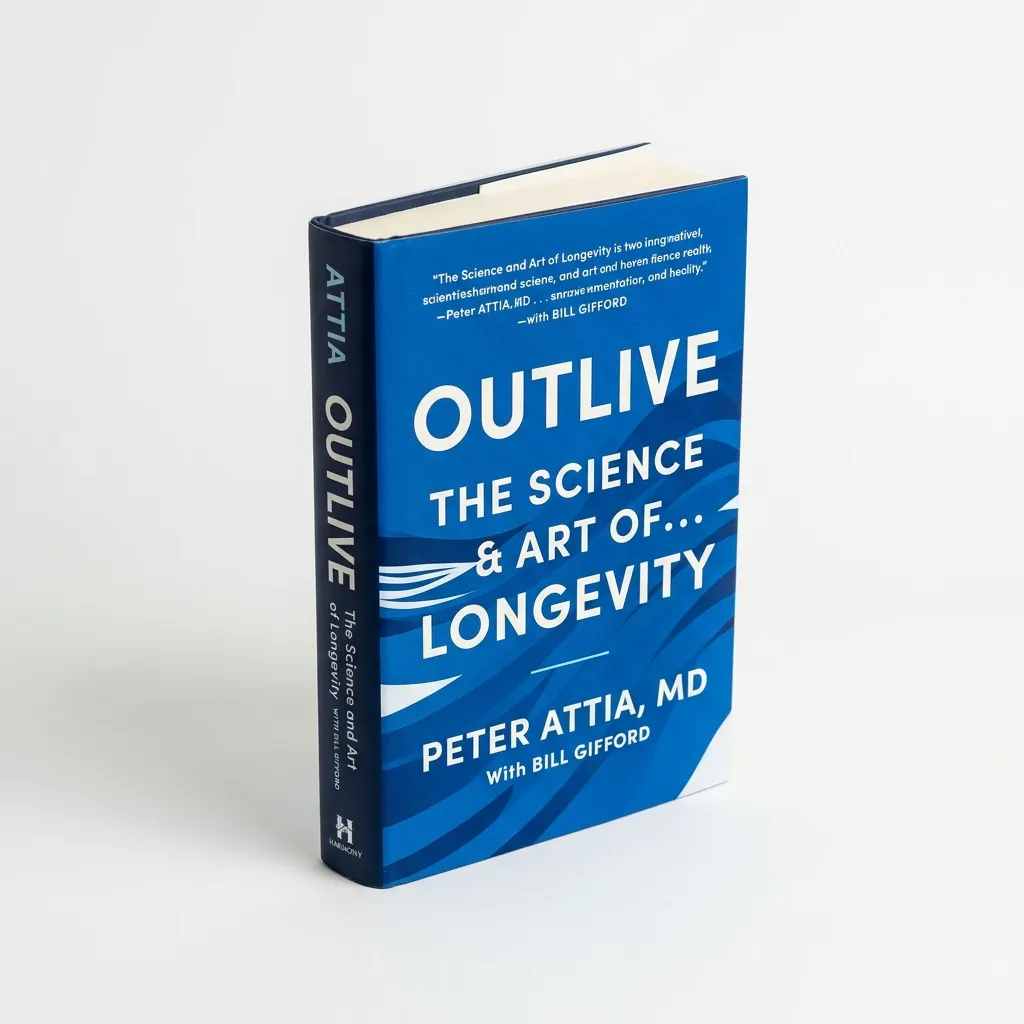
Outlive: The Science & Art of Longevity
Dr. Peter Attia's groundbreaking guide to preventive medicine, exercise for longevity, and healthy aging.
- Scientific framework for Medicine 3.0
- Actionable guide on sleep, exercise & nutrition
Probiotics during antibiotics — does it help?
Taking probiotics simultaneously with antibiotics is one of the most studied applications of probiotics. A large Cochrane review from 2019, including 33 studies with over 6000 participants, found that probiotics reduced the risk of antibiotic-associated diarrhea by approximately 50%. The evidence was strongest for Lactobacillus rhamnosus GG and Saccharomyces boulardii. PMID 29257353 PMID 30193113
There is, however, an important nuance: timing appears to matter for how probiotics affect diversity recovery. A 2018 Israeli study (Suez et al., published in Cell) surprisingly showed that individuals who took probiotics simultaneously with antibiotics had a slower recovery of the natural gut flora than those who did not take probiotics. The probiotic strains colonized the gut and 'blocked' the rebuild of the original flora. PMID 29257353 PMID 30193113
This means that the strategy should be differentiated: if your primary goal is to avoid diarrhea during the antibiotic course, simultaneous probiotics may be sensible — especially Saccharomyces boulardii, which is a yeast and therefore unaffected by antibiotics. If your goal, however, is rapid diversity recovery, it may be better to wait until after the course. PMID 29257353 PMID 30193113
Which probiotic strains have the best evidence?
Not all probiotics are equally well-documented in the context of antibiotics. Two strains stand out markedly in the research literature: Lactobacillus rhamnosus GG (LGG) and Saccharomyces boulardii. Both have solid evidence for reducing the risk of antibiotic-associated diarrhea and C. difficile infection. PMID 29257353 PMID 30193113 PMID 20465565
Lactobacillus rhamnosus GG is one of the world's most studied probiotic strains with over 1000 scientific publications. It has proven effective at doses of 10-20 billion CFU daily. Saccharomyces boulardii is particularly interesting because it is a yeast and therefore naturally resistant to antibiotics — it can be taken simultaneously without being killed. PMID 29257353 PMID 30193113 PMID 20465565
Other strains with moderate evidence include Lactobacillus acidophilus, Bifidobacterium lactis, and multi-strain combination products. Common to all is that dosage and product quality vary enormously between manufacturers, and documentation for specific commercial products is often weaker than for pure research strains. PMID 29257353 PMID 30193113 PMID 20465565
| Probiotic Strain | Organism Type | Evidence-Based Dosage | Primary Documented Efficacy | Key Clinical Advantage |
|---|---|---|---|---|
| Lactobacillus rhamnosus GG (LGG) | Lactic acid bacterium | 10–20 billion CFU/day | Prevention of antibiotic-associated diarrhea (AAD) and C. difficile | Extensively researched in randomized pediatric and adult clinical trials |
| Saccharomyces boulardii | Probiotic yeast | 250–500 mg twice daily | Superior prevention of AAD; can be taken concurrently with antibiotics | Naturally resistant to antibacterial antibiotics (yeast biology) |
| Lactobacillus acidophilus | Lactic acid bacterium | 10–20 billion CFU/day | Restores mucosal barrier and attenuates post-antibiotic dysbiosis | Frequently combined in multi-strain restorative probiotic formulations |
| Bifidobacterium lactis | Bifidobacterium commensal | 10–20 billion CFU/day | Stimulates colonic acetate production and suppresses opportunistic pathobionts | Aids in long-term re-establishment of diverse indigenous gut flora |
Fermented foods as an alternative
Fermented foods naturally contain live bacteria and can be a good supplement — or in some cases an alternative — to probiotic supplements. Yogurt with live cultures, kefir, sauerkraut, kimchi, miso, and kombucha all contain different strains of lactic acid bacteria and other beneficial microorganisms. PMID 20465565 PMID 34256014
The advantage of fermented foods is that, in addition to bacteria, they also contain vitamins, minerals, fiber, and bioactive compounds such as polyphenols — a package that an isolated probiotic supplement cannot match. A 2021 study from Stanford University showed that a diet rich in fermented foods increased gut flora diversity and reduced inflammatory markers over a 10-week period. PMID 20465565 PMID 34256014
The disadvantage is that the amount of live bacteria in fermented foods varies enormously — from millions to billions of CFU per serving — depending on production method, storage, and shelf life. Pasteurized products contain no live bacteria. Sauerkraut and kimchi from the refrigerated section typically have far more live bacteria than shelf-stable jarred varieties. PMID 20465565 PMID 34256014
How long does recovery take?
Recovery time after antibiotics depends on several factors: the type of antibiotics (broad-spectrum such as amoxicillin-clavulanic acid disrupt more than narrow-spectrum), course length, your age, your diet, and your baseline gut flora before the course. As a rule of thumb, you can expect 2-6 weeks for diversity recovery after a short course, while repeated or prolonged courses may require several months. PMID 18043633 PMID 29257353 PMID 33434505
The best thing you can do to accelerate recovery is to eat a varied and fiber-rich diet. Dietary fiber functions as prebiotics — it feeds beneficial bacteria and stimulates the production of short-chain fatty acids, which are important for gut health. Aim for at least 30 grams of fiber daily from whole grains, legumes, vegetables, and fruit. PMID 18043633 PMID 29257353 PMID 33434505
Exercise and sleep also play a role. Regular physical activity has been associated with higher bacterial diversity in several studies, and chronic sleep deprivation and stress can disrupt the composition of the gut flora through effects on the stress hormone cortisol and the autonomic nervous system. PMID 18043633 PMID 29257353 PMID 33434505
Practical recommendation — a step-by-step guide
Based on the overall evidence, here is a pragmatic approach to protecting and rebuilding your gut flora in connection with antibiotics. The recommendation is differentiated: prioritize diarrhea prevention during the course, and prioritize diversity recovery after the course. PMID 29257353 PMID 30193113 PMID 20465565 PMID 34256014
Choose products with documented strains and adequate dosage. Avoid products that do not specify strain name (e.g., just 'Lactobacillus' without species and strain designation) or CFU content. Store probiotics correctly — many require refrigeration to maintain viability. PMID 29257353 PMID 30193113 PMID 20465565 PMID 34256014
Internal Further Reading
Read also in the same cluster

Smart Body Composition Scale
Advanced bioimpedance scale tracking muscle mass, body fat percentage, bone density and hydration.
- Tracks muscle mass & visceral fat
- Wireless sync with health apps
FAQ
Should I take probiotics during or after antibiotics?
During antibiotics, Saccharomyces boulardii (a yeast) can reduce diarrhea risk without being killed by antibiotics. For bacterial probiotics, timing after the course may be better for diversity recovery.
How long after antibiotics should I take probiotics?
Start 1-2 days after the last antibiotic dose. Continue for 2-4 weeks to support recovery. Combine with a fiber-rich diet and fermented foods.
Can I just eat yogurt instead of probiotics?
Yogurt and other fermented foods contain beneficial bacteria and are a good supplement. But the concentration of bacteria is lower and less standardized than in probiotic supplements. A combination of both is often best.
How do I know if my gut flora has recovered?
There is no simple home test that can tell you this. The best signs are normal bowel movements, absence of bloating and abdominal pain, and general well-being. A microbiome test can provide a detailed picture but is rarely necessary.
Sources and References
- [1]
- [2]
- [3]
- [4]
Editorial History
14. July 2026
First publication
Initial version was published as part of the metabolic health with introduction, takeaways, FAQ, and reference block.
14. July 2026
Medical review
Phrasing, caveats, and internal links were reviewed for clarity, consistency, and YMYL alignment.
14. July 2026
Latest update
Probiotics after antibiotics — a practical guide to rebuilding your gut flora received updated metadata, reference outputs, and improved decision-support structure.

Medical Review
Medical Review and Update Process
This article has been medically reviewed by Vadim Doroshenko with a focus on clinical accuracy, sources, disclaimers, and whether the conclusions still align with current scientific evidence.

Editorial Profile
Borys Viktorovytj Riabtsev
Borys Viktorovytj Riabtsev publishes Longevity Lab as a research-backed information project on precision medicine, metabolic health, and healthy aging, utilizing rigorous sources, independent medical review, and objective YMYL communication.