Key takeaways
- Probiotics are live bacteria — they must survive stomach acid and reach the colon and small intestine alive to be effective.
- Prebiotics are specialized fibers (inulin, FOS, GOS) that humans cannot digest, but which specific intestinal bacteria ferment into short-chain fatty acids.
- After 40, the diversity of gut flora naturally declines, but fermented foods such as yogurt, kefir, kimchi and sauerkraut can support the microbiome better than most supplements.
- The evidence for probiotic strains is strain-specific — Lactobacillus rhamnosus GG and Bifidobacterium lactis BB-12 have the best evidence, but the effect depends entirely on what you want to achieve.
Medical disclaimer: Content is for informational purposes and does not replace medical advice.
The clear difference: probiotics, prebiotics, and postbiotics
Probiotics are formally defined by the World Health Organization and FAO as 'live microorganisms which, when administered in adequate amounts, confer a health benefit on the host'. These are living bacterial or yeast cells—primarily strains from the Lactobacillus and Bifidobacterium genera, the therapeutic yeast Saccharomyces boulardii, or newer generation commensals such as pasteurized Akkermansia muciniphila. They are consumed via traditionally fermented foods (kefir, unpasteurized sauerkraut, kimchi) or lyophilized capsule supplements. To produce any therapeutic effect, ingested organisms must withstand severe gastric acidity (pH 1.5–2.5) and duodenal bile salts to reach the distal ileum and colon intact. PMID 24912386 PMID 33452669 PMID 34256014
Prebiotics, by contrast, are specialized, non-digestible carbohydrates that selectively stimulate the growth, colonization, and metabolic output of indigenous beneficial bacterial species. The gold standard prebiotics are fructans (inulin, fructooligosaccharides / FOS) and galactooligosaccharides (GOS), alongside resistant starch. Humans lack the digestive enzymes necessary to cleave the beta-fructofuranosidic bonds in these complex fibers, allowing them to pass unhydrolyzed through the upper GI tract into the caecum and colon. PMID 24912386 PMID 33452669 PMID 34256014
Postbiotics represent the actual biological endpoint of microbial fermentation: the bioactive signaling metabolites synthesized when gut bacteria consume prebiotic substrates. Chief among these are short-chain fatty acids (SCFAs)—principally acetate, propionate, and butyrate. Butyrate acts as the primary energetic fuel for colonocytes, upregulates tight junction proteins (claudin-1, occludin, ZO-1), stimulates colonic regulatory T cells (Tregs), and triggers enteroendocrine L-cells to release GLP-1 and PYY. In clinical longevity, nourishing this endogenous SCFA production is far more impactful than transiently seeding the gut with uncolonized bacterial species. PMID 24912386 PMID 33452669 PMID 34256014
| Biological Category | Scientific Definition | Dietary / Supplemental Sources | Primary Physiological Function |
|---|---|---|---|
| Probiotics | Live exogenous microorganisms administered in clinically verified quantities | Kefir, raw kimchi, yogurt, live culture capsules (CFU) | Transient immune modulation, pathogen displacement, antimicrobial bacteriocins |
| Prebiotics | Non-digestible carbohydrates selectively fermented by host microflora | Chicory root, Jerusalem artichokes, garlic, leeks, inulin powder | Feed indigenous Bifidobacteria and butyrate-producing Clostridia clusters |
| Postbiotics | Bioactive metabolic byproducts and inanimate cellular constituents | Butyrate, propionate, acetate, bacterial lipoteichoic acids | Colonocyte fuel, tight junction fortification, systemic anti-inflammatory signaling |
| Synbiotics | Synergistic combinations of specific live strains and targeted prebiotic substrates | Formulated supplements (e.g., Bifidobacterium + FOS) | Ensures exogenous probiotic strain has immediate substrate for survival and proliferation |
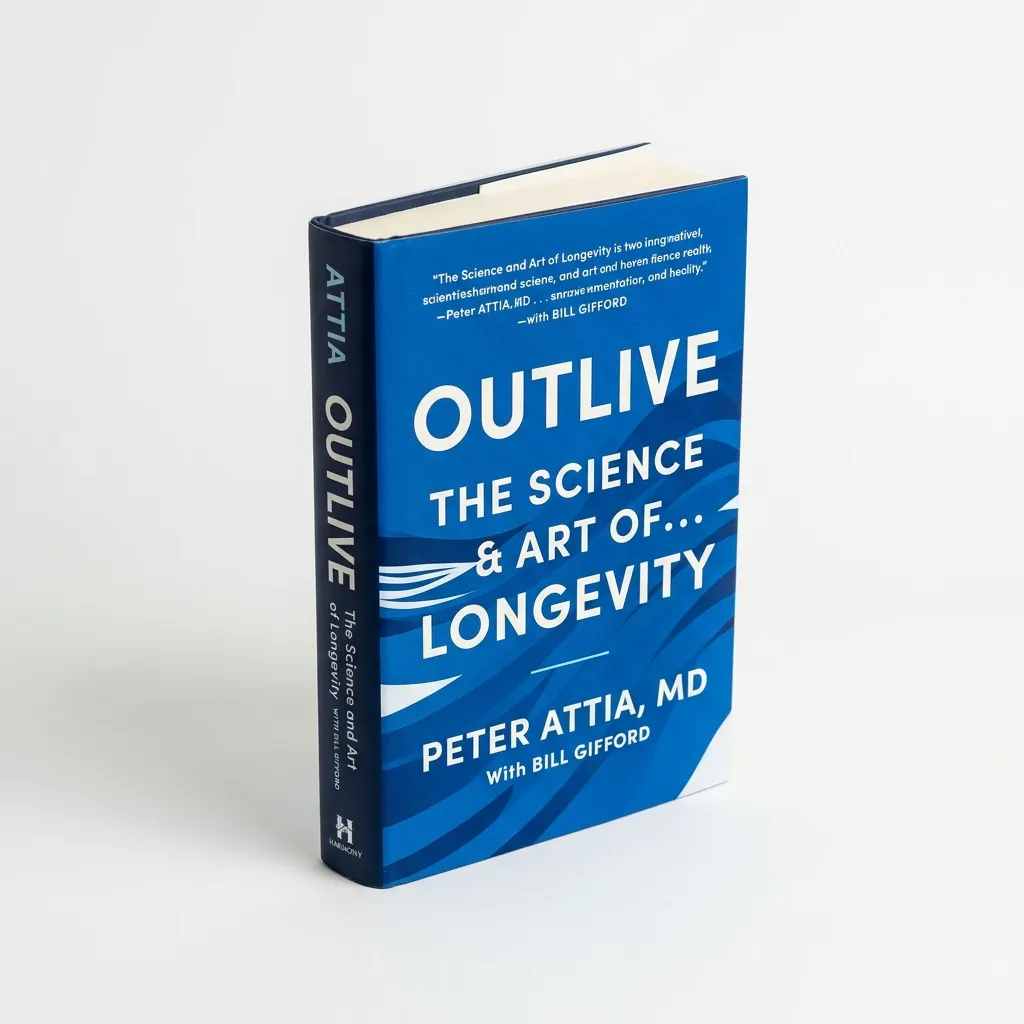
Outlive: The Science & Art of Longevity
Dr. Peter Attia's groundbreaking guide to preventive medicine, exercise for longevity, and healthy aging.
- Scientific framework for Medicine 3.0
- Actionable guide on sleep, exercise & nutrition
Which probiotic strains have documented clinical evidence?
In gastroenterology and clinical immunology, the foundational rule of microbiome medicine is that therapeutic efficacy is strictly strain-specific. A clinical trial demonstrating that Lactobacillus rhamnosus GG prevents antibiotic-associated diarrhea provides zero evidence that another Lactobacillus strain will assist with IBS, metabolic endotoxemia, or allergic rhinoconjunctivitis. PMID 24912386 PMID 34256014 PMID 31616958 PMID 31296969
Furthermore, high Colony Forming Unit (CFU) counts printed on supplement bottles—such as '100 Billion CFU'—are largely marketing theater if the specific strains lack human clinical trial verification or cannot survive gastric acid passage. Multi-strain products containing a dozen unstudied strains frequently exhibit competitive inhibition in vitro. PMID 24912386 PMID 34256014 PMID 31616958 PMID 31296969
The table below outlines the specific microbial strains and prebiotic compounds that have demonstrated statistically significant clinical outcomes in peer-reviewed, double-blind randomized controlled trials. PMID 24912386 PMID 34256014 PMID 31616958 PMID 31296969
| Strain / Bioactive Compound | Primary Clinical Indication | Clinical Mechanism | Target Dosage | Evidence Grade |
|---|---|---|---|---|
| Lactobacillus rhamnosus GG (ATCC 53103) | Antibiotic-associated diarrhea & acute gastroenteritis | Adheres to intestinal mucus, secretes p40/p75 proteins that inhibit epithelial apoptosis | 10–20 billion CFU daily (separated from antibiotics by 2 hours) | Grade A (Cochrane Systematic Reviews) |
| Bifidobacterium animalis subsp. lactis BB-12 | Colonic transit time & functional constipation | Modulates colonic motility, lowers luminal pH via acetate production | 1–10 billion CFU daily | Grade A (Multiple double-blind RCTs) |
| Saccharomyces boulardii (CNCM I-745) | Secondary Clostridioides difficile recurrence & traveler's diarrhea | Degrades bacterial toxins A and B via protease secretion; non-colonizing yeast | 250–500 mg (5–10 billion CFU) twice daily | Grade A (Gastroenterological guidelines) |
| Akkermansia muciniphila (pasteurized) | Metabolic syndrome, insulin resistance & gut barrier permeability | Amuc_1100 outer membrane protein fortifies zonula occludens; stimulates GLP-1 | 10 billion pasteurized cells daily | Grade B (Emerging human RCT data) |
| Inulin & Fructooligosaccharides (FOS) | Bifidogenic stimulation & enhanced calcium absorption | Selective prebiotic substrate for acetate- and butyrate-producing cross-feeding pathways | 5–10 g daily (gradual titration over 14 days) | Grade A (Extensive human nutritional trials) |
| Resistant Starch (Type 3 retrograded) | Distal colonic butyrogenesis & glycemic attenuation | Escapes upper digestion; fermented in distal colon into high-concentration butyrate | 15–30 g daily via cooled tubers/rice or raw potato starch | Grade A (Clinical metabolic studies) |
Prebiotics: selecting effective fibers and preventing digestive distress
While commercial marketing focuses heavily on probiotic pills, prebiotic fiber is the critical limiting factor in long-term microbiome architecture. In typical Western diets, average daily dietary fiber intake hovers around 15 grams, of which genuine prebiotic fructans account for less than 3–4 grams. To sustain robust microbial diversity and luminal SCFA concentrations, prebiotic intake should reach 8–15 grams daily. PMID 24912386 PMID 33452669 PMID 34256014 PMID 30840256
Inulin and FOS derived from chicory root or Jerusalem artichokes represent the most bifidogenic fibers available. However, because they are rapidly fermented in the proximal colon, introducing full doses abruptly produces substantial gas production, abdominal distension, and cramping as bacterial populations rapidly produce hydrogen and carbon dioxide. For patients with Irritable Bowel Syndrome (IBS) or Small Intestinal Bacterial Overgrowth (SIBO), high-FODMAP prebiotics can severely exacerbate symptoms. PMID 24912386 PMID 33452669 PMID 34256014 PMID 30840256
A clinically validated titration protocol involves initiating inulin or partially hydrolyzed guar gum (PHGG) at just 2–3 grams daily for 7 days, allowing bacterial enzymatic capacity to adapt, before escalating by 2 grams per week toward a maintenance target of 8–10 grams daily. PMID 24912386 PMID 33452669 PMID 34256014 PMID 30840256
The aging microbiome: why gut architecture shifts after 40
Human intestinal architecture undergoes marked physiological shifts after the fourth decade of life. Longitudinal metagenomic sequencing reveals a progressive decline in beneficial Bifidobacterium species and butyrate-producing obligate anaerobes (such as Faecalibacterium prausnitzii and Roseburia species), accompanied by an expansion of facultative anaerobic pathobionts (including Enterobacteriaceae). PMID 24912386 PMID 33452669 PMID 31616958 PMID 31296969
This microecological shift is driven by multiple age-related factors: diminished gastric acid secretion (hypochlorhydria), reduced gallbladder motility, altered mucosal secretory IgA production, and slower colonic transit. When butyrate synthesis drops, colonic epithelial cells experience energy deprivation, leading to compromised tight junction integrity and increased intestinal permeability—frequently termed 'gut barrier breakdown'. PMID 24912386 PMID 33452669 PMID 31616958 PMID 31296969
Once the mucosal barrier is compromised, bacterial endotoxins—specifically Lipopolysaccharide (LPS) from the outer membrane of Gram-negative bacteria—translocate into the portal circulation. Circulating LPS binds to Toll-like receptor 4 (TLR4) on hepatocytes and systemic immune cells, triggering chronic low-grade inflammatory signaling (elevated TNF-alpha, IL-6, and high-sensitivity CRP). This phenomenon, known as metabolic endotoxemia, is a primary driver of systemic insulin resistance, vascular calcification, and accelerated biological aging. PMID 24912386 PMID 33452669 PMID 31616958 PMID 31296969
Clinical decision framework: when to choose food vs targeted supplements
For general longevity maintenance and metabolic optimization, diversified fermented whole foods dramatically outperform broad-spectrum commercial probiotic capsules. A landmark Stanford University clinical trial demonstrated that consuming 6 daily servings of fermented foods (yogurt, kefir, fermented vegetables, brine drinks) over 10 weeks produced a robust, dose-dependent increase in overall microbial diversity and a systemic reduction in 19 inflammatory cytokines—an outcome that high-dose isolated fiber supplements failed to match. PMID 24912386 PMID 34256014 PMID 31616958 PMID 31296969
However, targeted supplementation is clinically indicated in distinct scenarios: during and immediately following systemic broad-spectrum antibiotic therapy (using Saccharomyces boulardii or L. rhamnosus GG taken 2 hours apart from medications), during acute traveler's diarrhea exposure in high-risk regions, or in individuals diagnosed with metabolic syndrome requiring pasteurized Akkermansia muciniphila. PMID 24912386 PMID 34256014 PMID 31616958 PMID 31296969
When selecting any probiotic supplement, verify three mandatory criteria: the complete strain designation must be listed (e.g., 'BB-12', not just 'B. lactis'), the CFU guarantee must apply at the expiration date rather than at manufacture, and the strain must have independent clinical trial validation for your specific clinical objective. PMID 24912386 PMID 34256014 PMID 31616958 PMID 31296969
Strategic action plan for microbiome optimization after 40
Building a resilient intestinal microbiome does not require expensive direct-to-consumer stool sequencing kits or proprietary supplement regimens. Clinical evidence supports a structured, four-tier protocol: PMID 24912386 PMID 33452669 PMID 31616958
1. Dietary Diversity: Aim for 30 distinct plant foods per week across legumes, whole grains, seeds, nuts, vegetables, and polyphenol-rich fruits to maximize the variety of microbial substrate niches. PMID 24912386 PMID 33452669 PMID 31616958
2. Daily Fermented Food Ingestion: Incorporate 2–4 servings daily of traditionally fermented foods containing live cultures (e.g., 150g unsweetened Greek yogurt or kefir, 50g raw fermented sauerkraut or kimchi). PMID 24912386 PMID 33452669 PMID 31616958
3. Strategic Prebiotic Titration: Ingest 5–10g of tolerated prebiotic fiber daily from leeks, garlic, onions, cold-retrograded potatoes, or titrated inulin/PHGG powder. PMID 24912386 PMID 33452669 PMID 31616958
4. Judicious Antibiotic Recovery: If antibiotics are medically necessary, immediately deploy S. boulardii (500mg daily) and L. rhamnosus GG (10–20 billion CFU) throughout the course and for 14 days post-treatment to preserve epithelial integrity and prevent opportunistic colonization. PMID 24912386 PMID 33452669 PMID 31616958
Internal Further Reading
Read also in the same cluster

Smart Body Composition Scale
Advanced bioimpedance scale tracking muscle mass, body fat percentage, bone density and hydration.
- Tracks muscle mass & visceral fat
- Wireless sync with health apps
FAQ
Are probiotics and prebiotics the same?
No. Probiotics are live bacteria you ingest. Prebiotics are indigestible fibers that feed your existing gut bacteria and stimulate the production of beneficial metabolic products (postbiotics).
Should I take probiotics every day after 40?
For most healthy individuals, daily consumption of fermented foods (yogurt, kefir, sauerkraut) is a better choice than daily probiotic supplements. Supplements make the most sense in specific situations such as after antibiotics or with documented IBS.
How do I get enough prebiotics through food?
Eat onions, garlic, leeks, asparagus, Jerusalem artichokes, oatmeal and bananas regularly. Aim for 5-15 grams of prebiotic fiber daily. A portion of Jerusalem artichokes (100g) provides approximately 15 grams of inulin alone.
Can probiotics help with weight loss?
The evidence is weak. Some strains of Lactobacillus gasseri have shown moderate efficacy in small Asian studies, but the results have not been robustly reproduced. Dietary changes, increased fiber intake and fermented foods have stronger evidence for metabolic health.
Sources and References
- [1]
- [2]
- [3]
- [4]
Show all 6 sources (2 more)
- [5]
- [6]
Editorial History
5. July 2026
First publication
Initial version was published as part of the metabolic health with introduction, takeaways, FAQ, and reference block.
5. July 2026
Medical review
Phrasing, caveats, and internal links were reviewed for clarity, consistency, and YMYL alignment.
5. July 2026
Latest update
Probiotics vs prebiotics — what makes sense after 40 and what does the research say received updated metadata, reference outputs, and improved decision-support structure.

Medical Review
Medical Review and Update Process
This article has been medically reviewed by Vadim Doroshenko with a focus on clinical accuracy, sources, disclaimers, and whether the conclusions still align with current scientific evidence.

Editorial Profile
Borys Viktorovytj Riabtsev
Borys Viktorovytj Riabtsev publishes Longevity Lab as a research-backed information project on precision medicine, metabolic health, and healthy aging, utilizing rigorous sources, independent medical review, and objective YMYL communication.