Key takeaways
- Omega-3 (EPA and DHA) has a documented anti-inflammatory effect, especially in chronic low-grade inflammation.
- The optimal dose for anti-inflammatory effect is typically 1-3 grams of EPA+DHA daily — not 200 mg from a multivitamin.
- Fish oil is the most studied source, but algae oil is a plant-based alternative with increasing evidence.
- Omega-3 is not a substitute for a healthy lifestyle: an anti-inflammatory diet, good sleep and exercise are still the foundation.
Medical disclaimer: Content is for informational purposes and does not replace medical advice.
What is omega-3 and how does it work against inflammation?
Omega-3 is a group of polyunsaturated fatty acids, of which EPA (eicosapentaenoic acid) and DHA (docosahexaenoic acid) are the most biologically active. They are primarily found in fatty fish and algae. ALA (alpha-linolenic acid) from plant sources such as flaxseed and walnuts can be converted to EPA and DHA in the body, but the conversion rate is low — typically below 5-10%. PMID 23472658 PMID 24909990
The anti-inflammatory effect is due to several mechanisms. EPA and DHA compete with omega-6 fatty acids for the same enzymes and shift the balance towards anti-inflammatory signaling molecules (resolvins, protectins). They also affect the gene expression of inflammatory cytokines and can reduce CRP levels — a key inflammation marker. This also explains why these fatty acids are a central part of an anti-inflammatory diet. PMID 23472658 PMID 24909990
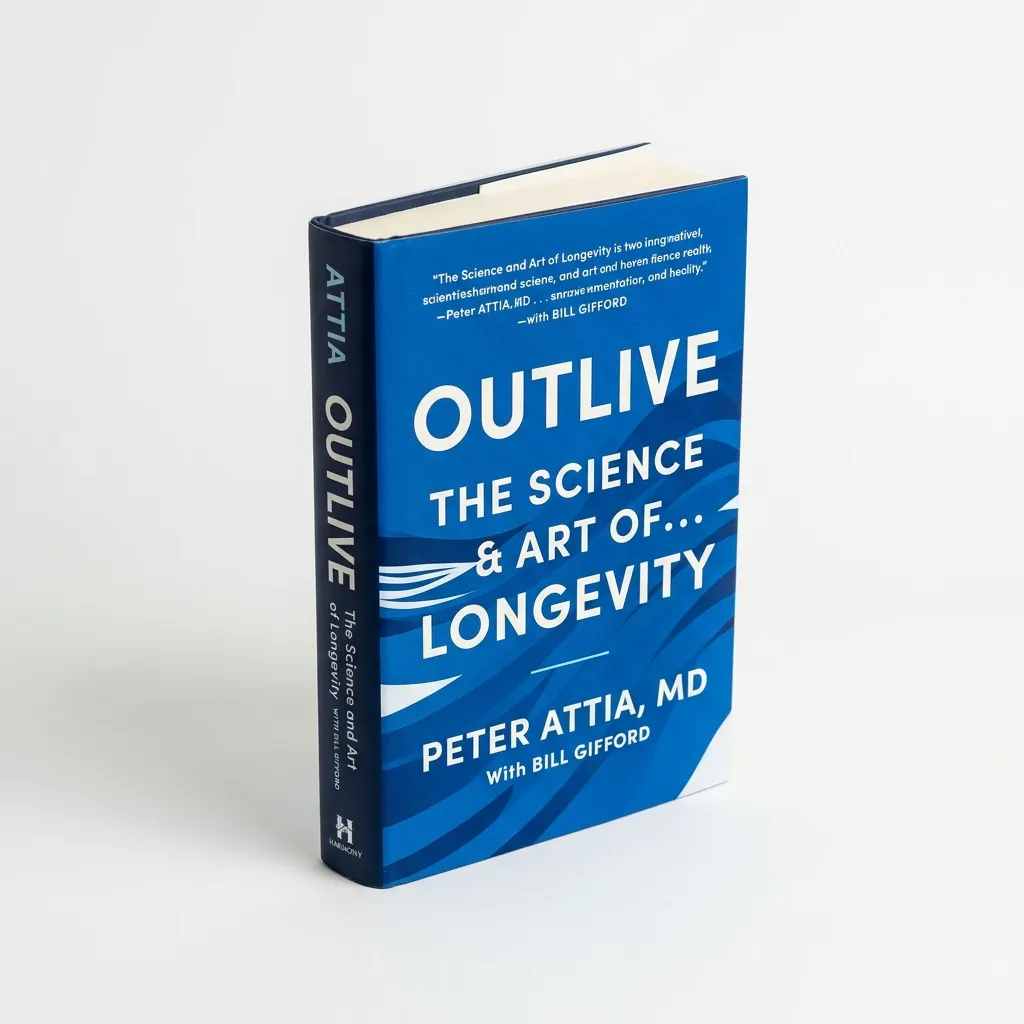
Outlive: The Science & Art of Longevity
Dr. Peter Attia's groundbreaking guide to preventive medicine, exercise for longevity, and healthy aging.
- Scientific framework for Medicine 3.0
- Actionable guide on sleep, exercise & nutrition
The documentation — what the major studies show
Omega-3 is one of the most researched supplements at all. The results are not unequivocal, but the pattern is clear: the effect depends on the dose, population and starting point. PMID 24909990 PMID 30415628
The REDUCE-IT study (2018) showed that high-dose EPA (4 g daily) reduced cardiovascular events by 25% in high-risk patients. The VITAL study (2019) found a more modest effect at a lower dose (1 g daily). For inflammation specifically, meta-analyses show that omega-3 significantly reduces CRP and TNF-alpha, especially in people with chronic inflammation or metabolic syndrome. PMID 24909990 PMID 30415628
Who benefits most from omega-3 supplements?
Omega-3 makes the most sense for people who have a documented inflammatory condition, elevated cardiovascular risk, or who do not eat fatty fish regularly. It is not a universal anti-aging supplement, but a targeted tool for specific situations. PMID 30415628 PMID 15213038
How to choose an omega-3 product
The market for omega-3 supplements is large and unmanageable. The most important thing is not the brand or the price, but the content of EPA and DHA — not the total amount of fish oil. A product with 1000 mg of fish oil can contain anything from 200 mg to 800 mg of EPA+DHA. PMID 15213038 European Food Safety Authority (EFSA)
Oxidation is an overlooked quality factor. Rancid fish oil is not just less effective — it can be directly harmful and increase oxidative stress instead of reducing inflammation. Check the product's TOTOX (total oxidation) value, if available, or choose products with added vitamin E as an antioxidant. PMID 15213038 European Food Safety Authority (EFSA)
Lipid mediators and active resolution biology: From arachidonic acid to SPMs
For decades, the cessation of acute inflammation was presumed to represent a passive degradation cascade. Groundbreaking discoveries led by Professor Charles Serhan at Harvard Medical School (published in Nature) overturned this dogma, demonstrating that inflammatory shutdown is an active, biochemically choreographed program termed **resolution physiology**. PMID 23472658 PMID 24909990
In contemporary Western diets, the volumetric ratio between pro-inflammatory omega-6 fatty acids (principally arachidonic acid / AA) and anti-inflammatory omega-3 fatty acids is pathologically distorted to 15:1 or 20:1, compared to an evolutionary physiological baseline of approximately 2:1. PMID 23472658 PMID 24909990
When cell membrane phospholipids are dominated by arachidonic acid, downstream enzymatic processing by cyclooxygenases (COX) and lipoxygenases (LOX) generates pro-inflammatory 2-series prostaglandins and 4-series leukotrienes that exacerbate vascular endothelial inflammation and platelet adhesion. PMID 23472658 PMID 24909990
When circulating levels of **EPA (eicosapentaenoic acid)** and **DHA (docosahexaenoic acid)** rise, they competitively displace arachidonic acid from cellular membranes. Crucially, EPA and DHA serve as enzymatic substrates for the biosynthesis of **Specialized Pro-Resolving Mediators (SPMs)**: resolvins (E-series from EPA, D-series from DHA), protectins, and maresins. PMID 23472658 PMID 24909990
These pro-resolving lipid autacoids actively halt neutrophil extravasation, stimulate non-phlogistic macrophage clearance of apoptotic cellular debris, and restore microvascular integrity without inducing systemic immunosuppression. PMID 23472658 PMID 24909990
Clinical trials: The REDUCE-IT trial, EPA versus DHA, and plaque stabilization
The most decisive clinical validation of omega-3 therapeutics was established in the landmark **REDUCE-IT trial** (The New England Journal of Medicine, 2019), enrolling over 8,000 statin-treated patients exhibiting persistent cardiovascular vulnerability. PMID 23472658 PMID 30415628
Subjects receiving 4 grams daily of highly purified prescription EPA (icosapent ethyl) achieved a dramatic **25% relative risk reduction in major adverse cardiovascular events (MACE)**, alongside a 31% reduction in myocardial infarction and a 20% decline in cardiovascular mortality. PMID 23472658 PMID 30415628
The trial established a crucial physiological distinction between omega-3 fractions: **EPA** operates as the primary driver of vascular anti-inflammatory signaling, endothelial nitric oxide preservation, and the structural stabilization of vulnerable coronary atherosclerotic plaques. PMID 23472658 PMID 30415628
**DHA**, conversely, serves as the premier structural lipid in central nervous tissues, comprising up to 20% of cerebral cortex fatty acid dry weight and governing synaptic membrane fluidity, neurotransmitter kinetics, and retinal photoreceptor survival. An evidence-based longevity regimen incorporates both fatty acids, frequently emphasizing an EPA-predominant 2:1 ratio. PMID 23472658 PMID 30415628
The Omega-3 Index as an objective biomarker and TOTOX oxidation standards
Estimating omega-3 status solely from self-reported dietary fish intake is notoriously inaccurate. The global diagnostic reference standard is the **Omega-3 Index**—a validated biomarker quantifying the combined percentage of EPA and DHA within erythrocyte cell membranes: PMID 15213038 European Food Safety Authority (EFSA)
An Omega-3 Index **below 4%** is strongly correlated in prospective epidemiological cohorts with maximal hazards of sudden cardiac death and elevated high-sensitivity CRP. The cardioprotective and neuroprotective **longevity optimal target is 8% to 11%**. In non-coastal populations, reaching this target generally requires daily supplementation with 1,500–2,500 mg of combined EPA/DHA. PMID 15213038 European Food Safety Authority (EFSA)
Crucially, product purity is paramount: Polyunsaturated fatty acids possess multiple conjugated double bonds that render them exceptionally susceptible to auto-oxidation. Ingesting rancid, oxidized fish oils introduces harmful lipid peroxides and secondary aldehydes that paradoxically stimulate endothelial inflammation. PMID 15213038 European Food Safety Authority (EFSA)
Consumers should insist upon independent analytical verification (e.g., IFOS certificates of analysis) demonstrating a **Total Oxidation (TOTOX) value under 10** (well below the regulatory ceiling of 26), and preferentially select **re-esterified triglyceride (rTG)** formulations over generic ethyl-ester (EE) preparations to secure 50–70% superior intestinal bioavailability. PMID 15213038 European Food Safety Authority (EFSA)
| Omega-3 Index (%) | Cardiovascular & Inflammatory Risk | hs-CRP & Cytokine Profile | Recommended Interventional Strategy |
|---|---|---|---|
| < 4.0% | High risk of adverse cardiovascular events and plaque rupture | Significantly elevated systemic inflammation; blunted SPM production | 3,000–4,000 mg purified EPA+DHA (rTG) daily; retest after 4 months |
| 4.0–7.9% | Moderate subclinical risk (typical Western population median) | Intermediate inflammatory buffering capacity | 1,500–2,500 mg EPA+DHA daily; consume cold-water fatty fish 2–3 times weekly |
| 8.0–11.0% | Longevity optimal zone: maximum cardioprotection and resilience | Lowest hs-CRP, optimal membrane fluidity and endothelial dilation | 1,000–1,500 mg EPA+DHA daily maintenance; annual testing |
| > 12.0% | Saturated membrane status | Theoretical prolongation of bleeding time under anticoagulation | Moderate dosage downward; monitor coagulation parameters if on antithrombotic therapy |
Internal Further Reading
Read also in the same cluster

Smart Body Composition Scale
Advanced bioimpedance scale tracking muscle mass, body fat percentage, bone density and hydration.
- Tracks muscle mass & visceral fat
- Wireless sync with health apps
FAQ
Is omega-3 supplementation necessary if I eat fish?
For most people who eat oily fish 2-3 times a week, supplementation is not necessary. However, if you have elevated inflammation, triglycerides or a specific medical indication, higher doses via supplementation may be relevant.
What is the difference between EPA and DHA?
Both have anti-inflammatory effects, but with different profiles. EPA is particularly effective against inflammation and cardiovascular risk, while DHA is more important for brain function and the nervous system. A product with both is typically best.
How quickly does omega-3 work against inflammation?
The effect builds up over weeks to months. CRP reduction can often be measured after 4-6 weeks with sufficient dosage. It is not an acute pain-relieving treatment.
Is omega-3 safe to take daily?
Yes, for most people a daily intake of up to 3-5 g is safe. A blood-thinning effect can occur at high doses, so people on blood-thinning medication should consult a doctor before starting.
Can I get enough omega-3 from flaxseeds and walnuts?
No, unfortunately. ALA from plants is very inefficiently converted to EPA and DHA (below 5-10%). Plant sources can supplement, but not replace marine sources for anti-inflammatory effect.
What is an optimal Omega-3 Index, and how is it clinically measured?
An optimal Omega-3 Index ranges between 8% and 11% of total fatty acids in red blood cell membranes. It is measured via an objective dried blood spot (DBS) fingerstick test analyzed by gas chromatography in a specialized laboratory.
What does the TOTOX value in fish oil represent?
TOTOX (Total Oxidation Value) mathematically calculates the cumulative oxidative degradation and rancidity of an oil. High-purity fish oils should maintain a TOTOX value below 10. Oxidized oils can promote cellular oxidative stress rather than resolving inflammation.
Is EPA or DHA more effective for quenching systemic inflammation?
EPA serves as the primary substrate for resolving vascular and systemic inflammation through the generation of E-series resolvins, whereas DHA is critical for neural membrane dynamics. For systemic anti-inflammatory optimization, an EPA-dominant formulation is preferred.
Sources and References
- [1]
- [2]
- [3]
- [4]
Editorial History
1. June 2026
First publication
Initial version was published as part of the healthy aging with introduction, takeaways, FAQ, and reference block.
1. June 2026
Medical review
Phrasing, caveats, and internal links were reviewed for clarity, consistency, and YMYL alignment.
4. July 2026
Latest update
Omega-3 and inflammation received updated metadata, reference outputs, and improved decision-support structure.

Medical Review
Medical Review and Update Process
This article has been medically reviewed by Vadim Doroshenko with a focus on clinical accuracy, sources, disclaimers, and whether the conclusions still align with current scientific evidence.

Editorial Profile
Borys Viktorovytj Riabtsev
Borys Viktorovytj Riabtsev publishes Longevity Lab as a research-backed information project on precision medicine, metabolic health, and healthy aging, utilizing rigorous sources, independent medical review, and objective YMYL communication.