Key takeaways
- Overall Winner for Sleep Staging & Recovery: Oura Ring 4 leads with 79% agreement against clinical polysomnography (PSG) and superior overnight body temperature shift tracking.
- Best for Daily Athletic Strain & Sleep Debt: Whoop 4.0 wins for active cardiovascular coaching and 24/7 strain budgeting, though requires a continuous €30/month membership.
- Best Subscription-Free Alternative: Ultrahuman Ring AIR (2.4g) delivers solid sleep tracking and circadian phase mapping with zero monthly fees.
- Sensor Mechanics: Digital palmar arteries in the finger deliver 3-5x stronger photoplethysmography (PPG) pulse amplitude than dorsal wrist sensors during nocturnal vasoconstriction.
Medical disclaimer: Content is for informational purposes and does not replace medical advice.
What actually separates consumer sleep trackers in 2026
Consumer sleep tracking has matured beyond basic accelerometers that simply recorded when you stopped moving. Modern devices utilize multi-wavelength photoplethysmography (infrared, green, and red LEDs), negative temperature coefficient (NTC) thermistors, and continuous accelerometry to reconstruct nocturnal autonomic nervous system activity. American Academy of Sleep Medicine PMID 37532372
The critical benchmark is not whether an app assigns you an arbitrary 'sleep score' from 1 to 100, but how accurately it captures three core physiological markers: nocturnal resting heart rate (HR), root mean square of successive differences (rMSSD heart rate variability), and baseline temperature deviations. American Academy of Sleep Medicine PMID 37532372
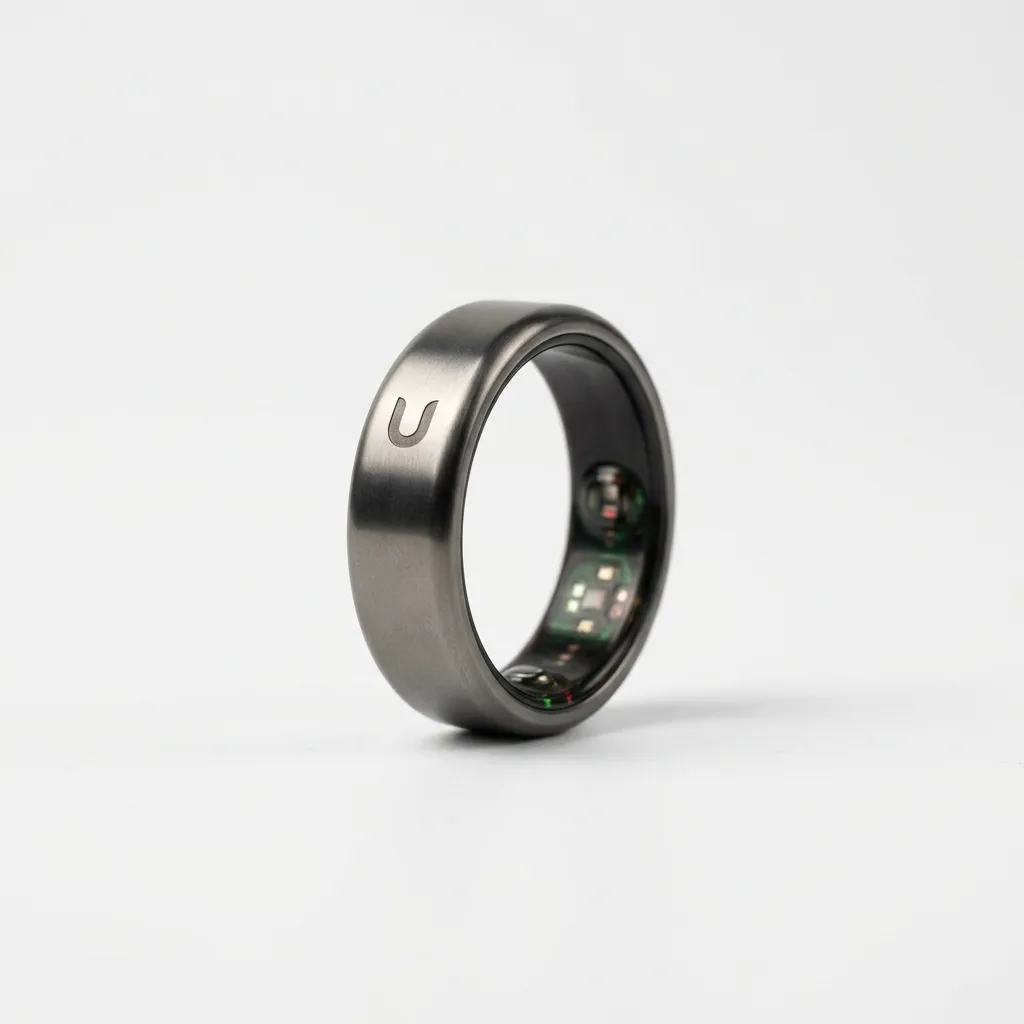
Ultrahuman Ring AIR Smart Ring
Ultra-lightweight titanium smart ring tracking sleep stages, HRV, body temperature and metabolic recovery.
- Weighs only 2.4 grams in fighter-grade titanium
- No monthly subscription fees required
The Big Three: Oura Ring 4, Whoop 4.0, and Ultrahuman Ring AIR
Oura Ring 4 remains the gold standard for dedicated sleep tracking. By positioning sensors inside a titanium band directly against the digital arteries on the palm side of the finger, it minimizes light leakage and motion artifacts during deep sleep. PMID 37532372 Oura Help
Whoop 4.0 approaches recovery from an athletic strain perspective. Because it is worn on the wrist or bicep with an elastic band, it excels during contact sports and intense training where rings can cause skin pinching or ring avulsion risk. PMID 37532372 Oura Help
Ultrahuman Ring AIR stripped away all extra weight, hitting 2.4 grams. Its unique advantage lies in software integration: pairing sleep debt with continuous glucose monitor (CGM) excursions and personal circadian phase timing. PMID 37532372 Oura Help
Clinical accuracy: Wearable PPG versus Polysomnography (PSG)
Polysomnography (PSG)—combining EEG brainwaves, EOG eye movements, and EMG muscle tone—remains the medical standard for sleep architecture. No consumer wearable can fully match EEG-derived sleep stage transitions. Oura Help WHOOP
However, peer-reviewed clinical validations show that modern multi-sensor rings achieve 76% to 79% four-stage classification agreement (Wake, Light, Deep/SWS, REM) against PSG. Light vs. Deep sleep transitions show the widest variance, while total sleep duration, sleep onset latency, and nocturnal awakenings are tracked with greater than 90% fidelity. Oura Help WHOOP
Comprehensive comparison: Hardware, pricing, and biometric fidelity
To make an informed purchase, compare the hardware specs, battery intervals, and long-term ownership costs across the three major ecosystems in 2026. WHOOP Ultrahuman
| Device | Form Factor | Battery Life | Subscription Cost | Key Clinical Strength | Main Trade-off |
|---|---|---|---|---|---|
| Oura Ring 4 | Titanium ring (recessed sensors) | 5–8 days | €5.99 / month (1st month free) | Class-leading sleep staging (~79% PSG match) & circadian temperature tracking | Ring form factor is awkward for heavy barbell lifting and pull-ups |
| Whoop 4.0 | Screenless wrist/bicep fabric strap | 4–5 days (on-the-go battery pack) | €30 / month or €264 / year (hardware included) | Continuous cardiovascular Strain coaching and granular sleep debt budgeting | Mandatory ongoing subscription; no offline screen display |
| Ultrahuman Ring AIR | Ultra-lightweight titanium ring (2.4g) | 4–6 days | No subscription required | Direct blood glucose (CGM) correlation and circadian phase alignment | Sleep algorithm has slightly higher variance in REM classification than Oura |
Who wins for your specific use case?
For 80% of readers seeking pure sleep optimization, recovery insight, and illness detection via temperature shifts, Oura Ring 4 is the clear winner. Its passive form factor produces virtually zero friction, meaning adherence over 12 months remains exceptionally high. Ultrahuman
If your lifestyle revolves around competitive crossfit, endurance athletics, or daily heart rate zone management, Whoop 4.0 provides a superior holistic training load engine. Ultrahuman
If you reject recurring software subscriptions on principle or already wear a continuous glucose monitor (such as Abbott FreeStyle Libre or Dexcom), Ultrahuman Ring AIR is the smartest long-term economic investment. Ultrahuman
Avoiding 'Orthosomnia': When tracking does more harm than good
A critical clinical phenomenon in sleep medicine is orthosomnia: the anxiety and insomnia caused by an obsessive preoccupation with perfecting wearable sleep metrics. Ultrahuman
If waking up to an algorithmically computed 'fair' readiness score ruins your morning psychology despite feeling rested, stop checking your dashboard upon waking. Use sleep trackers to identify macro-trends—such as the measurable 15-20% drop in deep sleep after evening alcohol or late carbohydrate meals—rather than judging your self-worth by a daily percentage. Ultrahuman
The best sleep tracker is the one with the lowest friction
If you do not wear your sleep monitor consistently every night, technical feature specifications become entirely irrelevant. The optimal sleep tracker for most individuals is therefore the device that seamlessly aligns with your physical comfort, bedtime routine, and lifestyle preferences. A smart ring wins on night-time unobtrusiveness, a fitness strap on athletic strain logic, and a mobile app on software cost at the expense of physiological sensor precision. American Academy of Sleep Medicine PMID 37532372 Oura Help WHOOP Ultrahuman
This grounds purchasing decisions in practical reality: prioritize low everyday friction over elaborate dashboard visualizations, selecting the device that delivers a transparent next action without turning sleep into a stressful performance exam. American Academy of Sleep Medicine PMID 37532372 Oura Help WHOOP Ultrahuman
Sleep stages are the weakest purchasing justification
Wearables heavily promote deep, light, and REM sleep breakdowns, yet consumer sleep staging algorithms remain prone to misclassification and user overinterpretation. Longitudinal trends in sleep regularities, total duration, resting heart rate, and subjective morning vitality are far more actionable than chasing an elusive deep sleep percentage. American Academy of Sleep Medicine PMID 37532372
Consequently, an evidence-based buyer guide prioritizes practical behavioral feedback over decorative hypnogram charts, fostering healthier sleep habits without inducing orthosomnia. American Academy of Sleep Medicine PMID 37532372
| Biometric Signal | Best Application | Common User Error |
|---|---|---|
| Bedtime consistency & rhythm | Circadian habit formation | Ignoring weekend shifts and alcohol intake |
| HRV / resting heart rate | Long-term recovery trends | Overinterpreting single isolated nights |
| Sleep stages (REM / Deep) | Broad directional context | Treating algorithmic estimates as clinical EEG truth |
Purchasing decision framework: what habit will it actually transform?
Before purchasing a tracker, you should clearly identify the exact behavior you intend to modify. Do you aim to stabilize your bedtime schedule, curb evening alcohol consumption, periodize heavy training sessions, or systematically optimize your recovery? Without a clear operational objective, any wearable quickly degrades into passive digital noise. American Academy of Sleep Medicine Oura Help WHOOP Ultrahuman
The highest-value consumer choice directly targets a tangible habit bottleneck, driving lasting lifestyle adherence and meaningful healthspan gains. American Academy of Sleep Medicine Oura Help WHOOP Ultrahuman
Internal Further Reading
Read also in the same cluster
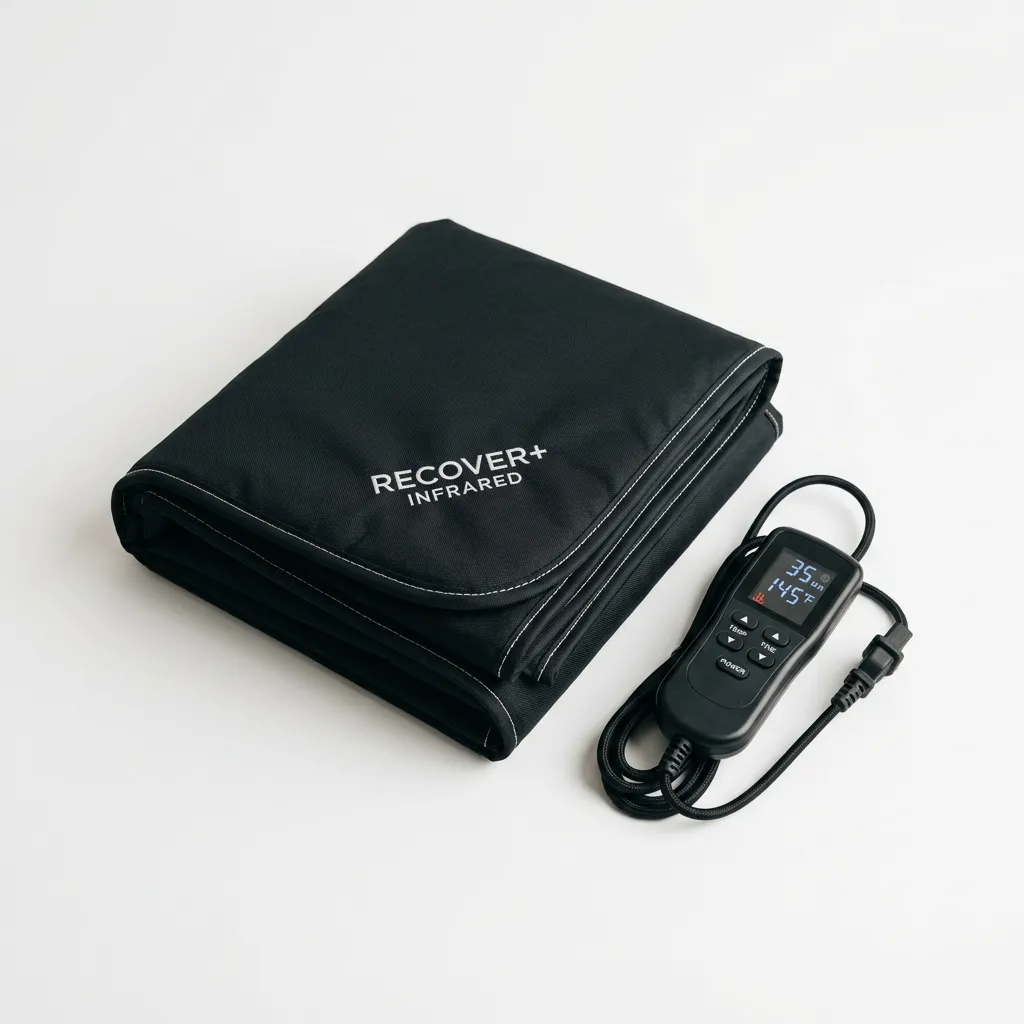
Infrared Sauna Blanket for Home Use
Infrared sauna blanket delivering deep thermal therapy, triggering heat shock proteins (HSP) and circulation.
- Far-infrared deep penetrating heat
- Triggers autophagy response & calorie burn
FAQ
Is Oura Ring 4 more accurate for sleep than Apple Watch Series 10?
Apple Watch has a slightly higher raw correlation with PSG EEG stages in laboratory studies, but Oura achieves superior real-world adherence because wearing a discreet ring to bed every night is far more comfortable than a bulky smartwatch with daily charging requirements.
Does Whoop 4.0 work without its monthly subscription?
No. Whoop is an all-inclusive SaaS model; if you cancel your €30/month membership, the device stops recording and the application locks all analytical functionality.
Can consumer sleep trackers detect sleep apnea?
They can flag blood oxygen desaturations (SpO2 drops) and breathing disturbances, but they are not FDA-cleared diagnostic polysomnography devices. Frequent desaturations below 92% warrant a formal clinical sleep study.
Why is finger pulse measurement better than wrist measurement for sleep?
The palmar digital arteries in the finger sit much closer to the skin surface without muscle tissue interference. When peripheral vasoconstriction occurs during nocturnal parasympathetic dominance, finger PPG maintains a higher signal-to-noise ratio than dorsal wrist sensors.
How long does it take for a tracker to establish an individual baseline?
Expect 14 to 21 consecutive days of wear for temperature deviations, resting heart rate, and baseline HRV distributions to normalize statistically.
Should I select a sleep tracker based on its sleep score?
No. Proprietary sleep scores are simply UI interpretations. Choose based on physical comfort, adherence, consistent longitudinal trends, and whether the data genuinely motivates sustainable routine improvements.
Is a consumer sleep tracker sufficient when sleep apnea is suspected?
No. Clinical symptoms such as heavy chronic snoring, severe daytime fatigue, or witnessed breathing pauses require formal clinical evaluation via polygraphy or polysomnography.
Which form factor is best: smart ring, band, or smartwatch?
Smart rings (such as Oura Ring 4 or Ultrahuman Ring Air) offer superior nocturnal comfort with minimal friction. Bands (such as Whoop 4.0) excel in athletic strain and recovery coaching, while smartwatches (like Apple Watch) provide comprehensive daytime utility but demand frequent charging.
Sources and References
- [1]
- [2]
- [3]
- [4]
Show all 5 sources (1 more)
- [5]
Editorial History
15. April 2026
First publication
Initial version was published as part of the wearables with introduction, takeaways, FAQ, and reference block.
15. April 2026
Medical review
Phrasing, caveats, and internal links were reviewed for clarity, consistency, and YMYL alignment.
4. July 2026
Latest update
Best sleep tracker 2026 received updated metadata, reference outputs, and improved decision-support structure.

Medical Review
Medical Review and Update Process
This article has been medically reviewed by Vadim Doroshenko with a focus on clinical accuracy, sources, disclaimers, and whether the conclusions still align with current scientific evidence.

Editorial Profile
Borys Viktorovytj Riabtsev
Borys Viktorovytj Riabtsev publishes Longevity Lab as a research-backed information project on precision medicine, metabolic health, and healthy aging, utilizing rigorous sources, independent medical review, and objective YMYL communication.