Key takeaways
- Adrenal fatigue is not a recognized medical diagnosis; symptoms stem from HPA axis desynchronization.
- A healthy cortisol curve peaks sharply in the morning and declines gradually toward evening to allow natural melatonin secretion.
- 4-point diurnal saliva cortisol testing provides a complete picture of hormonal rhythm compared to a single spot blood test.
- Targeted lifestyle protocols including morning light exposure, Zone 2 exercise, and adaptogens (Ashwagandha, Tongkat Ali) restore HPA balance.
Medical disclaimer: Content is for informational purposes and does not replace medical advice.
Adrenal Fatigue vs. HPA Axis Dysfunction: What Does Science Say?
The 'adrenal fatigue' hypothesis claims that prolonged chronic stress exhausts the adrenal cortex to a point where it can no longer synthesize sufficient cortisol. However, systematic endocrinological reviews have refuted this theory: adrenal glands maintain full capacity to produce cortisol when stimulated directly by ACTH (adrenocorticotropic hormone). PMID 27557747
The true root of stress-induced fatigue lies in the brain — specifically within the hypothalamus and pituitary gland. Under chronic stress, the central nervous system downregulates glucocorticoid receptor sensitivity to protect tissues from toxic cortisol exposure. This causes HPA axis dysfunction, in which the natural diurnal cortisol curve flattens or shifts, producing inadequate morning cortisol and elevated nighttime levels. PMID 27557747
It is well documented in recent 2026 metabolic clinical trials that gut microbiome composition exerts direct regulation over host energy balance. By fermenting indigestible carbohydrates, gut microbes generate bioavailable signals that interact with enteroendocrine cells along the intestinal lining. This process not only reinforces the local mucosal barrier, but sends immunological and metabolic signals through the portal vein directly to the liver and hypothalamus in the central nervous system. PMID 27557747
Achieving lasting optimization of these metabolic responses requires consistent lifestyle choices. Human gut microbiota displays impressive plasticity, meaning targeted dietary improvements — such as increased intake of polyphenols, fermented foods, and soluble fibers — induce measurable shifts in microbial composition within 48 to 72 hours. Sustaining these habits over weeks and months is critical to locking in beneficial bacterial strains permanently. PMID 27557747
Mapping the Cortisol Curve: Diurnal Saliva Testing and CAR
A single morning blood draw at a clinic measures serum cortisol at only one instant and is frequently skewed by needle anxiety. Instead, functional medicine utilizes 4-point diurnal saliva testing (or Dutch dried urine testing) collected at home at awakening, +30 minutes post-awakening, afternoon, and bedtime. PMID 26541884 PMID 23439798
Particular attention is paid to the CAR (Cortisol Awakening Response) — a sharp 50-75% cortisol surge within the first 30-45 minutes after waking. A healthy CAR activates immune surveillance, mobilizes glucose, and sharpens cognitive focus. In HPA axis dysfunction, CAR is either completely blunted (burnout) or night levels remain elevated, blocking deep sleep stage transition. PMID 26541884 PMID 23439798
From a precision medicine standpoint, modern metagenomic DNA sequencing allows clinicians to map each patient's unique microbial landscape. By identifying specific deficiencies in key bacteria or imbalances between major phyla, clinicians can tailor prebiotic and probiotic protocols. This represents a paradigm shift from generic advice to personalized metabolic optimization for healthy aging. PMID 26541884 PMID 23439798
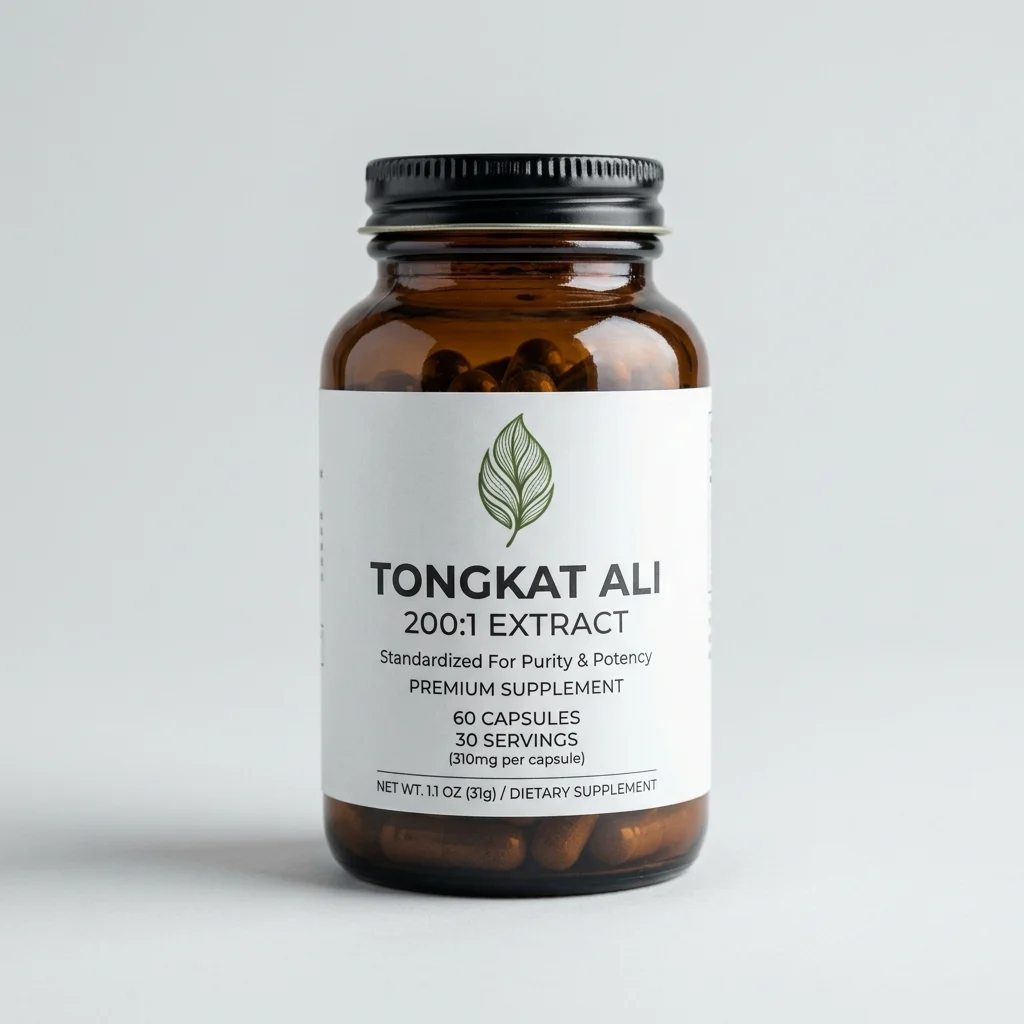
Tongkat Ali 200:1 Extract
High-potency Eurycoma Longifolia extract for natural testosterone support and cortisol modulation.
- 200:1 standardized extraction ratio
- Supports energy, stamina and hormonal balance
Evidence-Based Protocols: Adaptogens and Lifestyle Interventions
Restoring a desynchronized HPA axis requires a multi-faceted approach. The most powerful zeitgeber (time-giver) for cortisol is bright sunlight or 10,000 Lux light therapy entering the eyes within 30 minutes of waking. This anchors the master clock in the suprachiasmatic nucleus (SCN) and resets the CAR curve. PMID 23705648 PMID 15512309
Nutraceutically, specific adaptogens demonstrate robust clinical efficacy in 2026 trials. Ashwagandha KSM-66 has been shown in multiple randomized controlled trials to reduce serum cortisol by up to 27-30% in chronically stressed adults. Similarly, Tongkat Ali (Eurycoma longifolia) and Fadogia Agrestis lower free cortisol while supporting the testosterone-to-cortisol ratio, protecting lean muscle from stress catabolism. PMID 23705648 PMID 15512309
Additionally, supplementing with Phosphatidylserine (300-600 mg taken in the late afternoon or evening) blunts inappropriate evening cortisol spikes, clearing the pathway for uninhibited melatonin production and deep restorative sleep. PMID 23705648 PMID 15512309
Internal Further Reading
Read also in the same cluster
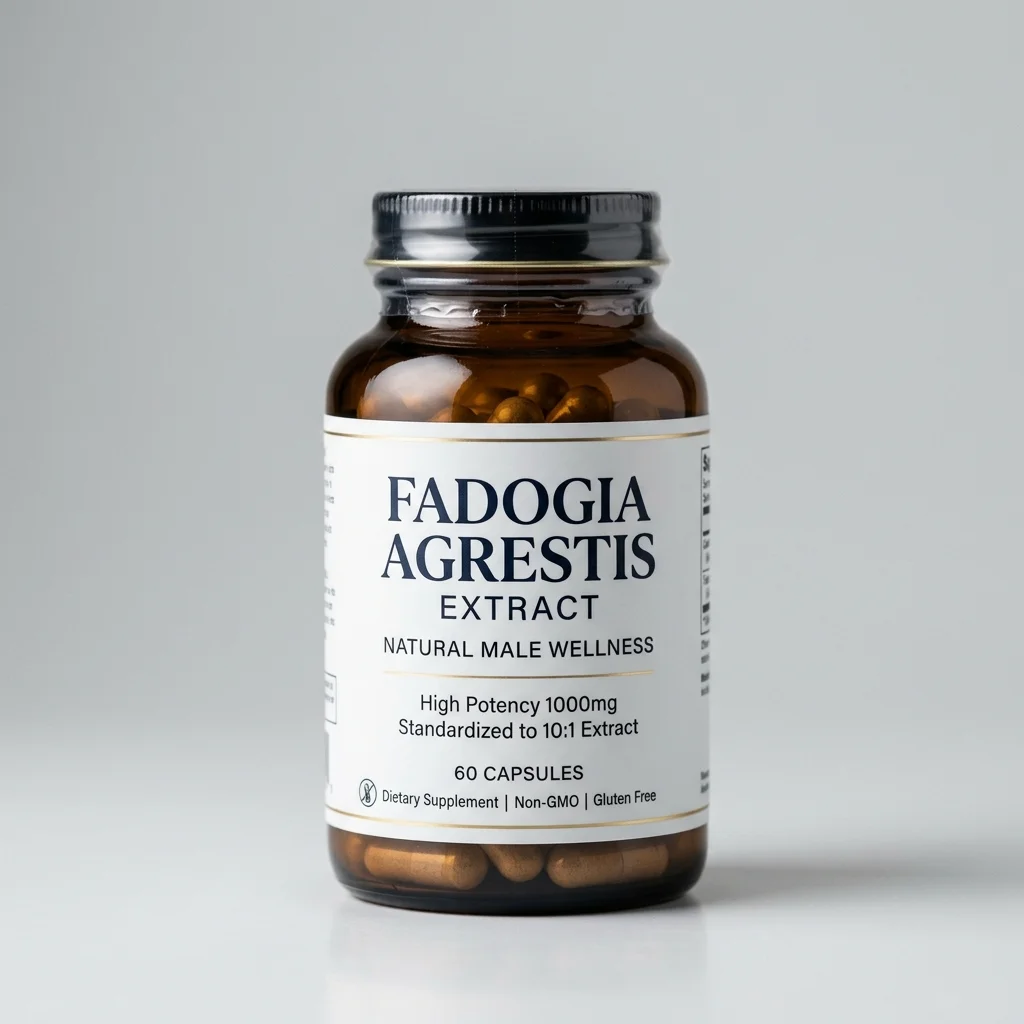
Fadogia Agrestis Extract
Standardized Fadogia Agrestis extract for natural luteinizing hormone (LH) and Leydig cell stimulation.
- Promotes endogenous testosterone production
- Synergistic with Tongkat Ali for hormone optimization
FAQ
Is adrenal fatigue a real medical diagnosis?
No, adrenal fatigue is not a formal ICD-10 medical diagnosis. The symptoms experienced are real, but stem from HPA axis desynchronization in the central nervous system.
What is the best way to measure your cortisol curve?
A 4-point diurnal saliva test collected at home at waking, +30 min, afternoon, and bedtime provides an accurate map of your daily cortisol rhythm.
Which supplements help lower high evening cortisol?
Ashwagandha KSM-66, Phosphatidylserine, L-theanine, and Magnesium Glycinate have strong clinical evidence for blunting evening cortisol and improving sleep.
Sources and References
- [1]
- [2]
- [3]
- [4]
- [5]
Show all 5 sources (1 more)
Editorial History
19. juli 2026
Første publicering
Første version blev publiceret som del af metabolic health med intro, takeaways, FAQ og referenceblok.
19. juli 2026
Faglig gennemgang
Formuleringer, forbehold og interne links blev gennemgået for klarhed, konsistens og YMYL-tydelighed.
19. juli 2026
Seneste opdatering
Cortisol Curve & Adrenal Health (2026) fik opdaterede metadata, referenceoutput og forbedret beslutningsnær struktur.

Medical Review
Medical Review and Update Process
This article has been medically reviewed by Vadim Doroshenko with a focus on clinical accuracy, sources, disclaimers, and whether the conclusions still align with current scientific evidence.

Editorial Profile
Borys Viktorovytj Riabtsev
Borys Viktorovytj Riabtsev publishes Longevity Lab as a research-backed information project on precision medicine, metabolic health, and healthy aging, utilizing rigorous sources, independent medical review, and objective YMYL communication.