Key takeaways
- Private blood tests only make sense if they are used in a clear clinical or preventive context.
- A smaller panel with high action value is often better than a large panel with low direction.
- Results without interpretation can increase stress and overdiagnosis instead of creating clarity.
- Classic markers like glucose, blood pressure, lipids and liver status are often more useful than exotic packages.
Medical disclaimer: Content is for informational purposes and does not replace medical advice.
Why the market is growing
The market for private tests is growing because more people want to act earlier and more precisely. It fits naturally into the longevity economy, where control, personalization and prevention are key sales promises. American Diabetes Association CDC
But testing access has grown faster than understanding how results should be used. Therefore, good filtration is more important than ever. American Diabetes Association CDC
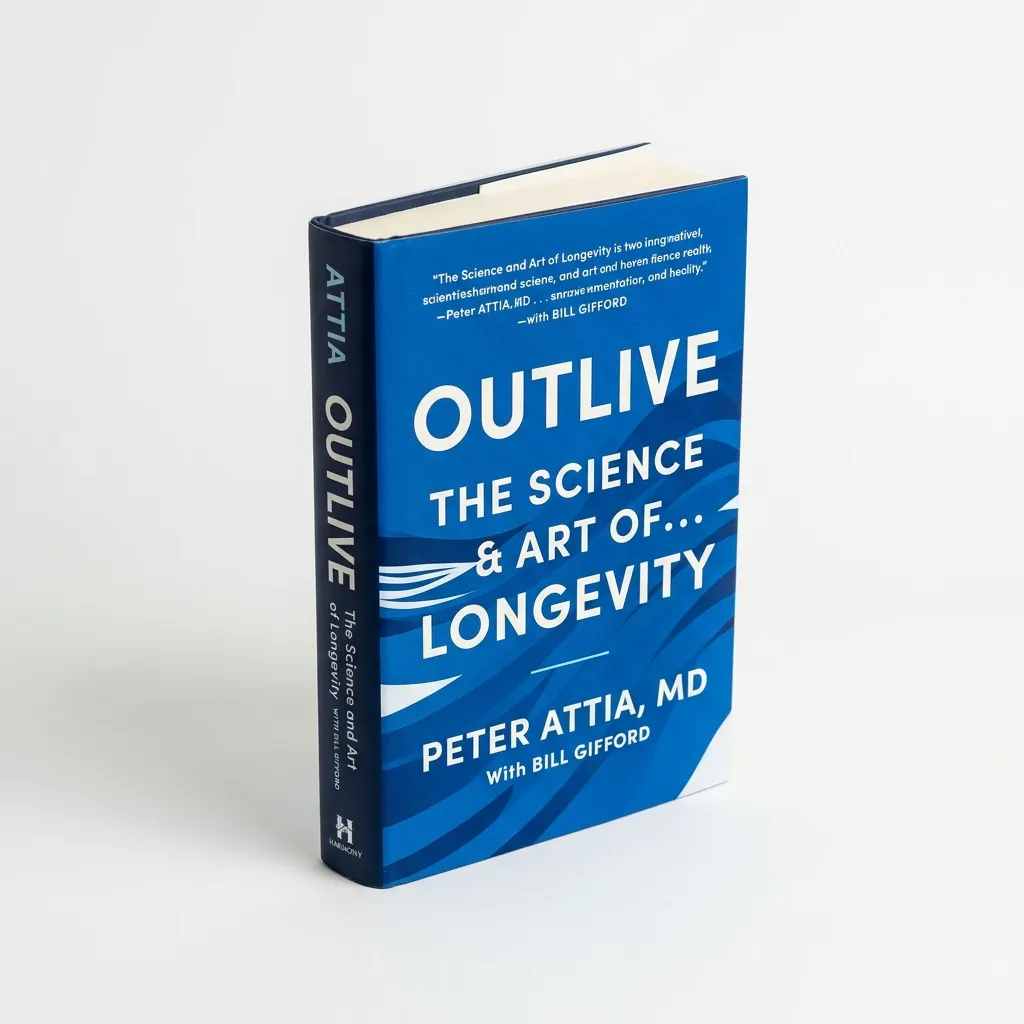
Outlive: The Science & Art of Longevity
Dr. Peter Attia's groundbreaking guide to preventive medicine, exercise for longevity, and healthy aging.
- Scientific framework for Medicine 3.0
- Actionable guide on sleep, exercise & nutrition
Which tests often make the most sense
For most adults, the most action-oriented samples are still quite classic. They can say something meaningful about metabolic health, inflammation, liver load, and cardiovascular risk. CDC CDC
It is precisely these markers that can most often be used together with weight, blood pressure, sleep, activity and symptoms to manage a real course. You can read a detailed breakdown of the most critical measurements in our guide to the 10 critical biomarkers for healthy aging. CDC CDC
A smaller panel is often better than a wide showcase panel
Many readers become unsure because they see large package solutions as more intelligent. In practice, a sober comparison often gives more peace of mind and better decisions. CDC NIDDK
The table shows the difference between a functional baseline panel and a panel that risks providing more noise than utility. CDC NIDDK
What is often exaggerated
Large biomarker panels look impressive, but do not automatically provide better decisions. Isolated deviations without symptoms or connection can easily become noise and unnecessary follow-up. NIDDK PMID 33307037
The same applies to tests marketed as anti-aging answer machines. If they can't explain what you need to do differently afterwards, the usefulness is limited. NIDDK PMID 33307037
A practical filter before you buy
Always ask: What would I do differently with a high, low or unclear result? If the answer is unclear, the test is probably not the first priority. PMID 33307037 Genome Biology
It is also worth knowing who interprets the results and whether there is a professional who takes responsibility for follow-up if something looks wrong. PMID 33307037 Genome Biology
A worthwhile biomarker panel starts with a decisive question
The critical differentiator between a valuable private blood testing panel and an unhelpful one is not the absolute number of biomarkers tested. It is whether each finding directly informs an actionable decision: does an abnormal value prompt re-testing, lifestyle intervention, medical consultation, or baseline tracking? American Diabetes Association CDC CDC NIDDK
Foundational clinical biomarkers frequently deliver greater longevity utility than speculative novelty panels. Fasting glucose, HbA1c, comprehensive lipid fractions, liver enzymes, and renal indices connect immediately to evidence-based interventions. An exotic longevity biomarker may sound captivating, but carries low utility if the downstream clinical response is ambiguous. American Diabetes Association CDC CDC NIDDK
- Define upfront what clinical or lifestyle adjustments an abnormal or borderline result will trigger.
- Prioritize laboratory panels supported by established clinical follow-up frameworks.
- Avoid bundled commercial panels designed to sell reassurance rather than actionable clinical insight.
Where private blood testing degenerates into diagnostic noise
Diagnostic noise arises when extensive multi-marker panels uncover incidental, minor physiological fluctuations that bear no relation to clinical symptoms, baseline risk, or therapeutic targets. This routinely sparks unnecessary anxiety, redundant testing, and health neurosis. PMID 33307037 Genome Biology
The prudent model is structured in hierarchical tiers: establish foundational cardiometabolic baselines first, introduce symptom-targeted investigation panels second, and reserve experimental multi-omics or epigenetic assays for specialized exploration once basics are optimized. PMID 33307037 Genome Biology
| Diagnostic Tier | Representative Biomarkers | Clinical Indication |
|---|---|---|
| Baseline Tier | HbA1c, comprehensive lipids, ALAT, eGFR | Foundational longevity tracking and annual monitoring. |
| Targeted Tier | Ferritin, Vitamin B12, Vitamin D3, TSH | Triggered by persistent symptoms, fatigue, or familial history. |
| Advanced Tier | DNA methylation, multi-omics, metabolomics | Exploratory tracking once foundational baselines are mastered. |
The smartest purchasing decision is often testing less
If a private diagnostic service provider cannot clearly articulate clinical guidelines following an aberrant result, the panel fails as a responsible healthcare product. Presenting raw numbers on a smartphone dashboard without reference intervals, pre-analytical requirements, and medical escalation criteria creates vulnerability. American Diabetes Association CDC PMID 33307037
Long-term health optimization favors concise, repeatable testing of validated biomarkers over expensive, comprehensive panels that generate uninterpretable statistical noise. American Diabetes Association CDC PMID 33307037
Internal Further Reading
Read also in the same cluster

Smart Body Composition Scale
Advanced bioimpedance scale tracking muscle mass, body fat percentage, bone density and hydration.
- Tracks muscle mass & visceral fat
- Wireless sync with health apps
FAQ
Are private blood tests necessary for everyone?
No. Many benefit more from classic medical contact, blood pressure, weight, activity and simple core tests than large private panels.
Are more biomarkers always better?
No. More measurements can increase complexity without improving the decision. Action value is more important than volume.
What is the biggest mistake?
Paying for tests that are not linked to symptoms, risk profile or a plan for what to do next.
What type of panel is best to start with?
For most people, a smaller baseline panel with high action value is better than a large showcase panel with many unclear findings.
When does an extended panel make sense?
Typically only when there is a clear clinical or preventive problem that justifies more depth and interpretation.
Should I order an all-inclusive biomarker panel all at once?
No. Begin with the specific baseline tier that reflects your primary cardiometabolic risk and health goals. Additional markers provide value only when they can be interpreted and acted upon within a sound clinical framework.
Is biological age testing superior to standard blood biomarker panels?
Not as a primary foundation. While biological age algorithms offer engaging macro-level trend perspectives, standard blood biomarkers (such as HbA1c, ApoB, and hs-CRP) provide far more direct and actionable clinical levers.
Sources and References
- [1]
- [2]
- [3]
- [4]
Show all 6 sources (2 more)
- [5]
- [6]
Editorial History
15. April 2026
First publication
Initial version was published as part of the precision medicine with introduction, takeaways, FAQ, and reference block.
15. April 2026
Medical review
Phrasing, caveats, and internal links were reviewed for clarity, consistency, and YMYL alignment.
4. July 2026
Latest update
Private blood tests received updated metadata, reference outputs, and improved decision-support structure.

Medical Review
Medical Review and Update Process
This article has been medically reviewed by Vadim Doroshenko with a focus on clinical accuracy, sources, disclaimers, and whether the conclusions still align with current scientific evidence.

Editorial Profile
Borys Viktorovytj Riabtsev
Borys Viktorovytj Riabtsev publishes Longevity Lab as a research-backed information project on precision medicine, metabolic health, and healthy aging, utilizing rigorous sources, independent medical review, and objective YMYL communication.