Key takeaways
- Butyrate serves as the principal energy source for colonic epithelial cells.
- Inhibition of histone deacetylases (HDACs) mediates its anti-inflammatory effects.
- Resistant starch from cooled potatoes, legumes, and green bananas stimulates butyratogenic bacteria.
Medical disclaimer: Content is for informational purposes and does not replace medical advice.
What are Short-Chain Fatty Acids (SCFAs) and How are They Produced?
Short-chain fatty acids (SCFAs) are carboxylic acids containing fewer than six carbon atoms. The three most prevalent in the human gut microbiome are acetate (C2), propionate (C3), and butyrate (C4), generated in an approximate molar ratio of 60:20:20 in the colon through anaerobic fermentation of indigestible complex carbohydrates and dietary fibers. PMID 23821742
While acetate and propionate are predominantly absorbed into the portal circulation to influence hepatic lipogenesis and peripheral energy regulation, the vast majority of butyrate is consumed locally by colonocytes (colonic epithelial cells). Operating as their preferred metabolic fuel, colonocytes undergo mitochondrial beta-oxidation of butyrate, which consumes epithelial oxygen and sustains an essential microenvironment of profound luminal hypoxia. This physiological hypoxia prevents pathogenic dysbiosis and blooms of facultative anaerobes such as Salmonella and pathogenic E. coli. PMID 23821742
Beyond its local colonic actions, butyrate directly communicates across the gut-brain axis. Crossing the blood-brain barrier in micro-concentrations or stimulating vagal afferent signaling, butyrate enhances Brain-Derived Neurotrophic Factor (BDNF) synthesis in the hippocampus, supporting neuronal plasticity and cognitive function. PMID 23821742
Colonocyte oxygen consumption driven by butyrate beta-oxidation is vital for preserving intestinal epithelial integrity. When luminal butyrate drops, colonocytes shift to anaerobic glycolysis, elevating epithelial oxygenation and fostering microbial dysbiosis. PMID 23821742
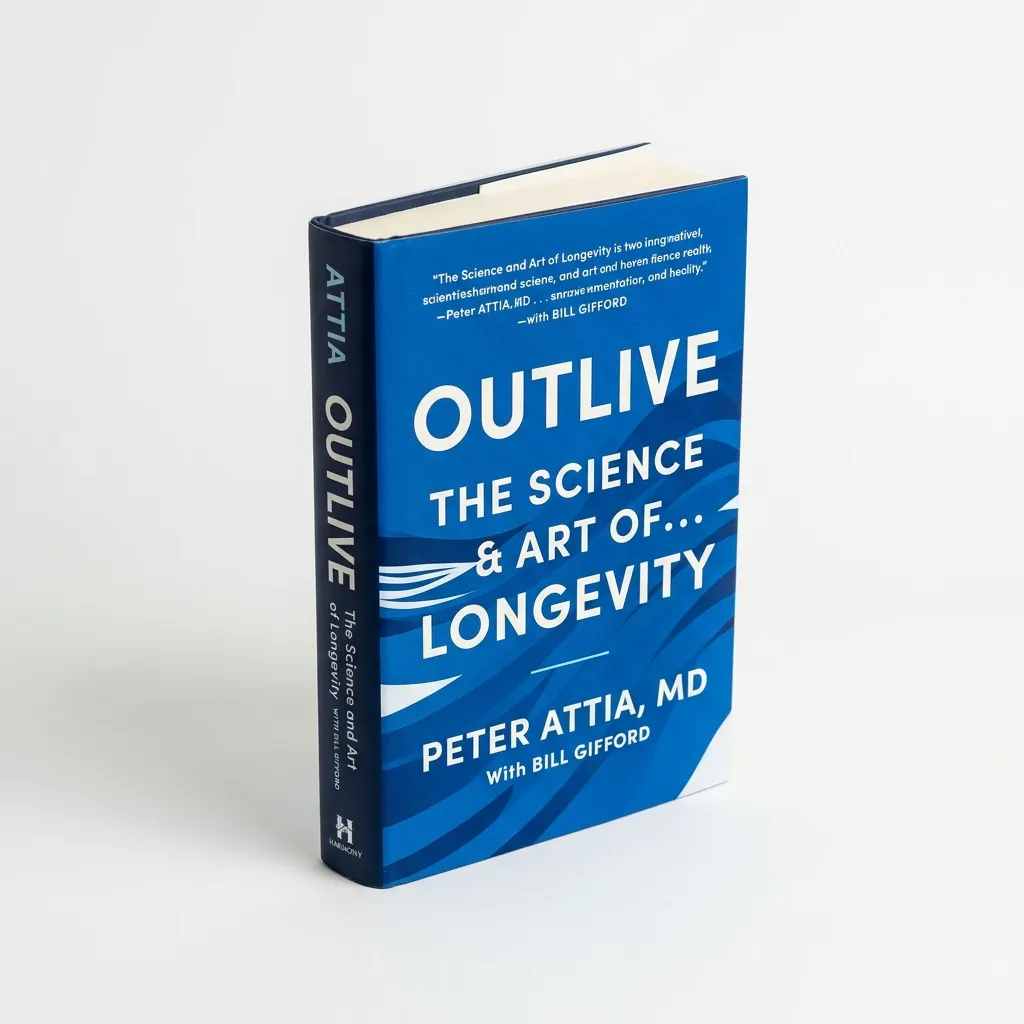
Outlive: The Science & Art of Longevity
Dr. Peter Attia's groundbreaking guide to preventive medicine, exercise for longevity, and healthy aging.
- Scientific framework for Medicine 3.0
- Actionable guide on sleep, exercise & nutrition
Butyrate as an Epigenetic and Immunological Regulator
Butyrate exerts its cellular effects through two primary pathways: binding to cell-surface G-protein coupled receptors (notably FFAR2/GPR43 and FFAR3/GPR41) and acting as a potent natural Histone Deacetylase (HDAC) inhibitor. PMID 21876041 PMID 28796207
By inhibiting class I and class II HDAC enzymes, butyrate prevents the removal of acetyl groups from histone tails within immune cell chromatin. This relaxed open chromatin architecture promotes the transcription of anti-inflammatory genes and the differentiation of naive CD4+ T cells into Foxp3+ regulatory T cells (Tregs). Consequently, mucosal release of inflammatory cytokines (TNF-alpha, IL-6, IL-1beta) is suppressed, while the synthesis of mucin (MUC2) and tight junction proteins (claudin-1, occludin, ZO-1) is amplified, significantly reinforcing gut barrier integrity. PMID 21876041 PMID 28796207
Furthermore, butyrate prevents non-alcoholic fatty liver progression by enhancing hepatic insulin sensitivity and inhibiting de novo lipogenesis in hepatocytes. PMID 21876041 PMID 28796207
Epigenetic HDAC inhibition enhances anti-inflammatory signaling within mucosal dendritic cells and macrophages, mitigating aberrant immune activation against commensal strains and dietary antigens. PMID 21876041 PMID 28796207
G-Protein Coupled Receptors, GLP-1, and Appetite Regulation
When luminal butyrate and other SCFAs bind to FFAR2 and FFAR3 receptors on enteroendocrine L-cells located throughout the ileum and colon, an intracellular signaling cascade stimulates the release of key satiety hormones: GLP-1 (Glucagon-Like Peptide-1) and PYY (Peptide YY). PMID 21430070 PMID 30813437
These incretin hormones delay gastric emptying, augment glucose-dependent insulin secretion from pancreatic beta-cells, and transmit satiety signals to the hypothalamic arcuate nucleus. Through this gut-endocrine axis, high endogenous butyrate synthesis acts as a natural metabolic brake, improving glycemic control and supporting body composition without exogenous pharmaceuticals. PMID 21430070 PMID 30813437
Beyond GLP-1 and PYY, receptor stimulation on peripheral tissues improves insulin sensitivity and glucose disposal in skeletal muscle, demonstrating how microbial fiber fermentation orchestrates systemic metabolic flexibility. PMID 21430070 PMID 30813437
Evidence-Based Guide to Resistant Starch and Prebiotic Fibers
Key butyrate-producing commensals in the human colon—including *Faecalibacterium prausnitzii*, *Eubacterium rectale*, and *Roseburia intestinalis*—are obligate anaerobes dependent on specific complex substrates. To optimize endogenous butyrate synthesis, prioritize the following evidence-based nutritional strategies: PMID 30813437
1. **Resistant Starch Type 3 (Retrograded Starch)**: Cook potatoes, white or brown rice, or legumes, and refrigerate them for 12-24 hours at 4°C. Cooling recrystallizes amylose into crystalline structures resistant to human salivary and pancreatic amylases, delivering fermentable substrate directly to colonic butyratogenic bacteria. PMID 30813437
2. **Unripe Green Bananas and Green Banana Flour**: Rich in Type 2 resistant starch, which undergoes slow distal colonic fermentation. PMID 30813437
3. **Inulin and Oligofructose**: Found naturally in Jerusalem artichokes, chicory root, leeks, onions, and garlic. PMID 30813437
4. **Beta-Glucans and Pectin**: Soluble viscous fibers sourced from steel-cut oats, barley, apples, and citrus peels that extend fermentation duration. PMID 30813437
5. **Tributyrin and Enteric Supplements**: In cases of pronounced mucosal inflammation or depleted butyrate producers, enteric-coated tributyrin capsules deliver bioavailable butyrate directly to the colonic lumen without gastric degradation. PMID 30813437
To elevate fecal and systemic butyrate without gastrointestinal discomfort, titrate fiber intake upward by 5 grams per week toward a target of 35-45 grams daily, allowing microbial populations to adapt smoothly. PMID 30813437
Internal Further Reading
Read also in the same cluster

Smart Body Composition Scale
Advanced bioimpedance scale tracking muscle mass, body fat percentage, bone density and hydration.
- Tracks muscle mass & visceral fat
- Wireless sync with health apps
FAQ
How much dietary fiber is needed to produce sufficient butyrate?
Health authorities recommend 25-35 grams of total fiber daily. For optimal butyrate synthesis, fiber diversity (resistant starch, inulin, pectin) is more critical than total volume alone.
Can butyrate be taken as a direct supplement?
Yes, sodium butyrate or tributyrin is available in oral capsules. Enteric-coated capsules ensure butyrate reaches the colon rather than dissolving in the stomach.
Can eating butter supply adequate butyrate?
Butter contains small amounts of butyric acid, but most is absorbed in the small intestine before reaching the colon. Colonic microbial fermentation remains the primary source.
Sources and References
- [1]
- [2]
- [3]
- [4]
Show all 5 sources (1 more)
- [5]
Editorial History
17. juli 2026
Første publicering
Første version blev publiceret som del af metabolic health med intro, takeaways, FAQ og referenceblok.
17. juli 2026
Faglig gennemgang
Formuleringer, forbehold og interne links blev gennemgået for klarhed, konsistens og YMYL-tydelighed.
21. juli 2026
Seneste opdatering
Butyrate and Short-Chain Fatty Acids fik opdaterede metadata, referenceoutput og forbedret beslutningsnær struktur.

Medical Review
Medical Review and Update Process
This article has been medically reviewed by Vadim Doroshenko with a focus on clinical accuracy, sources, disclaimers, and whether the conclusions still align with current scientific evidence.

Editorial Profile
Borys Viktorovytj Riabtsev
Borys Viktorovytj Riabtsev publishes Longevity Lab as a research-backed information project on precision medicine, metabolic health, and healthy aging, utilizing rigorous sources, independent medical review, and objective YMYL communication.