Key takeaways
- Moderate coffee consumption — 3-4 cups daily — is associated with lower all-cause mortality in large population studies.
- The benefits are primarily due to coffee's polyphenols and anti-inflammatory substances, not just the caffeine.
- People with slow caffeine turnover (CYP1A2 gene variant) have an increased risk of cardiovascular disease with high coffee consumption.
- The timing matters — coffee after 14 can disturb sleep, which counteracts the positive effects.
Medical disclaimer: Content is for informational purposes and does not replace medical advice.
What do the major studies say about coffee and longevity?
The most convincing data come from large prospective cohort studies. A British study of almost 500,000 participants from the UK Biobank followed people for over 10 years and found that coffee drinkers had 10-15% lower all-cause mortality compared to non-coffee drinkers. The effect was strongest for 3-4 cups daily and applied to both regular and decaffeinated coffee — indicating that it is the coffee's other bioactive substances, not just the caffeine, that is responsible for the protective effect. PMID 31125343 PMID 32406924 PMID 32696444
A large 2022 meta-analysis that pooled data from over 30 cohort studies confirmed this picture. Moderate coffee consumption was associated with lower risk of cardiovascular disease, type 2 diabetes, liver disease, Parkinson's disease and several cancers. The overall mortality risk was 12% lower for people who drank 3-4 cups daily compared to non-coffee drinkers. Interestingly, the beneficial effects began to diminish at over 5-6 cups daily, and at very high consumption, some risks could increase again. PMID 31125343 PMID 32406924 PMID 32696444
| Daily Coffee Intake | Relative Mortality Reduction | Epidemiological Observation |
|---|---|---|
| 1–2 Cups Daily | 5–10% lower all-cause mortality | Cardiovascular benefits emerge even at low daily consumption |
| 3–4 Cups Daily | 10–15% lower all-cause mortality | Optimal sweet spot across major cohort studies (UK Biobank / Nurses' Health Study) |
| 5–6 Cups Daily | 5–10% lower all-cause mortality | Diminishing marginal returns; influenced by individual CYP1A2 caffeine clearance rate |
| > 6 Cups Daily | Neutral to slightly elevated risk | May exacerbate sleep disruption, anxiety, and blood pressure in slow caffeine metabolizers |
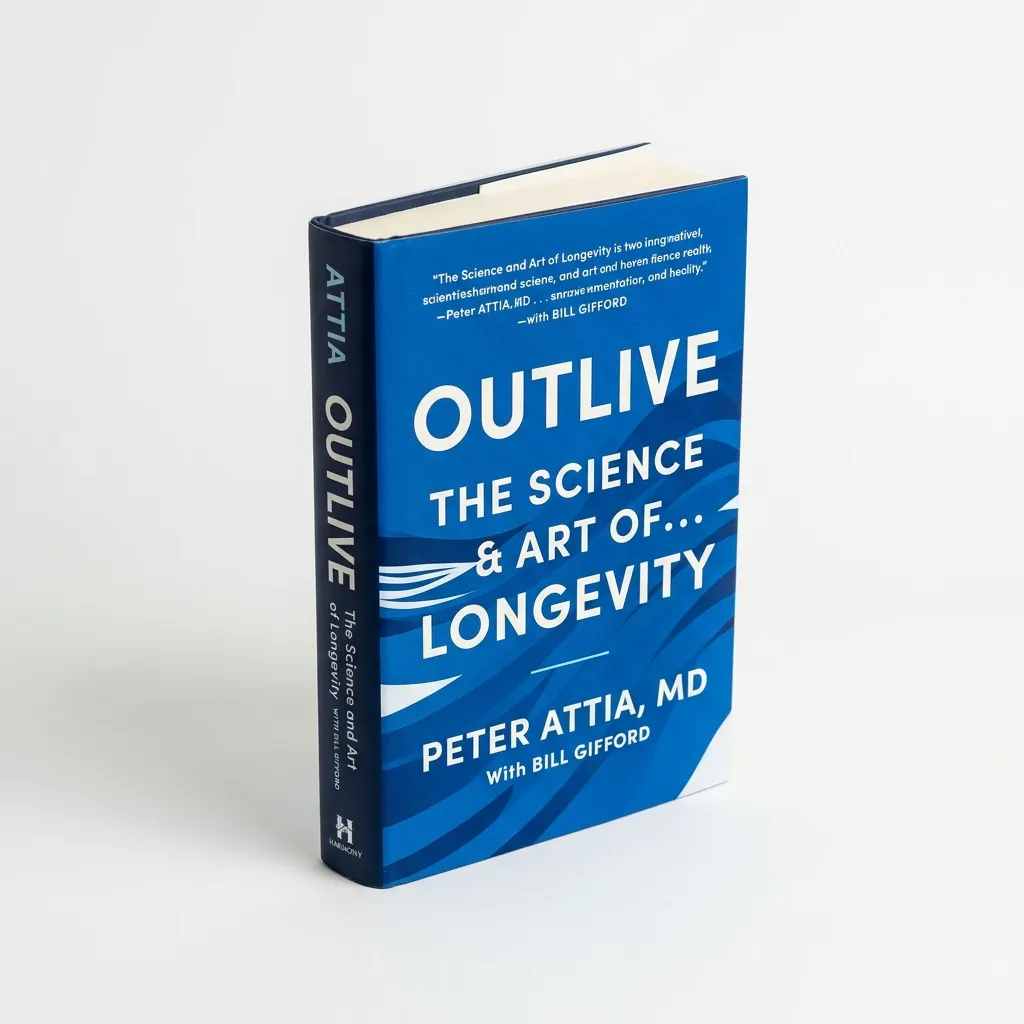
Outlive: The Science & Art of Longevity
Dr. Peter Attia's groundbreaking guide to preventive medicine, exercise for longevity, and healthy aging.
- Scientific framework for Medicine 3.0
- Actionable guide on sleep, exercise & nutrition
How does coffee protect health?
Coffee contains over 1,000 bioactive compounds, and it is the combination of these — not a single substance — that likely explains the health benefits. The most important are polyphenols, especially chlorogenic acid, which have potent anti-inflammatory and antioxidant effects. Among other things, chlorogenic acid can reduce oxidative stress, improve insulin sensitivity and inhibit the absorption of glucose in the gut — mechanisms that may explain coffee's protective effect against type 2 diabetes and cardiovascular disease. PMID 31125343 PMID 31329263
Caffeine also plays a role, but is not the whole story. Caffeine temporarily increases metabolism, improves cognitive function and has neuroprotective effects. This may explain the lower risk of Parkinson's disease and possibly Alzheimer's among coffee drinkers. But since decaffeinated coffee also shows protective effects, it is clear that coffee's other compounds are at least as important. It is the combination of anti-inflammatory polyphenols, caffeine and minerals such as magnesium and potassium that together provide the observed health benefits. PMID 31125343 PMID 31329263
In addition to the chronic diseases, recent studies show that coffee also has acute cognitive effects — improved reaction time, alertness and working memory — which may be relevant for the elderly who want to preserve cognitive function. At the same time, coffee is associated with lower levels of liver enzymes, indicating a protective effect on the liver independent of other lifestyle factors. PMID 31125343 PMID 31329263
Coffee and sleep — timing is everything
Coffee has a half-life of 4-6 hours in the body, which means that a cup of coffee at 15 can still have 50% of the caffeine in the blood at 21. For people with slow caffeine metabolism — a genetic variant in the CYP1A2 gene found in approximately 50% of the population — the half-life is up to 8-10 hours. These people should pay particular attention to stopping coffee intake earlier in the day. PMID 32696444 PMID 32160083
The practical recommendation is simple: drink your last cup of coffee before 14 to avoid sleep disturbances. Sleep is one of the most important longevity interventions, and coffee's positive effects can be counteracted if it impairs your sleep quality. If you have trouble falling asleep or experience restless sleep, try moving your last cup of coffee to before lunch and see if that helps. Genetic testing for the CYP1A2 variant can provide additional insight into your personal tolerance. PMID 32696444 PMID 32160083
Genetics and coffee — why does it work differently on people?
Not everyone reacts to coffee the same way. Approximately 50% of the population has a variant in the CYP1A2 gene that makes them slow metabolizers of caffeine. In these people, caffeine takes longer to be broken down in the liver, which means that they may experience heart palpitations, anxiety and sleep disturbances with the same amount of coffee that others tolerate just fine. For slow metabolizers, 1-2 cups is often enough to achieve coffee's health benefits without side effects. PMID 32696444 PMID 32160083
In addition, some people have a genetic variant in the adenosine receptors in the brain that affects how caffeine binds and exerts its effect. For these individuals, coffee may feel less stimulating, which may lead to higher consumption to achieve the same effect. Individual differences emphasize that the optimal amount of coffee is personal — some are best with 1-2 cups, others with 3-4, and a few should perhaps avoid coffee altogether. PMID 32696444 PMID 32160083
Milk, sugar and preparation — does it matter for the health effect?
The way you prepare and drink your coffee can affect the health effect. Filtered coffee — through a paper filter — removes cafestol and kahweol, two substances in coffee oil that can raise LDL cholesterol. Unfiltered coffee such as pot, espresso and Turkish coffee contain these substances in varying amounts. For most people, the difference is clinically insignificant with moderate consumption, but people with elevated cholesterol should prefer filtered coffee. PMID 31125343 PMID 32696444
Milk in the coffee dilutes it slightly, but does not significantly affect the health benefits — calcium and protein from the milk can even be a small plus. Sugar, on the other hand, counteracts coffee's metabolic benefits. Each teaspoon of sugar adds empty calories and contributes to the glucose load that coffee's polyphenols otherwise help reduce. Black coffee is optimal for longevity, but a splash of milk is perfectly fine and does no harm. PMID 31125343 PMID 32696444
Internal Further Reading
Read also in the same cluster
Smart Body Composition Scale
Advanced bioimpedance scale tracking muscle mass, body fat percentage, bone density and hydration.
- Tracks muscle mass & visceral fat
- Wireless sync with health apps
FAQ
Is decaffeinated coffee as healthy as regular coffee?
Decaffeinated coffee retains most polyphenols and shows similar health effects in population studies. However, some protective effects may be caffeine-dependent.
Can I drink coffee if I have high blood pressure?
Coffee causes a short-term increase in blood pressure, but long-term studies do not show an increased risk of hypertension in moderate coffee drinkers. Talk to your doctor if you are concerned.
What about milk and sugar in the coffee?
A little milk is fine, but sugar counteracts the metabolic benefits. Drink the coffee black or with a minimum of additives.
Sources and References
- [1]
- [2]
- [3]
- [4]
Show all 5 sources (1 more)
- [5]
Editorial History
27. June 2026
First publication
Initial version was published as part of the healthy aging with introduction, takeaways, FAQ, and reference block.
27. June 2026
Medical review
Phrasing, caveats, and internal links were reviewed for clarity, consistency, and YMYL alignment.
27. June 2026
Latest update
Coffee and longevity — how many cups is optimal according to the research received updated metadata, reference outputs, and improved decision-support structure.

Medical Review
Medical Review and Update Process
This article has been medically reviewed by Vadim Doroshenko with a focus on clinical accuracy, sources, disclaimers, and whether the conclusions still align with current scientific evidence.

Editorial Profile
Borys Viktorovytj Riabtsev
Borys Viktorovytj Riabtsev publishes Longevity Lab as a research-backed information project on precision medicine, metabolic health, and healthy aging, utilizing rigorous sources, independent medical review, and objective YMYL communication.