Key takeaways
- Dietary fiber is fermented by gut bacteria into short-chain fatty acids that regulate blood sugar, insulin sensitivity and appetite through GLP-1 and PYY.
- Soluble fiber (oats, barley, legumes) forms a gel in the gut, slows glucose absorption and improves cholesterol levels.
- Insoluble fiber (whole grains, nuts, vegetables) increases bowel transit and satiety, but has less direct metabolic effect.
- Danish dietary fibers such as rye bread, oat porridge, legumes and root vegetables are among the best sources — increase intake gradually to avoid bloating.
Medical disclaimer: Content is for informational purposes and does not replace medical advice.
What is dietary fiber, and how does it work in the body?
Dietary fiber is carbohydrates that human digestive enzymes cannot break down in the small intestine. They pass on to the colon, where they are fermented by gut bacteria. There are two main types: soluble fiber, which dissolves in water and forms a gel (pectin, beta-glucan, inulin), and insoluble fiber, which functions as bulk (cellulose, lignin, hemicellulose). PMID 33859164 PMID 32528133
The fermentation of soluble fiber produces short-chain fatty acids — primarily acetate, propionate and butyrate. These molecules are much more than just waste products: butyrate is the primary energy source for colon cells, propionate affects glucose production in the liver, and acetate crosses the blood-brain barrier and affects appetite regulation. Together they constitute a metabolic signaling bridge between the gut and the rest of the body. PMID 33859164 PMID 32528133
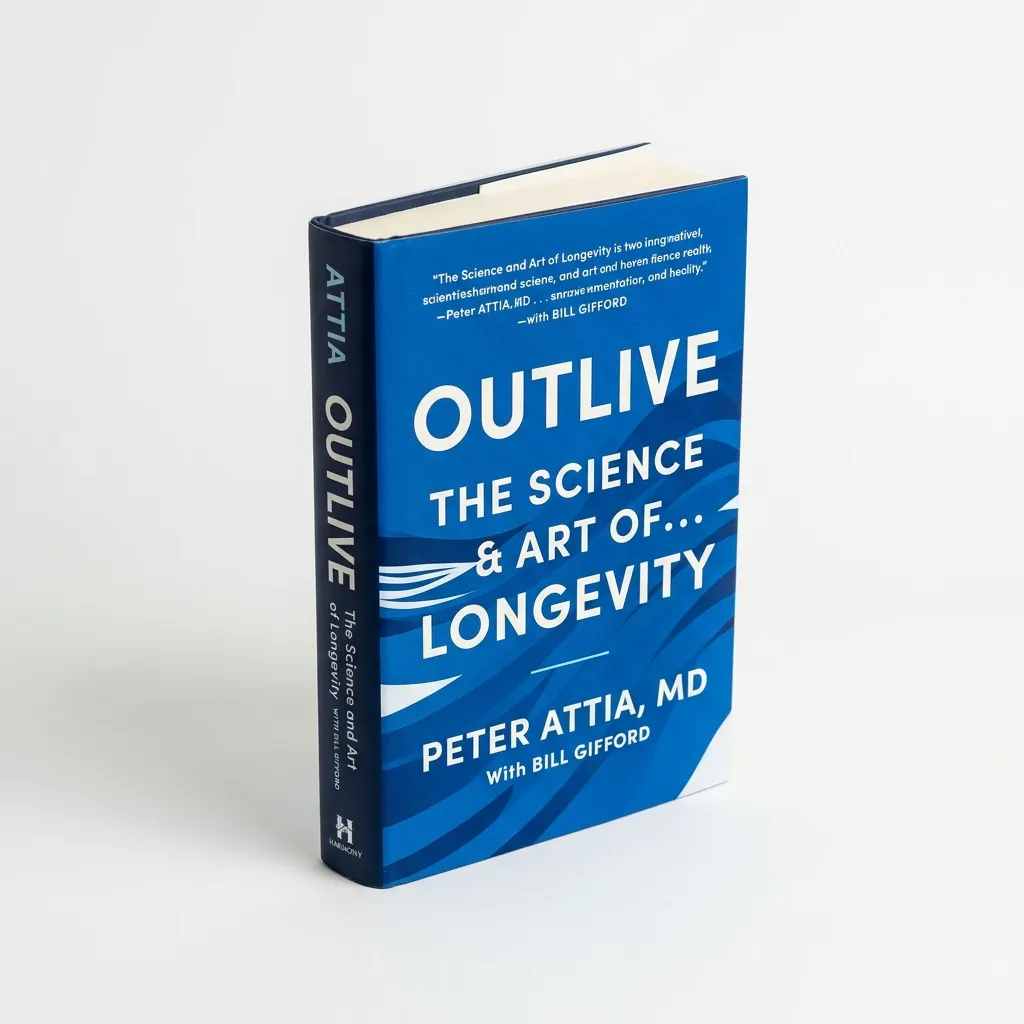
Outlive: The Science & Art of Longevity
Dr. Peter Attia's groundbreaking guide to preventive medicine, exercise for longevity, and healthy aging.
- Scientific framework for Medicine 3.0
- Actionable guide on sleep, exercise & nutrition
How fiber affects blood sugar and insulin
Soluble fiber forms a viscous gel in the gut that slows the rate at which glucose is absorbed into the blood. This reduces postprandial glucose peaks and decreases the burden on the pancreas's insulin production. Over time, this improves insulin sensitivity and reduces the risk of type 2 diabetes — an effect that is well documented in large cohort studies. PMID 33859164 PMID 34188231 PMID 31329267
Short-chain fatty acids, especially propionate, have a direct effect on the liver's glucose production. Propionate activates the gut's L-cells to release GLP-1 and PYY — two hormones that regulate insulin secretion and appetite. This is the same GLP-1 mechanism that GLP-1 analogs (Ozempic, Wegovy) mimic, but here it is stimulated naturally by dietary fiber. PMID 33859164 PMID 34188231 PMID 31329267
The best Danish fiber sources
Rye bread is one of the best fiber sources in the Danish diet — one slice of rye bread contains 4-5 grams of fiber, and a typical lunch pack with 2-3 slices provides 10-15 grams. Oatmeal (3-4 g per serving), legumes such as lentils and chickpeas (7-9 g per 100g cooked), and root vegetables such as carrots and parsnips (2-3 g per 100g) are other excellent sources. PMID 32528133 PMID 32654055
To reach the recommended 30 grams daily, it requires conscious planning: 3 slices of rye bread (15 g), a portion of oatmeal (4 g), a portion of lentils for lunch (8 g), and 2 pieces of fruit (4 g) already bring you over 30 grams. PMID 32528133 PMID 32654055
| Food | Fiber per Serving | Fiber Type |
|---|---|---|
| Rye bread (1 slice) | 4-5 g | Both soluble and insoluble |
| Oatmeal (40 g) | 3-4 g | Soluble (beta-glucan) |
| Lentils, cooked (100 g) | 7-9 g | Both soluble and insoluble |
| Carrots (100 g) | 2-3 g | Mostly insoluble |
| Apple (1 medium) | 3-4 g | Soluble (pectin) |
How much fiber do you need, and how do you reach the goal?
Official Danish recommendations call for at least 30 grams of dietary fiber daily for adults, but the average Dane only gets about 18-22 grams. For people over 50, the need is no less — on the contrary, it is particularly important in this age group due to declining insulin sensitivity and increased risk of metabolic syndrome. Increasing fiber intake from 20 to 30 grams daily is associated with a significantly lower risk of type 2 diabetes, cardiovascular disease, and colon cancer. PMID 33859164 PMID 32528133 PMID 32654055
The most practical approach is to increase fiber intake gradually by about 5 grams per week to give the gut flora time to adapt and avoid gas, bloating, and abdominal pain. Start by replacing white bread with rye bread, add a serving of oatmeal to breakfast, eat legumes 3-4 times a week, and ensure at least 400 grams of vegetables and fruit daily. At the same time, drink plenty of water — fiber needs fluid to function optimally in the gut. PMID 33859164 PMID 32528133 PMID 32654055
- Increase fiber intake by 5 grams per week to avoid gas and bloating.
- Drink at least 1.5-2 liters of water daily when increasing fiber intake.
- Vary between different fiber sources to feed different bacterial strains.
- Start with rye bread and oatmeal — they are cheap, easily accessible, and extremely effective.
Conclusion — fiber as a foundation for metabolic health after 50
Dietary fiber is one of the most underrated and at the same time most evidence-based interventions for metabolic health. Its effect extends far beyond digestion: via short-chain fatty acids, it affects blood sugar regulation, insulin sensitivity, appetite control through GLP-1 and PYY, cholesterol levels, and systemic inflammation. For people over 50, where metabolic risk rises, fiber is not a nice-to-have — they are a must-have. PMID 33859164 PMID 34188231 PMID 31329267
The best strategy is to get fiber from real foods: rye bread, oatmeal, legumes, root vegetables, vegetables, and fruit. Fiber supplements can be a practical addition, but they do not replace the vitamins, minerals, and polyphenols that come with whole foods. Start gradually, drink enough water, and let the gut flora adapt — in a few weeks, you will likely notice improved satiety, more stable blood sugar, and better digestion. PMID 33859164 PMID 34188231 PMID 31329267
Internal Further Reading
Read also in the same cluster

Smart Body Composition Scale
Advanced bioimpedance scale tracking muscle mass, body fat percentage, bone density and hydration.
- Tracks muscle mass & visceral fat
- Wireless sync with health apps
FAQ
How many grams of fiber should I eat per day?
The official Danish recommendations are at least 30 grams daily. Most Danes get only 18-22 grams. Increase intake by 5 grams per week to avoid bloating.
Can you eat too much fiber?
Yes, if you increase intake too quickly it can cause gas, bloating and abdominal pain. Increase gradually over 2-3 weeks and drink plenty of water.
Are fiber supplements as good as fiber from food?
No. Fiber from food comes with vitamins, minerals and polyphenols that enhance the effect. Supplements can be a supplement, but not a replacement.
Should I eat fiber before or after exercise?
Avoid a large fiber intake right before exercise, as it can cause stomach discomfort. Eat fiber evenly distributed throughout the day for best metabolic effect.
Sources and References
- [1]
- [2]
- [3]
- [4]
Show all 5 sources (1 more)
- [5]
Editorial History
9. July 2026
First publication
Initial version was published as part of the metabolic health with introduction, takeaways, FAQ, and reference block.
9. July 2026
Medical review
Phrasing, caveats, and internal links were reviewed for clarity, consistency, and YMYL alignment.
9. July 2026
Latest update
Fiber and metabolic health — how dietary fiber protects your metabolism after 50 received updated metadata, reference outputs, and improved decision-support structure.

Medical Review
Medical Review and Update Process
This article has been medically reviewed by Vadim Doroshenko with a focus on clinical accuracy, sources, disclaimers, and whether the conclusions still align with current scientific evidence.

Editorial Profile
Borys Viktorovytj Riabtsev
Borys Viktorovytj Riabtsev publishes Longevity Lab as a research-backed information project on precision medicine, metabolic health, and healthy aging, utilizing rigorous sources, independent medical review, and objective YMYL communication.