Key takeaways
- Grip strength is a useful marker of functional aging, but must be interpreted in conjunction with muscle mass, gait speed, balance and daily function.
- Low grip strength can be a danger signal of loss of physical reserve, but is not a diagnosis in itself.
- The most effective strategy is progressive strength training combined with enough protein, good recovery and maintenance of metabolic health.
- The goal is not only a stronger handshake, but better ability to carry, stand up, stabilize the body and remain independent with age.
Medical disclaimer: Content is for informational purposes and does not replace medical advice.
Why grip strength gets so much attention
Grip strength is easy to measure, inexpensive to monitor over time and is linked to physical function in a broad sense. In clinical and epidemiological contexts, it is often used as part of the assessment of sarcopenia, frailty and age-related loss of function. PMID 31268485 PMID 30575218
This does not mean that a single number gives away your future. But it can be an early signal that strength, muscle mass, activity or recovery should be taken more seriously. PMID 31268485 PMID 30575218
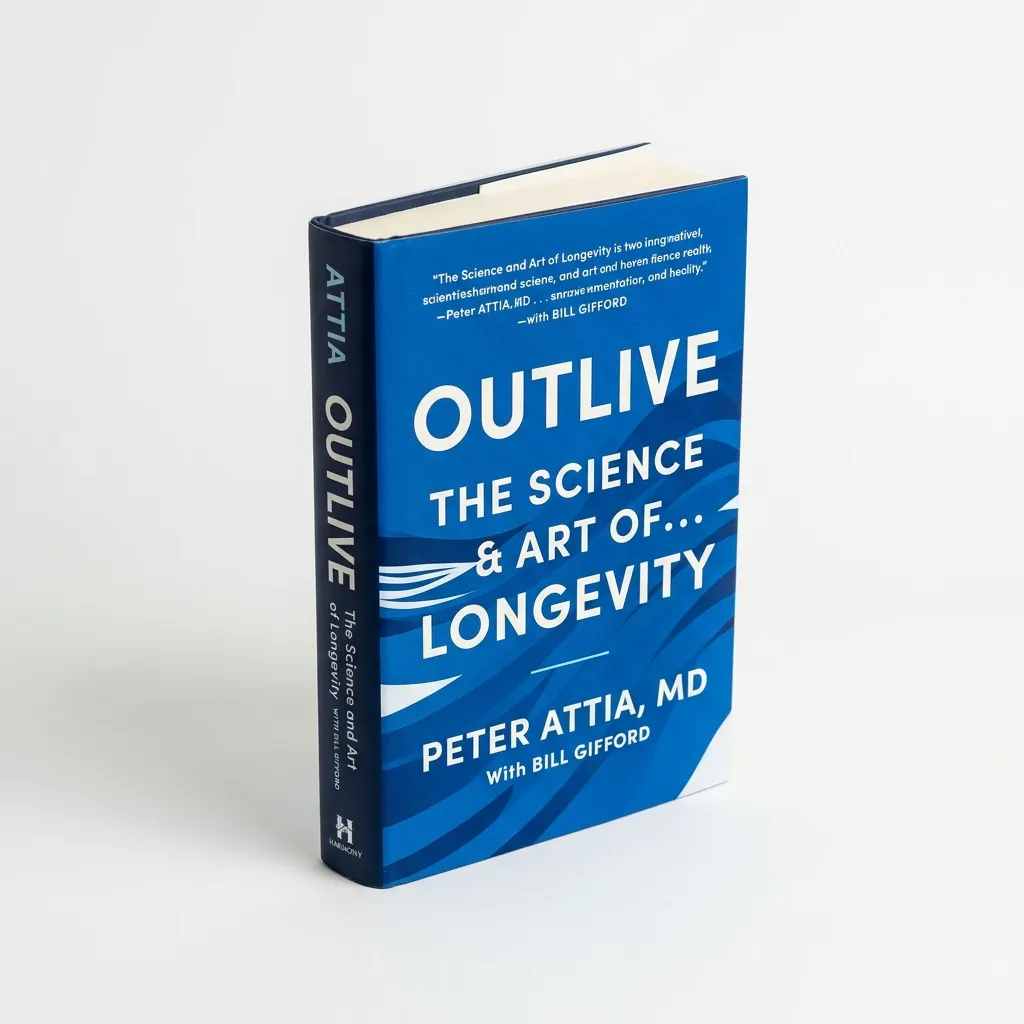
Outlive: The Science & Art of Longevity
Dr. Peter Attia's groundbreaking guide to preventive medicine, exercise for longevity, and healthy aging.
- Scientific framework for Medicine 3.0
- Actionable guide on sleep, exercise & nutrition
What affects grip strength
Age plays a role, but grip strength is also affected by overall muscle mass, nervous system function, joint problems, exercise history, protein intake, inflammation and disease burden. Therefore, low grip strength is not just a hand problem. PMID 30575218 National Institute on Aging
Metabolic health is also relevant. Poor glucose control, inactivity and chronic stress can eventually undermine recovery and physical capacity. Here, the connection to other longevity themes is clear: sleep, Zone 2, strength training and body composition work together. PMID 30575218 National Institute on Aging
How to improve it
The best strategy is not to pinch a gripper all day. Grip strength is best improved through compound strength training: heavy carries, row variations, deadlifts, pull exercises, hanging from a bar, and controlled forearm work. The program must be progressive and realistic enough to be implemented. National Institute on Aging PMC
Protein intake, sleep and training frequency are at least as important as the choice of exercise itself. For many over 50 and 60, 2 to 4 weekly strength sessions provide better function and more robustness in everyday life, not just better numbers on a device. National Institute on Aging PMC
Precision medicine without overcomplicating
Interest in measurements, tests and clinics is growing, but not all data points are equally valuable. Grip strength is interesting precisely because it is low-tech and usable. PMC U.S. Department of Health and Human Services
AI, digital biomarkers and wearables may eventually improve risk assessment and program adaptation, but today the most reliable path is still classic: strength training, adequate energy and protein intake, good recovery and follow-up with simple functional tests. PMC U.S. Department of Health and Human Services
Grip strength and chronological age: how to interpret the numbers
Searching for age-adjusted grip strength references usually leads to static normative tables. However, the true clinical value of grip dynamometry is dynamic and functional: an abnormally low or declining grip value is an early warning sign of depleted physiological reserve, impending sarcopenia, and compromised motor unit recruitment. PMID 31268485 PMID 30575218 National Institute on Aging
Consequently, grip strength should never be evaluated in an isolated vacuum. Its prognostic power peaks when evaluated alongside cardiorespiratory fitness (VO2 max), gait velocity, dual-energy X-ray absorptiometry (DEXA) appendicular lean mass, and postural balance. PMID 31268485 PMID 30575218 National Institute on Aging
| Clinical Signal | Physiological Implication | Recommended Action |
|---|---|---|
| Accelerating Grip Decline | Accelerated muscle mass loss and neuromuscular blunting | Assess progressive resistance programming and daily protein intake. |
| Low Grip Accompanied by Fatigue | Systemic metabolic stress or subclinical inflammation | Screen sleep quality, inflammatory markers, and systemic recovery. |
| Steady Strength Progression | Effective neuromuscular adaptation and reserve accretion | Maintain progressive overload without exceeding recovery capacity. |
Why grip strength serves as a systemic physiological biomarker
Isometric grip strength correlates remarkably well with total-body skeletal muscle mass, bone mineral density, and all-cause mortality across large epidemiological cohorts (such as the UK Biobank and PURE study). It is not the localized strength of the digital flexors that confers survival advantages; rather, handgrip serves as an easily accessible surrogate for whole-body central nervous system drive, intact motor unit recruitment, and functional muscle quality. PMID 31268485 PMID 30575218 National Institute on Aging PMC
According to the revised European Consensus on Definition and Diagnosis of Sarcopenia (EWGSOP2), low grip strength (<27 kg for men, <16 kg for women) is the primary clinical criterion defining probable sarcopenia, preceding measurable declines in physical performance. PMID 31268485 PMID 30575218 National Institute on Aging PMC
Standardized dynamometry measurement protocol
Reliable tracking requires a calibrated hydraulic dynamometer (such as a Jamar dynamometer), rather than inaccurate spring-based consumer gadgets. The subject should sit upright with feet flat on the floor, the shoulder adducted, the elbow flexed at 90 degrees, and the forearm in neutral position. Squeeze with maximal effort for 3 to 5 seconds. Perform three trials per hand, interspersed with 30-second rest intervals, recording the highest or mean value. PMID 31268485 PMID 30575218 PMID 30312372
Always test both limbs. A bilateral strength asymmetry exceeding 10 to 15% between the dominant and non-dominant arm warrants clinical orthopedic or neurological evaluation. PMID 31268485 PMID 30575218 PMID 30312372
- Use the identical dynamometer handle position (typically position 2) and identical time of day for repeated assessments.
- Benchmark against validated age- and sex-stratified normative curves (e.g., EWGSOP2 guidelines).
- Focus on the longitudinal multi-month trajectory rather than single-day fluctuations.
Evidence-based protocols to enhance grip strength and neuromuscular reserve
While targeted grip exercises (dead hangs, heavy dumbbell farmer's carries, pinch grips) build forearm tendon integrity, compound multi-joint pulling movements provide the most robust systemic stimulus. Conventional deadlifts, chest-supported rows, and weighted pull-ups challenge grip capacity under high systemic load while stimulating spinal axial loading and total-body muscle protein synthesis. National Institute on Aging PMC U.S. Department of Health and Human Services PMID 30312372
Neuromuscular adaptation demands adequate substrate availability. In older adults, pair heavy pulling sessions with daily dietary protein intakes of 1.2 to 1.6 g/kg and targeted recovery sleep to facilitate motor unit remodeling. National Institute on Aging PMC U.S. Department of Health and Human Services PMID 30312372
| Exercise Modality | Direct Impact on Grip | Systemic Longevity Benefit |
|---|---|---|
| Dead Hangs (Bar Hangs) | Direct finger flexor endurance and grip endurance | Glenohumeral joint decompression and scapular stability. |
| Farmer's Walks (Carries) | Heavy sustained crushing and isometric grip | Core anti-lateral flexion and dynamic gait stability. |
| Deadlifts & Romanian Deadlifts | High-load isometric finger flexor recruitment | Posterior chain hypertrophy, bone density, and pelvic stability. |
| Barbell & Dumbbell Rows | Concentric and eccentric pulling strength | Scapular retraction, thoracic posture, and upper back reserve. |
Internal Further Reading
Read also in the same cluster
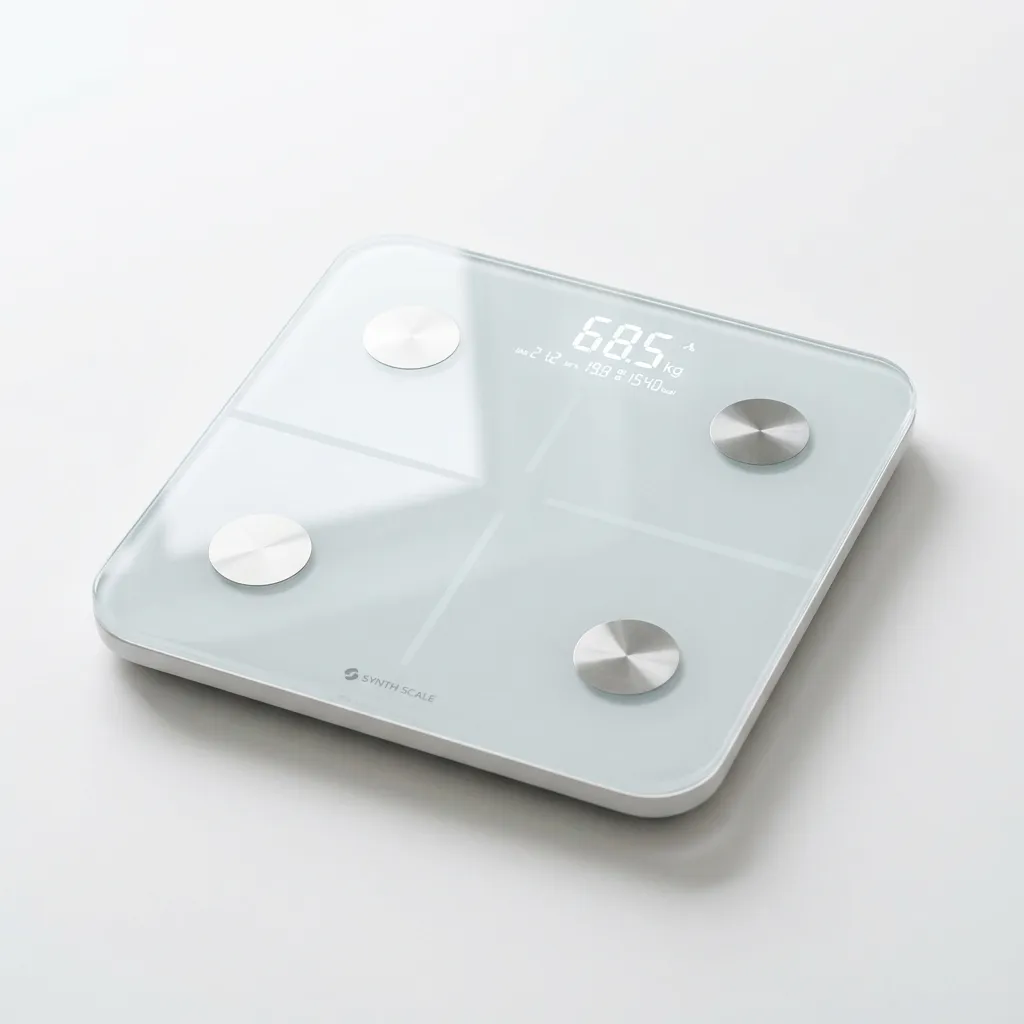
Smart Body Composition Scale
Advanced bioimpedance scale tracking muscle mass, body fat percentage, bone density and hydration.
- Tracks muscle mass & visceral fat
- Wireless sync with health apps
FAQ
Is low grip strength dangerous?
Not in itself as a single measure, but it can be a signal of lower physical reserve or beginning loss of function, which should be investigated further.
Which exercise is best for grip strength?
Carries, heavy pulling exercises and hangs often provide the most transferable effect because they challenge the grip along with the rest of the body.
Should I use a dynamometer?
If you want to follow the development systematically, yes. But you can also use functional indicators such as carrying capacity, hanging time and daily function.
Why is grip strength used as a primary biomarker of biological aging?
Because isometric grip strength strongly mirrors whole-body neuromuscular integrity, contractile muscle quality, and biological resilience. Longitudinal studies demonstrate that declining grip strength strongly predicts future functional dependency, frailty, and all-cause mortality.
What is considered a normal grip strength threshold?
According to European consensus guidelines (EWGSOP2), values below 27 kg for men and below 16 kg for women indicate probable sarcopenia and compromised muscle reserve. Healthy active middle-aged adults typically aim for >45 kg (men) and >30 kg (women).
Can grip strength be meaningfully rebuilt after age 60?
Yes. Older adults retain significant neuromuscular plasticity. Consistent progressive resistance training—incorporating deadlifts, carries, hangs, and adequate daily protein—produces substantial gains in grip strength and functional reserve.
Sources and References
- [1]
- [2]
- [3]
- [4]
Show all 6 sources (2 more)
- [5]
- [6]
Editorial History
14. April 2026
First publication
Initial version was published as part of the healthy aging with introduction, takeaways, FAQ, and reference block.
14. April 2026
Medical review
Phrasing, caveats, and internal links were reviewed for clarity, consistency, and YMYL alignment.
28. April 2026
Latest update
Grip strength and aging received updated metadata, reference outputs, and improved decision-support structure.

Medical Review
Medical Review and Update Process
This article has been medically reviewed by Vadim Doroshenko with a focus on clinical accuracy, sources, disclaimers, and whether the conclusions still align with current scientific evidence.

Editorial Profile
Borys Viktorovytj Riabtsev
Borys Viktorovytj Riabtsev publishes Longevity Lab as a research-backed information project on precision medicine, metabolic health, and healthy aging, utilizing rigorous sources, independent medical review, and objective YMYL communication.