Key takeaways
- VO2 max is one of the absolute most reliable markers in longevity research because it directly reflects your aerobic and mitochondrial reserve capacity.
- An age-related decline of 10% per decade is a biological average, not an inevitable fate; targeted training can regain 15-20 years of physiological youth.
- The most effective protocol combines a solid foundation of calm Zone 2 training (80%) with targeted, high-intensity intervals like the 4x4 model (20%).
- Consistency in your training structure and protecting your muscle mass via strength training is far more important than pushing your body to exhaustion in every session.
Medical disclaimer: Content is for informational purposes and does not replace medical advice.
Why VO2 max is the most important marker of your healthspan
In a medical and physiological sense, VO2 max defines the maximum amount of oxygen in milliliters your body can absorb from the lungs, transport via the heart and bloodstream, and finally consume down in the mitochondria of the muscles per minute per kilogram of body weight during maximum physical exertion. In other words, it is the ultimate stress test of your entire cardiorespiratory system. U.S. Department of Health and Human Services National Institute on Aging
From a longevity perspective, VO2 max is far more than a performance measure for athletes. Large epidemiological studies have shown an exceptionally strong correlation between high VO2 max and reduced age-related mortality from all causes (all-cause mortality). Moving from the lowest quartile to the second lowest quartile in VO2 max statistically halves the risk of early death. A high aerobic reserve is your biological life insurance against losing the ability to climb stairs, carry groceries and play with the grandchildren in your old age. U.S. Department of Health and Human Services National Institute on Aging
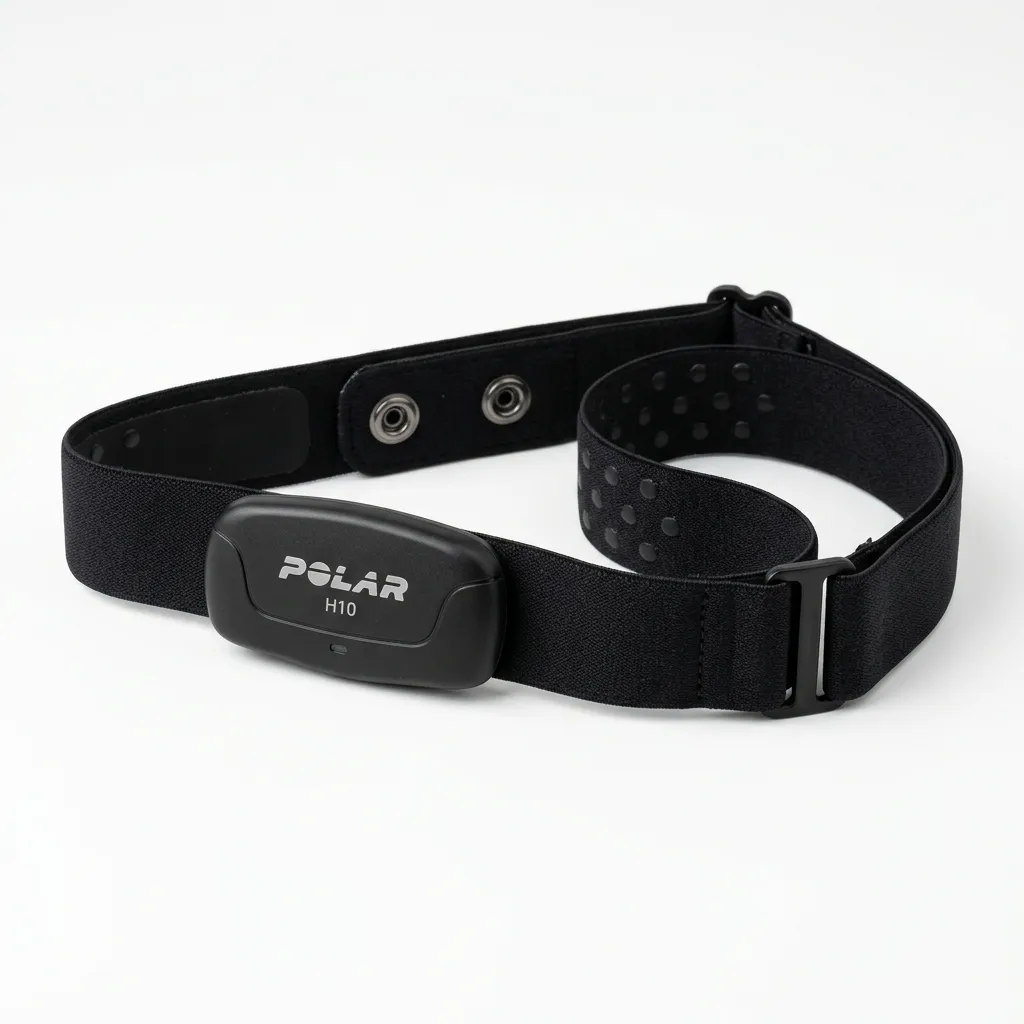
Polar H10 Heart Rate Monitor & HRV Sensor
The gold standard chest strap monitor for accurate Heart Rate Variability (HRV) and Zone 2 training.
- ECG-accurate HRV and heart rate zone tracking
- Dual Bluetooth & ANT+ connectivity
The physiology behind the decline in age: Why do we lose fitness after 40?
The natural decline in VO2 max, which typically takes off in the mid-30s and accelerates after age 50, is due to a combination of central and peripheral changes in the body. Centrally, the heart's maximum stroke volume and maximum heart rate gradually decrease with age, limiting how much blood can be pumped into the system per minute. National Institute on Aging PMID 19454641
Peripherally, there is a gradual loss of muscle mass (sarcopenia), a reduction in the number of capillaries around the muscle fibers and a decrease in mitochondrial density and enzymatic efficiency. The crucial point, however, is that up to half of this measurable age decline is not due to biological aging per se, but simply to accelerated inactivity and a tendency to avoid high heart rate intensity exercise as we age. National Institute on Aging PMID 19454641
The evidence-based protocol: the 80/20 rule in practice
To turn the curve and rebuild your VO2 max after 40, 50 or 60 years requires a balanced approach. Exercising at maximum heart rate every single day inevitably leads to injury, chronic inflammation and burnout. Conversely, leisurely walking alone will never challenge the heart sufficiently to expand its maximum stroke volume. PMID 19454641 American Heart Association
The gold standard in endurance and longevity training is the so-called polarized model or the 80/20 rule. About 80 percent of your total aerobic exercise time should be spent in Zone 2—a comfortable, chatty intensity that builds your mitochondria, increases fat burning, and creates a huge endurance base without taxing the central nervous system. The remaining 20 percent is dedicated to targeted, high-intensity interval training (Zone 5), which directly pushes your cardiovascular ceiling upwards. PMID 19454641 American Heart Association
The classic 4x4 interval model: How to do it step by step
Among the countless interval methods, the Norwegian 4x4 protocol (developed at NTNU) has proven to be one of the most effective and well-documented methods for raising VO2 max quickly – even in elderly and heart-diseased patients. The model is simple, structured and easy to perform on a bicycle, rowing machine, treadmill or on a steep hill. American Heart Association PMID 31744878
The entire session takes less than 40 minutes and should only be done once to a maximum of twice a week. It's fundamentally important that you don't start the first interval so hard that you completely tire and have to give up on the last repetitions. The goal is to spend as much time as possible with a heart working close to its maximum pumping capacity. American Heart Association PMID 31744878
How to measure and track your progress without expensive equipment
Although the most accurate measurement of VO2 max takes place in a laboratory with an oxygen mask and direct gas analysis, it is in no way necessary to follow your development in everyday life. Most modern sports watches from Garmin, Apple, Oura and Whoop estimate your VO2 max based on the ratio of your heart rate to your speed or wattage during exercise. PMID 31744878 PMID 35584928
These algorithmic estimates may have a small absolute margin of error, but they are excellent at showing your relative progress over time, provided you wear the device consistently. Alternatively, you can use standardized field tests such as a 12-minute Cooper test, a 2000-meter row test, or simply observe how your resting heart rate and your heart rate at a steady walking speed on a treadmill decrease from month to month. PMID 31744878 PMID 35584928
The most common mistakes that slow down your fitness progress
When adults in their 40s and 50s fail to get back in shape, it's rarely due to a lack of willpower. It is almost always due to incorrect dosage and a lack of understanding of physiological recovery. The absolute most frequent mistake is the so-called 'grey zone training', where all weekly runs or bike rides take place in a moderate, semi-hard Zone 3. This is too hard to build the mitochondrial base and too easy to stimulate a maximum VO2 max lift - but hard enough to create chronic fatigue. PMID 35584928
Another classic pitfall is to ignore the importance of sleep and nutrition. When you perform high-intensity 4x4 intervals, you break down microscopic muscle tissue and stress the nervous system. Without 7-8 hours of quality sleep and a sufficient daily intake of proteins (1.5 to 1.8 grams per kilogram of body weight), the body will not be able to adapt and rebuild a stronger aerobic reserve. PMID 35584928
Conclusion: Your 8-week starter program for a younger biological age
Reversing ten years of age-related fitness loss is one of the most rewarding investments you can make in your own health. It doesn't require you to move into a gym or train like a professional athlete. It only requires structure, patience and respect for the body's physiological rules. PMID 35584928
Give yourself eight weeks as a structured test block: complete three quiet Zone 2 sessions of 45 minutes, one single weekly 4x4 interval session, and supplement with two short strength sessions. When you re-test your form after two months, you will most likely not only see a significantly higher VO2 max on your watch, but feel a deeper, more fundamental energy and energy throughout your everyday life. PMID 35584928
If you just want the practical starting blueprint
Preserving VO2 max as you age is less about chasing an arbitrary laboratory metric and more about cultivating functional cardiopulmonary reserve for decades of vitality. The fundamental starting point is straightforward: accumulate sufficient low-intensity cardiovascular volume to trigger mitochondrial biogenesis, and introduce high-intensity stimulus in doses you can reliably recover from. U.S. Department of Health and Human Services PMID 19454641 American Heart Association
For middle-aged and older adults, optimal programming avoids extremes: an 8- to 12-week block consisting of two to three conversational Zone 2 sessions, one targeted interval session, and dedicated progressive resistance training to protect musculoskeletal integrity. U.S. Department of Health and Human Services PMID 19454641 American Heart Association
| Training Phase | Primary Adaptation Focus | Key Objective Marker |
|---|---|---|
| Weeks 1–4 | Aerobic rhythm & Zone 2 base | Lower heart rate at identical steady-state pace |
| Weeks 5–8 | Controlled interval introduction | Improved ventilatory tolerance on hills or tempo efforts |
| Weeks 9–12 | Cardiorespiratory stabilization | Elevated daily physical vigor and lower resting heart rate |
Why VO2 max is one of the strongest longevity biomarkers
Cardiorespiratory fitness, objectively quantified as VO2 max, stands as one of the most powerful independent predictors of all-cause mortality and healthy lifespan in clinical epidemiology. It is not an elite athletic vanity metric—it reflects the functional capacity of the cardiopulmonary, vascular, and mitochondrial systems under physiological load. PMID 19454641 American Heart Association PMID 31744878
Elevating your VO2 max expands your margin of safety against acute medical stressors, surgery, hospitalization, and age-related physical frailty. PMID 19454641 American Heart Association PMID 31744878
- Sedentary adults lose approximately 10% of their VO2 max per decade after age 30.
- Consistent aerobic endurance training slows this rate of decline to roughly 5% per decade.
- Even modest incremental gains (1–2 ml/kg/min) yield statistically significant reductions in cardiovascular mortality.
Zone 2, high-intensity intervals, and resistance training: physiological synergy
Zone 2 endurance builds mitochondrial surface area and capillary density—the cellular platform supporting all endurance. High-intensity intervals (HIIT or 4x4 protocols) maximize cardiac stroke volume and neuromuscular recruitment. Progressive resistance training protects joints, maintains Type II muscle fibers, and preserves insulin sensitivity. These three modalities act as synergistic pillars rather than competing strategies. National Institute on Aging PMID 31744878 PMID 35584928
A frequent training error among fitness enthusiasts over 40 is skipping base conditioning to perform only grueling HIIT circuits. This accelerates systemic fatigue, elevates injury risk, and neglects mitochondrial efficiency. The time-tested 80/20 polarized distribution (80% low-intensity Zone 2, 20% high-intensity effort) provides the optimal balance. National Institute on Aging PMID 31744878 PMID 35584928
| Exercise Modality | Physiological Adaptation | Target Weekly Dose |
|---|---|---|
| Zone 2 Cardio | Mitochondrial biogenesis & FatMax oxidation | 2–4 sessions weekly, 30–60 minutes |
| High-Intensity Intervals | Cardiac stroke volume & peak VO2 capacity | 1–2 sessions weekly, 15–25 minutes |
| Resistance Training | Musculoskeletal stability & glycemic sink | 2–3 sessions weekly, 30–45 minutes |
Age-specific considerations after 50 and 60
Past age 50, autonomic recovery timelines lengthen. This physiological reality demands intelligent dose titration rather than exercise abandonment. Allocating dedicated recovery days, programming shorter high-intensity intervals, and prioritizing nocturnal sleep and protein intake ensures steady progression. U.S. Department of Health and Human Services National Institute on Aging American Heart Association PMID 31744878
Beyond age 60, functional performance metrics (brisk walking speed, stair-climb capacity, unassisted floor-to-stand ability) provide greater clinical relevance than smartwatch estimates. VO2 max remains paramount, but its true value is measured in daily independence and physical resilience. U.S. Department of Health and Human Services National Institute on Aging American Heart Association PMID 31744878
- Treat sleep, protein intake, and scheduled recovery days with the same rigor as intense workouts.
- Cross-reference wearable metrics with subjective feelings of fatigue, joint soreness, and breathlessness.
- Reduce training volume before reducing intensity if early signs of overreaching emerge.
- Always pair cardiovascular training with resistance work to prevent sarcopenia and dynapenia.
Internal Further Reading
Read also in the same cluster
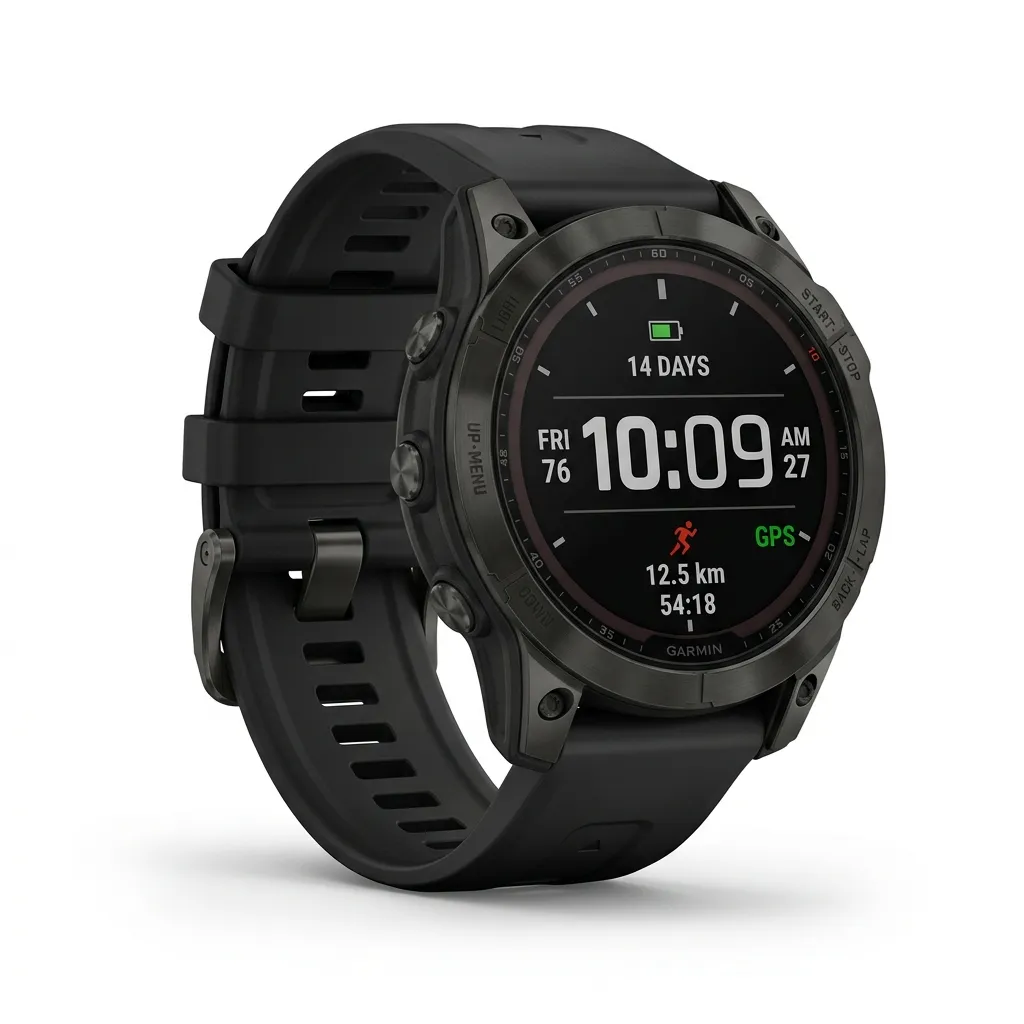
Garmin Fenix 7 Pro Multisport Watch
Flagship multisport watch with solar charging, advanced VO2 max analytics, HRV status and stamina score.
- Multi-week battery life with solar charging
- Precision heart rate & VO2 Max estimation
FAQ
Can you really improve your VO2 max significantly after 50 and 60 years?
Yes, absolutely. Physiological studies show that older adults who start with structured interval and Zone 2 training can often improve their VO2 max by 15 to 25 percent in just 3 to 6 months, effectively rolling back their aerobic biological age by 15-20 years.
Are 4x4 intervals dangerous for the heart if you are older?
For people with a healthy heart, 4x4 intervals are an extremely safe and effective method. However, if you have existing cardiovascular disease, high blood pressure or have been completely inactive for many years, you should always consult your doctor for a general health assessment before starting high-intensity exercise.
How long will it take before I see an increase in my VO2 max?
The first physiological adaptations, such as an increased blood plasma volume and improved muscular oxygen utilization, already occur within 2 to 3 weeks. Clear, measurable jumps in your VO2 max and overall endurance are typically seen after 6 to 8 weeks of consistent training.
What is the difference between Zone 2 training and VO2 max training?
Zone 2 training is calm, prolonged training (60-70% of max heart rate) that expands your aerobic base, increases fat burning and multiplies the number of mitochondria. VO2 max training is high-intensity interval training (85-95% of max heart rate), which primarily strengthens the heart's pumping ability and raises your absolute maximum oxygen uptake ceiling.
Can VO2 max be increased after 50 or 60?
Yes. Controlled clinical trials consistently demonstrate that older adults retain robust cardiorespiratory neuro-plasticity. Training volume, interval intensity, and recovery windows must simply be calibrated to personal baseline to sustain long-term consistency.
How do I measure VO2 max without laboratory cardiopulmonary exercise testing?
Wearable devices estimate VO2 max utilizing submaximal heart rate, pace, and GPS telemetry. While these consumer estimates provide useful relative trends over multi-week intervals, they should not be confused with gold-standard metabolic cart analysis.
Is Zone 2 base training sufficient on its own to maximize VO2 max?
Zone 2 builds the essential mitochondrial and capillary base, but targeted high-intensity stimulus (such as 4x4-minute intervals near maximum heart rate) is required to push central cardiac stroke volume and peak cardiorespiratory ceiling. Combining both yields optimal outcomes.
Sources and References
- [1]
- [2]
- [3]
- [4]
Show all 6 sources (2 more)
- [5]
- [6]
Editorial History
17. April 2026
First publication
Initial version was published as part of the healthy aging with introduction, takeaways, FAQ, and reference block.
17. April 2026
Medical review
Phrasing, caveats, and internal links were reviewed for clarity, consistency, and YMYL alignment.
4. July 2026
Latest update
VO2 max with age received updated metadata, reference outputs, and improved decision-support structure.

Medical Review
Medical Review and Update Process
This article has been medically reviewed by Vadim Doroshenko with a focus on clinical accuracy, sources, disclaimers, and whether the conclusions still align with current scientific evidence.

Editorial Profile
Borys Viktorovytj Riabtsev
Borys Viktorovytj Riabtsev publishes Longevity Lab as a research-backed information project on precision medicine, metabolic health, and healthy aging, utilizing rigorous sources, independent medical review, and objective YMYL communication.