Key takeaways
- Homocysteine is a cytotoxic sulfur amino acid and an independent predictor of vascular damage and cognitive decline, with levels above 10 µmol/L accelerating both atherosclerosis and brain atrophy.
- Conventional hospital reference intervals often extend up to 15 µmol/L, yet cardiology and neurology studies show that the lowest risk for stroke, heart disease, and dementia occurs below 8–9 µmol/L.
- The common MTHFR C677T genetic variant impairs the conversion of dietary folate to active 5-MTHF by up to 70%, creating an enzymatic bottleneck in homocysteine remethylation.
- Oxford University's landmark VITACOG clinical trial proved that targeted treatment with B12, active folate, and B6 slowed brain atrophy by up to 73% in older adults with elevated baseline homocysteine.
- Effective clinical reduction requires active bioidentical forms—methylcobalamin (B12), L-methylfolate (5-MTHF), pyridoxal-5-phosphate (P5P), and betaine (TMG)—rather than synthetic folic acid.
Medical disclaimer: Content is for informational purposes and does not replace medical advice.
1. What is Homocysteine? The Biochemistry of the Methylation Cycle and Transsulfuration
To comprehend why homocysteine can transform into a toxic circulatory hazard, one must examine its role within the core biochemical engine of human physiology: the **methylation cycle**. Each time dietary protein is digested, your body absorbs the essential amino acid methionine. In the liver and peripheral tissues, methionine is converted into S-adenosylmethionine (SAMe). SAMe serves as the universal methyl donor in human biology—delivering essential methyl groups (-CH3) to fuel more than 200 vital enzymatic reactions, including DNA repair, epigenetic gene regulation, neurotransmitter synthesis (dopamine, serotonin, and acetylcholine), muscular creatine production, and phosphatidylcholine synthesis for cellular membranes. PMID 12397190 PMID 16708070
Once SAMe relinquishes its methyl group, it leaves behind S-adenosylhomocysteine (SAH), which is immediately hydrolyzed into free **homocysteine**. Homocysteine possesses no beneficial cellular function on its own; it represents an intermediary metabolic crossroad that must be cleared rapidly through two primary physiological routes: PMID 12397190 PMID 16708070
**1. Remethylation (Recycling to Methionine)**: The primary pathway is governed by the enzyme methionine synthase (MS), which depends strictly upon two indispensable micronutrient cofactors: vitamin B12 (in its active methylcobalamin form) and active folate (5-methyltetrahydrofolate or 5-MTHF). In this process, a methyl group is transferred from 5-MTHF via B12 back onto homocysteine, transforming it harmlessly back into methionine. In the liver and kidneys, an alternate parallel pathway exists via the BHMT enzyme, which utilizes betaine (trimethylglycine, TMG) derived from dietary choline as a direct methyl donor, bypassing folate and B12 entirely. PMID 12397190 PMID 16708070
**2. Transsulfuration (Breakdown into Glutathione)**: If cellular methionine stores are already saturated, homocysteine is directed down the transsulfuration pathway catalyzed by cystathionine beta-synthase (CBS), an enzyme strictly dependent upon active vitamin B6 (pyridoxal-5-phosphate, P5P). Here, homocysteine is sequentially converted into cystathionine, cysteine, and taurine, ultimately synthesizing **glutathione**—the body's master intracellular antioxidant. When functional deficiencies in active B12, 5-MTHF, P5P, or betaine occur, both clearance pathways stall, and homocysteine accumulates in plasma to cytotoxic levels. PMID 12397190 PMID 16708070
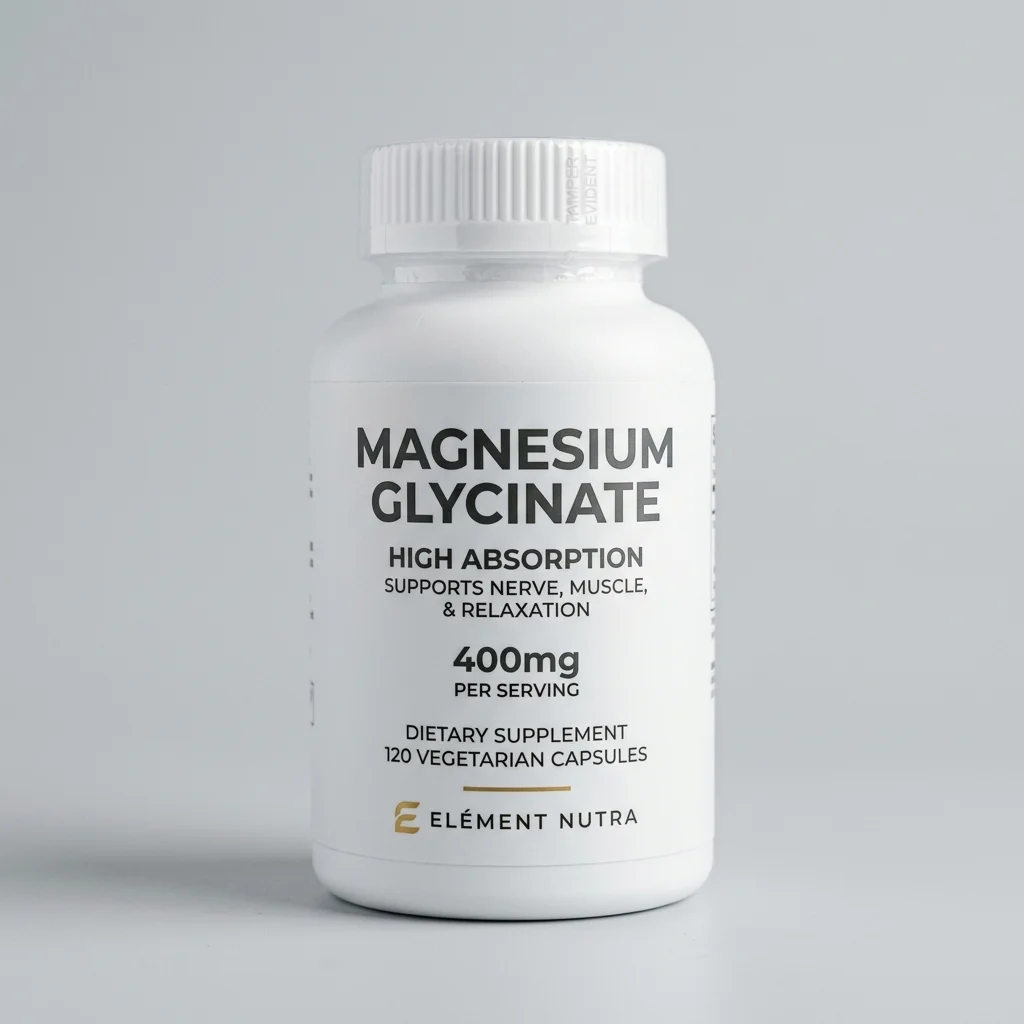
Magnesium Glycinate 400mg Capsules
Highly bioavailable chelated magnesium bound to glycine for maximum sleep and muscle absorption.
- Activates central GABA receptors for deep sleep
- Gentle on the stomach with superior bioavailability
2. Homocysteine Reference Intervals: Standard Laboratory vs Optimal Longevity Thresholds
A major dilemma in everyday primary care is the loose definition of what constitutes a 'normal' homocysteine concentration. Many public hospital laboratories across Denmark and Europe establish a broad reference interval spanning up to **15.0 µmol/L** (and frequently up to 18–20 µmol/L for adults over age 65). This broad window is statistically derived from the general population and was established historically to identify catastrophic deficiencies like pernicious anemia or acute homocystinuria, rather than subclinical, chronic microvascular disease. PMID 12397190 PMID 29555301
Large-scale prospective epidemiological investigations and clinical trials, including Oxford University's VITACOG study, demonstrate an entirely different risk trajectory: relative hazards for cardiovascular events, vascular dementia, and Alzheimer's disease begin climbing linearly once plasma homocysteine surpasses **9.0 to 10.0 µmol/L**. For every 5 µmol/L increment above this threshold, coronary heart disease risk escalates by approximately 30% to 40%, and the probability of accelerated cognitive decline roughly doubles. PMID 12397190 PMID 29555301
The following clinical benchmark matrix stratifies plasma homocysteine into five evidence-based risk tiers, providing detailed clinical interpretation and actionable diagnostic guidance: PMID 12397190 PMID 29555301
| Risk Tier | Plasma Homocysteine (µmol/L) | Laboratory Reference Status | Cardiovascular & Neurocognitive Risk | Clinical Interpretation & Action |
|---|---|---|---|---|
| Optimal (Longevity & neuroprotection) | < 8.0 µmol/L | Optimal (low) | Minimal cardiovascular & cognitive risk | Robust cellular methylation capacity; preserves arterial endothelium and protects against accelerated brain atrophy. |
| Low Risk / Acceptable | 8.0 – 10.0 µmol/L | Within conventional normal range | Low to moderate baseline risk | Adequate methylation; maintain B-vitamin-rich nutrition and retest plasma concentrations every 2 years. |
| Moderately Elevated (Early risk) | 10.0 – 15.0 µmol/L | Frequently marked as 'normal' by general clinics | Moderately elevated risk (~1.5x) | Early subclinical endothelial stress and neurotoxic pressure; screen MTHFR genotype, B12, MMA, and optimize diet. |
| Significantly Elevated (Active damage) | 15.0 – 30.0 µmol/L | Flagged as high in modern specialized panels | High risk (~2x for myocardial infarction and dementia) | Active endothelial injury and accelerated brain atrophy; mandates targeted supplementation with 5-MTHF, methyl-B12, and P5P. |
| Severe Hyperhomocysteinemia | > 30.0 µmol/L | Critically elevated | Extreme risk of acute thrombosis and stroke | Suggests profound B12 malabsorption, advanced renal impairment, or severe genetic CBS/MTHFR defects; requires urgent clinical investigation. |
3. How Homocysteine Damages Arteries and Brain Tissue: Endothelial Dysfunction and the VITACOG Trial
Why is an uncontained sulfur amino acid like homocysteine so uniquely harmful to both the cardiovascular network and the central nervous system? Extensive biomedical research identifies three primary destructive mechanisms: PMID 23690582 PMID 10587358 PMID 29555301
**1. Vascular Endothelial Dysfunction and Nitric Oxide Uncoupling**: When homocysteine accumulates in plasma, it undergoes spontaneous auto-oxidation. This chemical reaction generates substantial quantities of reactive oxygen species, particularly hydrogen peroxide (H2O2) and superoxide anions. These free radicals avidly scavenge nitric oxide (NO)—the vital signaling molecule responsible for maintaining smooth, dilated, and pliable vascular walls. Deprived of bioavailable NO, blood vessels suffer chronic spasm, systemic vascular resistance rises, and the endothelial barrier becomes permeable to atherogenic ApoB-carrying lipoprotein particles. Simultaneously, homocysteine stimulates vascular smooth muscle proliferation and collagen deposition, actively stiffening the arterial tree. PMID 23690582 PMID 10587358 PMID 29555301
**2. Neurotoxicity and NMDA Receptor Excitotoxicity**: In cerebral tissue, homocysteine acts as an aggressive agonist at neuronal NMDA glutamate receptors. Chronic receptor overactivation drives excessive calcium influx into neurons, triggering mitochondrial membrane depolarisation, severe oxidative stress, and apoptotic cell death—most notably within the vulnerable pyramidal cells of the hippocampus. Furthermore, homocysteine promotes tau protein hyperphosphorylation, exacerbating neurofibrillary tangle formation and suppressing endogenous SAMe synthesis needed to maintain protective myelin sheaths around neural axons. PMID 23690582 PMID 10587358 PMID 29555301
**Landmark Evidence: The Oxford VITACOG Trial**: Unassailable proof that homocysteine serves as a causative, treatable driver of cerebral brain atrophy was established by the **VITACOG trial from the University of Oxford**, directed by Professor A. David Smith. In this randomized, double-blind, placebo-controlled clinical trial, 168 older adults diagnosed with Mild Cognitive Impairment (MCI) were followed for two years. Participants received either high-dose B-vitamins (B12, folic acid, and B6) or placebo. The findings were groundbreaking: participants with high baseline homocysteine who received B-vitamins demonstrated an **up to 73% reduction in gray matter atrophy rate** across brain regions susceptible to Alzheimer's pathology, with stabilization of clinical cognitive scores. The study definitively established that lowering homocysteine halts neurodegenerative tissue loss. PMID 23690582 PMID 10587358 PMID 29555301
4. MTHFR Genetics: C677T, A1298C, and the Pitfall of Synthetic Folic Acid
Among the most prevalent genetic drivers of elevated plasma homocysteine are single nucleotide polymorphisms in the gene encoding **MTHFR (methylenetetrahydrofolate reductase)**. MTHFR serves as the critical gatekeeper enzyme responsible for converting inactive dietary folate into its biologically active derivative, 5-MTHF, which supplies the essential methyl group required to convert homocysteine back into methionine. PMID 12397190 PMID 16708070
Two well-characterized polymorphisms dominate clinical discussions: **C677T** and **A1298C**. Individuals who are heterozygous for C677T (carrying one altered copy, CT) experience an approximate 30% to 35% reduction in enzymatic efficiency. Individuals who are homozygous (carrying two copies, TT) suffer an astonishing **65% to 70% decrease in enzymatic capacity**. In Western and Scandinavian populations, approximately 10% of individuals are homozygous (TT) and over 40% are heterozygous (CT). Without targeted nutritional support, carriers of these variants exhibit an impaired ability to remethylate homocysteine. PMID 12397190 PMID 16708070
**The Pitfall of Synthetic Folic Acid**: A common clinical misconception is that taking a standard multivitamin containing conventional 'folic acid' (pteroylmonoglutamic acid) resolves the issue. However, synthetic folic acid does not exist in nature. It requires enzymatic reduction by hepatic dihydrofolate reductase (DHFR) before MTHFR can act upon it. Human liver tissue exhibits remarkably sluggish and variable DHFR activity. Consuming high doses of synthetic folic acid rapidly oversaturates DHFR, leading to substantial concentrations of Unmetabolized Folic Acid (UMFA) accumulating in systemic circulation. UMFA competitively binds and blocks folate receptors, potentially aggravating cellular folate deficiency. The safe, evidence-based solution is supplementing with **active L-methylfolate (L-5-MTHF)**, which enters the methylation cycle directly without requiring MTHFR enzymatic conversion. PMID 12397190 PMID 16708070
5. The Evidence-Based Protocol: How to Lower Homocysteine in Practice
When laboratory testing reveals plasma homocysteine exceeding 10.0 µmol/L, the level can almost invariably be normalized below the longevity target of 8.0 µmol/L within 6 to 10 weeks through structured, targeted intervention. A successful protocol involves four synchronized steps: PMID 23690582 PMID 10587358 PMID 16708070
**1. Comprehensive Diagnostic Workup**: Prior to initiating supplementation, identify the underlying biochemical drivers. Test plasma homocysteine alongside: **Methylmalonic Acid (MMA)** (the gold standard functional marker for tissue-level B12 deficiency), **Active B12 (holotranscobalamin)**, **Serum/RBC Folate**, and **Serum Creatinine/eGFR** (as diminished renal filtration directly reduces homocysteine excretion). PMID 23690582 PMID 10587358 PMID 16708070
**2. Targeted Bioactive Nutraceutical Protocol**: PMID 23690582 PMID 10587358 PMID 16708070
• **Vitamin B12 (Methylcobalamin + Adenosylcobalamin)**: 1,000 µg daily, ideally as a sublingual lozenge. Sublingual delivery bypasses gastrointestinal absorption hurdles, essential for individuals with hypochlorhydria, celiac disease, or compromised intrinsic factor. PMID 23690582 PMID 10587358 PMID 16708070
• **Active Folate (L-5-MTHF)**: 400–800 µg daily in the form of calcium-L-methylfolate or Quatrefolic®. Strictly avoid synthetic folic acid. PMID 23690582 PMID 10587358 PMID 16708070
• **Vitamin B6 (Pyridoxal-5-Phosphate, P5P)**: 20–50 mg daily to activate the CBS enzyme driving transsulfuration toward glutathione production. PMID 23690582 PMID 10587358 PMID 16708070
• **Betaine / TMG (Trimethylglycine)**: 500–1,500 mg daily. TMG provides methyl groups directly to the hepatic BHMT pathway, offering a powerful bypass mechanism that normalizes homocysteine independently of the folate-B12 axis—especially valuable in severe MTHFR deficiency. PMID 23690582 PMID 10587358 PMID 16708070
**3. Nutritional and Lifestyle Optimization**: Emphasize natural dietary folates found abundantly in dark leafy greens (spinach, kale, romaine, broccoli). Consume pastured eggs and beef liver for dietary choline, and wild cold-water fish for natural cobalamins. Concurrently address lifestyle factors: **excessive coffee consumption** (>4–5 cups daily can raise homocysteine by 10%–15% due to hepatic methylation demands of caffeine metabolism), while **chronic alcohol intake** depletes liver B-vitamin reserves. PMID 23690582 PMID 10587358 PMID 16708070
**Accessing Homocysteine Testing in Denmark and Europe**: In public healthcare, homocysteine testing is typically reserved for investigating diagnosed neurological deficits or verified B12 deficiency. For preventive health optimization, testing can be obtained easily through reputable private services such as Werlabs (offered as an add-on or in executive panels for 300–450 DKK), Nordic Clinic in Copenhagen, or private hospitals like Aleris, with rapid digital turnaround. PMID 23690582 PMID 10587358 PMID 16708070
Internal Further Reading
Read also in the same cluster

Smart Body Composition Scale
Advanced bioimpedance scale tracking muscle mass, body fat percentage, bone density and hydration.
- Tracks muscle mass & visceral fat
- Wireless sync with health apps
FAQ
Why do primary care doctors rarely check homocysteine in routine health checkups?
In public healthcare systems, guidelines are configured primarily for diagnosing acute disease rather than preventive biochemical optimization. Homocysteine is usually restricted to investigating unexplained thromboembolism, pernicious anemia, or cognitive impairment. Many general practitioners consider the test redundant if basic serum B12 appears normal, despite homocysteine being a far more sensitive functional indicator of intracellular methylation failure.
What is the critical difference between folic acid and methylfolate (5-MTHF)?
Folic acid is a synthetic oxidized chemical compound not found in whole foods, requiring two separate enzymatic steps (DHFR and MTHFR) to become biologically useful. L-methylfolate (5-MTHF) is the natural, bioactive form that human cells utilize directly. For individuals carrying common MTHFR mutations, synthetic folic acid can accumulate as unmetabolized folic acid in the blood, whereas methylfolate bypasses the enzymatic defect and lowers homocysteine rapidly.
How quickly can one expect homocysteine levels to decline after starting supplementation?
Homocysteine is an exceptionally dynamic biomarker. With a targeted regimen of 5-MTHF, methyl-B12, P5P, and TMG, plasma homocysteine typically falls by 30% to 50% within 4 to 8 weeks. It is recommended to retest blood levels after 8 to 12 weeks to confirm that concentrations have reached the optimal longevity target below 8–9 µmol/L, after which doses can be adjusted to maintenance levels.
Can plasma homocysteine levels ever become too low?
Yes, although it is relatively uncommon. A homocysteine reading below 4.0–5.0 µmol/L can indicate hypomethylation or suppressed transsulfuration, potentially hindering the body's ability to manufacture adequate sulfate, taurine, and glutathione. In cases of extremely low homocysteine, evaluating whole-blood amino acid profiles and ensuring adequate dietary protein intake is clinically prudent.
Sources and References
- [1]
- [2]
- [3]
- [4]
Show all 5 sources (1 more)
- [5]
Editorial History
22. september 2026
Første publicering
Første version blev publiceret som del af precision medicine med intro, takeaways, FAQ og referenceblok.
22. september 2026
Faglig gennemgang
Formuleringer, forbehold og interne links blev gennemgået for klarhed, konsistens og YMYL-tydelighed.
22. september 2026
Seneste opdatering
Homocysteine and B-Vitamins fik opdaterede metadata, referenceoutput og forbedret beslutningsnær struktur.

Medical Review
Medical Review and Update Process
This article has been medically reviewed by Vadim Doroshenko with a focus on clinical accuracy, sources, disclaimers, and whether the conclusions still align with current scientific evidence.

Editorial Profile
Borys Viktorovytj Riabtsev
Borys Viktorovytj Riabtsev publishes Longevity Lab as a research-backed information project on precision medicine, metabolic health, and healthy aging, utilizing rigorous sources, independent medical review, and objective YMYL communication.