Key takeaways
- The Lancet Commission 2024 proved that up to 45% of all dementia cases can be delayed or prevented by targeting 14 modifiable risk factors.
- Untreated midlife hearing loss (7% PAF) and high LDL cholesterol (7% PAF) are the two single largest modifiable midlife risks.
- Maintaining systolic blood pressure strictly under 130 mmHg prevents cerebral microvascular rarefaction and white matter hyperintensities.
- Slow-wave deep sleep activates the brain's glymphatic clearance mechanism, purging neurotoxic beta-amyloid and hyperphosphorylated tau.
- Blood-based biomarker screening for plasma p-tau217 now enables early risk stratification 15 to 20 years before clinical cognitive impairment.
Medical disclaimer: Content is for informational purposes and does not replace medical advice.
The Lancet Commission 2024: The 14-Factor Lifetime Risk Matrix
The Lancet Commission on Dementia Prevention, Intervention, and Care published its landmark 2024 update, adding two major modifiable risks to its global epidemiological model: untreated midlife vision loss and elevated low-density lipoprotein (LDL) cholesterol. Together with 12 previously established factors, addressing these 14 targets could eliminate up to 45% of dementia cases worldwide. Livingston et al., The Lancet 2024 Alzheimer's Society UK World Health Organization
The paradigm shift is profound: dementia prevention is not an acute intervention started in one's seventies, but a cumulative cardiovascular and neurobiological strategy spanning midlife (ages 40–65) and older adulthood. Livingston et al., The Lancet 2024 Alzheimer's Society UK World Health Organization
| Life Stage | Modifiable Risk Factor | Population Attributable Fraction (PAF) | Neuropathological Mechanism | Target Clinical Intervention |
|---|---|---|---|---|
| Early Life (<18 yrs) | Lower Educational Attainment | 5.0% | Reduces baseline synaptic density and initial cognitive reserve | Structured secondary/higher education and intellectual enrichment |
| Midlife (45–65 yrs) | Untreated Hearing Loss | 7.0% (Largest single factor) | Auditory deprivation causes cognitive reallocation; accelerates temporal lobe atrophy | Audiometric testing after 45; immediate hearing aid adoption for mild-moderate loss |
| Midlife (45–65 yrs) | Elevated LDL Cholesterol (>3.0 mmol/L) | 7.0% (Added in 2024) | Endothelial dysfunction, blood-brain barrier breakdown, cerebral atherosclerosis | Lipid lowering (statins, ezetimibe); target ApoB <0.80 g/L |
| Midlife (45–65 yrs) | Untreated Hypertension (BP >130/80) | 2.0% | Microvascular rarefaction, small vessel disease, white matter lesions | Antihypertensive pharmacotherapy targeting systolic BP <130 mmHg |
| Midlife (45–65 yrs) | Untreated Vision Loss | 2.0% (Added in 2024) | Sensory deprivation and social disengagement accelerating neural decline | Cataract surgery, regular ophthalmologic screening, corrective refraction |
| Midlife (45–65 yrs) | Traumatic Brain Injury (TBI) | 3.0% | Chronic neuroinflammation, microglial activation, diffuse axonal injury | Helmet use in cycling, sports concussion protocols, fall prevention |
| Later Life (>65 yrs) | Type 2 Diabetes & Insulin Resistance | 1.0% | Brain insulin resistance ('Type 3 Diabetes'), impaired neuronal glucose uptake | Maintain HbA1c <42 mmol/mol (6.0%); evaluate GLP-1 RA or SGLT2i |
| Later Life (>65 yrs) | Physical Inactivity | 2.0% | Suppressed BDNF synthesis, reduced cerebral blood flow, muscle mass loss | 150 min/week Zone 2 aerobic exercise + 2 weekly resistance sessions |
| Later Life (>65 yrs) | Social Isolation & Chronic Depression | 4.0% (combined) | HPA axis glucocorticoid neurotoxicity, decreased executive engagement | Regular social interaction, cognitive behavioral therapy, community involvement |
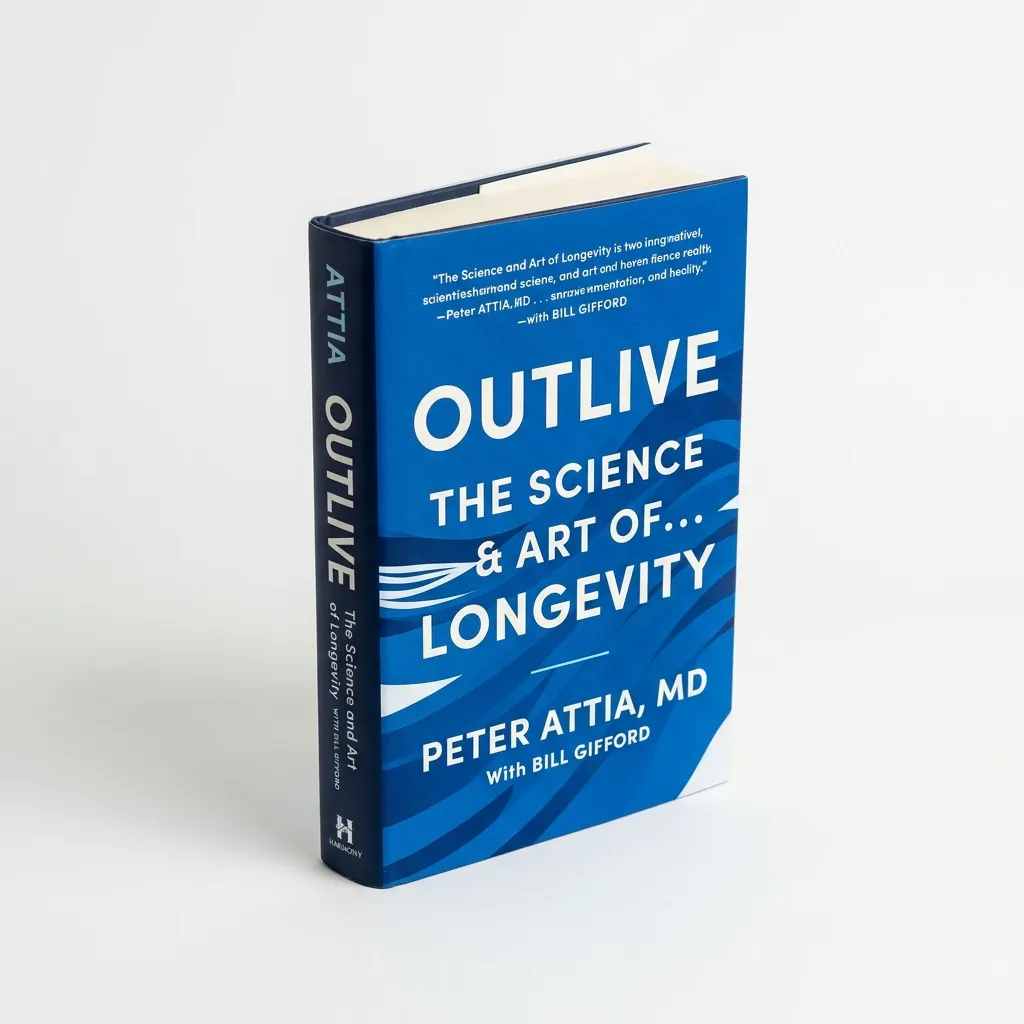
Outlive: The Science & Art of Longevity
Dr. Peter Attia's groundbreaking guide to preventive medicine, exercise for longevity, and healthy aging.
- Scientific framework for Medicine 3.0
- Actionable guide on sleep, exercise & nutrition
Why Untreated Hearing Loss Is the Single Largest Preventable Hazard
For most adults, learning that hearing loss carries a higher population attributable fraction (7%) than smoking or hypertension is shocking. When hair cells in the cochlea degrade, the brain must redirect precious prefrontal executive resources merely to decode auditory signals, starving memory encoding of neural bandwidth. Livingston et al., The Lancet 2024 Alzheimer's Society UK
Furthermore, longitudinal MRI studies demonstrate accelerated atrophy in the auditory cortex and hippocampus among individuals with uncorrected hearing impairment. Landmark trials (such as the ACHIEVE trial in 2023) confirm that providing hearing aids to older adults at increased risk of cognitive decline significantly decelerates cognitive deterioration over 3 years. Livingston et al., The Lancet 2024 Alzheimer's Society UK
Cerebrovascular Optimization: Why Blood Pressure and ApoB Matter
The brain contains over 600 kilometers of microvascular capillaries. Sustained systolic pressures above 130 mmHg subject delicate cerebral arterioles to mechanical shearing, causing lipohyalinosis, microbleeds, and white matter hyperintensities visible on MRI. Livingston et al., The Lancet 2024 World Health Organization PMID 25681666
The SPRINT-MIND clinical trial proved that intensive blood pressure control (systolic target <120 mmHg vs <140 mmHg) reduced the rate of mild cognitive impairment (MCI) by 19%. Concurrently, optimizing Apolipoprotein B (ApoB) and LDL cholesterol limits atherosclerotic plaque formation in the carotid and cerebral arteries, preventing silent lacunar infarcts. Livingston et al., The Lancet 2024 World Health Organization PMID 25681666
Exercise, BDNF, and Mitochondrial Reserve in Neuronal Tissue
Physical exercise is arguably the most potent neuroprotective intervention available. Sustained muscular contraction releases circulating myokines, including irisin and cathepsin B, which cross the blood-brain barrier and upregulate Brain-Derived Neurotrophic Factor (BDNF) in the dentate gyrus of the hippocampus. PMID 31446007
To maximize cognitive return: PMID 31446007
• Zone 2 Aerobic Conditioning (150–180 min/week): Keeps lactate below 2.0 mmol/L while expanding capillary density and mitochondrial efficiency in cerebral tissue. PMID 31446007
• Heavy Progressive Resistance Training (2x/week): Counteracts sarcopenia; skeletal muscle mass and handgrip strength correlate inversely with dementia incidence across 10-year observational cohorts. PMID 31446007
The Glymphatic System: Deep Sleep as Cerebral Waste Clearance
During non-REM slow-wave sleep (Stage 3/N3), astrocytic aquaporin-4 (AQP4) water channels expand interstitial space by 60%, allowing cerebrospinal fluid (CSF) to flush through brain tissue. This glymphatic convective flow removes metabolic byproducts accumulated during waking hours—including amyloid-beta (Aβ42) oligomers and hyperphosphorylated tau proteins. PMID 31446007 Sundhedsstyrelsen
Fragmented sleep or chronic deprivation (<6 hours/night) impairs glymphatic flux. Obstructive sleep apnea (OSA) represents a severe cognitive emergency: intermittent nocturnal hypoxia and micro-arousals both spike blood pressure and extinguish slow-wave sleep. Continuous Positive Airway Pressure (CPAP) therapy restores sleep architecture and normalizes glymphatic clearance. PMID 31446007 Sundhedsstyrelsen
Plasma p-tau217: The 2026 Breakthrough in Early Diagnostic Screening
Historically, identifying Alzheimer's pathology required invasive lumbar punctures for cerebrospinal fluid or multi-thousand-dollar amyloid PET scans. In 2026, high-accuracy blood tests measuring plasma phosphorylated tau-217 (p-tau217) have revolutionized preventive neurology. Sundhedsstyrelsen
Plasma p-tau217 achieves greater than 90% diagnostic concordance with amyloid PET imaging. Elevated p-tau217 indicates active amyloid plaque accumulation and tau tangle formation up to 15 to 20 years before the first clinical memory lapse. Identifying elevated biomarkers early empowers patients to aggressively address the 14 Lancet risk factors while neurons remain fully viable. Sundhedsstyrelsen
What Should You Do First? An Evidence-Based Prioritization Framework
Facing 14 distinct modifiable risk factors can easily induce decision paralysis. Fortunately, these preventive interventions exert compounding, pleiotropic effects: optimizing vascular blood pressure and ApoB simultaneously preserves both coronary artery patency and cerebral microvascular integrity. Sundhedsstyrelsen
To translate epidemiological consensus into practical longevity architecture, interventions should be prioritized based on statistical effect size, diagnostic feasibility, and therapeutic return on effort. Sundhedsstyrelsen
First: Verify systolic blood pressure (<120/80 mmHg) and ApoB (<60–70 mg/dL). If elevated, clinical management delivers immediate microvascular protection. Second: Schedule pure-tone audiometry screening if over age 45; modern low-profile hearing aids prevent auditory cortex deprivation. Third: Lock in a weekly minimum of 150 minutes of Zone 2 cardio paired with twice-weekly progressive resistance training to stimulate hippocampal neurogenesis and sustain insulin sensitivity. Sundhedsstyrelsen
| Clinical Priority | Target Preventive Intervention | Evidence Grade & Study Type | Therapeutic Latency to Cognitive Protection |
|---|---|---|---|
| Priority 1 | Rigorous Blood Pressure Control (Systolic <120 mmHg) | Very High (SPRINT-MIND RCTs) | 3–5 years |
| Priority 2 | Audiological Screening & Hearing Aid Correction | High (ACHIEVE RCT & Epidemiological Modeling) | 3–7 years |
| Priority 3 | Structured Physical Exercise (150+ min/wk Zone 2 + Resistance) | High (Prospective cohorts & biomarker RCTs) | 2–5 years |
| Priority 4 | Restorative Sleep Architecture & Sleep Apnea Screening (CPAP) | Moderate-High (Glymphatic clearance mechanics) | 1–3 years |
| Priority 5 | Metabolic Optimization (Fasting insulin, HbA1c, ApoB) | High (Vascular dementia & T3D data) | 3–8 years |
Internal Further Reading
Read also in the same cluster
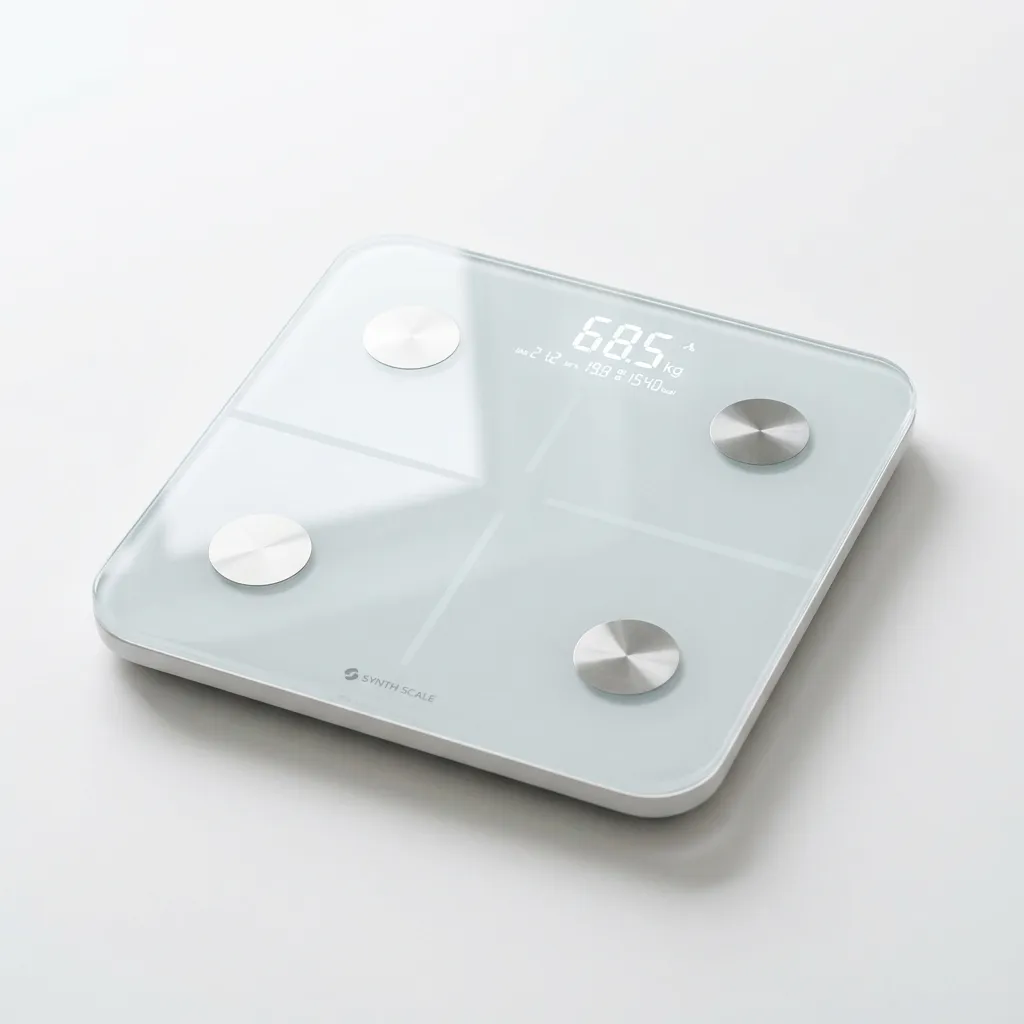
Smart Body Composition Scale
Advanced bioimpedance scale tracking muscle mass, body fat percentage, bone density and hydration.
- Tracks muscle mass & visceral fat
- Wireless sync with health apps
FAQ
Can dementia be cured?
No, there is currently no cure for Alzheimer's or other neurodegenerative dementias. The available drugs (donepezil, memantine) can suppress symptoms temporarily but do not stop the disease process. That's why prevention is so central — it's the most effective intervention we have.
When should I start thinking about dementia prevention?
The sooner, the better. The pathological processes that lead to Alzheimer's begin 15-20 years before the first symptoms appear. Midlife (40-65 years) is the most critical window for prevention because many of the risk factors (hypertension, obesity, hearing loss) have the greatest effect there. But late action still has value.
Do crosswords and sudoku help with dementia?
The evidence is mixed. Cognitive training produces modest improvements in the trained task, but transfer to general cognitive function is weak. What has better evidence are complex activities that combine multiple cognitive domains simultaneously: language learning, musical training, volunteering, and social interaction.
Is Alzheimer's hereditary?
For the vast majority of cases (over 95%), Alzheimer's is not hereditary in the classical sense. The APOE4 gene variant increases the risk (2-3 times for heterozygotes, 8-12 times for homozygotes), but is neither necessary nor sufficient to develop the disease. Modifiable risk factors matter regardless of your genotype.
Can nutritional supplements prevent dementia?
There are no dietary supplements with convincing evidence for dementia prevention in the general population. Omega-3, vitamin D and B vitamins have theoretical plausibility, but RCTs have not confirmed clinical efficacy. The whole diet — especially the MIND diet — has stronger evidence than individual supplements.
Who is behind the Lancet Commission 2024?
The Lancet Commission on dementia prevention is an international panel of leading dementia researchers, epidemiologists and clinicians, chaired by Professor Gill Livingston (University College London). The commission's reports are among the most cited and authoritative sources in the dementia prevention literature globally.
Sources and References
- [1]
- [2]
- [3]
- [4]
Show all 6 sources (2 more)
- [5]
- [6]
Editorial History
4. June 2026
First publication
Initial version was published as part of the healthy aging with introduction, takeaways, FAQ, and reference block.
4. June 2026
Medical review
Phrasing, caveats, and internal links were reviewed for clarity, consistency, and YMYL alignment.
4. June 2026
Latest update
Prevent dementia and Alzheimer's received updated metadata, reference outputs, and improved decision-support structure.

Medical Review
Medical Review and Update Process
This article has been medically reviewed by Vadim Doroshenko with a focus on clinical accuracy, sources, disclaimers, and whether the conclusions still align with current scientific evidence.

Editorial Profile
Borys Viktorovytj Riabtsev
Borys Viktorovytj Riabtsev publishes Longevity Lab as a research-backed information project on precision medicine, metabolic health, and healthy aging, utilizing rigorous sources, independent medical review, and objective YMYL communication.