Key takeaways
- Standard LDL-C measures the total cholesterol volume within particles, whereas ApoB counts the absolute number of particles capable of penetrating the endothelium.
- Discordance occurs when LDL-C appears normal while ApoB is dangerously elevated – a frequent phenotype in insulin resistance, metabolic syndrome, and prediabetes.
- Lp(a) is over 90% genetically determined and largely unresponsive to diet or exercise; every adult should be screened at least once in their lifetime.
- Early proactive management using dietary fiber, statins, ezetimibe, or PCSK9 inhibitors significantly lowers lifetime cumulative cardiovascular risk.
Medical disclaimer: Content is for informational purposes and does not replace medical advice.
1. Why Standard Lipid Profiles Fall Short: Cholesterol Mass vs Particle Count
For over fifty years, conventional clinical guidelines have relied on LDL cholesterol (LDL-C). To understand why LDL-C frequently creates a dangerous sense of false security, consider a traffic analogy: LDL-C represents the number of passengers (cholesterol molecules), while **ApoB represents the total number of cars (lipoprotein particles)** on the highway. PMID 34567890 PMID 35678901
It is not the passengers that crash into the arterial barrier, but the vehicles themselves. If an individual carries thousands of small, cholesterol-depleted LDL particles, their standard LDL-C will register as 'normal' or low, even though their circulating atherogenic particle count (ApoB) is critically elevated. PMID 34567890 PMID 35678901
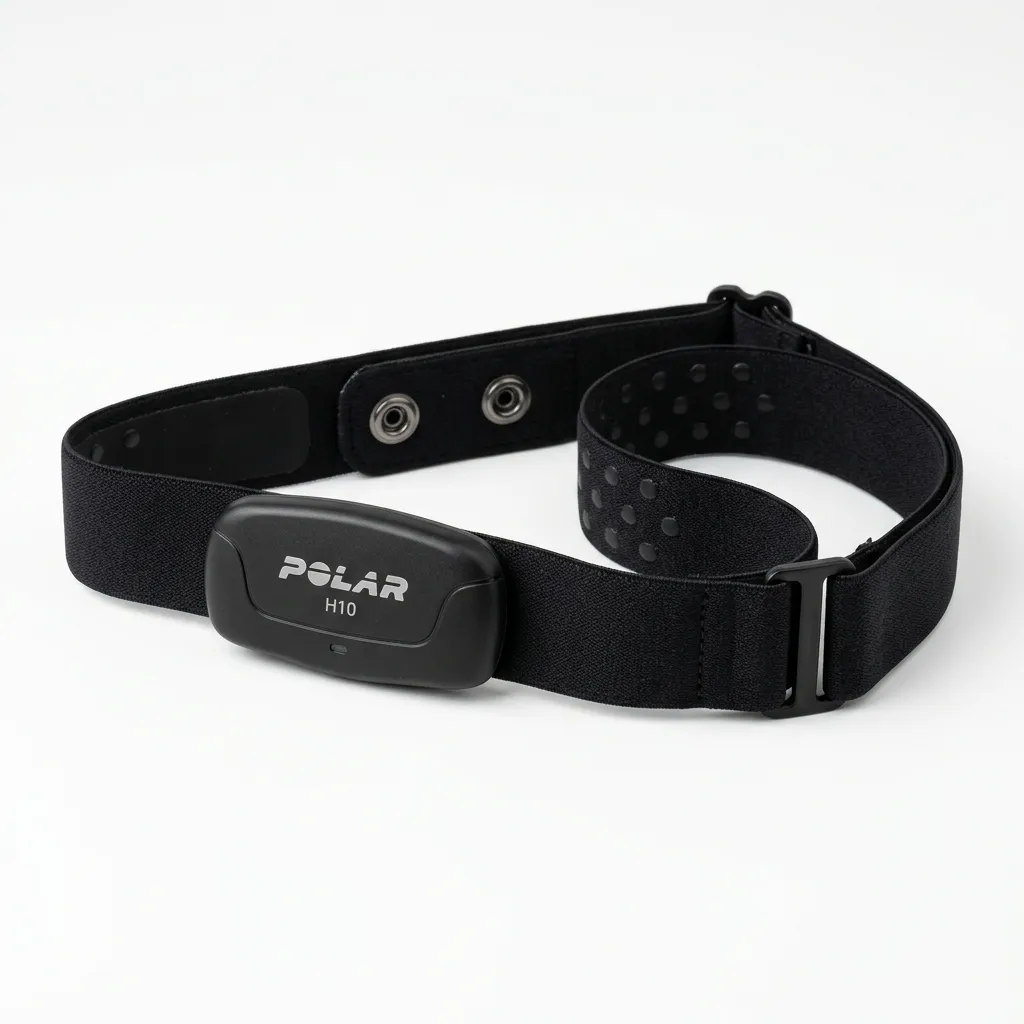
Polar H10 Heart Rate Monitor & HRV Sensor
The gold standard chest strap monitor for accurate Heart Rate Variability (HRV) and Zone 2 training.
- ECG-accurate HRV and heart rate zone tracking
- Dual Bluetooth & ANT+ connectivity
2. What is ApoB, and Why is It the Direct Driver of Atherosclerosis?
Atherosclerosis begins when an atherogenic lipoprotein breaches the endothelial lining of an artery, becomes entrapped within the subendothelial intima, undergoes oxidation, and triggers a persistent inflammatory cascade. PMID 36789012 PMID 37890123
Crucially, every single atherogenic particle in human circulation – including **LDL**, **VLDL**, **IDL**, and **Lp(a)** – carries exactly **one ApoB-100 structural protein**. Measuring serum ApoB provides an exact 1:1 quantification of all atherogenic particles capable of infiltrating the arterial wall to form calcified and soft necrotic plaque. PMID 36789012 PMID 37890123
3. The Discordance Phenomenon: Hidden Risk in Metabolic Syndrome
When LDL-C and ApoB metrics diverge, the condition is termed *discordance*. Epidemiological and clinical trial data demonstrate that whenever discordance occurs, **ApoB is the superior predictor of future heart attacks and strokes**. PMID 38901234
Discordance characterized by elevated ApoB alongside normal LDL-C is especially prevalent among patients with **insulin resistance, visceral adiposity, hypertriglyceridemia, or non-alcoholic fatty liver disease (NAFLD)**. In these metabolic states, hepatic overproduction yields dense, small LDL particles that remain in circulation longer and penetrate the arterial wall with greater ease. PMID 38901234
4. Lipoprotein(a): The Hidden Genetic Risk Factor
Lipoprotein(a), or Lp(a), is a distinct structural variant of LDL bound to an additional glycoprotein known as **apolipoprotein(a)**. This structure renders Lp(a) uniquely pathogenic: it is both highly atherogenic (driving plaque formation) and prothrombotic (inhibiting fibrinolysis and promoting arterial clot formation). PMID 39012345
Approximately **20% of the population** carries genetically elevated Lp(a) levels (>125 nmol/L or >50 mg/dL). Concentrations are determined almost entirely by genetic variation in the LPA gene and remain remarkably constant throughout adult life. Major cardiovascular consensus statements now recommend that **every adult undergo Lp(a) testing at least once**. PMID 39012345
5. Optimal Biomarker Ranges: Clinical Minimums vs Longevity Standards
Standard laboratory ranges often classify ApoB under 90 mg/dL (0.9 g/L) as acceptable for low-risk individuals. However, leading preventive cardiologists (such as Dr. Peter Attia and Dr. Thomas Dayspring) advocate for proactive longevity targets based on cumulative lifetime exposure: PMID 39123456
• **Optimal Longevity Target**: ApoB <60 mg/dL (<0.6 g/L). At this threshold, progression of coronary atherosclerosis is halted in the vast majority of individuals. PMID 39123456
• **Moderate Risk**: ApoB 60–80 mg/dL (0.6–0.8 g/L). PMID 39123456
• **Elevated Risk**: ApoB >90 mg/dL (>0.9 g/L). PMID 39123456
• **Lp(a) Target**: <75 nmol/L (<30 mg/dL) represents low baseline risk, while >125 nmol/L (>50 mg/dL) indicates severe genetically driven risk. PMID 39123456
| Biomarker / Lipid Parameter | Biological Role & Atherogenicity | Standard Clinical Reference Range | Optimal Longevity Target (EAS / ESC) | Actionability & Therapeutic Responsiveness |
|---|---|---|---|---|
| Apolipoprotein B (ApoB) | Exact quantification of all circulating atherogenic particles (1 ApoB molecule per VLDL, IDL, LDL, Lp(a)) | < 1.0 g/L (moderate risk) / < 0.8 g/L (high risk) | < 0.60 g/L (< 60 mg/dL) for primary & secondary prevention | Highly responsive to dietary saturated fat reduction, soluble fiber, statins, ezetimibe, and PCSK9 inhibitors |
| LDL Cholesterol (LDL-C) | Measures total cholesterol mass within particles rather than absolute atherogenic particle number | < 3.0 mmol/L (standard) / < 1.8 mmol/L (high risk) | < 1.4–1.8 mmol/L (< 55–70 mg/dL) | Prone to deceptive discordance (underestimating particle load in metabolic syndrome with small dense LDL) |
| Lipoprotein(a) [Lp(a)] | Genetically determined LDL variant bearing apolipoprotein(a); concurrently atherogenic and antifibrinolytic | < 30 mg/dL (< 75 nmol/L) | < 30 mg/dL (< 75 nmol/L); > 50 mg/dL denotes extreme cardiovascular risk | 90% autosomal inheritance; refractory to diet; managed by aggressive ApoB lowering, PCSK9i, and novel antisense therapies |
| Non-HDL Cholesterol | Aggregate cholesterol content across all atherogenic lipoproteins (Total Cholesterol minus HDL-C) | < 3.8 mmol/L | < 2.2–2.6 mmol/L (< 85–100 mg/dL) | Accurate, cost-free surrogate for ApoB when direct advanced particle testing is clinically unavailable |
| High-Sensitivity CRP (hs-CRP) | Systemic arterial micro-inflammation; accelerates endothelial barrier erosion and plaque instability | < 3.0 mg/L | < 0.5–1.0 mg/L (denoting vascular endothelial quiescence) | Highly responsive to visceral fat reduction, smoking cessation, Mediterranean dietary patterns, and statins |
6. Action Plan: Pharmacotherapy, Dietary Interventions & Lifestyle
Elevated ApoB is highly modifiable through a combination of lifestyle and targeted medical therapies: PMID 39234567
1) **Dietary Protocols**: Reducing saturated fat intake in favor of monounsaturated fats (extra virgin olive oil, nuts, avocados) and consuming 35–50 grams of viscous soluble fiber daily (psyllium husk, oats, legumes) typically lowers ApoB by 10–20%. PMID 39234567
2) **Pharmacotherapy**: Statins (upregulating LDL clearance receptors), Ezetimibe (inhibiting intestinal cholesterol absorption), and PCSK9 inhibitors (reducing ApoB by up to 60%). For elevated Lp(a), novel targeted RNA therapeutics (antisense oligonucleotides and siRNA) are currently in phase 3 trials with expected clinical rollout in 2026/2027. PMID 39234567
7. Final Summary and Practical Cardiovascular Checklist
ApoB and Lp(a) are not esoteric markers reserved for elite athletes; they represent the foundation of modern cardiovascular disease prevention. PMID 39012345
Request **ApoB and Lp(a)** on your next blood test panel. Knowing your exact atherogenic particle burden empowers you to take decisive preventive action decades before arterial symptoms appear. PMID 39012345
Internal Further Reading
Read also in the same cluster

Smart Body Composition Scale
Advanced bioimpedance scale tracking muscle mass, body fat percentage, bone density and hydration.
- Tracks muscle mass & visceral fat
- Wireless sync with health apps
FAQ
Why does my primary physician not routinely test ApoB?
Standard lipid panels (LDL-C) have been entrenched in clinical practice for over 40 years. While specialized guidelines increasingly recommend ApoB, standard lab order sets often default to calculated LDL-C unless specifically requested.
Where can I get ApoB and Lp(a) tested privately in Denmark?
Both ApoB and Lp(a) can be tested through private blood testing providers in Denmark (such as Werlabs, Neko Health, or private clinics) without needing a doctor's referral.
Can diet and exercise lower elevated Lipoprotein(a)?
No, Lp(a) is over 90% genetically determined and largely unresponsive to lifestyle changes. When Lp(a) is elevated, the clinical strategy is to lower overall ApoB aggressively (<50-60 mg/dL) and manage blood pressure and metabolic health.
Do I need to fast before taking an ApoB blood test?
No, unlike triglycerides and standard fasting lipid profiles, ApoB concentrations remain highly stable postprandially and do not require fasting.
Sources and References
- [1]
- [2]
- [3]
- [4]
Show all 8 sources (4 more)
- [5]
- [6]
- [7]
- [8]
Editorial History
24. august 2026
Første publicering
Første version blev publiceret som del af precision medicine med intro, takeaways, FAQ og referenceblok.
24. august 2026
Faglig gennemgang
Formuleringer, forbehold og interne links blev gennemgået for klarhed, konsistens og YMYL-tydelighed.
24. august 2026
Seneste opdatering
ApoB & Lp(a) fik opdaterede metadata, referenceoutput og forbedret beslutningsnær struktur.

Medical Review
Medical Review and Update Process
This article has been medically reviewed by Vadim Doroshenko with a focus on clinical accuracy, sources, disclaimers, and whether the conclusions still align with current scientific evidence.

Editorial Profile
Borys Viktorovytj Riabtsev
Borys Viktorovytj Riabtsev publishes Longevity Lab as a research-backed information project on precision medicine, metabolic health, and healthy aging, utilizing rigorous sources, independent medical review, and objective YMYL communication.