Key takeaways
- Standard CRP at general clinics has a detection cutoff of 5–10 mg/L, missing low-grade microvascular endothelial irritation that hs-CRP detects between 0.1 and 3.0 mg/L.
- According to American Heart Association (AHA) and CDC guidelines, hs-CRP below 1.0 mg/L indicates low cardiovascular risk, 1.0–3.0 mg/L indicates moderate risk, and above 3.0 mg/L indicates high risk.
- While ApoB-carrying lipoprotein particles supply the building blocks of atherosclerotic plaques, hs-CRP and inflammatory cytokines represent the 'match' that makes plaques fragile and rupture-prone.
- Common drivers of persistent hs-CRP elevation (1.5–4.0 mg/L) in asymptomatic individuals include visceral adiposity, occult periodontal disease, obstructive sleep apnea, gut endotoxemia, and chronic cortisol resistance.
- Targeted lifestyle interventions—including 2–3 g daily high-purity EPA/DHA omega-3, Zone 2 endurance training, visceral fat loss, and professional dental scaling—can reduce hs-CRP by 25–40%.
Medical disclaimer: Content is for informational purposes and does not replace medical advice.
1. What is hs-CRP? The Difference Between Standard CRP and High-Sensitivity hs-CRP
C-reactive protein (CRP) is a pentameric acute-phase protein synthesized primarily by hepatic parenchymal cells (hepatocytes) in direct response to pro-inflammatory signaling cytokines, predominantly interleukin-6 (IL-6), interleukin-1beta (IL-1beta), and tumor necrosis factor-alpha (TNF-alpha). From an evolutionary perspective, CRP acts as a rapid innate immune sentinel: the molecule binds specifically to phosphocholine expressed on the surface of dying cells and invading bacterial pathogens, activating the classic complement cascade and opsonizing debris for macrophage phagocytosis. PMID 12551878 PMID 11282915
The fundamental distinction between standard CRP and high-sensitivity CRP (hs-CRP, also referred to as cardiac CRP) does not reside in the protein molecule itself—the circulating pentamer is biochemically identical—but rather in the analytical sensitivity and dynamic range of the laboratory assay. Standard CRP assays utilized in everyday emergency departments and primary care rely on basic turbidimetric platforms calibrated to capture gross inflammatory surges during bacterial infections, trauma, sepsis, or surgical complications. These assays operate with a high lower limit of quantification, typically 5 to 10 mg/L. If your blood sample holds an elevated microvascular concentration of 2.2 mg/L, standard testing simply prints '< 5 mg/L' or '< 10 mg/L' as a reassuring false negative. PMID 12551878 PMID 11282915
In contrast, high-sensitivity hs-CRP assays utilize high-affinity monoclonal antibody-coated latex microparticles or chemiluminescent immunoassay platforms. This provides accurate measurement down to 0.1 mg/L or lower. In preventive longevity medicine, the gap between 0.4 mg/L and 2.8 mg/L is profound: an individual with 0.4 mg/L exhibits vascular quiescence with negligible endothelial inflammatory pressure, whereas someone at 2.8 mg/L carries persistent vascular irritation that, across prospective cohort studies, doubles their relative risk of future cardiovascular events. PMID 12551878 PMID 11282915
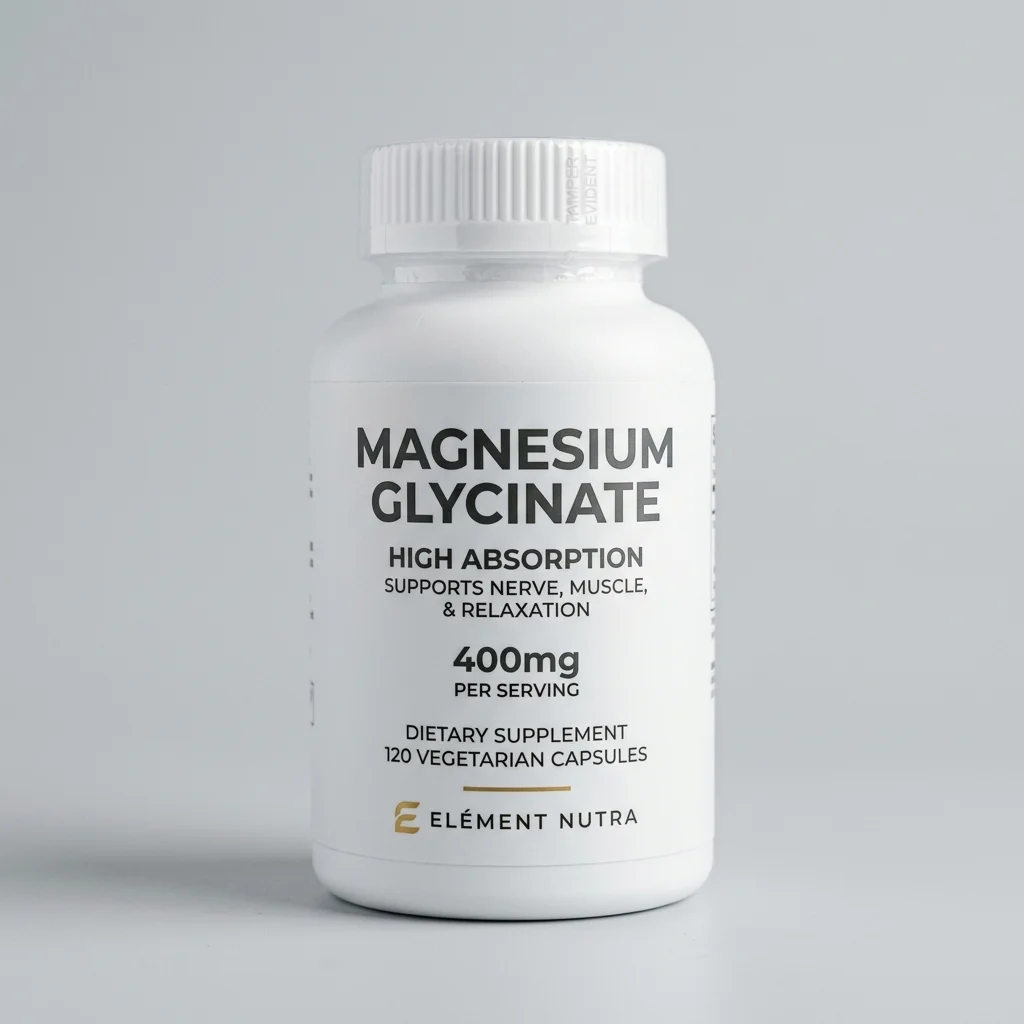
Magnesium Glycinate 400mg Capsules
Highly bioavailable chelated magnesium bound to glycine for maximum sleep and muscle absorption.
- Activates central GABA receptors for deep sleep
- Gentle on the stomach with superior bioavailability
2. Reference Ranges and Risk Stratification: What Do Your Numbers Mean?
Unlike routine clinical blood markers evaluated with a simple binary normal reference interval, preventive cardiologists and precision longevity clinicians rely on a structured risk stratification matrix for hs-CRP established jointly by the Centers for Disease Control and Prevention (CDC) and the American Heart Association (AHA). This model reflects decades of prospective epidemiological data tracking hundreds of thousands of adults over long follow-up periods. PMID 12551878 PMID 20031260
A critical biological caveat must always accompany hs-CRP testing: intra-individual acute fluctuation. If you sprain an ankle, undergo dental work, recover from a mild respiratory virus, or complete an exhaustive marathon two days before blood sampling, circulating hs-CRP can transiently spike to 8, 15, or even 30 mg/L. Therefore, cardiovascular risk stratification must never rely on a single isolated high measurement. Clinical guidelines mandate that if hs-CRP measures above 3.0 mg/L, the test should be repeated 2 to 4 weeks later in a completely symptom-free state to confirm true baseline vascular tone. PMID 12551878 PMID 20031260
The table below details the established clinical thresholds for hs-CRP alongside standard clinical CRP equivalents, outlining precise cardiovascular risk assessments and practical diagnostic recommendations: PMID 12551878 PMID 20031260
| Risk Category | hs-CRP Concentration (mg/L) | Standard CRP Equivalent | Cardiovascular Risk Tier | Clinical Interpretation & Action |
|---|---|---|---|---|
| Optimal (Longevity target) | < 0.5 mg/L | Undetectable (< 5 mg/L) | Extremely low risk | Minimal vascular endothelial strain; ideal target for long-term healthspan and arterial preservation. |
| Low Risk | 0.5 – 1.0 mg/L | Reported as normal (< 5 mg/L) | Low cardiovascular risk | Satisfactory inflammatory control; maintain nutrient-dense whole-food dietary patterns and regular activity. |
| Moderate Risk | 1.0 – 3.0 mg/L | Reported as normal (< 5 or < 8 mg/L) | Moderately elevated risk (~1.5x) | Subclinical microvascular or metabolic stress; prioritize visceral fat reduction, metabolic screening, and Zone 2 training. |
| High Risk | 3.0 – 10.0 mg/L | Borderline or mildly elevated | High cardiovascular risk (~2x elevation) | Active systemic low-grade inflammation; thoroughly investigate periodontal health, sleep apnea, visceral adiposity, and hepatic steatosis. |
| Acute Flare / Infection | > 10.0 mg/L | Clearly elevated (> 10 mg/L) | Non-diagnostic for vascular screening | Suggests active infection, acute tissue trauma, or autoimmune flare; defer cardiovascular assessment and retest in 3–4 weeks. |
3. hs-CRP, ApoB, and Heart Disease: The Inflammation Hypothesis and the CANTOS Trial
For several decades, conventional cardiovascular preventive medicine followed an almost exclusive 'cholesterol-centric' dogma: lower LDL cholesterol and ApoB as far as possible to reduce coronary artery disease. Yet clinical practitioners continuously observed a perplexing clinical reality: nearly 50% of all acute myocardial infarctions occur in individuals with completely normal or even low circulating LDL cholesterol levels. How could patients with 'ideal' lipid panels experience catastrophic arterial thrombosis? PMID 28845751 PMID 20031260
The definitive paradigm shift occurred with the landmark CANTOS trial (Canakinumab Antiinflammatory Thrombosis Outcome Study), led by Dr. Paul Ridker at Harvard Medical School and published in The New England Journal of Medicine. CANTOS enrolled over 10,000 post-infarction patients who exhibited residual inflammatory risk with hs-CRP exceeding 2.0 mg/L. Participants received canakinumab, a monoclonal antibody specifically neutralizing IL-1beta, which successfully lowered hs-CRP by roughly 40%—without altering circulating cholesterol or ApoB concentrations by a single milligram. The outcome was groundbreaking: patients with reduced hs-CRP experienced significant reductions in recurring major adverse cardiovascular events (MACE) and cardiovascular mortality. Inflammation was conclusively proven to be an independent causative driver of arterial disease, not merely an innocent bystander. PMID 28845751 PMID 20031260
Biophysically, ApoB-containing lipoproteins serve as the structural substrate or 'kindling' within the subendothelial space, while hs-CRP and upstream inflammatory cytokines act as the 'igniting match'. When atherosclerotic plaques remain cool and uninflamed, vascular smooth muscle cells synthesize a robust, collagen-rich fibrous cap that insulates lipid cores safely for decades. But when vascular macrophages become activated by systemic inflammatory mediators, they secrete matrix metalloproteinases (MMPs) that actively digest the fibrous cap. The plaque becomes thin, fragile, and prone to sudden rupture, which instantly triggers thrombus formation. Assessing both ApoB (particle quantity) and hs-CRP (inflammatory vulnerability) provides an exponentially more predictive clinical picture than standard lipid profiles alone. PMID 28845751 PMID 20031260
4. The 5 Hidden Triggers of High hs-CRP: Where Does the Fire Come From?
When an otherwise asymptomatic individual without an active virus or fever presents with hs-CRP between 1.5 and 5.0 mg/L, the primary clinical objective is identifying the source of inflammatory stimulus. Clinical data from precision functional medicine and preventive cardiometabolic practices highlight five frequent hidden triggers: PMID 11282915 PMID 24833898
1. Visceral Adipose Tissue (Intra-abdominal Fat): Visceral fat packed around abdominal organs is not inert storage; it is a highly active endocrine and immunological tissue. Visceral adipocytes outgrow their microvascular supply, develop focal hypoxia, and attract pro-inflammatory M1 macrophages forming hallmark 'crown-like structures'. These cells continuously secrete large volumes of IL-6 directly into the portal vein heading straight to the liver, triggering continuous hs-CRP synthesis. Even lean individuals with normal BMI can suffer from excess visceral fat (TOFI: Thin Outside, Fat Inside). PMID 11282915 PMID 24833898
2. Periodontal Disease and Subgingival Dysbiosis: Chronic gingivitis and periodontitis represent one of the most underdiagnosed sources of systemic hs-CRP elevation. Oral pathogens such as Porphyromonas gingivalis breach ulcerated periodontal pocket epithelium, entering circulation in transient bacteremic waves that repeatedly provoke hepatic inflammatory defenses. PMID 11282915 PMID 24833898
3. Obstructive Sleep Apnea (OSA): Repetitive nocturnal airway collapse induces cyclical drops in arterial oxygen saturation (intermittent hypoxia). Each sudden desaturation and re-oxygenation cycle creates systemic oxidative stress in vascular endothelium and unleashes bursts of sympathetic tone, dramatically elevating circulating IL-6 and downstream hs-CRP. PMID 11282915 PMID 24833898
4. Intestinal Permeability and Endotoxemia: When tight junctions between intestinal epithelial cells become compromised by ultra-processed foods, chronic alcohol, or dysbiosis, fragments of Gram-negative bacterial outer membranes known as lipopolysaccharides (LPS) leak into systemic circulation. This condition—metabolic endotoxemia—activates innate immune Toll-like receptor 4 (TLR4), constantly provoking hepatic CRP synthesis. PMID 11282915 PMID 24833898
5. Chronic Psychological Stress and Sleep Deprivation: Sustained activation of the hypothalamic-pituitary-adrenal (HPA) axis elevates circulating cortisol over prolonged periods, which eventually causes glucocorticoid receptor resistance in peripheral leukocytes. Lacking cortisol's physiological inhibitory brake, nuclear factor kappa-light-chain-enhancer of activated B cells (NF-kappa-B) remains chronically activated, driving uninhibited cytokine and hs-CRP production. PMID 11282915 PMID 24833898
5. Evidence-Based Protocol: How to Lower hs-CRP with Diet, Exercise, and Supplements
The encouraging attribute of hs-CRP is its remarkable physiological plasticity. While calcified coronary plaques require extended periods to stabilize, systemic low-grade inflammation can frequently be reduced by 25% to 40% within 6 to 12 weeks through targeted, structured lifestyle interventions. An effective, science-backed protocol focuses on four primary pillars: PMID 28845751 PMID 12551878 PMID 24833898
Targeted Dietary Patterns: The cornerstone of inflammation reduction is the elimination of ultra-processed industrial food products, refined carbohydrates, and hyper-processed industrial seed oils loaded with heat-damaged, oxidized omega-6 fatty acids. Replace them with a Mediterranean or anti-inflammatory whole-food pattern centered on polyphenol-rich extra virgin olive oil (rich in oleocanthal, a natural COX inhibitor), wild cold-water fish, deeply pigmented berries rich in anthocyanins, leafy cruciferous vegetables, and fermented foods that fortify the gut barrier. PMID 28845751 PMID 12551878 PMID 24833898
Prescription Physical Training: Exercise physiology research consistently demonstrates that structured Zone 2 endurance training (3 to 4 weekly sessions of 40–50 minutes) combined with progressive resistance training decreases baseline hs-CRP by 20% to 35%. During muscular contraction, working skeletal myocytes release 'myokines'—such as muscle-derived IL-6—which paradoxically act in an anti-inflammatory endocrine manner, stimulating potent IL-10 and IL-1ra release while downregulating systemic TNF-alpha. PMID 28845751 PMID 12551878 PMID 24833898
Validated Nutraceutical Interventions: When dietary optimization requires targeted support, three compounds boast robust clinical trial backing: 1) High-Potency Omega-3 Fatty Acids: 2,000 to 3,000 mg of purified EPA/DHA daily (EPA serves as the biochemical precursor to specialized pro-resolving mediators [SPMs], which actively accelerate inflammatory resolution); 2) Bioavailable Curcumin: 500 to 1,000 mg enhanced with piperine or phytosomal phospholipid matrices to inhibit NF-kappa-B transcription; 3) Magnesium Glycinate: 300 to 400 mg elemental magnesium, resolving subclinical intracellular magnesium deficiencies strongly correlated with elevated inflammatory cascades. PMID 28845751 PMID 12551878 PMID 24833898
Navigating hs-CRP Testing in Denmark and Europe: Because standard public health pathways generally restrict hs-CRP requests to cardiology referrals or post-infarct monitoring, health-conscious individuals and longevity practitioners in Denmark frequently utilize reputable private laboratories such as Werlabs, Nordic Clinic, Dansk Sundhedsteam, or private hospitals like Aleris. The out-of-pocket cost for an isolated hs-CRP blood test or broader cardiovascular panel typically ranges from 250 to 500 DKK, providing detailed quantitative results and clinical physician commentary within 24 to 48 hours. PMID 28845751 PMID 12551878 PMID 24833898
Internal Further Reading
Read also in the same cluster

Outlive: The Science & Art of Longevity
Dr. Peter Attia's groundbreaking guide to preventive medicine, exercise for longevity, and healthy aging.
- Scientific framework for Medicine 3.0
- Actionable guide on sleep, exercise & nutrition
FAQ
Can I get an hs-CRP test through my regular general practitioner (egen læge) in Denmark?
Under the Danish public healthcare system, general practitioners routinely order standard CRP tests to evaluate acute bacterial infections. Unless you have documented pre-existing cardiovascular disease or a formal cardiology referral, public primary care clinics rarely order high-sensitivity hs-CRP for routine preventive screening. As a result, many proactive individuals obtain testing through private diagnostic services such as Werlabs or private clinics.
What should I do if my hs-CRP test result is above 10 mg/L?
An hs-CRP reading exceeding 10 mg/L almost always reflects an acute, transient event—such as a viral infection, common cold, urinary tract infection, physical trauma, or an acute autoimmune flare—rather than your baseline microvascular state. It does not provide accurate cardiovascular risk assessment during this window. Wait 2 to 4 weeks until you have fully recovered with no symptoms, then repeat the test to establish your true baseline.
What is considered the optimal hs-CRP level for longevity and healthy aging?
In precision medicine and longevity science, a circulating level below 0.5 mg/L is regarded as the optimal target. While the official AHA/CDC low-risk threshold extends up to 1.0 mg/L, prospective epidemiological data demonstrate that individuals maintaining hs-CRP below 0.5 mg/L display the lowest rates of subclinical plaque accumulation and the slowest pace of biological aging on epiproteomic clocks like DunedinPACE.
Does an elevated hs-CRP always indicate heart disease?
No. hs-CRP is an unspecific, highly sensitive systemic marker of inflammation. While sustained levels between 1.5 and 4.0 mg/L represent an independent risk factor for cardiovascular disease, the elevation can equally stem from visceral adiposity, occult periodontitis, gut dysbiosis, untreated obstructive sleep apnea, or chronic stress. hs-CRP must always be interpreted alongside ApoB, blood pressure, fasting metabolic markers, and lifestyle context.
Sources and References
- [1]
- [2]
- [3]
- [4]
Show all 5 sources (1 more)
- [5]
Editorial History
21. september 2026
Første publicering
Første version blev publiceret som del af precision medicine med intro, takeaways, FAQ og referenceblok.
21. september 2026
Faglig gennemgang
Formuleringer, forbehold og interne links blev gennemgået for klarhed, konsistens og YMYL-tydelighed.
21. september 2026
Seneste opdatering
hs-CRP Blood Test fik opdaterede metadata, referenceoutput og forbedret beslutningsnær struktur.

Medical Review
Medical Review and Update Process
This article has been medically reviewed by Vadim Doroshenko with a focus on clinical accuracy, sources, disclaimers, and whether the conclusions still align with current scientific evidence.

Editorial Profile
Borys Viktorovytj Riabtsev
Borys Viktorovytj Riabtsev publishes Longevity Lab as a research-backed information project on precision medicine, metabolic health, and healthy aging, utilizing rigorous sources, independent medical review, and objective YMYL communication.