Key takeaways
- Reference numbers are not the same as optimal values — they simply describe what 95% of the healthy population is within.
- HbA1c (long-term sugar) should ideally be below 42 mmol/mol. Values from 42 to 47 mmol/mol indicate prediabetes.
- Lipids must always be assessed in the overall context of blood pressure, lifestyle, genetics and any other cardiometabolic risk factors.
- Isolated minor deviations in liver count or CRP are rarely alarming, but should be followed up with a new measurement after a few weeks.
Medical disclaimer: Content is for informational purposes and does not replace medical advice.
Understand the reference — it is not always the same as optimal
When you receive your laboratory report in Denmark (typically on Sundhed.dk or via the My Doctor app), each number is accompanied by a reference interval. It is crucial to understand how these intervals are constructed. A reference interval is based on measurements from a large group of healthy people, where the 2.5% lowest and the 2.5% highest values have been cut away. This means that 95% of the healthy population falls within this range. DSAM Sundhed.dk
Being outside the reference range does not automatically mean that you are ill - just as being within is not a guarantee of perfect health. In precision medicine and longevity, a distinction is often made between 'normal' (to avoid disease) and 'optimal' (to function as best as possible). For example, a vitamin D level of 51 nmol/L may be formally 'normal', but most specialists recommend a level above 75 nmol/L for optimal bone and immune function. DSAM Sundhed.dk

Outlive: The Science & Art of Longevity
Dr. Peter Attia's groundbreaking guide to preventive medicine, exercise for longevity, and healthy aging.
- Scientific framework for Medicine 3.0
- Actionable guide on sleep, exercise & nutrition
HbA1c and glucose — your metabolic status
HbA1c, also known as glycated hemoglobin or long-term glucose, measures the average amount of glucose that has been bound to your red blood cells over the past 8-12 weeks. Since the red blood cells have a lifespan of approximately 120 days, this measurement gives a stable picture of your glucose regulation over time, regardless of what you ate yesterday or whether you were stressed just before the blood test. Sundhed.dk Sundhed.dk Sundhed.dk
In the Danish clinical guidelines for 2026, the limits for HbA1c are very clear. A normal HbA1c level for a healthy adult is below 42 mmol/mol. Values in the range 42-47 mmol/mol are defined as prediabetes (or increased risk of type 2 diabetes), where lifestyle interventions have a large effect. A value of 48 mmol/mol or higher is used to diagnose type 2 diabetes. Fasting glucose (blood sugar after at least 8 hours of fasting) is often measured simultaneously and should ideally be 4.0-6.0 mmol/L. Sundhed.dk Sundhed.dk Sundhed.dk
| Biomarker Category | Standard Laboratory Reference | Optimal Longevity Target | Clinical Interpretation |
|---|---|---|---|
| Fasting Glucose | 4.0 – 6.0 mmol/L | 4.2 – 5.2 mmol/L | Values above 5.4 mmol/L correlate with early compensatory insulin secretion |
| HbA1c (Glycated Hemoglobin) | < 48 mmol/mol (diagnostic) | < 34–36 mmol/mol (< 5.3–5.4%) | Indicates long-term 90-day glycemic exposure and glycation rate |
| hs-CRP (High-Sensitivity CRP) | < 3.0 mg/L | < 0.5–1.0 mg/L | Reflects low-grade systemic vascular inflammation and endothelial stress |
| Fasting Triglycerides | < 1.7 mmol/L | < 0.9–1.0 mmol/L | Superior marker for hepatic de novo lipogenesis and carbohydrate clearance |
| ALT (Alanine Aminotransferase) | < 50 U/L (men) / < 35 U/L (women) | < 25 U/L (men) / < 20 U/L (women) | Elevations above 30 U/L reliably identify subclinical metabolic steatosis (MASLD) |
Lipids — cholesterol and triglycerides in context
A standard lipid profile in Denmark typically consists of total cholesterol, LDL cholesterol (often called the 'bad' cholesterol), HDL cholesterol (the 'good') and triglycerides (fats in the blood). LDL transports cholesterol from the liver out to the cells, and if there is too much LDL in the blood, it can oxidize and be deposited in the vessel walls. HDL transports cholesterol back to the liver for excretion or recycling. DSAM Sundhed.dk Sundhedsstyrelsen
The limit values for the lipid profile have become more nuanced in recent years. For a healthy adult without other risk factors, a total cholesterol below 5.0 mmol/L and an LDL cholesterol below 3.0 mmol/L are recommended. Triglycerides should be below 1.7 mmol/L while fasting. However, it is crucial to understand that cholesterol levels should never be read in isolation. A person with an LDL cholesterol of 3.2 mmol/L, but with perfect blood pressure, low HbA1c, a healthy weight and no family history of heart disease, has a very different risk profile than someone with the same LDL number who smokes, has high blood pressure or prediabetes. DSAM Sundhed.dk Sundhedsstyrelsen
Liver and kidney numbers — the silent filter organs
The liver and kidneys act as the body's primary purification system, and problems here are rarely noticed until they are advanced. Therefore, liver and kidney counts are fixed elements in standard blood tests. Alanine aminotransferase (ALT) and aspartate aminotransferase (AST) are enzymes found primarily inside the liver cells. If the liver cells are damaged or stressed (e.g. by alcohol, drugs, fatty liver or virus), these enzymes leak into the bloodstream and the values rise. GGT (gamma-glutamyltransferase) often increases in biliary tract diseases or long-term alcohol consumption. Sundhed.dk
Kidney function is assessed primarily based on creatinine and eGFR (estimations-Glomerular Filtration Rate). Creatinine is a waste product from muscle breakdown that the kidneys normally filter out. If kidney function decreases, creatinine in the blood increases. eGFR is a calculated value that estimates how many milliliters of blood the kidneys clean per minute. A normal eGFR is over 90 mL/min/1.73m². Values between 60 and 89 may be normal in the elderly, while a value below 60 mL/min/1.73m² for more than three months indicates chronic kidney disease. Sundhed.dk
Vitamins and minerals — the frequent deficiencies in Denmark
Among vitamins and minerals, vitamin D (25-hydroxyvitamin D) and vitamin B12 (cobalamin) are the most frequently measured in Denmark. The Danish Health Authority defines vitamin D deficiency as values below 50 nmol/L. Values above 50 nmol/L are considered adequate, but in preventive health, 75-150 nmol/L is often considered the optimal range for bone health and immune defense. During the winter months (October to April) most Danes find it difficult to maintain this level without subsidies. Sundhed.dk
For vitamin B12, the interpretation is more complex. A level below 125 pmol/L indicates a clear deficiency, which can cause fatigue, memory problems and nerve damage. However, values in the gray zone between 125 and 250 pmol/L can also cover a functional deficiency at the cellular level. In these cases, it is recommended to supplement with a measurement of methyl malonate (MMA). MMA rises in the blood if the cells lack B12 for their biochemical processes. A normal MMA (below 0.28 µmol/L) excludes clinically significant B12 deficiency, even if the B12 figure is in the gray zone. Sundhed.dk
Practical advice for your blood tests
To get the most accurate and comparable results, there are a few practical precautions you should take. Many markers such as triglycerides, fasting glucose and iron are directly affected by food and drink. You should therefore always fast for at least 8 hours (preferably 12 hours) before sampling if these markers are included. Drink only water and avoid coffee, tea and smoking in the morning before the test. Sundhedsstyrelsen
Also avoid extreme physical exercise in the last 24-48 hours before a blood test. Strenuous exercise can temporarily increase liver function tests (AST/ALT), creatinine, urea and markers of inflammation (CRP), leading to unnecessary concern. Finally, it is best to take the sample at the same time of day each time, as many hormones and iron levels follow a strong circadian rhythm. Sundhedsstyrelsen
Internal Further Reading
Read also in the same cluster
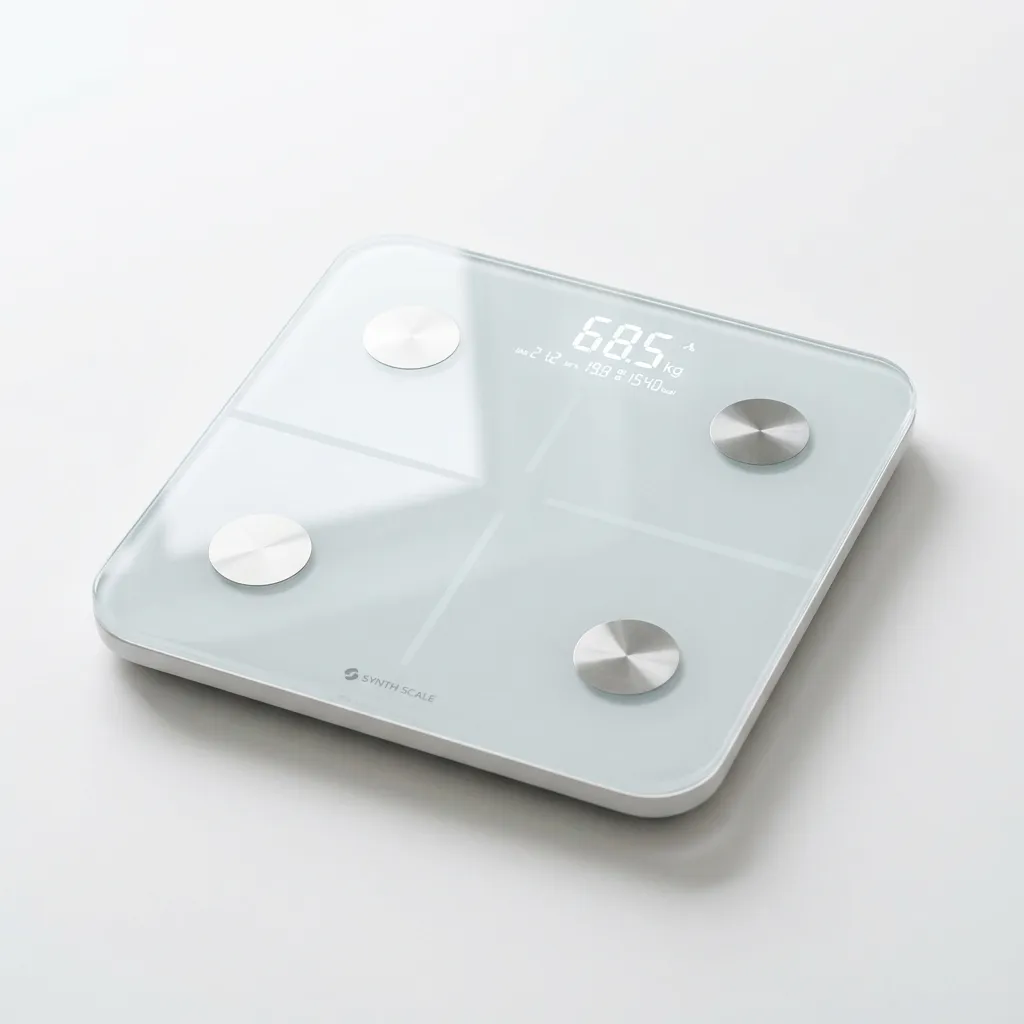
Smart Body Composition Scale
Advanced bioimpedance scale tracking muscle mass, body fat percentage, bone density and hydration.
- Tracks muscle mass & visceral fat
- Wireless sync with health apps
FAQ
What does it mean if my liver values (ALT) are slightly elevated?
A slight elevation of ALT (eg 50-80 U/L) is very common. This may be due to a period of increased alcohol intake, use of painkillers (such as paracetamol), a mild virus or the onset of fatty liver. If the value remains elevated when checked after 4-6 weeks, you should be further investigated for fatty liver or other causes.
Why is my LDL cholesterol high when I eat healthy?
LDL cholesterol is influenced both by diet (especially saturated fat and trans fatty acids) and by genetics. Some people have genetic variations that make the liver less efficient at removing LDL from the blood (eg, familial hypercholesterolaemia). Always discuss your LDL number with the doctor in the context of your blood pressure, your HbA1c and your overall familial risk.
Is my vitamin D of 52 nmol/L good enough?
The value 52 nmol/L is technically above the National Board of Health's limit for deficiency (50 nmol/L), but it is on the low end. Many preventive guidelines recommend aiming for 75-150 nmol/L for optimal bone health and immune function, especially in the winter months in Denmark.
What should I do if my vitamin B12 is in the 'grey zone'?
If your B12 is between 125 and 250 pmol/L, you should ask your doctor to measure methyl malonate (MMA). If MMA is normal (below 0.28 µmol/L), your cells are working fine and you are not deficient in B12. If MMA is elevated (above 0.28 µmol/L), it indicates real deficiency at the cellular level and you should consider supplementation.
Sources and References
- [1]
- [2]
- [3]
- [4]
Show all 5 sources (1 more)
- [5]
Editorial History
11. June 2026
First publication
Initial version was published as part of the precision medicine with introduction, takeaways, FAQ, and reference block.
11. June 2026
Medical review
Phrasing, caveats, and internal links were reviewed for clarity, consistency, and YMYL alignment.
11. June 2026
Latest update
How to read your blood test results received updated metadata, reference outputs, and improved decision-support structure.

Medical Review
Medical Review and Update Process
This article has been medically reviewed by Vadim Doroshenko with a focus on clinical accuracy, sources, disclaimers, and whether the conclusions still align with current scientific evidence.

Editorial Profile
Borys Viktorovytj Riabtsev
Borys Viktorovytj Riabtsev publishes Longevity Lab as a research-backed information project on precision medicine, metabolic health, and healthy aging, utilizing rigorous sources, independent medical review, and objective YMYL communication.