Key takeaways
- TSH is the most sensitive screening marker for thyroid function — both too high and too low.
- Subclinical hypothyroidism (slightly elevated TSH with normal T4) is common after 50 and requires assessment.
- Symptoms such as fatigue, weight gain and sensitivity to cold can be caused by the thyroid gland, but often have other causes.
- Thyroid numbers should always be interpreted in conjunction with symptoms and clinical context — numbers alone are not enough.
Medical disclaimer: Content is for informational purposes and does not replace medical advice.
TSH, T4, T3 — what the numbers mean
The function of the thyroid gland is controlled by a feedback system between the brain and the gland. The pituitary gland in the brain measures the level of thyroid hormone in the blood and releases TSH (thyroid-stimulating hormone) to tell the thyroid gland to produce more. The thyroid gland primarily produces T4 (thyroxine), which is a prehormone that is converted to the active T3 (triiodothyronine) in the liver and other tissues. Sundhed.dk PMID 31286359
When TSH is elevated, it means that the pituitary gland is 'crying' for more hormone — the thyroid gland is producing too little. This is called hypothyroidism or low metabolism. Conversely, a very low TSH indicates that the thyroid gland is producing too much — hyperthyroidism or too high a metabolism. The typical reference ranges in Denmark are TSH 0.3–4.0 mIU/L, but many specialists consider TSH above 2.5 as potentially suboptimal, especially in younger individuals. Sundhed.dk PMID 31286359
| Thyroid Parameter | Standard Lab Range | Optimal Functional Target | Clinical Interpretation |
|---|---|---|---|
| TSH (Thyroid Stimulating Hormone) | 0.4 – 4.0 mIU/L | 1.0 – 2.0 mIU/L | Pituitary signal; TSH > 2.5 often accompanies fatigue and sluggish metabolism |
| Free T4 (Thyroxine) | 12.0 – 22.0 pmol/L | 15.0 – 19.0 pmol/L | Main prohormone synthesized by thyroid gland; requires peripheral deiodination |
| Free T3 (Triiodothyronine) | 3.1 – 6.8 pmol/L | 4.0 – 5.5 pmol/L | Active cellular hormone governing mitochondrial basal metabolic rate |
| Reverse T3 (rT3) | 0.14 – 0.54 nmol/L | Low normal (< 0.30 nmol/L) | Inactive isomer elevated during severe calorie restriction, chronic stress, or illness |

Outlive: The Science & Art of Longevity
Dr. Peter Attia's groundbreaking guide to preventive medicine, exercise for longevity, and healthy aging.
- Scientific framework for Medicine 3.0
- Actionable guide on sleep, exercise & nutrition
Hypothyroidism — when the metabolism is too low
Low metabolism is the most common thyroid disorder, especially in women over 50. The most common cause is Hashimoto's thyroiditis — an autoimmune condition in which the immune system attacks the thyroid gland. Typical symptoms include fatigue, weight gain, sensitivity to cold, dry skin, hair loss, constipation, impaired memory and depression. Sundhed.dk PMID 30928868 PMID 30285165
The diagnosis is made by an elevated TSH combined with a low or low-normal free T4. In autoimmune disease, elevated TPO antibodies are often found. The treatment is tablet-based T4 (levothyroxine), which is one of the most prescribed medicines in Denmark. The goal is to normalize TSH and symptoms, but the dose often needs to be adjusted over time. Sundhed.dk PMID 30928868 PMID 30285165
Subclinical hypothyroidism — the gray area after 50
Subclinical hypothyroidism is defined as an elevated TSH (typically 4–10 mIU/L) with a normal free T4. This condition is particularly common after the age of 50 and is found in up to 10–15% of the elderly. The question is whether it should be treated — and here the experts are divided. Sundhed.dk PMID 31286359 PMID 32654052
People with clear symptoms, elevated antibodies or TSH above 10 are often treated. With TSH between 4 and 10 without symptoms and without antibodies, it is more controversial. Some studies show that treatment can improve quality of life, weight and lipids, while others find no clear effect. The most important thing is individual assessment with the doctor: symptoms, age, other diseases and the patient's preference determine the decision. Sundhed.dk PMID 31286359 PMID 32654052
Hyperthyroidism — when the metabolism is too high
Excessive metabolism is less common, but can have serious consequences. Symptoms include weight loss despite increased appetite, palpitations, tremors, sweating, insomnia, irritability and muscle weakness. The most common cause is Graves' disease—another autoimmune condition in which antibodies stimulate the thyroid gland to overproduce. Sundhed.dk PMID 30928868
Treatment depends on the cause and severity and may include medication that inhibits hormone production, radioiodine therapy or, in some cases, surgery. Untreated hyperthyroidism can lead to heart rhythm disturbances and bone loss — particularly relevant for people over 50 who already have an increased risk of osteoporosis. Sundhed.dk PMID 30928868
What you can do yourself
Although thyroid disease requires medical treatment, there are several things you can do yourself to support your metabolism. Selenium and iodine are essential for thyroid hormone production, but supplements should only be taken after consultation with the doctor — too much iodine can worsen autoimmune thyroiditis. Zinc and iron are also important cofactors in hormone production. PMID 31286359 PMID 30285165 PMID 32654052
Stress management is particularly relevant, as chronic stress can affect the conversion of T4 to active T3. Extreme calorie restriction can lower T3 levels as part of the body's energy saving program. Regular exercise supports healthy thyroid function, but in untreated hyperthyroidism, intensive exercise should be avoided due to stress on the heart. PMID 31286359 PMID 30285165 PMID 32654052
Internal Further Reading
Read also in the same cluster
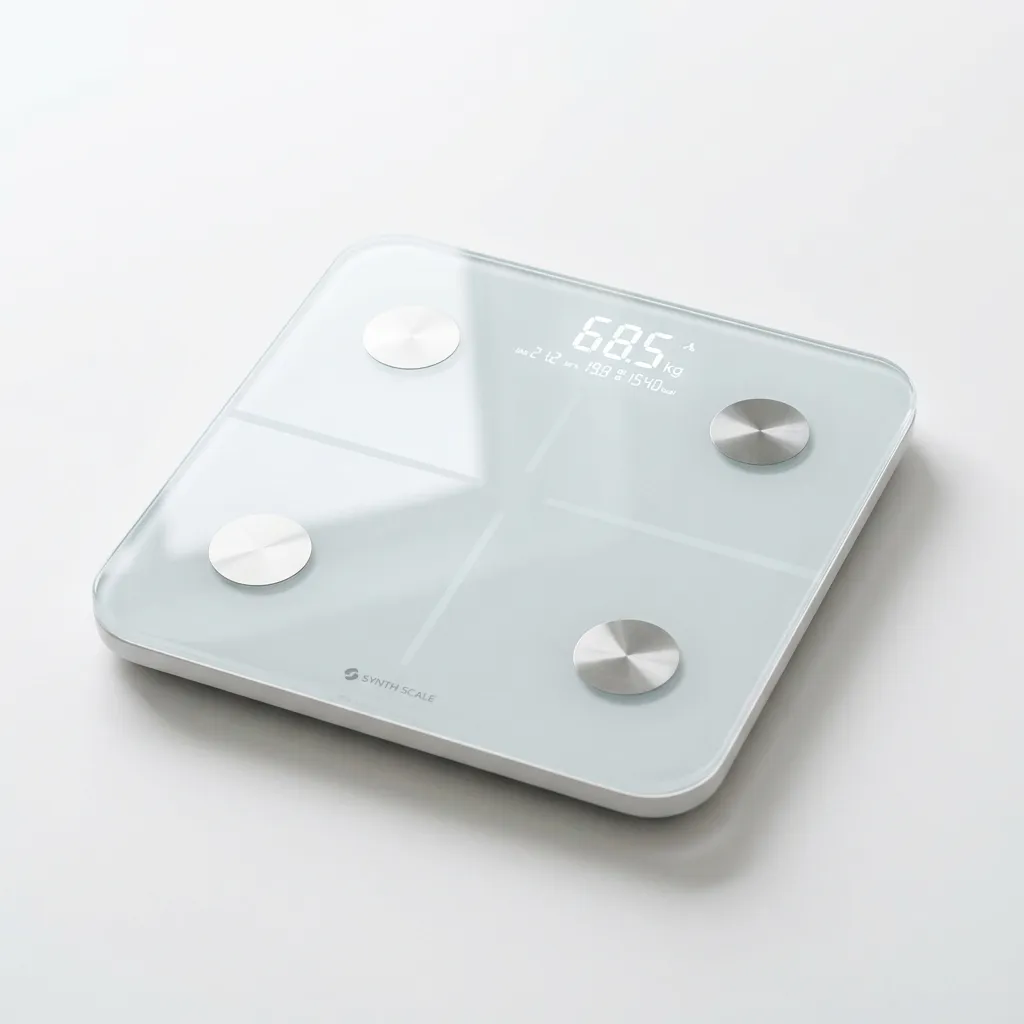
Smart Body Composition Scale
Advanced bioimpedance scale tracking muscle mass, body fat percentage, bone density and hydration.
- Tracks muscle mass & visceral fat
- Wireless sync with health apps
FAQ
What is a normal TSH level?
Typically 0.3–4.0 mIU/L, but the reference range can vary between laboratories. TSH above 2.5 may be suboptimal in younger individuals with symptoms.
Can you lose weight by treating low metabolism?
Treatment of hypothyroidism can normalize metabolism and make weight loss easier, but rarely results in significant weight loss alone without diet and exercise changes.
How often should you have your metabolism measured?
In case of symptoms or known illness: annually or more often at the doctor's discretion. With stable treatment: typically annually. Without symptoms: not routinely.
Can stress affect the thyroid gland?
Yes, chronic stress can inhibit the conversion of T4 to active T3 and worsen autoimmune thyroiditis. Stress management is an important part of treatment.
Sources and References
- [1]
- [2]
- [3]
- [4]
Show all 5 sources (1 more)
- [5]
Editorial History
15. June 2026
First publication
Initial version was published as part of the metabolic health with introduction, takeaways, FAQ, and reference block.
15. June 2026
Medical review
Phrasing, caveats, and internal links were reviewed for clarity, consistency, and YMYL alignment.
15. June 2026
Latest update
Thyroid gland and metabolism received updated metadata, reference outputs, and improved decision-support structure.

Medical Review
Medical Review and Update Process
This article has been medically reviewed by Vadim Doroshenko with a focus on clinical accuracy, sources, disclaimers, and whether the conclusions still align with current scientific evidence.

Editorial Profile
Borys Viktorovytj Riabtsev
Borys Viktorovytj Riabtsev publishes Longevity Lab as a research-backed information project on precision medicine, metabolic health, and healthy aging, utilizing rigorous sources, independent medical review, and objective YMYL communication.