Key takeaways
- Insulin sensitivity describes how effectively body cells (particularly muscle and liver cells) absorb glucose in response to insulin.
- Decreased insulin sensitivity (insulin resistance) is the primary driver of type 2 diabetes, fatty liver disease, and metabolic syndrome.
- Physical activity — especially Zone 2 cardio and strength training — triggers GLUT4 translocation independently of insulin, immediately lowering blood sugar.
- Targeted nutrition (food ordering, dietary fiber, time-restricted eating) and lifestyle habits (deep sleep, stress reduction) restore receptor sensitivity.
- Continuous Glucose Monitors (CGMs) offer real-time biological feedback to pinpoint personal glucose triggers and optimize daily habits.
Medical disclaimer: Content is for informational purposes and does not replace medical advice.
What is Insulin Sensitivity vs. Insulin Resistance?
When you consume carbohydrates, they are broken down into glucose, which enters your bloodstream. The pancreas responds by releasing the hormone insulin. Insulin acts as a biological key, binding to receptors on the cell surface (primarily in muscle, liver, and fat tissues) and signaling them to absorb glucose. Inside the cells, this triggers a cascade that causes specific glucose transporters, called GLUT4, to relocate to the cell membrane and shuttle glucose inside. PMID 17595304 PMID 22425324
In the case of decreased insulin sensitivity (early insulin resistance), the cell receptors no longer respond optimally to insulin signaling. The pancreas is forced to produce even larger amounts of insulin to achieve the same clearance effect and keep blood sugar within normal limits. This leads to chronically high insulin levels (hyperinsulinemia), which blocks fat oxidation and promotes fat storage, especially dangerous visceral fat surrounding the internal organs. PMID 17595304 PMID 22425324
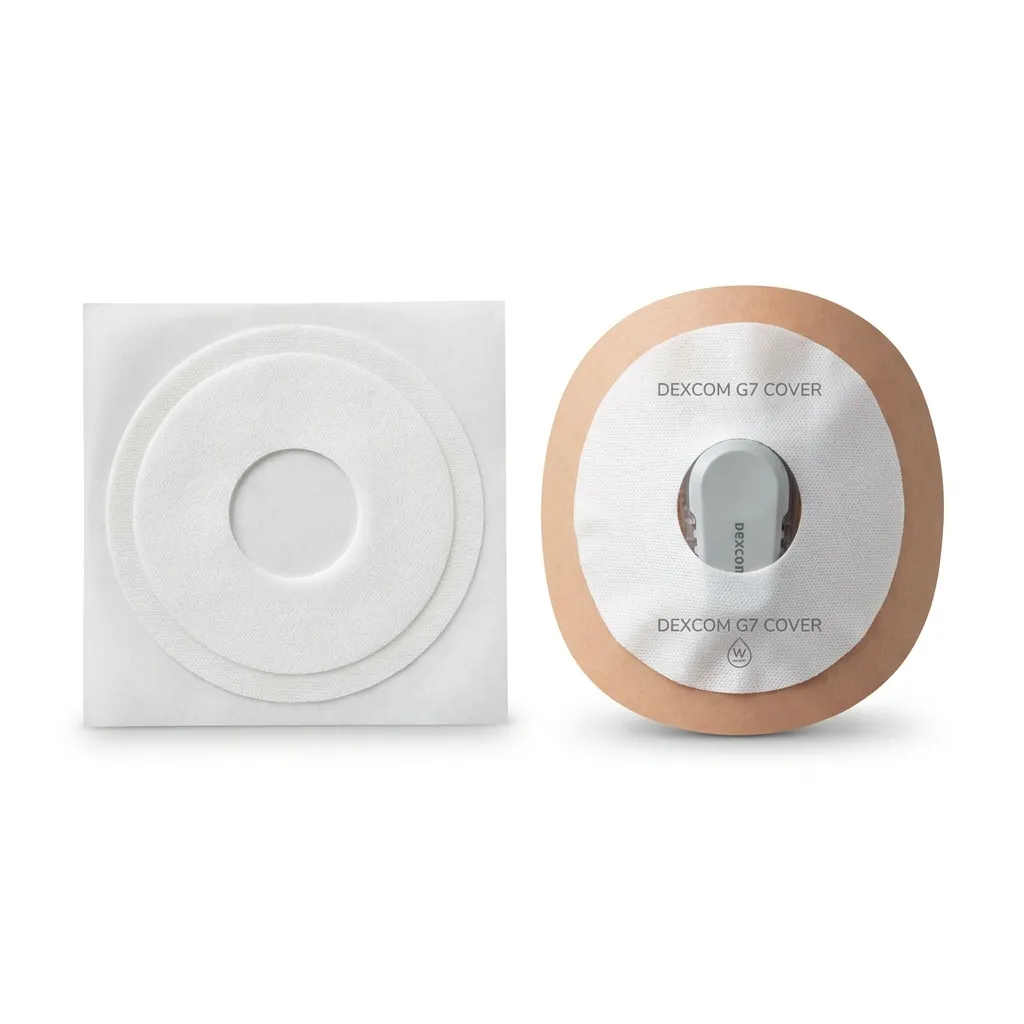
Waterproof Sensor Covers for Dexcom G7 & CGM
Waterproof and breathable patches to protect continuous glucose monitors during exercise and bathing.
- Waterproof & sweatproof up to 14 days
- Hypoallergenic latex-free medical adhesive
Symptoms and Risk Factors of Insulin Resistance
The challenge with insulin resistance is that it develops silently over 10 to 20 years. In the early stages, fasting blood sugar is completely normal because the body compensates by producing massive amounts of insulin. Many people only discover the issue when the pancreas can no longer keep up, and blood sugar levels begin to rise permanently. PMID 22425324 PMID 35212376
However, there are several early warning signs. Fatigue and energy crashes (especially after carb-heavy meals), difficulty concentrating ('brain fog'), frequent sugar cravings, increased waist circumference (visceral fat accumulation), and skin changes such as acanthosis nigricans (dark, velvety patches on the neck or armpits) are strong indicators of poor insulin sensitivity. PMID 22425324 PMID 35212376
7 Scientific Methods to Improve Your Insulin Sensitivity
Fortunately, insulin sensitivity is highly plastic and can be significantly improved — and often completely reversed — through targeted lifestyle interventions. Here are the 7 most effective, scientifically-proven methods to optimize your metabolic health. PMID 35212376 PMID 20395505
1. Zone 2 Training and Resistance Exercise (GLUT4 Activation)
Skeletal muscle is the body's largest glucose sink (storing it as glycogen). When you exercise, something unique happens: muscle contraction triggers GLUT4 glucose transporters and pulls sugar out of the bloodstream, completely bypassing the need for insulin. This is known as insulin-independent glucose uptake, and its effects last for up to 24-48 hours post-workout. PMID 17595304 PMID 22425324
Zone 2 training (moderate aerobic exercise where you can speak but not sing) is particularly effective because it increases the number and efficiency of your mitochondria (cellular powerhouses). The more healthy mitochondria you have in your muscles, the better your ability to burn both fats and carbohydrates (metabolic flexibility). Combined with strength training to build muscle mass (creating a larger glycogen sink), this is the most powerful weapon against insulin resistance. PMID 17595304 PMID 22425324
2. Optimize Carbohydrate Timing and Food Ordering
It's not just about what you eat, but also the order and timing of ingestion. Clinical trials show that eating vegetables (fiber) and proteins/fats before carbohydrates reduces postprandial glucose spikes by up to 50-70%. Fiber forms a gel-like barrier in the small intestine, slowing down glucose absorption. PMID 27357376
Furthermore, carbohydrates should be consumed when you are most active or immediately after exercise, when your muscles are depleted of glycogen and ready to absorb sugar without requiring large insulin surges. Avoid eating heavy carbohydrates late at night when peripheral insulin sensitivity naturally drops to prepare the body for sleep. PMID 27357376
3. Time-Restricted Eating (TRE) and Short Fasting Windows
Constant grazing keeps your insulin levels elevated throughout the day, preventing cells from resetting their receptors. Implementing Time-Restricted Eating (TRE) — for instance, consuming all meals within an 8-to-10-hour window (16:8 or 14:10) — grants your body a prolonged, continuous period of low insulin. PMID 35212376
These fasting windows allow insulin receptors to regain sensitivity and simultaneously trigger autophagy (cellular self-cleaning). However, it is vital to maintain an adequate protein intake during your eating window to prevent the loss of muscle mass, which is critical to preserving your glucose sink. PMID 35212376
4. Prioritize Uninterrupted Deep Sleep
Sleep is a highly underappreciated metabolic factor. Scientific studies have demonstrated that a single night of sleep restriction (only 4 hours) reduces peripheral insulin sensitivity by 20-25% the next day. This is caused by an increase in stress hormones and sympathetic nervous system activity. PMID 20395505
Chronic sleep deprivation leads to elevated fasting insulin and heightens cravings for refined carbs and high-fat foods. Optimize sleep hygiene by keeping your bedroom cool, avoiding blue screen light before bed, and maintaining a consistent sleep schedule. PMID 20395505
5. Reduce Chronic Stress and Cortisol Levels
Under stress, the adrenal glands release the hormone cortisol. Cortisol's job is to mobilize glucose from the liver (glycogenolysis) to provide quick energy for a 'fight-or-flight' response. At the same time, cortisol blocks insulin signaling in muscles so that glucose remains in the blood for the brain's use. PMID 27357376
If stress becomes chronic, both blood sugar and insulin remain permanently elevated, even if you eat a low-carb diet. Integrating daily stress-reduction practices such as meditation, breathwork, or walking in nature is a direct physiological pathway to improving insulin sensitivity. PMID 27357376
6. Science-Backed Dietary Supplements
Certain supplements can serve as effective tools to improve insulin sensitivity and regulate blood sugar: PMID 27357376
Magnesium (particularly magnesium glycinate) is an essential co-factor in the insulin receptor signaling pathway; magnesium deficiency directly worsens insulin resistance. Berberine (a natural plant alkaloid) acts as a mild AMPK activator and has demonstrated clinical efficacy comparable to the widely used diabetes drug metformin. Acetic acid (such as a tablespoon of apple cider vinegar in a glass of water before a meal) inhibits starch-digesting enzymes, flattening the post-meal glucose curve. PMID 27357376
| Intervention / Strategy | Biological Mechanism of Action | Documented Impact on Insulin Sensitivity | Recommended Protocol & Dosage | Clinical Evidence Grade |
|---|---|---|---|---|
| Zone 2 Aerobic Training | Mitochondrial biogenesis; accelerates lipid oxidation and depletes intramyocellular lipids | Improves peripheral glucose uptake by 30–50% independent of insulin secretion | 3–4 weekly sessions of 45–60 min at blood lactate 1.5–2.0 mmol/L | Very High (Gold Standard) |
| Heavy Resistance Training | Insulin-independent GLUT4 translocation via AMPK; expands skeletal muscle glucose sink | Enhances insulin-stimulated glucose disposal and suppresses fasting insulin | 3 weekly full-body sessions focusing on multi-joint lifts (squat, deadlift) | Very High |
| Postprandial Walking (10–15 min) | Mechanical muscle contraction absorbs circulating glucose without pancreatic burden | Blunts postprandial glucose excursions by 20–35% and shortens hyperinsulinemia | Brisk walking initiated 10–20 minutes following carbohydrate-containing meals | High (Randomized Crossover Trials) |
| Food Sequencing (Fiber & Protein First) | Delays gastric emptying rate; stimulates early incretin (GLP-1) secretion | Attenuates post-meal glycemic spikes by up to 40% and reduces insulin area-under-curve | Consume fibrous vegetables first, followed by protein and fats, finishing with starches | High |
| Berberine HCl (or Dihydroberberine) | Allosteric AMPK activation; inhibits hepatic gluconeogenesis and upregulates GLUT4 | Reduces HbA1c by 0.5–0.8% and significantly lowers HOMA-IR score | 500 mg 2–3 times daily with main meals (or 100–200 mg DHB) | Moderate to High (Meta-Analyses) |
| Magnesium (Glycinate or Malate) | Obligate cofactor for insulin receptor tyrosine kinase phosphorylation cascade | Enhances intracellular signaling and resolves hypomagnesemia-driven resistance | 300–400 mg elemental magnesium taken in the evening | Moderate |
7. Use a Continuous Glucose Monitor (CGM) for Feedback
Everyone responds differently to carbohydrates. While one person can eat white rice with minimal blood sugar response, another might experience extreme spikes from the exact same meal. A Continuous Glucose Monitor (CGM) provides real-time biological feedback. PMID 27357376
By tracking your glucose, you can identify exactly which foods cause severe blood sugar spikes (followed by crashes that trigger cravings and insulin resistance), and see the immediate flattening effect of a short post-meal walk. PMID 27357376
Measuring Your Insulin Sensitivity: Lab Diagnostics
To know exactly where you stand, you should request specific biomarkers via blood tests: PMID 27357376
Fasting insulin is the most sensitive early marker; it should ideally be under 5-6 mIU/L (even though laboratory reference ranges often permit up to 15-20 mIU/L). HOMA-IR (calculated from fasting insulin and fasting glucose) is the best estimate; a value under 1.0 indicates optimal insulin sensitivity, while values above 1.9 indicate early insulin resistance. Hemoglobin A1c (HbA1c) measures average blood sugar over 8-12 weeks; values below 38 mmol/mol (5.6%) are normal, but it does not detect early insulin resistance if the body is still successfully compensating. PMID 27357376
Internal Further Reading
Read also in the same cluster
Smart Body Composition Scale
Advanced bioimpedance scale tracking muscle mass, body fat percentage, bone density and hydration.
- Tracks muscle mass & visceral fat
- Wireless sync with health apps
FAQ
Can insulin resistance be cured permanently?
Yes. Decreased insulin sensitivity (insulin resistance) is in the vast majority of cases a lifestyle-induced condition that can be fully reversed. By building muscle mass, improving mitochondrial capacity (aerobic fitness), and optimizing nutrition, cells can fully regain their sensitivity to insulin.
Why does my blood sugar rise when I am stressed, even if I haven't eaten?
This is due to the stress hormone cortisol, which signals the liver to release stored glucose (glycogen) into the blood. Additionally, cortisol temporarily makes cells resistant to insulin to preserve glucose for the brain, leading to elevated blood sugar.
How long does it take to improve insulin sensitivity?
You can see acute improvements within just 24-48 hours after a single exercise session due to GLUT4 translocation. Permanently reversing chronic insulin resistance and lowering fasting insulin and HOMA-IR levels typically takes between 2 to 6 months of consistent dietary and exercise habits.
Is fruit bad for insulin sensitivity due to fructose?
No, whole fruit contains fiber, water, and polyphenols, which slow down sugar absorption. Fructose in whole fruit does not overload the liver the way refined fructose (e.g., in soda or processed foods) does. However, individuals with severe insulin resistance should moderate very sweet fruits and avoid fruit juices entirely.
Sources and References
- [1]
- [2]
- [3]
- [4]
Show all 5 sources (1 more)
- [5]
Editorial History
29. juli 2026
Første publicering
Første version blev publiceret som del af metabolic health med intro, takeaways, FAQ og referenceblok.
29. juli 2026
Faglig gennemgang
Formuleringer, forbehold og interne links blev gennemgået for klarhed, konsistens og YMYL-tydelighed.
29. juli 2026
Seneste opdatering
Improve Insulin Sensitivity (2026) fik opdaterede metadata, referenceoutput og forbedret beslutningsnær struktur.

Medical Review
Medical Review and Update Process
This article has been medically reviewed by Vadim Doroshenko with a focus on clinical accuracy, sources, disclaimers, and whether the conclusions still align with current scientific evidence.

Editorial Profile
Borys Viktorovytj Riabtsev
Borys Viktorovytj Riabtsev publishes Longevity Lab as a research-backed information project on precision medicine, metabolic health, and healthy aging, utilizing rigorous sources, independent medical review, and objective YMYL communication.