Key takeaways
- Low metabolism is common, especially in women over 50 — and the list of symptoms is long and varied.
- The diagnosis is made with a blood test: TSH, free T4 and possibly TPO antibodies — simple and reliable.
- Treatment with levothyroxine is effective, cheap and safe — but the dose often needs to be adjusted over time.
- You can support the treatment with diet, sleep and stress management — but supplements should only be taken after a medical appointment.
Medical disclaimer: Content is for informational purposes and does not replace medical advice.
The most common symptoms
Low metabolism affects almost all body systems because thyroid hormones control the metabolism of the cells. The most frequent symptoms are persistent fatigue and exhaustion — not just ordinary sleepiness, but a profound lack of energy that does not disappear after a good night's sleep. Many describe a feeling of being 'down in gear' all the time. Sundhed.dk PMID 30928868 PMID 30285165
Weight gain is another key symptom, but often slow and insidious — typically 2-5 kg over months without changes in diet or exercise. Cold sensitivity is very characteristic: people with low metabolism often freeze when others are fine, and can have cold hands and feet even in warm surroundings. Other common symptoms include dry skin, hair loss (especially on the outside of the eyebrows), constipation, muscle cramps, hoarseness, and irregular or heavy periods. Sundhed.dk PMID 30928868 PMID 30285165
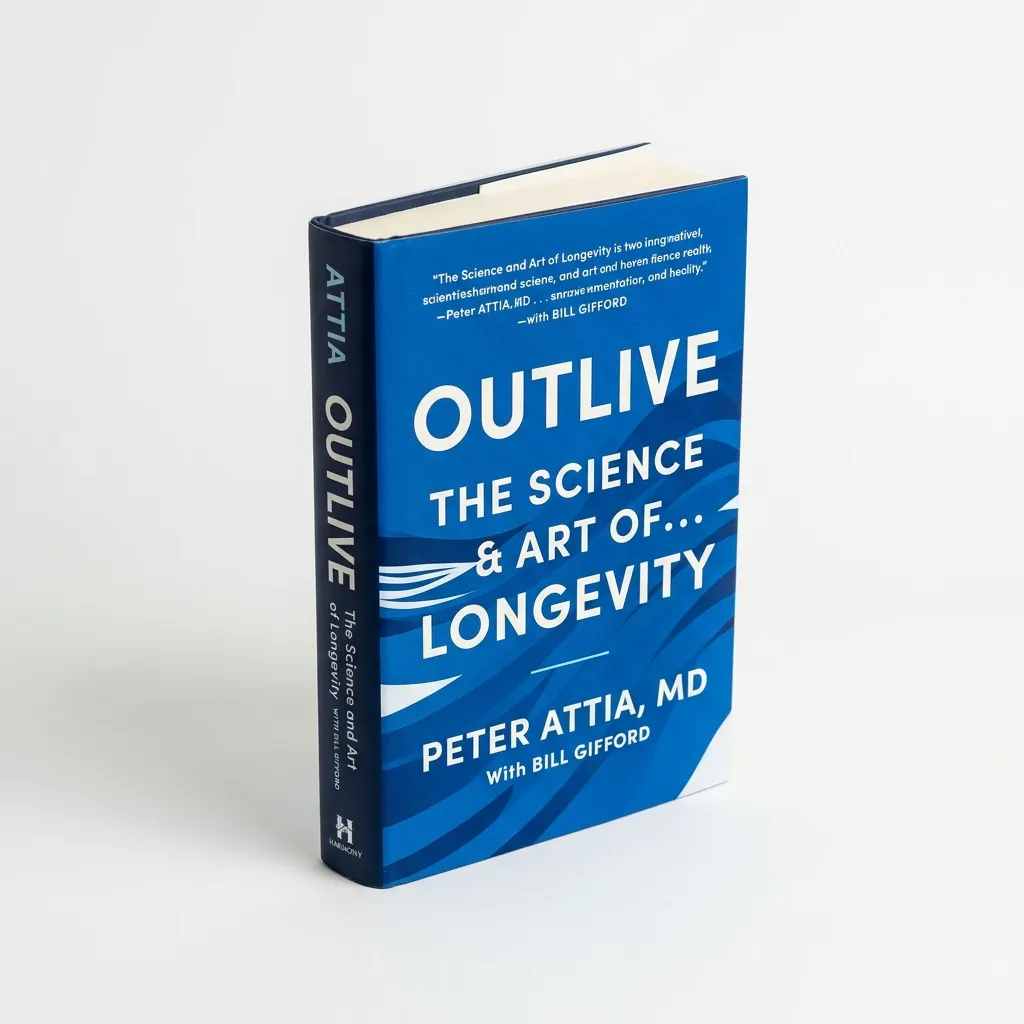
Outlive: The Science & Art of Longevity
Dr. Peter Attia's groundbreaking guide to preventive medicine, exercise for longevity, and healthy aging.
- Scientific framework for Medicine 3.0
- Actionable guide on sleep, exercise & nutrition
When is it a low metabolism — and when is it something else?
Many of the symptoms of low metabolism are non-specific and may be due to other conditions. Fatigue can come from iron deficiency, B12 deficiency, sleep apnea, depression or chronic stress. Weight gain can be due to menopause, insulin resistance or simply a caloric surplus. Cold sensitivity may be normal individual variation. Therefore, a blood test is essential to distinguish. Sundhed.dk PMID 30285165 PMID 32654052
The diagnosis of hypothyroidism is made by an elevated TSH combined with a low free T4. TSH above 10 mIU/L is almost always diagnostic, while TSH between 4 and 10 with normal T4 is called subclinical hypothyroidism. In subclinical disease, it is important to measure TPO antibodies — elevated levels indicate autoimmune thyroiditis (Hashimoto's), which increases the risk of progression to manifest disease. Sundhed.dk PMID 30285165 PMID 32654052
| Clinical Condition | Overlapping Symptoms | Differential Diagnostic Laboratory Tests |
|---|---|---|
| Hypothyroidism | Persistent fatigue, unexplained weight gain, cold intolerance, dry skin | Serum TSH, Free T4, Free T3, and anti-TPO antibodies |
| Iron Deficiency / Anemia | Profound fatigue, exertional dyspnea, pallor, brittle nails | Serum ferritin, total iron-binding capacity (TIBC), transferrin saturation |
| Vitamin B12 Deficiency | Fatigue, peripheral neuropathy, cognitive fog, glossitis | Serum cobalamin, methylmalonic acid (MMA), homocysteine |
| Major Depression | Fatigue, psychomotor slowing, anhedonia, sleep architecture fragmentation | Clinical diagnostic interview; rule out endocrine and metabolic etiology |
Hashimoto's thyroiditis — the most frequent cause
In Denmark and the rest of the Western world, Hashimoto's thyroiditis is the most frequent cause of low metabolism. It is an autoimmune condition where the immune system attacks the thyroid gland, which over time leads to a gradual decrease in hormone production. Hashimoto's is 5-10 times more common in women than men and often occurs together with other autoimmune diseases such as celiac disease, type 1 diabetes and adrenal insufficiency. Sundhed.dk PMID 30928868 PMID 33504916
The diagnosis is made by detecting TPO antibodies in the blood. Many people with Hashimoto's have elevated antibodies for years before TSH begins to rise. This is important to know because it means that you may be in the risk group long before you develop symptoms. Regular control of TSH — typically annually — is recommended for detected antibodies, even if the metabolism is currently normal. Sundhed.dk PMID 30928868 PMID 33504916
Treatment — what works and what doesn't
The standard treatment for low metabolism is levothyroxine — synthetic T4 hormone taken as a daily tablet. It is one of the most prescribed medicines in Denmark, and the treatment is effective, cheap and has few side effects when the dose is set correctly. The tablet is taken in the morning on an empty stomach, preferably 30-60 minutes before breakfast, as calcium, iron and coffee inhibit absorption. Sundhed.dk PMID 30285165 PMID 33504916
Some patients experience persistent symptoms despite normal TSH on levothyroxine. In these cases, supplementation of T3 (liothyronine) may be relevant, but this is controversial and should only be done under specialist medical supervision. Natural thyroid extracts from animals are discouraged by most guidelines due to variable hormone content and risk of overdose. Selenium supplementation (200 µg daily) has been shown in some studies to lower TPO antibodies, but the effect on symptoms is uncertain. Sundhed.dk PMID 30285165 PMID 33504916
What you can do yourself next to the treatment
Although medical treatment is necessary for manifest hypothyroidism, there are several things you can do yourself to support your metabolism. Regular exercise — especially strength training and zone 2 cardio — increases the body's energy use and can help counteract the weight gain that often accompanies a low metabolism. Exercise also improves mood and cognitive function, which are often affected. PMID 30928868 PMID 32654052 PMID 33504916
The diet should be varied and nutritious with a focus on sufficient protein, healthy fats and complex carbohydrates. Some people with Hashimoto's experience improvement by reducing gluten, but the evidence is limited. The most important thing is to avoid extreme diets and self-medication with iodine, which can worsen autoimmune thyroiditis. Stress management is also important — chronic stress affects the immune system and can potentially worsen autoimmune disease. PMID 30928868 PMID 32654052 PMID 33504916
Internal Further Reading
Read also in the same cluster
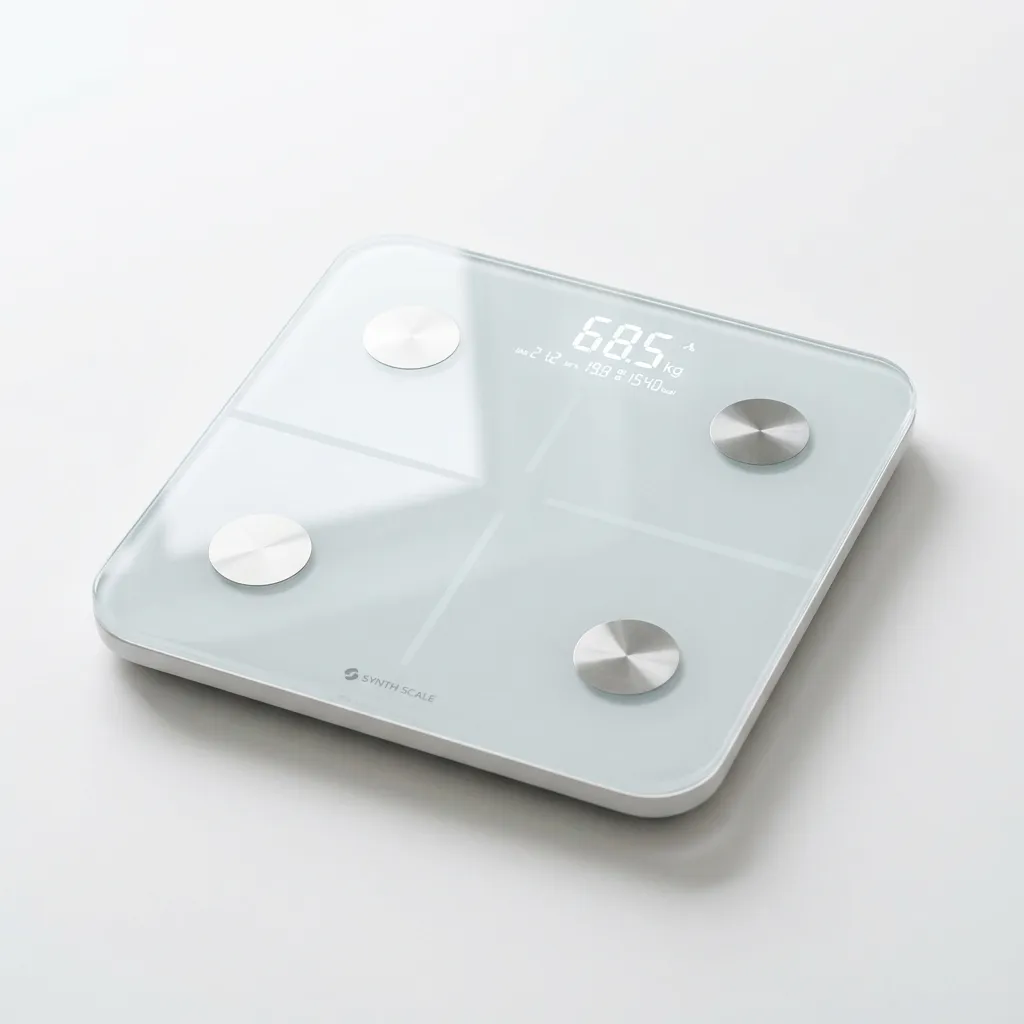
Smart Body Composition Scale
Advanced bioimpedance scale tracking muscle mass, body fat percentage, bone density and hydration.
- Tracks muscle mass & visceral fat
- Wireless sync with health apps
FAQ
What are the first signs of low metabolism?
Persistent fatigue and exhaustion is often the first symptom, followed by sensitivity to cold, dry skin and slow weight gain without changes in diet or exercise.
Can you lose weight with a low metabolism?
Yes, but it requires more patience. When the metabolism is normalized with medication, weight loss can be achieved with the same strategies as for others: protein-rich, strength training and a moderate calorie deficit.
Is low metabolism hereditary?
There is a genetic component — Hashimoto's thyroiditis runs more often in families. Women have a 5-10 times higher risk than men, and the risk increases with age.
Should I take iodine supplements if my metabolism is low?
No, not without a medical appointment. In Denmark, most people get enough iodine through their diet. Excess iodine can worsen autoimmune thyroiditis and should be avoided.
Sources and References
- [1]
- [2]
- [3]
- [4]
Show all 5 sources (1 more)
- [5]
Editorial History
19. June 2026
First publication
Initial version was published as part of the metabolic health with introduction, takeaways, FAQ, and reference block.
19. June 2026
Medical review
Phrasing, caveats, and internal links were reviewed for clarity, consistency, and YMYL alignment.
19. June 2026
Latest update
Low metabolism — symptoms and what you can do received updated metadata, reference outputs, and improved decision-support structure.

Medical Review
Medical Review and Update Process
This article has been medically reviewed by Vadim Doroshenko with a focus on clinical accuracy, sources, disclaimers, and whether the conclusions still align with current scientific evidence.

Editorial Profile
Borys Viktorovytj Riabtsev
Borys Viktorovytj Riabtsev publishes Longevity Lab as a research-backed information project on precision medicine, metabolic health, and healthy aging, utilizing rigorous sources, independent medical review, and objective YMYL communication.