Key takeaways
- Inflammaging is a chronic, low-grade inflammatory condition that increases with age and increases the risk of cardiovascular disease, diabetes, dementia and loss of function.
- Fatty fish, berries, olive oil, nuts, green vegetables and spices such as turmeric and ginger have proven anti-inflammatory properties.
- Ultra-processed foods, refined sugar and trans fats promote inflammation and should be severely limited.
- Both the Mediterranean diet and the Nordic diet have solid evidence for reducing inflammation markers — and they can be adapted to Danish eating habits.
Medical disclaimer: Content is for informational purposes and does not replace medical advice.
What is diet-related inflammation and what is inflammaging?
The inflammaging term describes the chronic, low-grade inflammation that naturally increases with age. It is not inflammation in the classic sense — there is no redness, swelling or fever — but a continuous activation of the immune system that slowly wears down the body's cells and organs. Specifically, this is often measured via biomarkers such as CRP (C-reactive protein), interleukin-6 (IL-6) and tumor necrosis factor-alpha (TNF-α), all of which are elevated in chronic inflammation. PMID 31806905 PMID 33008048
Diet affects these inflammatory processes via several pathways. Certain foods contain bioactive substances that directly inhibit inflammatory signaling pathways (e.g. polyphenols in berries and olive oil), while others promote the formation of free radicals and pro-inflammatory cytokines (e.g. trans fatty acids and AGE compounds formed by deep frying). In addition, the intestinal flora plays an important role: a fiber-rich diet promotes a healthy microbiome that produces short-chain fatty acids with anti-inflammatory properties. PMID 31806905 PMID 33008048
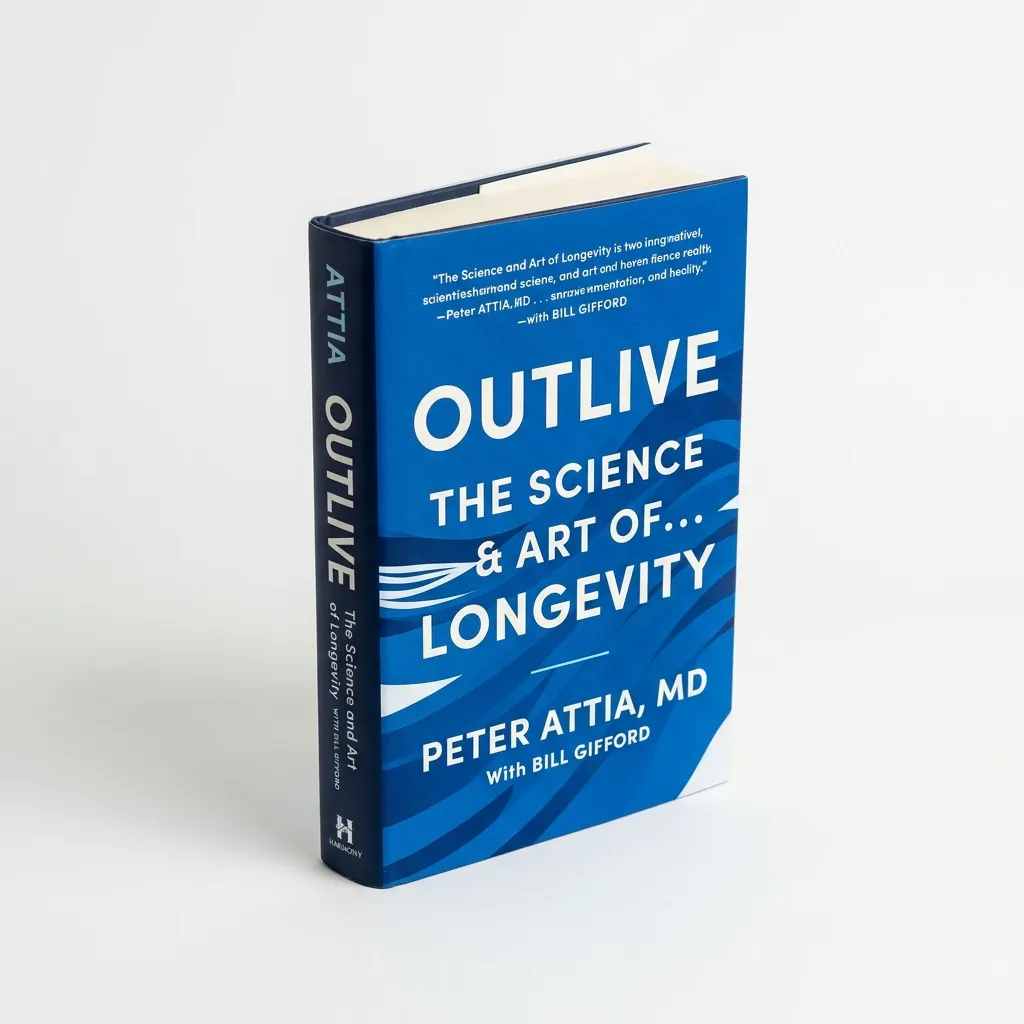
Outlive: The Science & Art of Longevity
Dr. Peter Attia's groundbreaking guide to preventive medicine, exercise for longevity, and healthy aging.
- Scientific framework for Medicine 3.0
- Actionable guide on sleep, exercise & nutrition
The most important anti-inflammatory foods
Fatty fish such as salmon, mackerel, herring and trout are rich in the long-chain omega-3 fatty acids EPA and DHA, which are among the most well-documented anti-inflammatory nutrients. They inhibit the production of pro-inflammatory eicosanoids and instead form resolvins and protectins that actively end inflammation. The Danish Health Authority recommends 350 grams of fish per week, of which 200 grams are fatty fish. PMID 33008048 PMID 29897849 PMID 30821157
Berries — especially blueberries, raspberries, blackberries and blackcurrants — contain high concentrations of polyphenols and anthocyanins, which have anti-inflammatory and antioxidant properties. These substances reduce oxidative stress and inhibit NF-kB, a central inflammation regulator in the cells. Danish berries are particularly rich in these substances due to the Nordic climate, which promotes polyphenol production in the plants. PMID 33008048 PMID 29897849 PMID 30821157
Olive oil is a cornerstone of the Mediterranean diet, and extra virgin olive oil contains oleocanthal, which has a mild anti-inflammatory effect similar to ibuprofen in mechanistic studies. A daily tablespoon (especially cold-pressed extra virgin olive oil) can help reduce markers of inflammation. Other important sources of healthy fatty acids include avocados, walnuts, almonds and flaxseeds. PMID 33008048 PMID 29897849 PMID 30821157
Green leafy vegetables such as spinach, kale and broccoli contain large amounts of vitamin K, folate and sulforaphane, which support the body's own antioxidant defences. Spices such as turmeric (curcumin) and ginger also have documented anti-inflammatory effects — especially when combined with black pepper, which significantly increases the absorption of curcumin. PMID 33008048 PMID 29897849 PMID 30821157
What should you avoid? Ultra-processed foods, refined sugar and trans fats
Ultra-processed foods — convenience foods, sodas, chips, crackers, industrially baked bread and processed meats — contribute to inflammation via several mechanisms. They often contain large amounts of refined sugar, which cause rapid blood sugar spikes and increase the formation of AGE compounds and free radicals. They also often contain an unbalanced fatty acid composition with an excess of omega-6 compared to omega-3, which promotes the production of pro-inflammatory signaling substances. PMID 33008048 PMID 35079063
Trans fats, found in hardened vegetable oils and processed baked goods, are particularly problematic. They increase the level of inflammation markers such as CRP, IL-6 and TNF-α while lowering the protective HDL cholesterol. In Denmark, industrially produced trans fatty acids are largely regulated away, but they can still occur in imported products. PMID 33008048 PMID 35079063
A high salt intake has also been shown to promote inflammation — especially in combination with a low potassium intake from fruit and vegetables. This emphasizes the importance of limiting salt from processed foods and instead using herbs, spices and acid (lemon, vinegar) for flavoring. PMID 33008048 PMID 35079063
Practical meal examples in a Danish context
An anti-inflammatory diet need not be exotic or expensive. Many of the most potent anti-inflammatory foods are commonly available in Danish supermarkets all year round — and especially in summer and autumn, when Danish berries, cabbage and root vegetables are in season. Below we show concrete examples of what a day on an anti-inflammatory diet might look like for a Dane. PMID 33008048 PMID 30821157
Breakfast: Oatmeal or rye bread with a handful of blueberries or raspberries, walnuts and a tablespoon of flaxseed. Drink coffee or green tea (both rich in polyphenols) or water. Alternatively, a smoothie with spinach, frozen berries, half a banana, ginger and unsweetened herbal drink. PMID 33008048 PMID 30821157
Lunch: Rye bread with mackerel in tomato, avocado and fresh dill. Alternatively, a large salad with lentils, kale, pomegranate seeds, feta and a dressing of olive oil and lemon. Classic Danish rye bread with fish fillet or egg is also an excellent choice, as rye bread is rich in fiber that supports a healthy gut microbiome. PMID 33008048 PMID 30821157
Dinner: Oven-baked salmon with oven-baked root vegetables (carrots, parsnips, beetroot) seasoned with turmeric, cumin and olive oil. Served with steamed broccoli and a dollop of creme fraiche mixed with lemon juice and dill. This meal combines omega-3 from salmon, fiber from root vegetables, sulforaphane from broccoli and polyphenols from the spices — all in a simple Danish recipe. PMID 33008048 PMID 30821157
Mediterranean diet versus Nordic anti-inflammatory diet — which is better?
The Mediterranean diet is the most studied anti-inflammatory diet and has solid evidence to reduce the risk of cardiovascular disease, diabetes and early death. It is characterized by a high intake of vegetables, fruit, legumes, whole grains, nuts, olive oil and fish combined with a low intake of red meat, dairy products and processed foods. Several large intervention studies, including the PREDIMED study, have shown significant reductions in inflammation markers such as CRP and IL-6. PMID 31806905 PMID 29897849 PMID 31028780
The Nordic diet — based on whole grains (rye, oats, barley), cabbage, root vegetables, berries, rapeseed oil, fatty fish and lean meat — has many of the same principles, but uses local ingredients that are climate-friendly and seasonal. Studies show that the Nordic diet also reduces inflammatory markers and has a favorable effect on the lipid profile. For Danes, the Nordic approach is often more practical, as it is based on familiar foods and cooking traditions. PMID 31806905 PMID 29897849 PMID 31028780
The pragmatic conclusion is that you don't have to choose: Both dietary patterns are anti-inflammatory, and they overlap considerably. Most important are the overarching principles: eat a preponderance of plants, use healthy oils, get enough fatty fish, and cut back on refined sugar and processed foods. PMID 31806905 PMID 29897849 PMID 31028780
| Dietary Component | Traditional Mediterranean Diet | Anti-Inflammatory Nordic Diet | Shared Longevity Principle |
|---|---|---|---|
| Primary Healthy Fat | Extra virgin olive oil (rich in oleocanthal) | Cold-pressed rapeseed (canola) oil | High monounsaturated fatty acids and bioactive polyphenols |
| Cold-Water Seafood | Wild sardines, anchovies, mackerel | Wild salmon, Atlantic herring, trout | Concentrated marine Omega-3s (EPA/DHA) and Vitamin D |
| Intact Whole Grains | Ancient durum, farro, bulgur | Whole grain rye, rolled oats, barley | Rich in viscous soluble fibers, beta-glucans, and B vitamins |
| Botanicals & Berries | Sun-ripened tomatoes, eggplants, olives | Nordic berries (lingonberries, blueberries), brassica cabbage | Dense anthocyanins, quercetin, and anti-inflammatory flavonoids |
| Protein Quality | Legumes, chickpeas, fresh fish, lean poultry | Wild game, coastal seafood, beans, lentils | Diverse non-processed protein sources low in saturated animal fats |
Internal Further Reading
Read also in the same cluster
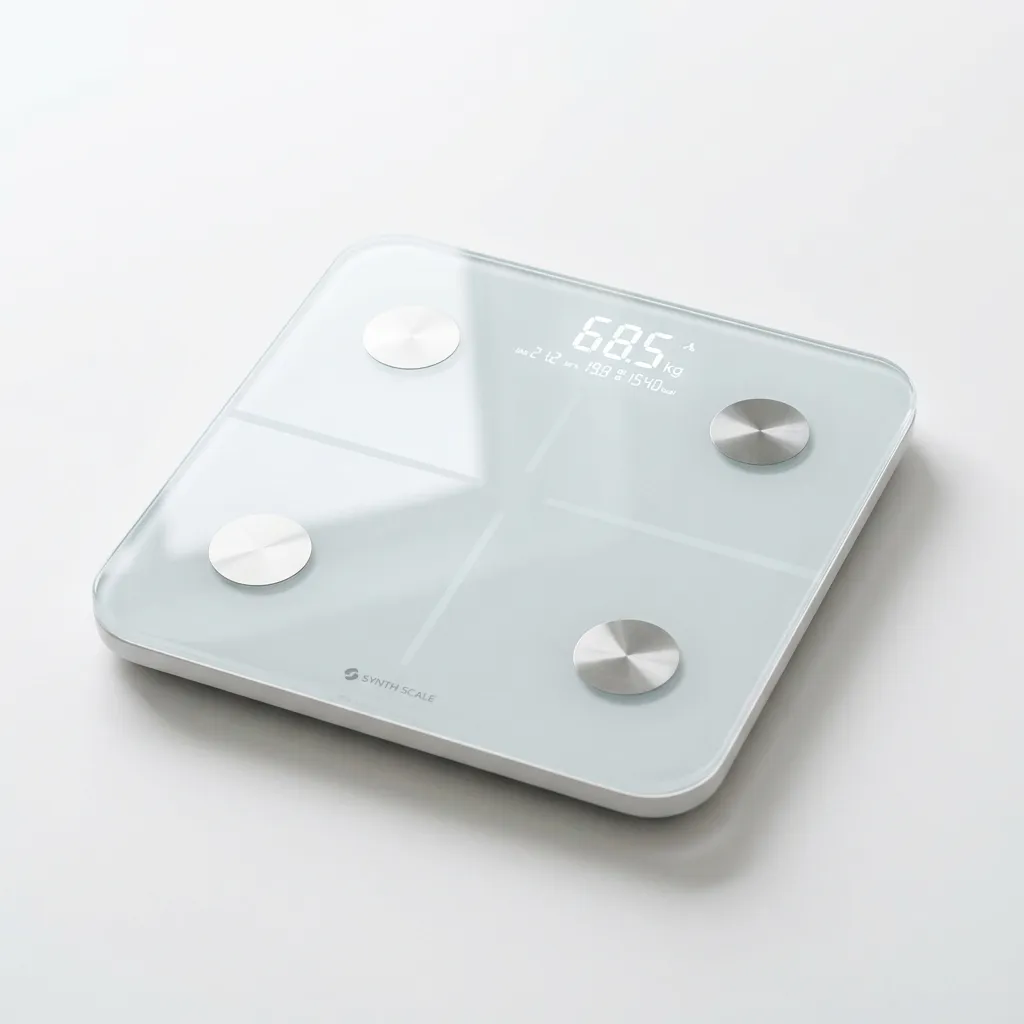
Smart Body Composition Scale
Advanced bioimpedance scale tracking muscle mass, body fat percentage, bone density and hydration.
- Tracks muscle mass & visceral fat
- Wireless sync with health apps
FAQ
Can nutritional supplements replace an anti-inflammatory diet?
No. Omega-3 supplements or curcumin capsules can be a supplement, but the isolated substances rarely have the same effect as the complex synergy in whole foods. The whole diet is the foundation.
How quickly can you feel the effect of an anti-inflammatory diet?
Subjective improvements such as more energy and better digestion can be felt within 2-4 weeks. Measurable reductions in inflammation markers such as CRP are typically seen after 8-12 weeks of persistent dietary change.
Is coffee part of an anti-inflammatory diet?
Yes. Coffee contains polyphenols and chlorogenic acid with documented anti-inflammatory and antioxidative properties. Moderate intake (2-4 cups daily) is highly associated with lower levels of inflammation.
Is it necessary to cut out all animal products to reduce inflammation?
No. Fatty fish is one of the most anti-inflammatory foods. Lean meat in moderation is fine. The focus should be on reducing processed meat and saturated fat, not eliminating animal products entirely.
Sources and References
- [1]
- [2]
- [3]
- [4]
Show all 6 sources (2 more)
- [5]
- [6]
Editorial History
1. July 2026
First publication
Initial version was published as part of the healthy aging with introduction, takeaways, FAQ, and reference block.
1. July 2026
Medical review
Phrasing, caveats, and internal links were reviewed for clarity, consistency, and YMYL alignment.
1. July 2026
Latest update
Anti-inflammatory diet — a complete guide for Danes who want to curb age-related inflammation received updated metadata, reference outputs, and improved decision-support structure.

Medical Review
Medical Review and Update Process
This article has been medically reviewed by Vadim Doroshenko with a focus on clinical accuracy, sources, disclaimers, and whether the conclusions still align with current scientific evidence.

Editorial Profile
Borys Viktorovytj Riabtsev
Borys Viktorovytj Riabtsev publishes Longevity Lab as a research-backed information project on precision medicine, metabolic health, and healthy aging, utilizing rigorous sources, independent medical review, and objective YMYL communication.