Key takeaways
- A readiness score is best as a summary, not as a diagnosis or judgment of your day.
- The number makes the most sense when read together with sleep, stress, symptoms and mood.
- The more score-driven you become, the greater the risk of losing your own judgement.
- For many users, the most important signals are still sleep rhythm, energy, exercise and consistency rather than a single dashboard number.
Medical disclaimer: Content is for informational purposes and does not replace medical advice.
What a readiness score actually tries to measure
Most readiness scores are compressed models that aggregate multiple inputs such as sleep length, resting heart rate, HRV, temperature or recent exercise. The idea is to make complex data easier to act on. PMID 30875319 PMID 35672381
It is useful in theory, but only if the user understands that the score is a model and not a direct mirror of the whole body. A low number does not necessarily mean that you are about to collapse, and a high number does not automatically mean that you should train hard. PMID 30875319 PMID 35672381
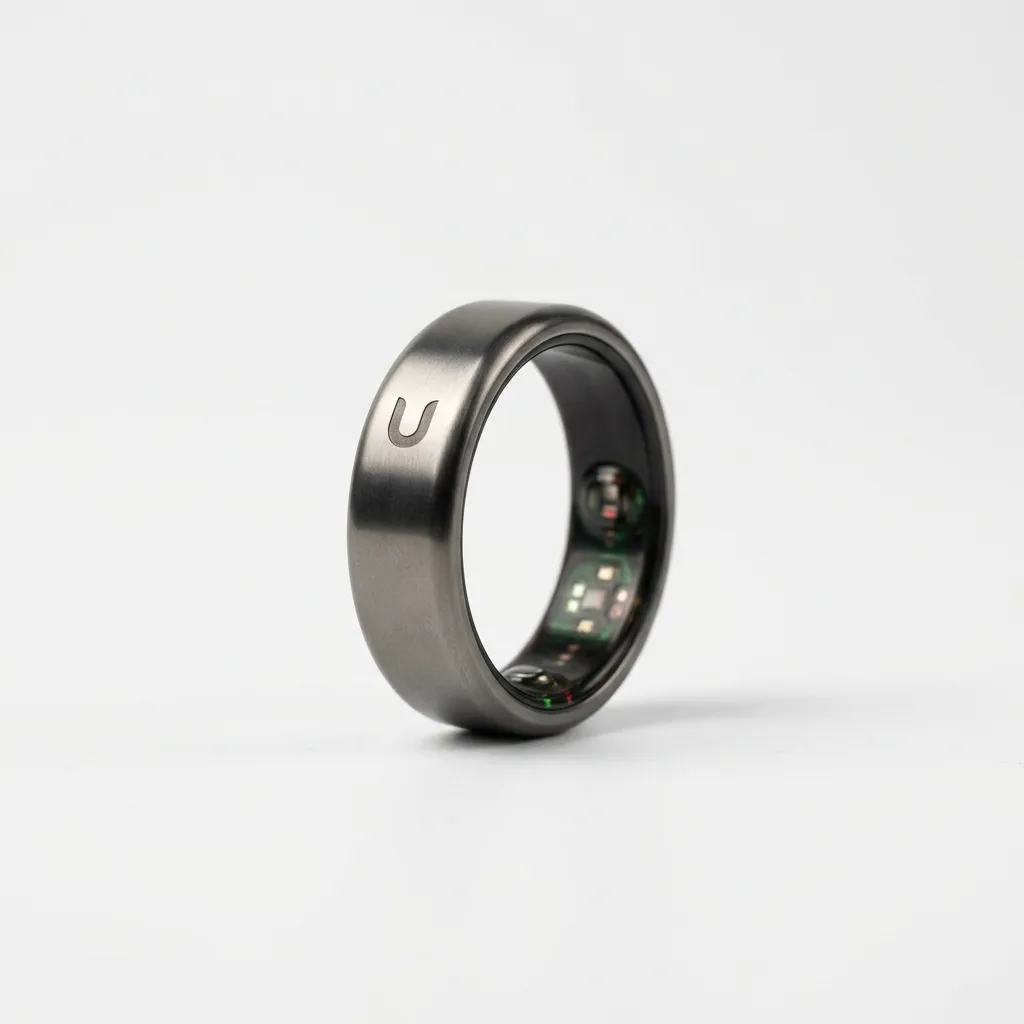
Ultrahuman Ring AIR Smart Ring
Ultra-lightweight titanium smart ring tracking sleep stages, HRV, body temperature and metabolic recovery.
- Weighs only 2.4 grams in fighter-grade titanium
- No monthly subscription fees required
When the score is typically most useful
Score logic makes the most sense when you already lead a fairly stable life and use the number as an additional filter, not as a boss. It can be useful when planning hard training days, interpreting poor sleep or adjusting recovery. PMID 35672381 PMID 35446360
The biggest gain often comes not from the number itself, but from the fact that it makes you stop and look at the patterns behind it. PMID 35672381 PMID 35446360
When a readiness score becomes more noise than utility
The problem arises when the user starts delegating all decisions to the number. Then an otherwise useful summary metric becomes a small authority that colors humor, motivation and training choices more than it should. PMID 35446360 PMID 34620138
This happens especially in people who are already measurement sensitive. Here, a scoring system can lead to orthosomnia-like behavior or skipping good activity because of a mediocre dashboard. PMID 35446360 PMID 34620138
What you should look at beyond the number
The best interpretation occurs when the readiness score is compared with sleep length, resting heart rate, HRV trend, mood, appetite and how heavy the body feels. It is precisely the combination that creates better judgement. PMID 34620138 PMID 34862365
If the number says you're ready, but you feel worn out, it's not a sign that you should beat yourself up. It is a sign that the score is only one layer in a bigger picture. PMID 34620138 PMID 34862365
A simple decision filter for everyday life
Use the score as a three-part filter: notice the direction, check if it matches your experience, and adjust only if both point in the same direction. It keeps the number in a useful supporting role rather than giving it too much power. PMID 34862365
For most, that is more than enough. The big improvement still comes from better sleep, better rhythm, better load management and less stress, not from a more dramatic number. PMID 34862365
The Physiological Engine of Readiness: The Autonomic Nervous System and HRV
Whether designated Oura Readiness, Whoop Recovery, Garmin Body Battery, or Polar Nightly Recharge, every preparedness score is grounded in an identical physiological foundation: balance within the **autonomic nervous system (ANS)**. The ANS autonomously coordinates involuntary visceral physiology, alternating between sympathetic ('fight-or-flight') mobilization and parasympathetic ('rest-and-digest') recovery through vagus nerve activity. PMID 30875319 PMID 35446360
The primary analytical engine behind these scores is **heart rate variability (HRV)**, specifically quantified as **RMSSD** (Root Mean Square of Successive Differences) in milliseconds across inter-beat intervals recorded during consolidated sleep. Higher RMSSD reflects robust vagal parasympathetic modulation, denoting cardiac plasticity and physiological reserve. Crucially, absolute HRV is genetically patterned and declines with age; your readiness rating is strictly calibrated against your rolling 14- to 30-day baseline. PMID 30875319 PMID 35446360
The Nocturnal Heart Rate Nadir and Dermal Temperature Vectors
Among the most insightful yet commonly misunderstood parameters within readiness algorithms is the timing of the nocturnal minimum heart rate (**heart rate nadir**). In a fully restored individual enjoying sound circadian and metabolic harmony, cardiac frequency reaches its absolute nadir during **the first third of the sleep episode** (typically between 01:00 and 03:00), aligning with maximal growth hormone secretion and restorative slow-wave sleep. PMID 35672381 PMID 34620138
Conversely, when the cardiac nadir is delayed into the early morning hours immediately preceding wakefulness, it indicates that systemic resources were hijacked during the early hours to manage acute physiological strain: late digestion, alcohol clearance, dehydration, or psychological hyperarousal. When this delayed nadir coincides with a sustained elevation in skin temperature (+0.5 to +1.5 °C), it serves as a robust pre-symptomatic indicator of impending viral illness or severe overreaching. PMID 35672381 PMID 34620138
| Platform & Score | Primary Physiological Inputs | Clinical / Tracking Strength | Practical Limitation |
|---|---|---|---|
| Oura Ring (Readiness Score, 0–100) | RMSSD HRV, heart rate nadir timing, temp, sleep balance | Unmatched nocturnal thermal tracking and sleep staging | Lower temporal precision during high-intensity dynamic workouts |
| Whoop (Recovery Score, 0–100%) | Nocturnal RMSSD HRV, resting HR, respiratory rate, sleep debt | Dynamic integration between daily strain and systemic recovery | Requires snug wrist/bicep strap; lacks on-device screen display |
| Garmin (Body Battery, 0–100) | All-day continuous HRV stress, sleep duration, active load | Continuous real-time energetic gauge updated throughout the day | Heuristic proprietary algorithm based on Firstbeat modeling |
| Apple Watch (Vitals Dashboard) | Resting HR, respiratory rate, wrist temp, SpO2 | No artificial aggregate index; presents raw baseline deviations | Requires watchOS 11 and at least 7 nights of consistent sleep history |
Action Protocol: Translating Data into Training and Recovery Adjustments
A recovery score is useless if it fails to guide tangible behavior. Employ an evidence-based **traffic-light framework** to regulate your exercise and longevity programming: PMID 30875319 PMID 34862365
• **Green Zone (Score >85)**: Autonomic tone displays robust parasympathetic dominance with high adaptive plasticity. The day is ideal for maximum progressive overload resistance training, VO2 max high-intensity intervals (e.g., 4x4 min intervals), or extended endurance bouts. • **Yellow Zone (Score 70–84)**: Moderate homeostasis. Avoid central nervous system exhaustion; execute scheduled Zone 2 aerobic cardio, mobility routines, or submaximal technique work. • **Red Zone (Score <70)**: Sympathetic hyperactivity or severe physiological strain. Cancel high-intensity sessions and pivot to active restoration: 30–45 minutes of Zone 1 walking in natural light, restorative breathwork, thermal therapy, and an early evening meal to ensure restorative deep sleep. *Non-negotiable rule*: If the tracker reports green but your body feels lethargic, sore, or mentally strained, somatic perception must always override the algorithm. PMID 30875319 PMID 34862365
Internal Further Reading
Read also in the same cluster
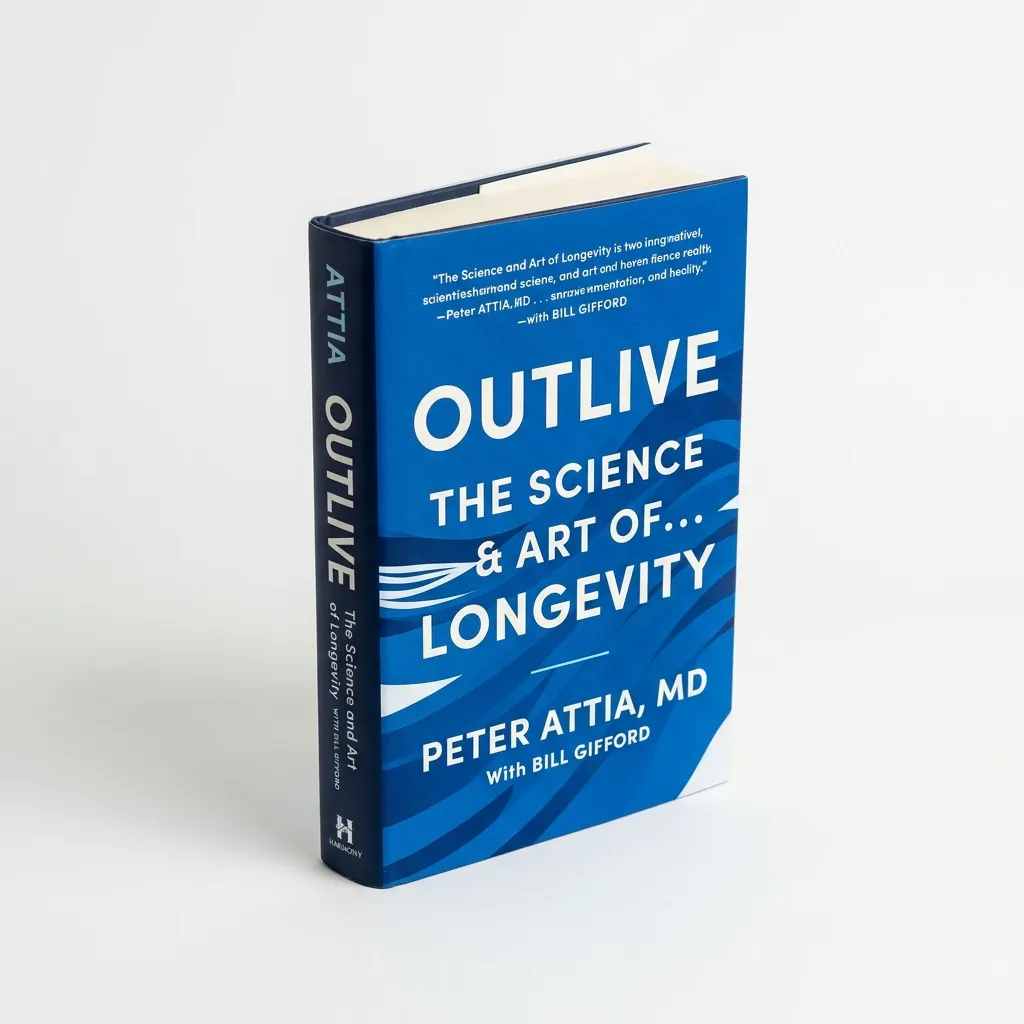
Outlive: The Science & Art of Longevity
Dr. Peter Attia's groundbreaking guide to preventive medicine, exercise for longevity, and healthy aging.
- Scientific framework for Medicine 3.0
- Actionable guide on sleep, exercise & nutrition
FAQ
Is readiness score the same as HRV?
No. HRV is typically only one of several inputs. Readiness score is an overall model number and should not be interpreted as if it were a single physiological signal.
Should I skip training at a low readiness number?
Not automatically. The number is most useful as a signal to reassess intensity and volume along with sleep, energy and muscle fatigue.
Can a high readiness score be misleading?
Yes. A single score may still overlook local fatigue, mental strain or things not captured well by the sensors.
Who is most at risk of being too score-driven?
Users who are already troubled by metrics or easily let dashboards control their mood and decisions should be extra careful.
What makes the most sense if I am in doubt about the number?
Look at the trend over several days, compare with your own experience and use the lowest-friction choice: slightly less load, more sleep and more regular recovery.
Why is my Readiness Score depressed even after getting 8 hours of sleep?
Sleep duration is only one dimension. If you consumed a late-night meal, drank alcohol, experienced psychological stress, or are fighting an infection, your nocturnal resting heart rate remains elevated, RMSSD HRV drops, and the cardiac nadir is postponed, lowering the composite score.
Why is RMSSD preferred over SDNN in consumer recovery wearables?
RMSSD captures beat-to-beat differences driven almost exclusively by vagal parasympathetic signaling. In contrast, SDNN quantifies total 24-hour variation and is substantially confounded by circadian cycles, physical movement, and ambient sympathetic stressors.
Should one unconditionally cancel intense workouts upon receiving a 'red' recovery score?
Not necessarily for an isolated single day if subjective energy is high. However, two or three consecutive days in the red indicate accumulating uncompensated strain. De-load training to Zone 1/2 aerobic work to prevent overreaching syndromes and musculoskeletal injuries.
Sources and References
- [1]
- [2]
- [3]
- [4]
Show all 5 sources (1 more)
- [5]
Editorial History
18. April 2026
First publication
Initial version was published as part of the wearables with introduction, takeaways, FAQ, and reference block.
18. April 2026
Medical review
Phrasing, caveats, and internal links were reviewed for clarity, consistency, and YMYL alignment.
4. July 2026
Latest update
Readiness score received updated metadata, reference outputs, and improved decision-support structure.

Medical Review
Medical Review and Update Process
This article has been medically reviewed by Vadim Doroshenko with a focus on clinical accuracy, sources, disclaimers, and whether the conclusions still align with current scientific evidence.

Editorial Profile
Borys Viktorovytj Riabtsev
Borys Viktorovytj Riabtsev publishes Longevity Lab as a research-backed information project on precision medicine, metabolic health, and healthy aging, utilizing rigorous sources, independent medical review, and objective YMYL communication.