Key takeaways
- Women's longevity cannot be reduced to skin, weight or hormones alone; it's also about sleep, muscles, bones and metabolic robustness.
- Perimenopause is often the most unstable phase because symptoms and hormonal fluctuations can occur before menopause is evident.
- Wearables, digital biomarkers and symptom tracking can be useful, but must be used in conjunction with clinical assessment.
- Annual communication about timelines is important: not everything can be solved quickly, but much can be improved systematically.
Medical disclaimer: Content is for informational purposes and does not replace medical advice.
Why women's longevity matters more now
Much of the longevity market's growth comes from women who demand better information about energy, recovery, sleep, body composition and brain health through hormonal transitions. It is an important part of the wider feminization of the market. Dansk Selskab for Gynækologi og Obstetrik (DSOG) PMID 35797481
It also makes sense in a broader healthtech perspective, because precision medicine, metabolic health and clinical processes take up more space in the conversation about women's health. But high interest is not the same as high quality evidence. Dansk Selskab for Gynækologi og Obstetrik (DSOG) PMID 35797481
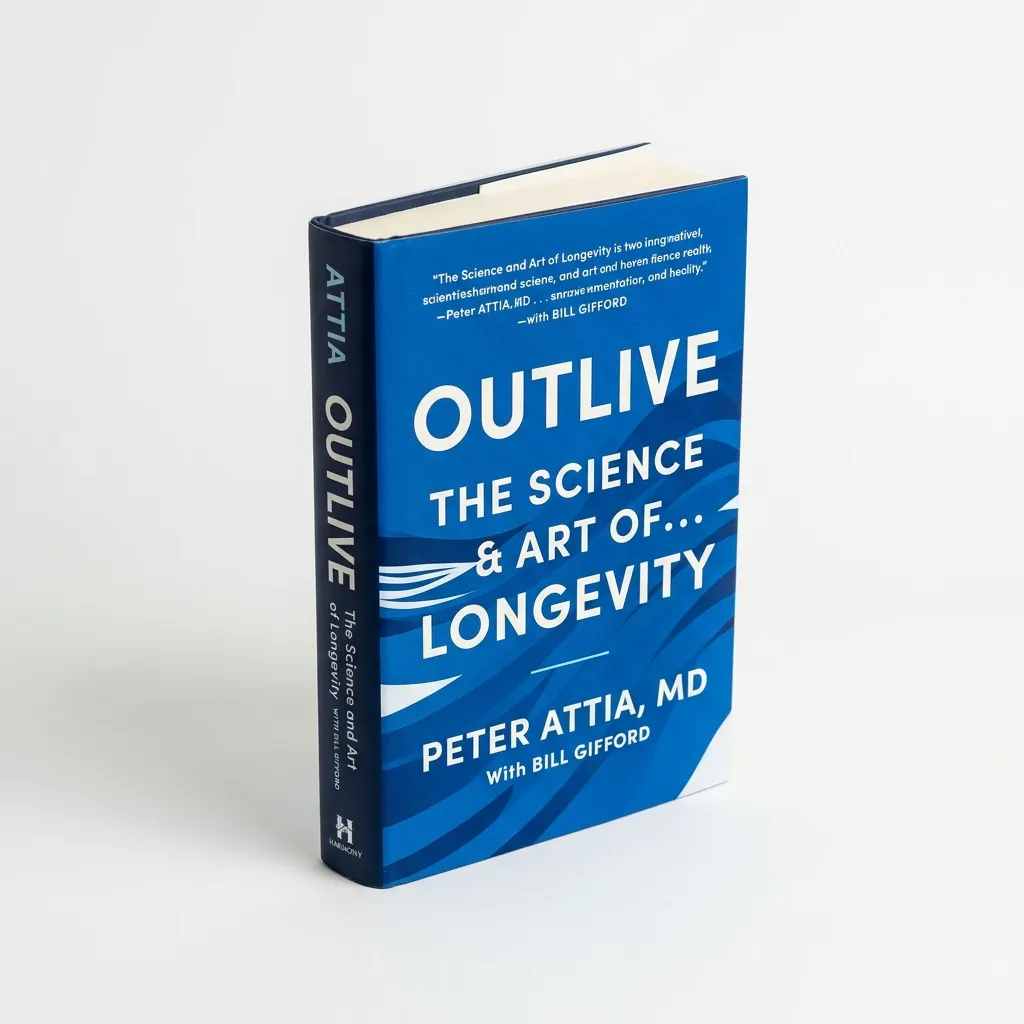
Outlive: The Science & Art of Longevity
Dr. Peter Attia's groundbreaking guide to preventive medicine, exercise for longevity, and healthy aging.
- Scientific framework for Medicine 3.0
- Actionable guide on sleep, exercise & nutrition
Perimenopause is more than hot flashes
Many find that the first major challenge is not classic hot flashes, but poorer sleep, more restlessness, lower recovery, mood swings and greater difficulty in weight regulation. At the same time, muscle mass and insulin sensitivity may become more difficult to maintain. PMID 35797481 PMID 31839217
It is therefore insufficient to talk only about hormones. The functional assessment should also include strength, conditioning, body composition, blood tests, sleep and symptom patterns over time. PMID 35797481 PMID 31839217
Muscle mass, protein and metabolic health
After 40 and especially through menopause, muscle mass becomes even more important. Muscle is not just for appearance, but a central reserve for glucose handling, function, balance and long-term robustness. PMID 31839217 PMID 28815612
This means that strength training, sufficient protein and regular cardio should often be prioritized over yet another supplement. Zone 2 and progressive strength training are a powerful combination. PMID 31839217 PMID 28815612
Technology can help, but not replace the clinic
Wearables like Oura Ring 4 and other sensors can make sleep, temperature trends and recovery more visible. Digital biomarkers and future multiomics are likely to further improve personalization. PMID 28815612 PMID 31591555
But caution applies especially here. If symptoms are severe, if bleeding is unusual, or if there are concerns about bones, heart or metabolism, professional evaluation is more important than app data. PMID 28815612 PMID 31591555
Clinical guidelines and evidence-based menopausal hormone therapy (MHT)
The transition from perimenopause to postmenopause is characterized by ovarian follicular depletion, precipitating an abrupt drop in 17-beta-estradiol and progesterone production. This hormonal deficit causes vasomotor symptoms and sleep fragmentation while accelerating biological aging within vascular endothelium, neural networks, and bone architecture. Dansk Selskab for Gynækologi og Obstetrik (DSOG) PMID 35797481
Leading gynecological guidelines (including NAMS and European consensus bodies) emphasize the clinical 'window of opportunity': initiating menopausal hormone therapy (MHT) within 10 years of the final menstrual period (and before age 60) confers robust cardioprotective and osteoprotective benefits with minimal adverse risk. Dansk Selskab for Gynækologi og Obstetrik (DSOG) PMID 35797481
Modern protocols strictly favor transdermal bioidentical estradiol (gels or patches that bypass hepatic first-pass metabolism, carrying no elevated risk of deep vein thrombosis or stroke) paired with micronized bioidentical progesterone (Prometrium/Utrogestan), which preserves endometrial safety without the breast tissue proliferation linked to legacy synthetic progestins. Dansk Selskab for Gynækologi og Obstetrik (DSOG) PMID 35797481
Cardiometabolic shift: ApoB, visceral adipose deposition, and insulin resistance
Estrogen functions as a metabolic master regulator of lipid partitioning via estrogen receptor-alpha. With ovarian decline, lipid deposition shifts rapidly from subcutaneous gluteofemoral stores to visceral and intrahepatic depots, triggering an escalating burden of insulin resistance. PMID 31839217 PMID 31591555
Concurrently, atherogenic lipid fractions deteriorate: Apolipoprotein B (ApoB), LDL cholesterol, and triglycerides routinely increase by 10-20% within the first 24 months following menopause, while the atheroprotective functionality of HDL particles diminishes. PMID 31839217 PMID 31591555
Women thereby forfeit their premenopausal cardiovascular advantage relative to men. Proactive tracking of HOMA-IR, fasting glucose, blood pressure, and ApoB is imperative to intercept subclinical vascular pathology early. PMID 31839217 PMID 31591555
Bone mineral density (DEXA scanning) and osteoporosis prevention
The steepest rate of bone demineralization occurs during the early postmenopausal phase, where uncoupled osteoclastic activity outpaces osteoblasts, resulting in bone density losses of up to 2-3% annually. Dansk Selskab for Gynækologi og Obstetrik (DSOG) PMID 28815612
Obtaining a baseline dual-energy X-ray absorptiometry (DEXA) scan around age 50 establishes definitive T-scores (osteopenia between -1.0 and -2.5; osteoporosis below -2.5). In tandem with axial heavy resistance loading, targeted protein intake (1.6-2.0 g/kg), and co-supplementation of Vitamin D3 and K2, early surveillance guards against debilitating fragility fractures. Dansk Selskab for Gynækologi og Obstetrik (DSOG) PMID 28815612
The table below outlines the three distinct phases of reproductive senescence alongside targeted metabolic interventions. Dansk Selskab for Gynækologi og Obstetrik (DSOG) PMID 28815612
| Phase | Endocrine Profile | Primary Cardiometabolic Risks | Evidence-Based Interventions |
|---|---|---|---|
| Perimenopause (ages 40-50) | Fluctuating estradiol, declining progesterone, irregular cycles | Sleep disturbance, incipient visceral fat, mood instability | Resistance training, circadian hygiene, cyclic bioidentical progesterone. |
| Early Menopause (ages 50-60) | Cessation of menses, consistently low estradiol & progesterone | Accelerated bone loss, ApoB/LDL elevation, insulin resistance | Consideration of transdermal bioidentical MHT within the opportunity window. |
| Late Postmenopause (60+) | Stable chronically low hormone baseline | Arterial stiffness, progressive sarcopenia, manifest osteoporosis | Progressive overload resistance training, protein targets, bone preservation. |
Internal Further Reading
Read also in the same cluster
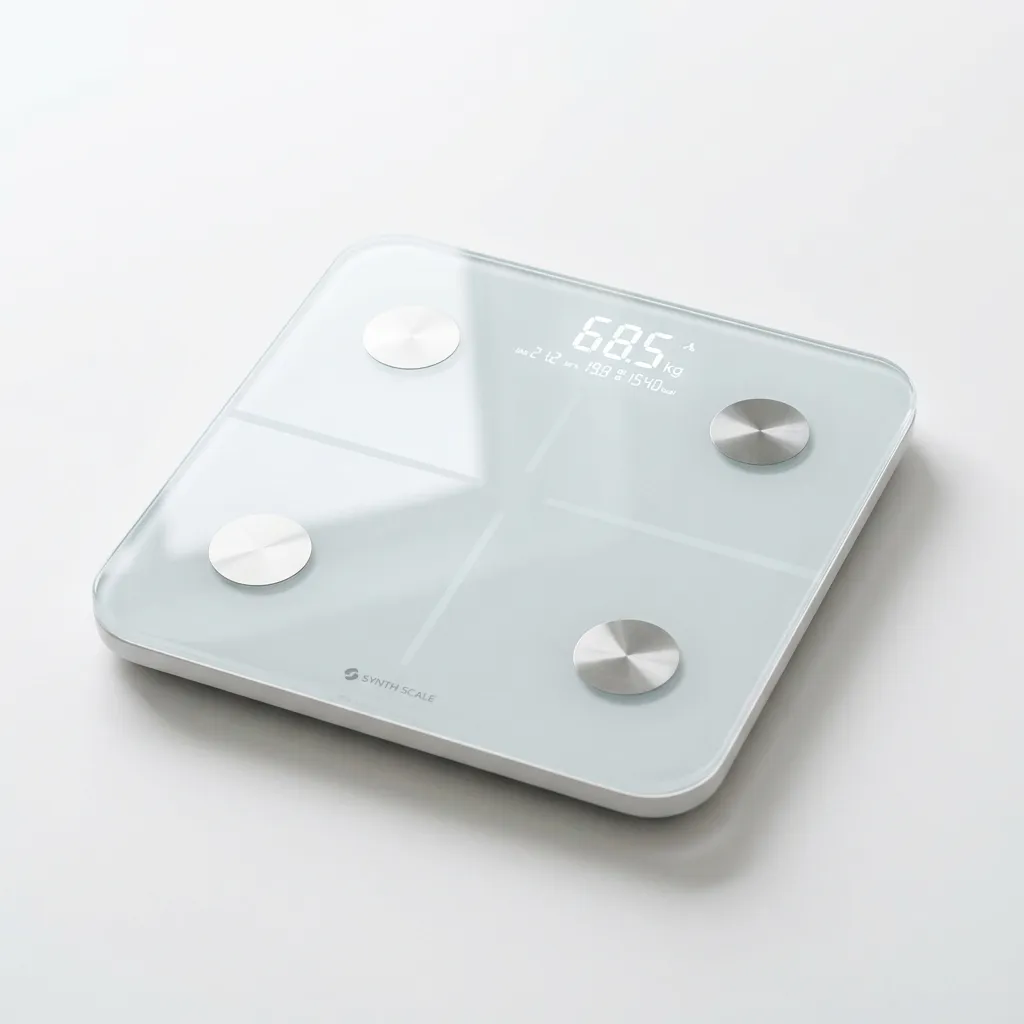
Smart Body Composition Scale
Advanced bioimpedance scale tracking muscle mass, body fat percentage, bone density and hydration.
- Tracks muscle mass & visceral fat
- Wireless sync with health apps
FAQ
Is perimenopause relevant even if I still menstruate?
Yes. Perimenopause can start several years before the last period and often presents as fluctuating symptoms, not just irregular cycles.
Do wearables help in menopause?
They can be useful for trends in sleep, temperature and recovery, but they cannot alone explain all symptoms or replace medical assessment.
What should be the highest priority?
For many, the most important building blocks are strength training, protein, fitness, sleep and clinical clarification of symptoms and risk factors.
Sources and References
- [1]
- [2]
- [3]
- [4]
Show all 5 sources (1 more)
- [5]
Editorial History
14. April 2026
First publication
Initial version was published as part of the metabolic health with introduction, takeaways, FAQ, and reference block.
14. April 2026
Medical review
Phrasing, caveats, and internal links were reviewed for clarity, consistency, and YMYL alignment.
28. April 2026
Latest update
Women's longevity received updated metadata, reference outputs, and improved decision-support structure.

Medical Review
Medical Review and Update Process
This article has been medically reviewed by Vadim Doroshenko with a focus on clinical accuracy, sources, disclaimers, and whether the conclusions still align with current scientific evidence.

Editorial Profile
Borys Viktorovytj Riabtsev
Borys Viktorovytj Riabtsev publishes Longevity Lab as a research-backed information project on precision medicine, metabolic health, and healthy aging, utilizing rigorous sources, independent medical review, and objective YMYL communication.