Key takeaways
- Supreme Longevity Biomarker: Cleveland Clinic data demonstrates that advancing from the bottom quartile to the elite VO2 max tier cuts all-cause mortality by up to 80% — a protective effect vastly greater than quitting smoking or managing hypertension.
- Firstbeat and Apple Algorithms: Modern smartwatches estimate VO2 max by cross-referencing GPS speed, barometric elevation changes, heart rate, and heart rate variability (HRV) during submaximal outdoor runs, maintaining a mean absolute percentage error of ±3.5–5% (2–3 ml/kg/min) against laboratory metabolic carts.
- ECG Chest Strap Prerequisite: Optical photoplethysmography (PPG) wrist sensors suffer a 10–25 second latency and cadence-lock susceptibility during interval surges; for dependable Zone 4/5 pacing at 85–95% HRmax, an ECG chest strap like the Polar H10 is essential.
- The 4x4 Gold Standard: Pioneered at NTNU Trondheim by Helgerud and Hoff, four 4-minute intervals at 85–95% HRmax separated by 3-minute active recoveries maximize left ventricular end-diastolic filling and stroke volume far more effectively than sub-minute sprint intervals.
- Clinical Spiroergometry in Denmark: Gold-standard CPET testing with a calibrated mask and 12-lead ECG is publicly accessible without medical referral at private physiology facilities like Sparta Løb in Copenhagen, Idrættens Hus in Brøndby, and sports laboratories in Aarhus and Odense (typically 900–1,600 DKK).
Medical disclaimer: Content is for informational purposes and does not replace medical advice.
The Physiology of VO2 Max: Left Ventricular Stroke Volume to Mitochondrial Respiration
VO2 max quantifies the maximum volume of oxygen (in milliliters) that your body can uptake, transport, and metabolically utilize per minute per kilogram of body weight (ml/kg/min). Mathematically articulated by Fick's equation, VO2 max = Qmax × (a-vO2 diff)max, where Qmax represents maximal cardiac output and (a-vO2 diff)max represents maximal systemic arteriovenous oxygen difference, capturing peripheral tissue extraction capacity. PMID 17414804 PMID 30347059
Targeted training designed to elevate cardiorespiratory fitness addresses two distinct physiological bottlenecks: PMID 17414804 PMID 30347059
**1. The Central Bottleneck (Myocardial Mechanics and Stroke Volume)**: For the majority of healthy adults, the paramount ceiling on VO2 max is central and hemodynamic: the heart's capacity to eject large volumes of oxygenated blood per minute. Cardiac output equals heart rate multiplied by stroke volume. Because maximum heart rate is biologically constrained and inevitably declines by approximately 0.7–1 beat per minute each year, the primary trainable central parameter is left ventricular stroke volume. Maximizing stroke volume requires sustained left ventricular end-diastolic filling and wall stretch under elevated venous return — a hemodynamic state achieved exclusively when heart rate is maintained between 85% and 95% of HRmax for 2 to 4 consecutive minutes. PMID 17414804 PMID 30347059
**2. The Peripheral Bottleneck (Capillarization and Mitochondrial Cristae Density)**: Once blood reaches peripheral skeletal muscle beds, oxygen extraction depends upon microvascular capillary density surrounding muscle fibers and oxidative enzyme capacity within mitochondrial cristae. Sustained Zone 2 aerobic base training expands capillary networks and stimulates mitochondrial biogenesis, but it is high-intensity interval training at 85–95% HRmax that forces mitochondria to operate at peak respiration rates and triggers vascular endothelial growth factor (VEGF) cascades. PMID 17414804 PMID 30347059
The pairing of elevated left ventricular stroke volume and dense microvascular perfusion forms the absolute biological prerequisite for functional independence across lifespan extension. An 80-year-old requiring independent mobility to navigate stairways, lift groceries, and travel unassisted demands a baseline VO2 max of at least 18–20 ml/kg/min. Because VO2 max naturally deteriorates by roughly 10% per decade past age 30, cultivating an elite cardiorespiratory reservoir in midlife operates as an indispensable physiological pension fund. PMID 17414804 PMID 30347059
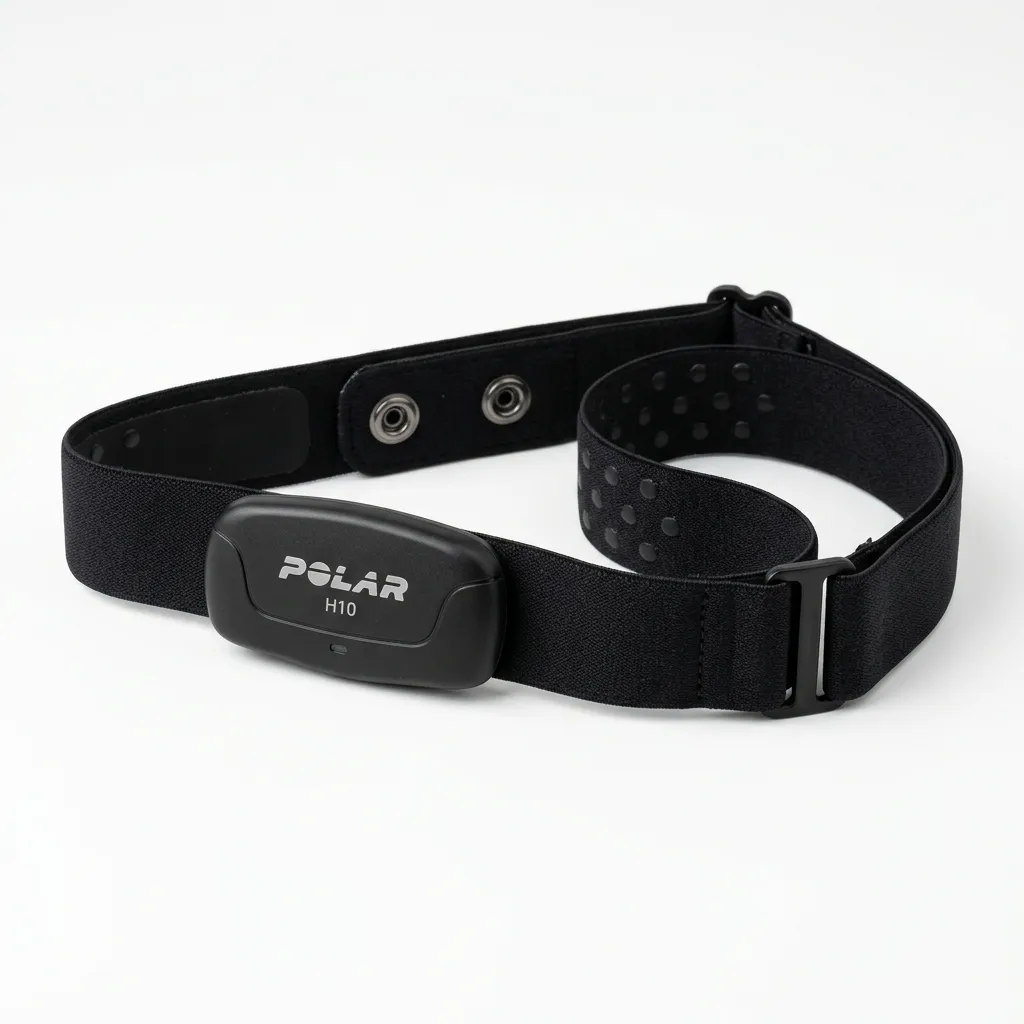
Polar H10 Heart Rate Monitor & HRV Sensor
The gold standard chest strap monitor for accurate Heart Rate Variability (HRV) and Zone 2 training.
- ECG-accurate HRV and heart rate zone tracking
- Dual Bluetooth & ANT+ connectivity
How Smartwatches Estimate VO2 Max: Firstbeat Analytics, Apple Cardio Fitness, and Errors
Historically, verifying maximal oxygen uptake mandated an exercise physiology laboratory, a tightly strapped face mask, a two-way non-rebreathing valve, and automated gas analyzers collecting breath-by-breath ventilation during exhaustive incremental treadmill or cycle ergometer tests. Today, standard smartwatches from Garmin, Apple, and Polar claim to quantify VO2 max automatically after an ordinary outdoor run. PMID 35140889 PMID 30418420
The digital architecture underpinning consumer wearables relies on mathematical regression algorithms, predominantly Firstbeat Analytics (deployed by Garmin and Suunto) and Apple's proprietary Cardio Fitness machine-learning pipeline: PMID 35140889 PMID 30418420
**1. Linear Speed-to-Heart-Rate Scaling**: Across submaximal steady-state workloads, oxygen uptake scales linearly with heart rate. The Firstbeat engine logs GPS velocity alongside continuous heart rate data. Factoring in barometric elevation gradients, the software calculates estimated oxygen cost for the pace and extrapolates the linear trendline to the individual's measured or predicted maximum heart rate (HRmax). PMID 35140889 PMID 30418420
**2. Heart Rate Variability (HRV) and Respiration Inference**: To gauge actual internal physiological strain at any given heart rate, Firstbeat examines millisecond fluctuations in successive R-R intervals. This calculation deduces respiratory frequency and lactate accumulation onset, preventing transient environmental variables like warm weather or mild dehydration from being mistakenly cataloged as permanent fitness degradation. PMID 35140889 PMID 30418420
**Real-World Accuracy of Consumer Wearables** PMID 35140889 PMID 30418420
Independent clinical validation studies (published in the Journal of Sports Sciences and Medicine & Science in Sports & Exercise) demonstrate that Garmin and Apple Watch algorithms achieve strong correlation metrics (r = 0.85–0.91) against laboratory spirometric carts. Mean absolute percentage error (MAPE) typically hovers between 4.5% and 5.5%, translating to an absolute variance of 2–3 ml/kg/min. PMID 35140889 PMID 30418420
However, four primary systematic errors frequently distort wrist-derived metrics: PMID 35140889 PMID 30418420
• **Inaccurate Maximum Heart Rate Parameters**: If your wearable calculates HRmax via standard age formulas like '220 minus age', the true ceiling can easily deviate by 10–15 beats per minute, systematically shifting the derived VO2 max trendline by several units. PMID 35140889 PMID 30418420
• **Wrist PPG Latency and Cadence Lock**: Optical photoplethysmography sensors suffer from motion artifacts and blood flow latency, occasionally locking onto stride frequency rather than cardiac contractions during high-cadence interval bursts. PMID 35140889 PMID 30418420
• **Complex Terrain and Environmental Friction**: Trail running in mud, sand, snow, steep technical switchbacks, pushing a jogging stroller, or facing severe headwinds increases mechanical workload without corresponding GPS velocity, misleading algorithms into scoring cardiovascular efficiency lower. PMID 35140889 PMID 30418420
• **Outdated Weight Profiles**: VO2 max is an allometric metric expressed per kilogram of body weight (ml/kg/min). Failing to update body weight following significant fat loss leaves calculated aerobic capacity artificially suppressed. PMID 35140889 PMID 30418420
VO2 Max Age Percentiles and Longevity Matrix: From Below Average to Elite (Peter Attia Framework)
What defines an optimal cardiorespiratory baseline for lifespan and healthspan? Public health tables from regional health authorities frequently classify physical fitness into broad brackets of 'low', 'moderate', and 'high'. For proactive longevity planning, generic median benchmarks are inadequate. Physician Peter Attia advocates targeting the upper decile (top 10%) or elite category (top 2.5%) for one's age group — or maintaining an aerobic capacity comparable to the median of an athletic peer two to three decades younger. PMID 30347059 PMID 32822188
The matrix below outlines physiological threshold values (ml/kg/min) stratified by biological sex and age brackets, adapted from The Cooper Institute and the Cleveland Clinic registry cohorts, paired with the associated hazard ratio reductions in all-cause mortality. PMID 30347059 PMID 32822188
| Age Cohort & Biological Sex | Below Average (<25%) | Moderate (25–50%) | Good Fitness (50–75%) | High Fitness (75–97.5%) | Longevity Elite (>97.5%) | Hazard Ratio (All-Cause Mortality) |
|---|---|---|---|---|---|---|
| Men 30–39 yrs | < 35 ml/kg/min | 35–41 ml/kg/min | 42–47 ml/kg/min | 48–56 ml/kg/min | > 57 ml/kg/min | Elite vs. Low: 0.20 (80% reduction) |
| Men 40–49 yrs | < 33 ml/kg/min | 33–39 ml/kg/min | 40–45 ml/kg/min | 46–53 ml/kg/min | > 54 ml/kg/min | Elite vs. Low: 0.22 (78% reduction) |
| Men 50–59 yrs | < 30 ml/kg/min | 30–36 ml/kg/min | 37–42 ml/kg/min | 43–49 ml/kg/min | > 50 ml/kg/min | Elite vs. Low: 0.25 (75% reduction) |
| Men 60+ yrs | < 26 ml/kg/min | 26–32 ml/kg/min | 33–38 ml/kg/min | 39–45 ml/kg/min | > 46 ml/kg/min | Elite vs. Low: 0.29 (71% reduction) |
| Women 30–39 yrs | < 29 ml/kg/min | 29–34 ml/kg/min | 35–40 ml/kg/min | 41–48 ml/kg/min | > 49 ml/kg/min | Elite vs. Low: 0.21 (79% reduction) |
| Women 40–49 yrs | < 27 ml/kg/min | 27–32 ml/kg/min | 33–38 ml/kg/min | 39–45 ml/kg/min | > 46 ml/kg/min | Elite vs. Low: 0.23 (77% reduction) |
| Women 50–59 yrs | < 24 ml/kg/min | 24–29 ml/kg/min | 30–35 ml/kg/min | 36–42 ml/kg/min | > 43 ml/kg/min | Elite vs. Low: 0.26 (74% reduction) |
| Women 60+ yrs | < 21 ml/kg/min | 21–26 ml/kg/min | 27–32 ml/kg/min | 33–38 ml/kg/min | > 39 ml/kg/min | Elite vs. Low: 0.31 (69% reduction) |
The Norwegian 4x4 Interval Protocol: Physiology, Garmin/Apple Setup, and Execution
When the objective is driving maximal oxygen uptake in the most time-efficient and empirically proven framework, exercise physiology literature consistently highlights the Norwegian 4x4 interval model, engineered by professors Jan Helgerud and Jan Hoff at the Norwegian University of Science and Technology (NTNU) in Trondheim. PMID 17414804 PMID 32822188
In their pivotal randomized clinical trial comparing continuous long-distance running, lactate threshold training (Zone 3), 15-second high-intensity sprints, and 4x4-minute intervals, the 4x4 protocol delivered superior cardiovascular adaptations: a 7.2% average rise in VO2 max across eight weeks alongside marked expansions in left ventricular stroke volume, whereas moderate continuous aerobic work yielded negligible changes in cardiac pump volume. PMID 17414804 PMID 32822188
**Protocol Architecture Step by Step**: PMID 17414804 PMID 32822188
**1. Warm-Up (10 minutes)**: Gentle aerobic priming in Zone 1–2 (60–70% of HRmax) to elevate muscle tissue temperature, vasodilate microvasculature, and lubricate load-bearing joints. PMID 17414804 PMID 32822188
**2. Work Interval 1 (4 minutes at 85–95% HRmax)**: Initiate the interval deliberately. It typically requires 60 to 90 seconds to elevate core cardiac rhythm into targeted Zone 4/5. Once your pulse crosses 85–90%, hold an even, relentless pace throughout the remaining 2.5 to 3 minutes. Perceived exertion should sit at an RPE of 8–9 out of 10 — breathing heavily, unable to speak full sentences, yet running with controlled biomechanics rather than frantic sprinting. PMID 17414804 PMID 32822188
**3. Active Recovery (3 minutes at 65–70% HRmax)**: Jog or walk smoothly. Avoid coming to a complete stop; continuous muscle contraction stimulates the muscular venous pump, shuttling blood back to the right atrium and clearing accumulated metabolic intermediates. PMID 17414804 PMID 32822188
**4. Repeat for 4 Total Work Bouts**: Complete intervals 2, 3, and 4 with 3-minute active recovery breaks between each. Total accumulated duration in the peak stroke volume stimulus zone equals 16 focused minutes. PMID 17414804 PMID 32822188
**5. Cool-Down (5 minutes)**: Low-intensity walking or light jogging to down-regulate sympathetic tone. PMID 17414804 PMID 32822188
**Device Setup on Garmin and Apple Watch**: PMID 17414804 PMID 32822188
To execute the protocol without staring continuously at your watch display, build a structured workout template: PMID 17414804 PMID 32822188
• **Garmin Connect**: Navigate to 'Training & Planning' -> 'Workouts' -> 'Create a Workout' (Running or Cycling). Build a repeating block with 4 cycles: Work (Duration: 04:00, Target: Heart Rate Zone 4–5 or 85–95% HRmax) and Recovery (Duration: 03:00, Target: Heart Rate Zone 2). Your watch will provide haptic buzzes and audible alerts if you fall below 85% or exceed 95%. PMID 17414804 PMID 32822188
• **Apple Watch**: Open the native Workout app, tap the three dots (...) beside Outdoor Run or Indoor Run, scroll to 'Create Workout' -> 'Custom'. Insert a 10-minute warm-up, a 4x repeat cycle (4-minute work interval with target heart rate alert, 3-minute active recovery), and a 5-minute cool-down. PMID 17414804 PMID 32822188
**Weekly Frequency**: For dedicated healthspan seekers, one weekly 4x4 interval session balanced alongside 2–3 polarized Zone 2 base sessions provides an ideal stimulus-to-fatigue ratio without overburdening the central autonomic nervous system. PMID 17414804 PMID 32822188
Clinical VO2 Max Testing in Denmark: Why Spiroergometry (CPET) is Worth the Investment
While a calibrated Garmin or Apple Watch delivers exceptional longitudinal trend monitoring, serious longevity practitioners benefit from booking a formal laboratory spiroergometry evaluation (Cardiopulmonary Exercise Testing / CPET) every 18 to 24 months for one critical reason: consumer wearables cannot identify your precise metabolic transition thresholds. PMID 35140889 PMID 32822188
During a laboratory CPET assessment, you exercise on a calibrated treadmill or ergometer bicycle while wearing an airtight silicone face mask interfaced with computerized gas analyzers, with resistance ramping incrementally every 60 to 120 seconds until voluntary muscular exhaustion. The evaluation reveals three vital clinical parameters unreachable by wearable algorithms alone: PMID 35140889 PMID 32822188
**1. Direct Ventilatory Thresholds (VT1 and VT2)**: By tracking gas exchange ratios between carbon dioxide expiration (VCO2) and oxygen consumption (VO2), physiologists identify your exact aerobic threshold (VT1 / lactate threshold 1) and anaerobic threshold (VT2 / respiratory compensation point). This definitively eliminates guesswork regarding where your Zone 2 aerobic window terminates and where your VO2 max ceiling begins. PMID 35140889 PMID 32822188
**2. True Maximum Heart Rate and Diagnostic ECG Safety**: Many adults over 40 never discover their true physiological HRmax due to caution during unmonitored solo workouts. A clinical CPET accompanied by continuous 12-lead ECG monitoring screens for exercise-induced ischemia, ST-segment shifts, or silent arrhythmias during peak myocardial exertion. PMID 35140889 PMID 32822188
**3. Respiratory Exchange Ratio (RER)**: RER (VCO2/VO2) quantifies your substrate oxidation profile — illustrating the exact percentage of metabolic fuel derived from free fatty acids versus circulating glucose across increasing heart rate tiers. An RER surpassing 1.10–1.15 validates that the test achieved true physiological exhaustion. PMID 35140889 PMID 32822188
**Testing Centers and Pricing in Denmark**: PMID 35140889 PMID 32822188
In Denmark, individuals can schedule clinical CPET assessments without medical referral across several sports science facilities: PMID 35140889 PMID 32822188
• **Sparta Løb & Testcenter (Copenhagen Ø)**: Offers comprehensive treadmill VO2 max testing with direct gas spirometry and individualized heart rate zone mapping. Pricing typically ranges from 950 to 1,400 DKK. PMID 35140889 PMID 32822188
• **Idrættens Hus / Team Danmark Facilities (Brøndby)**: High-precision physiological assessments serving both competitive athletes and health-focused individuals. PMID 35140889 PMID 32822188
• **Aarhus and Odense Performance Laboratories (Aarhus University Hospital / University of Southern Denmark networks)**: Private exercise physiology and sports medicine clinics offering integrated blood lactate profile and VO2 max packages (typically 1,200 to 1,800 DKK). PMID 35140889 PMID 32822188
Once you complete a laboratory assessment, calibrate your wearable profiles in Garmin Connect or Apple Health with your measured HRmax and ventilatory threshold cutoffs, aligning ongoing wrist analytics with laboratory-grade precision. PMID 35140889 PMID 32822188
Internal Further Reading
Read also in the same cluster
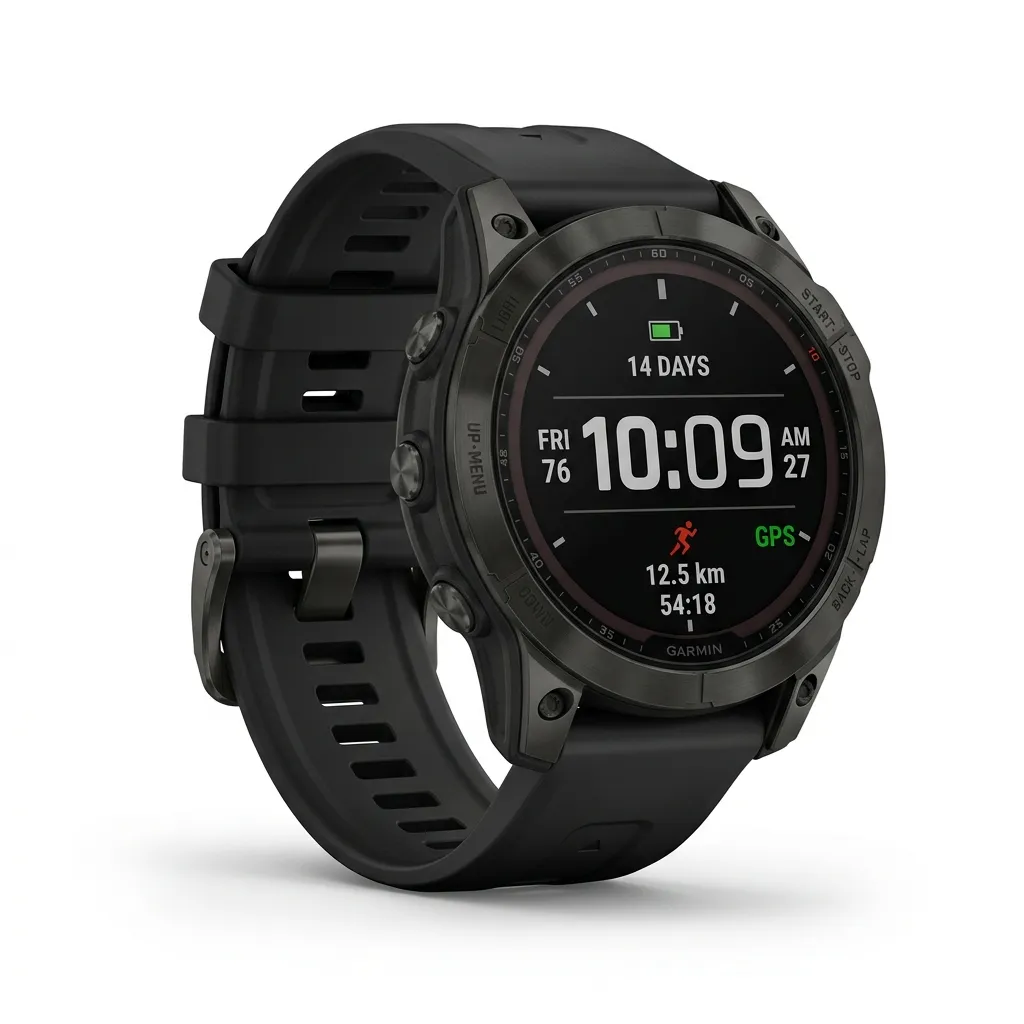
Garmin Fenix 7 Pro Multisport Watch
Flagship multisport watch with solar charging, advanced VO2 max analytics, HRV status and stamina score.
- Multi-week battery life with solar charging
- Precision heart rate & VO2 Max estimation
FAQ
Why are 4x4 intervals more effective than 30-second all-out sprint intervals (HIIT)?
All-out sprints lasting 10–30 seconds (such as Tabata or Wingate protocols) recruit fast-twitch type II muscle fibers and trigger rapid anaerobic glycolysis, but the duration is too brief for the heart to achieve maximal left ventricular stroke volume. It requires approximately 90 to 120 seconds of sustained cardiovascular drive for venous return and myocardial filling to plateau. By sustaining work for 4 continuous minutes, each bout yields more than 2 minutes of maximal left ventricular stroke volume stimulation.
How quickly can one improve VO2 max with consistent 4x4 training?
Untrained or recreationally active individuals performing two weekly 4x4 interval sessions typically experience an aerobic improvement of 0.5% to 1% per week, yielding an overall 5% to 10% gain (roughly 2–4 ml/kg/min) after 8 to 10 weeks. Highly trained endurance athletes adapt more gradually but can still unlock a 2% to 4% increase through structured periodization.
Can VO2 max be developed effectively on a cycle ergometer or rowing machine instead of running?
Yes, absolutely. From a cardiovascular standpoint, central myocardial strain and systemic cardiac output drive the primary adaptation. Cycling (especially on a stationary smart trainer or spin bike), rowing, or steep incline treadmill walking represent low-impact modalities that minimize joint stress compared to flat outdoor running, making them especially valuable for individuals over 50.
Why does my estimated VO2 max on Garmin decline during hot summer weather?
In elevated temperatures, your body shunts substantial blood volume to peripheral dermal capillaries to facilitate evaporative cooling via perspiration. This reduces central circulating blood volume and forces the heart to beat 5 to 15 beats faster at any given running velocity (known as cardiovascular drift). Because Garmin detects an elevated heart rate at a slower pace, algorithms interpret this as reduced aerobic efficiency unless environmental heat acclimation features are fully active.
Sources and References
- [1]
- [2]
- [3]
- [4]
Show all 5 sources (1 more)
- [5]
Editorial History
6. oktober 2026
Første publicering
Første version blev publiceret som del af wearables med intro, takeaways, FAQ og referenceblok.
6. oktober 2026
Faglig gennemgang
Formuleringer, forbehold og interne links blev gennemgået for klarhed, konsistens og YMYL-tydelighed.
6. oktober 2026
Seneste opdatering
VO2 Max Protocol fik opdaterede metadata, referenceoutput og forbedret beslutningsnær struktur.

Medical Review
Medical Review and Update Process
This article has been medically reviewed by Vadim Doroshenko with a focus on clinical accuracy, sources, disclaimers, and whether the conclusions still align with current scientific evidence.

Editorial Profile
Borys Viktorovytj Riabtsev
Borys Viktorovytj Riabtsev publishes Longevity Lab as a research-backed information project on precision medicine, metabolic health, and healthy aging, utilizing rigorous sources, independent medical review, and objective YMYL communication.