Key takeaways
- WHOOP Age, Oura Cardiovascular Age and Apple Watch Vitals are not interchangeable metrics.
- WHOOP Age is a wellness-based healthspan estimate, Oura CVA is more specifically a circulatory signal, and Apple Vitals is not a biological age at all.
- The best use is trend understanding over time, not dramatic interpretation of a single number or warning.
- None of the three features replace blood tests, physical function or clinical assessment.
Medical disclaimer: Content is for informational purposes and does not replace medical advice.
The three features do not answer the same question
If you compare them as if they all measure biological age, you will quickly get off to a wrong start. They are developed with different purposes and different data sources. PMID 34862365 PMID 35040668
The most important comparison question is therefore not which is 'best', but which type of signal you will actually use in your everyday life. PMID 34862365 PMID 35040668
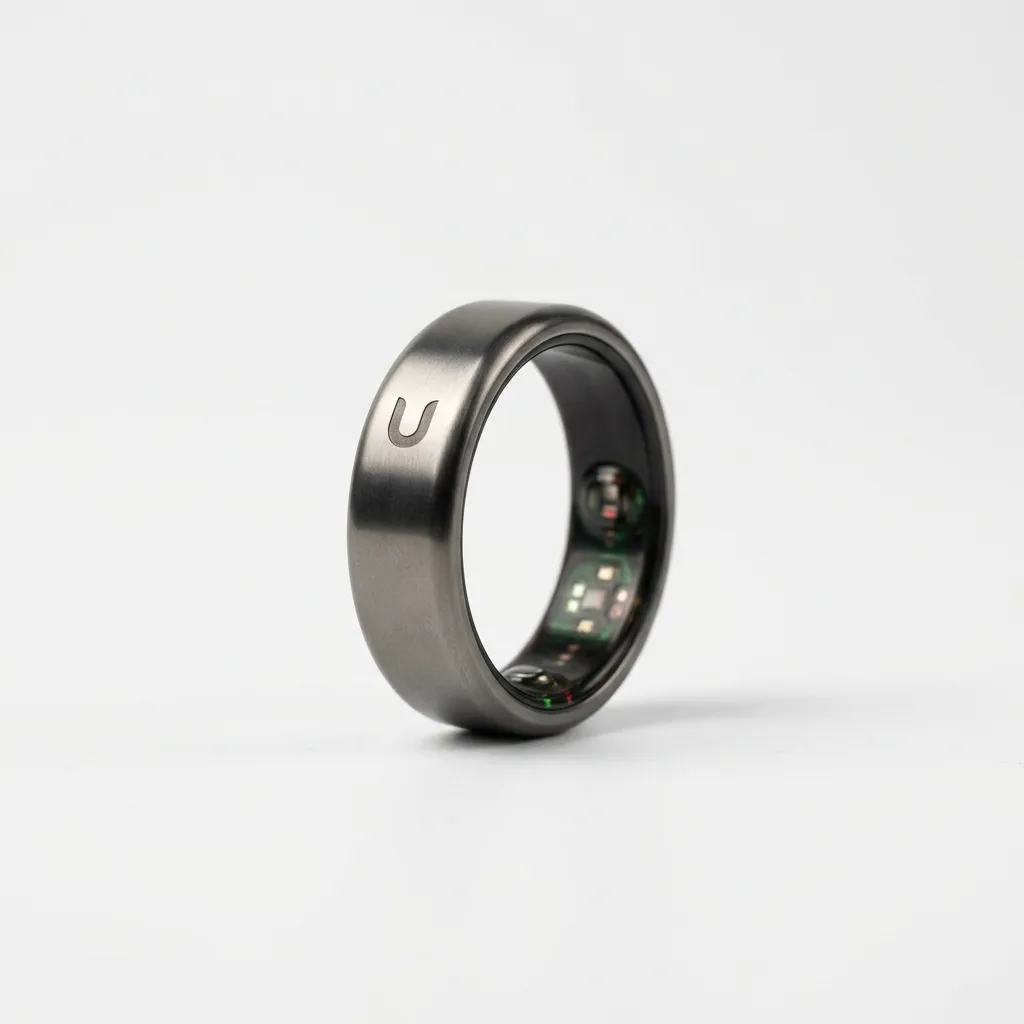
Ultrahuman Ring AIR Smart Ring
Ultra-lightweight titanium smart ring tracking sleep stages, HRV, body temperature and metabolic recovery.
- Weighs only 2.4 grams in fighter-grade titanium
- No monthly subscription fees required
WHOOP Age: a healthspan estimate
WHOOP describes Healthspan as a way to quantify your age and your pace of aging based on several core metrics from sleep, activity and fitness. The point is to translate daily habits into a long-term healthspan interpretation. PMID 35040668 PMID 32414732
This makes WHOOP Age interesting for users who want a more integrated behavior and performance-oriented model. At the same time, it is important to remember that it is still a wellness feature and not a clinically validated biological age finding. PMID 35040668 PMID 32414732
Oura Cardiovascular Age: more caral age than whole body
Oura Cardiovascular Age is more narrowly aimed at your circulation than at the entire aging process. Oura explains that the feature estimates cardiovascular age via signals used to derive pulse wave velocity-like information from nightly PPG data. PMID 32414732 PMID 19454641
In practice, this means that Oura CVA can be a useful circulatory signal, but it is not the same as an overall biological age. If you confuse the two, you will easily add more to the number than the model can carry. PMID 32414732 PMID 19454641
Apple Watch Vitals: baseline deviations, not biological age
Apple describes Vitals as an app that collects key nightly health metrics and provides context if several metrics deviate from your normal range. It is useful because it can make deviations more visible in everyday life. PMID 19454641 PMID 38897614
But Vitals is not an age score. Apple doesn't give you a biological age or a pace estimate here. The function is about discovering patterns and deviations in relation to your own baseline, which is something different than calculating how old your physiology is. PMID 19454641 PMID 38897614
Side by side comparison
When you see them side by side in the table, it becomes clear why the numbers should not be compared one to one. PMID 38897614
This is also why the correct interpretation is often more methodical than marketing-driven. PMID 38897614
Which makes sense to whom?
The best choice depends on whether you want comprehensive coaching, discreet nightly tracking or broad Apple integration. Therefore compare user profiles, not just features. PMID 38897614
The comparison works as a practical fit filter. PMID 38897614
How to avoid over-interpretation
The most common mistake is to translate a consumer metric directly into disease risk or future lifespan. This kind of direct translation is rarely legitimate. PMID 38897614
Instead, use the metric to better formulate next steps: sleep, alcohol, training load, blood pressure, weight, blood tests or medical follow-up if there are real symptoms or worrisome findings. PMID 38897614
Oura Cardiovascular Age and Pulse Wave Velocity (PWV)
In 2024, Oura launched one of the most mechanically sophisticated cardiovascular features in consumer health wearables: **Cardiovascular Age (CVA)**. The algorithm is fundamentally anchored in measuring **Pulse Wave Velocity (PWV)**, optically derived from photoplethysmography (PPG) waveforms captured across digital arterioles during consolidated deep sleep. PMID 34862365 PMID 32414732
With each ventricular contraction, a pulse wave propagates through the arterial tree. In young, compliant elastic arteries, this mechanical wave travels relatively slowly. With advancing age, vascular elastic lamina fractures, collagen cross-linking via advanced glycation end-products (AGEs) escalates, and subclinical medial calcification develops, stiffening the arterial wall and accelerating wave velocity. By pairing optically estimated PWV with cardiorespiratory fitness (Cardio Capacity), Oura calculates whether your vascular architecture resembles someone up to 10 years younger or older than your chronological birth date. PMID 34862365 PMID 32414732
Whoop Fitness Age and the Holistic Recovery Framework
Whoop employs a divergent methodology with its **Whoop Age / Fitness Age** metric. Rather than modeling arterial wave mechanics directly, Whoop benchmarks individual biometric datasets against a massive normative cohort of over 100,000 active subscribers. The model calculates functional age from four core physiological pillars: resting heart rate (RHR), nocturnal heart rate variability (HRV via RMSSD), sleep performance efficiency, and daily cardiovascular strain balance. PMID 35040668 PMID 19454641
If a 45-year-old individual maintains a resting heart rate of 48 bpm and a baseline nocturnal RMSSD of 75 ms, Whoop machine learning models categorize the user as possessing a autonomic and cardiovascular signature matching an average 30-year-old athlete. Whoop Age functions as an insightful indicator of **autonomic fitness and aerobic conditioning**, though it does not capture intrinsic endothelial structure with vascular specificity. PMID 35040668 PMID 19454641
| Platform | Biological Age Construct | Primary Biometric Inputs | Scientific / Clinical Strength | Primary Limitation |
|---|---|---|---|---|
| Oura Ring | Cardiovascular Age (CVA, vascular age) | Pulse wave velocity (PWV), Cardio Capacity (VO2 max) | Direct surrogate for arterial compliance and structural stiffness | Optical finger transit is a proxy, not carotid-femoral tonometry |
| Whoop | Fitness Age / Physiological Age | Resting HR, nocturnal RMSSD HRV, sleep debt, strain | Excellent proxy for aerobic capacity and parasympathic reserve | Proprietary black-box algorithm lacking open peer review |
| Apple Watch | No synthetic age (Vitals & Cardio Fitness) | Estimated VO2 max, 1-min Heart Rate Recovery, Vitals | Direct clinical transparency; validated in Apple Heart Study | Lacks a single gamified 'biological age' number |
Apple Watch Vitals and Cardio Fitness: Why Apple Avoids Synthetic Age Scores
In sharp philosophical contrast to Oura and Whoop, Apple has deliberately avoided generating a single aggregate 'biological age' score. Apple clinical teams argue that composite biological ages represent unstandardized heuristics that risk inducing health anxiety or unfounded reassurance. PMID 19454641 PMID 38897614
Instead, Apple Watch prioritizes raw, medically validated survival markers recognized across formal cardiology: 1. **Cardio Fitness (Estimated VO2 max)**: Stratified into clinical quartiles calibrated against massive epidemiological registries. 2. **Heart Rate Recovery (HRR)**: The rate of heart rate deceleration during the first 60 seconds following exercise cessation. A drop exceeding 18–25 bpm post-exertion serves as a robust independent indicator of rapid vagal reactivation and depressed cardiovascular mortality. PMID 19454641 PMID 38897614
Internal Further Reading
Read also in the same cluster
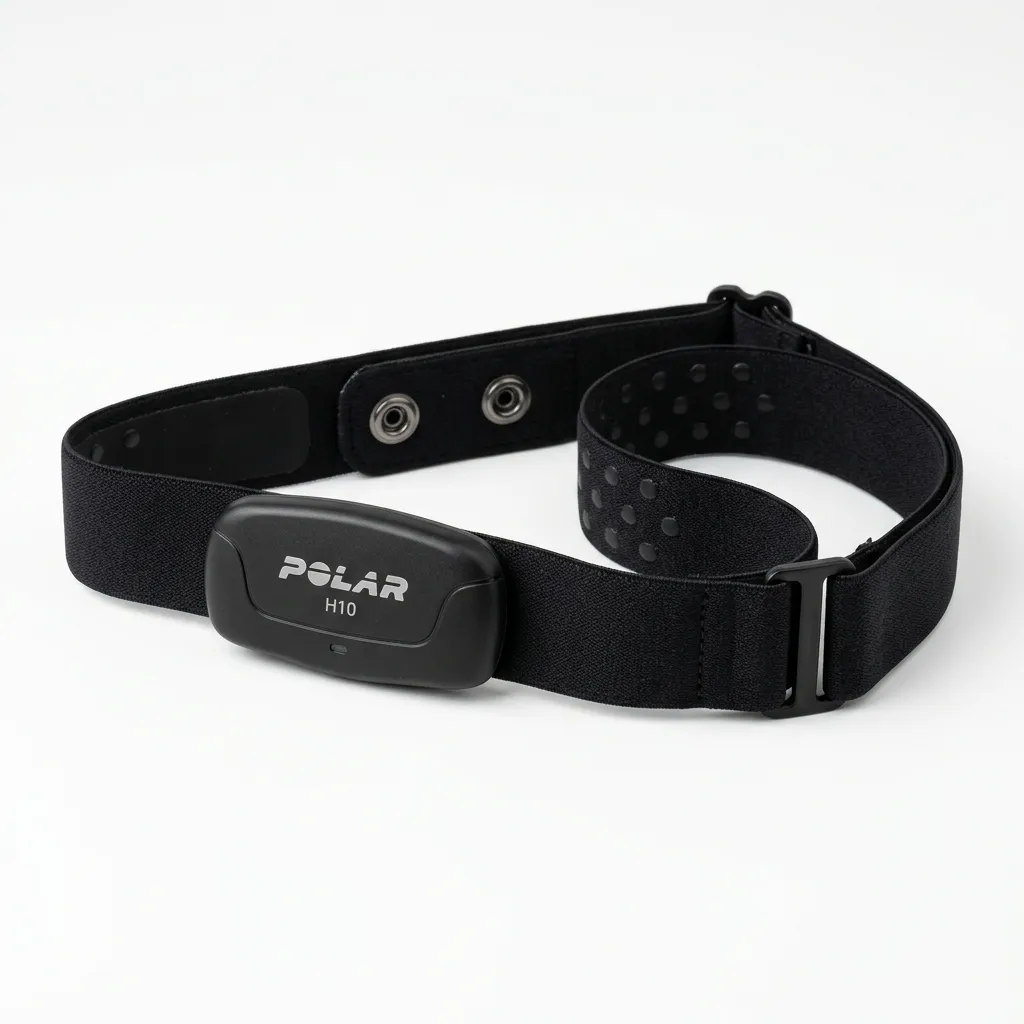
Polar H10 Heart Rate Monitor & HRV Sensor
The gold standard chest strap monitor for accurate Heart Rate Variability (HRV) and Zone 2 training.
- ECG-accurate HRV and heart rate zone tracking
- Dual Bluetooth & ANT+ connectivity
FAQ
Are WHOOP Age and Oura Cardiovascular Age the same?
No. WHOOP Age is a broader healthspan estimate, while Oura Cardiovascular Age is a more circulatory-oriented age signal.
Are Apple Watch Vitals a Biological Age?
No. Apple Watch Vitals are about deviations from your baseline in vital measurements and not about an age estimate.
Which metric is most useful?
It depends on your usage scenario. WHOOP is more coaching, Oura is more low-friction and close-to-circuit, and Apple is more baseline and ecosystem oriented.
Can they replace blood tests and physical function?
No. They can be good trend data, but they are not a substitute for blood pressure, glucose, fitness, strength or medical assessment.
What do I do if a metric gets significantly worse?
First look at context such as sleep, illness, alcohol, travel and stress. If the deterioration persists or is accompanied by symptoms, you should follow up with more classic measurements or medical assessment.
How scientifically accurate are wearable estimates of 'vascular or biological age'?
They are statistical approximations based on population datasets, not molecular measurements like DNA methylation. They evaluate functional physiology (arterial stiffness, HRV, resting pulse) and excel at monitoring individual lifestyle trajectories, but are not medical diagnostic tools.
How rapidly can one improve their Oura Cardiovascular Age?
Through consistent Zone 2 aerobic cardio, high-intensity intervals, and dietary improvements, measurable reductions in estimated pulse wave velocity and vascular stiffness can typically be observed within 6 to 12 weeks.
Which wearable delivers the most dependable signal of healthy aging?
Oura excels in assessing vascular compliance via nocturnal pulse wave velocity, whereas Apple Watch delivers superior clinical transparency regarding VO2 max and 1-minute heart rate recovery. Sustaining high cardiorespiratory fitness alongside compliant elastic arteries provides premier longevity defense.
Sources and References
- [1]
- [2]
- [3]
- [4]
Show all 5 sources (1 more)
- [5]
Editorial History
2. June 2026
First publication
Initial version was published as part of the wearables with introduction, takeaways, FAQ, and reference block.
2. June 2026
Medical review
Phrasing, caveats, and internal links were reviewed for clarity, consistency, and YMYL alignment.
2. June 2026
Latest update
WHOOP Age vs Oura Cardiovascular Age vs Apple Watch Vitals received updated metadata, reference outputs, and improved decision-support structure.

Medical Review
Medical Review and Update Process
This article has been medically reviewed by Vadim Doroshenko with a focus on clinical accuracy, sources, disclaimers, and whether the conclusions still align with current scientific evidence.

Editorial Profile
Borys Viktorovytj Riabtsev
Borys Viktorovytj Riabtsev publishes Longevity Lab as a research-backed information project on precision medicine, metabolic health, and healthy aging, utilizing rigorous sources, independent medical review, and objective YMYL communication.