Key takeaways
- Not all carbohydrates are created equal — fiber-rich whole grains, legumes and vegetables have the opposite effect of refined sugar.
- Low-carbohydrate diets can be effective for weight loss in the short term, but the long-term effect depends on the overall diet quality.
- After 50, it's more about timing and quality than total amount of carbohydrates — eat the bulk earlier in the day.
- Dietary fiber is carbohydrates that are not absorbed — 30+ grams daily is essential for metabolic health and gut flora.
Medical disclaimer: Content is for informational purposes and does not replace medical advice.
Myth: All carbs are bad after 50
This is the most widespread and most misleading myth. Carbohydrates cover an enormously varied group of nutrients — from simple sugars such as glucose and fructose to complex polysaccharides and dietary fibre. Calling all carbohydrates 'bad' is like calling all fats unhealthy because trans fats exist. In practice, it is the type and degree of processing of the carbohydrates that determine their health effect. PMID 30642438 PMID 33859164
Refined carbohydrates — white bread, sugary drinks, cakes, white pasta — are quickly absorbed and cause a rapid rise in blood sugar followed by an insulin response that can lead to hunger and a drop in energy. Whole grains, legumes, vegetables and fruit contain fiber that slows absorption, stabilizes blood sugar and feeds the intestinal bacteria. Epidemiological studies consistently show that high intake of whole grains is associated with lower risk of type 2 diabetes, cardiovascular disease and weight gain. PMID 30642438 PMID 33859164
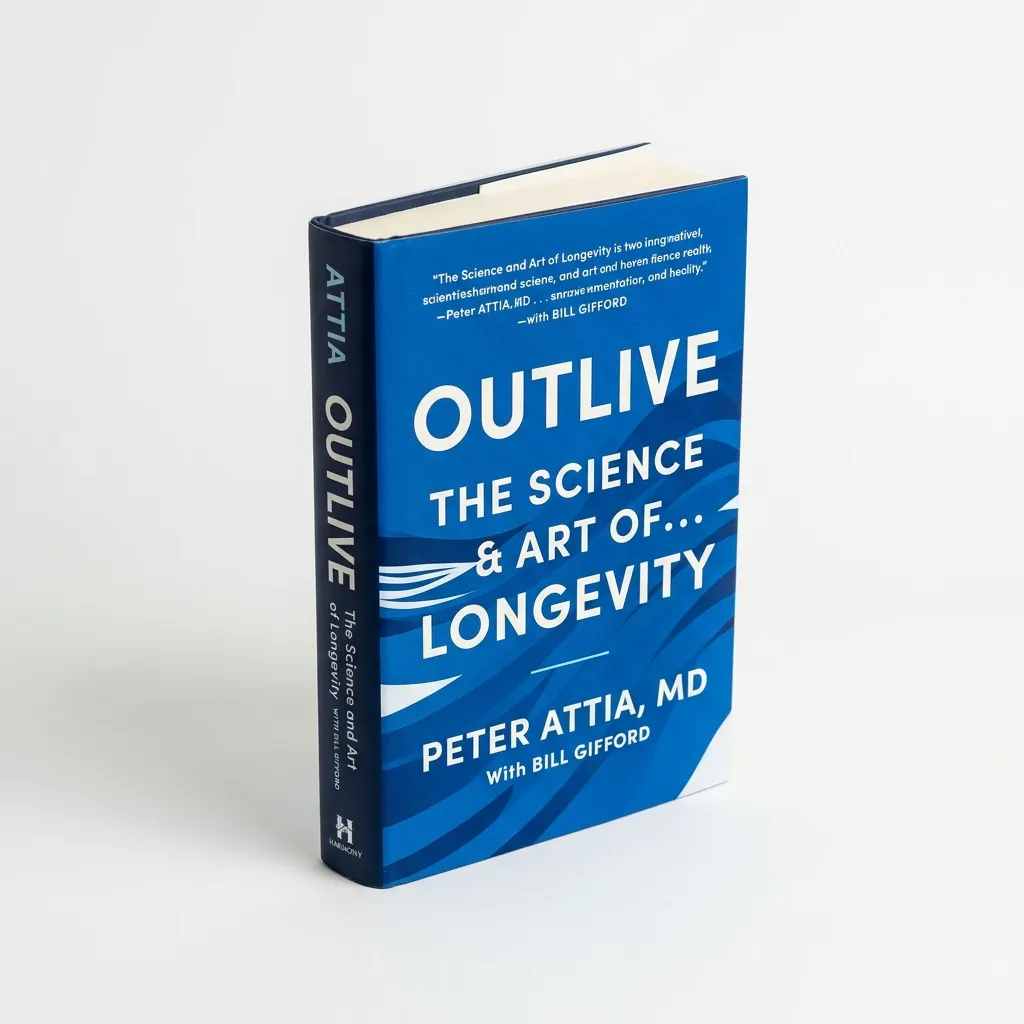
Outlive: The Science & Art of Longevity
Dr. Peter Attia's groundbreaking guide to preventive medicine, exercise for longevity, and healthy aging.
- Scientific framework for Medicine 3.0
- Actionable guide on sleep, exercise & nutrition
Fact: Insulin sensitivity decreases with age — but that doesn't mean zero carbs
It is true that insulin sensitivity decreases with age — especially after 50. Muscles become less responsive to insulin, which means the body must produce more insulin to handle the same amount of carbohydrate. This is a central part of the age-related increase in insulin resistance and metabolic syndrome. But this does not mean that the answer is to eliminate all carbohydrates from the diet. PMID 30642438 PMID 31899721
Better strategies include: eating the bulk of the day's carbohydrates earlier in the day when insulin sensitivity is highest; combining carbohydrates with protein and fat to lower the glycemic response; to move after meals — a short walk after lunch can reduce the glucose peak by 20-30%; and to prioritize fiber-rich carbohydrate sources that provide a slower and more controlled glucose response. PMID 30642438 PMID 31899721
| Carbohydrate Type | Glycemic Index & Fiber Content | Metabolic Impact After 50 | Recommended Dietary Strategy |
|---|---|---|---|
| Refined Grains & Added Sugars | High GI (> 70), low or zero fiber | Promotes rapid glucose excursions, hyperinsulinemia, and visceral fat storage | Strictly minimize or eliminate from daily dietary baseline |
| Intact Whole Grains (Oats, Rye) | Moderate GI (45–55), rich in beta-glucans | Provides sustained energy, feeds butyrate-producing bacteria, lowers LDL | Consume in controlled portions, paired with lean protein and healthy fats |
| Legumes & Pulses (Lentils, Beans) | Low GI (25–35), high resistant starch | Blunts subsequent meal glycemic response ('second-meal effect'), enhances satiety | Excellent daily staple for metabolic health and microbiome diversity |
| Fibrous Non-Starchy Vegetables | Very low GI (< 20), rich in polyphenols | Negligible glycemic impact, maximizes micronutrient density and gut volume | Unlimited intake across all main meals; consume first in meal sequence |
Myth: Low carb and keto are the best diets after 50
Low carb and ketogenic diets have shown good results for short-term weight loss — especially for people with type 2 diabetes or significant insulin resistance. The mechanism is simple: when carbohydrate intake drops drastically, insulin production drops and the body switches to fat burning. But the long-term effects are more complex. Meta-analyses show that after 12-24 months, low carb diets are no more effective for weight loss than other calorie-restricted diets. PMID 31899721 PMID 32644618 PMID 34188227
There are also potential downsides. Very low carbohydrate intake (<50 g daily) can lead to too low fiber intake, which damages the intestinal flora. Many low carb diets replace carbohydrates with animal fat, which can increase LDL cholesterol in some people. For postmenopausal women, very low-carbohydrate diets can potentially disrupt cortisol balance and exacerbate sleep problems. The best approach is individual: some benefit greatly from moderate carb reduction, while others do better with a balanced Mediterranean diet. PMID 31899721 PMID 32644618 PMID 34188227
Fact: Dietary fiber is the most important carbohydrate after 50
Dietary fibers are technically carbohydrates — but they are not absorbed in the small intestine and therefore do not directly affect blood sugar. Instead, they are fermented by the gut bacteria in the large intestine into short-chain fatty acids, which have a number of metabolic benefits: they improve insulin sensitivity, reduce inflammation, increase satiety hormones and protect the gut lining. For people over 50, fiber intake should be a top priority. PMID 33859164 PMID 34188227 PMID 35405036
The official Danish dietary guidelines recommend at least 30 grams of fiber daily, but very few people achieve this. Practical sources include rye bread, buckwheat, legumes, root vegetables, berries, nuts and seeds. A piece of rye bread provides approximately 4-5 grams of fiber, a portion of lentils approximately 8 grams, and a portion of oatmeal approximately 3 grams. Reaching 30 grams therefore requires conscious planning, but is fully achievable with a varied diet. PMID 33859164 PMID 34188227 PMID 35405036
Internal Further Reading
Read also in the same cluster

Smart Body Composition Scale
Advanced bioimpedance scale tracking muscle mass, body fat percentage, bone density and hydration.
- Tracks muscle mass & visceral fat
- Wireless sync with health apps
FAQ
Should I completely avoid bread, rice and pasta after 50?
No. Choose whole grain varieties, eat moderate portions, and combine with protein and vegetables. It's about quality and quantity — not a total ban.
How many carbs per day is appropriate after 50?
There is no universal number. For most people, 40-50% of calories from high-fiber carbohydrate sources is a good guideline. Adjust based on your activity, weight and metabolic health.
Is fruit bad because of the sugar content?
No. The fruit's sugar is bound in a matrix of fiber and water, which slows absorption. Fruit is associated with lower risk of diabetes and cardiovascular disease in population studies.
What about artificial sweeteners — are they an ok alternative?
Artificial sweeteners may be a temporary tool to reduce sugar intake, but recent research suggests they may negatively affect gut flora and insulin response. Use in moderation.
Sources and References
- [1]
- [2]
- [3]
- [4]
Show all 6 sources (2 more)
- [5]
- [6]
Editorial History
21. June 2026
First publication
Initial version was published as part of the metabolic health with introduction, takeaways, FAQ, and reference block.
21. June 2026
Medical review
Phrasing, caveats, and internal links were reviewed for clarity, consistency, and YMYL alignment.
21. June 2026
Latest update
Carbohydrates after 50 — myths and facts about carbohydrates, aging and your metabolism received updated metadata, reference outputs, and improved decision-support structure.

Medical Review
Medical Review and Update Process
This article has been medically reviewed by Vadim Doroshenko with a focus on clinical accuracy, sources, disclaimers, and whether the conclusions still align with current scientific evidence.

Editorial Profile
Borys Viktorovytj Riabtsev
Borys Viktorovytj Riabtsev publishes Longevity Lab as a research-backed information project on precision medicine, metabolic health, and healthy aging, utilizing rigorous sources, independent medical review, and objective YMYL communication.