Key takeaways
- Creatine makes the most sense after 50 and 60 as support for strength training, not as an independent anti-aging solution.
- The most practical model is often 3 to 5 grams of creatine monohydrate daily, without making loading a requirement.
- If you don't strength train, eat enough protein or can measure progress, the gains will be harder to assess.
- Brain and energy claims are interesting, but should be kept more cautious than muscle and strength claims.
Medical disclaimer: Content is for informational purposes and does not replace medical advice.
The short answer
Creatine after 50 and 60 is most relevant when the goal is to improve the quality of strength training. It can help the body with short, intensive work, so you may be able to train with a little more quality, volume or progression over time. This is precisely where the link to muscle strength and function becomes practical. NIH Office of Dietary Supplements EUR-Lex European Review of Aging and Physical Activity
It is not a shortcut to lean muscle mass. If you are not sending a training signal to the muscles, creatine is a much weaker tracer. Therefore, the article should not be read as a recommendation to start with subsidies, but as a filter for when the subsidy can be rational. NIH Office of Dietary Supplements EUR-Lex European Review of Aging and Physical Activity
| If Your Goal Is | Creatine Fits In As | It Does Not Replace |
|---|---|---|
| Increased Muscular Strength | Anabolic ergogenic support for progressive resistance training | A structured resistance program with mechanical load and proper technique |
| Enhanced Muscle Mass Reserve | A supportive adjunct layered on adequate protein and progressive overload | Sufficient total daily protein, caloric intake, and systemic recovery |
| Greater Daily Energy | Cellular bioenergetic ATP resynthesis during short, high-intensity exertion | Restorative sleep, clinical medical evaluation, and medication review |
| Cognitive Stamina & Brain Health | A promising, neuroprotective avenue for cerebral bioenergetics | Formal medical evaluation when experiencing cognitive decline |
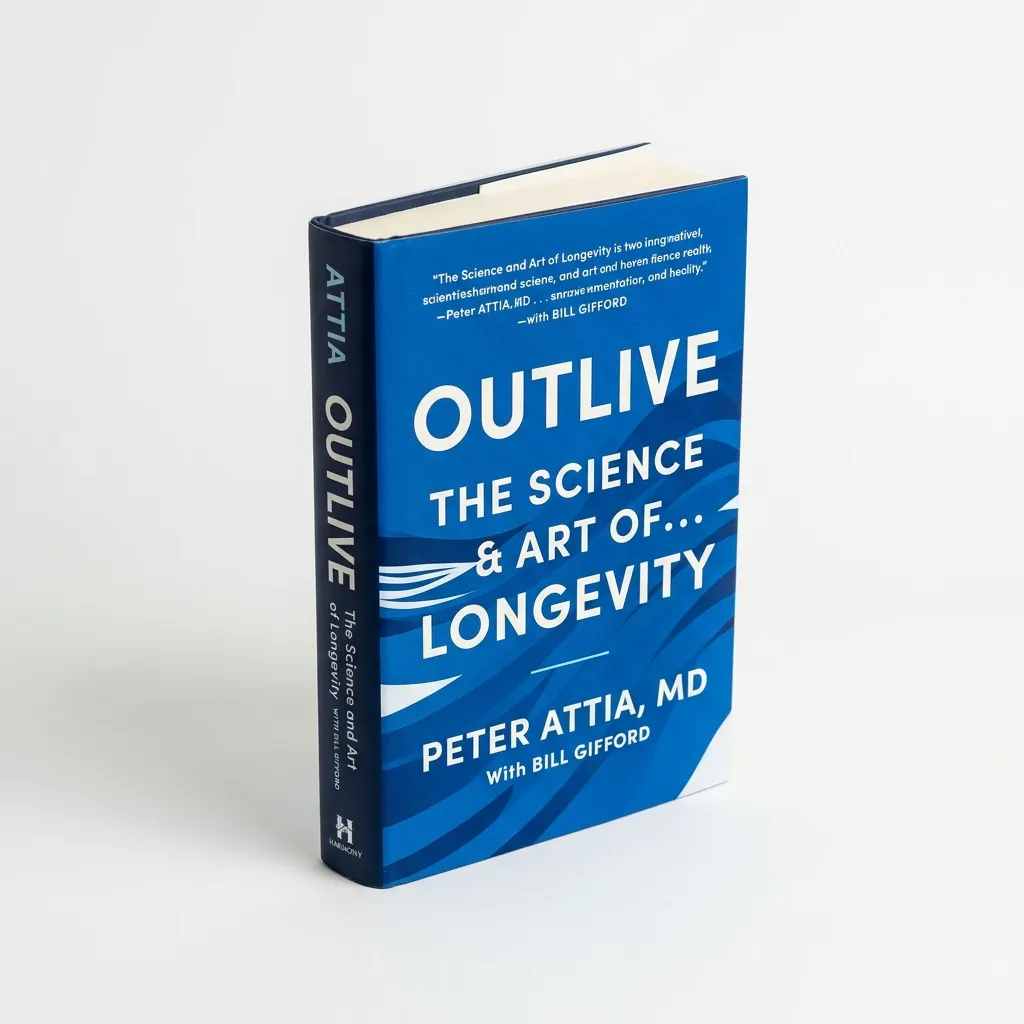
Outlive: The Science & Art of Longevity
Dr. Peter Attia's groundbreaking guide to preventive medicine, exercise for longevity, and healthy aging.
- Scientific framework for Medicine 3.0
- Actionable guide on sleep, exercise & nutrition
Where creatine fits into healthy aging
In healthy ageing, the most important thing is not whether a supplement sounds advanced. The most important thing is whether it helps with something that actually matters in everyday life: getting up easier, carrying groceries, maintaining strength in the legs, rebuilding after illness and continuing training without stopping. EUR-Lex European Review of Aging and Physical Activity
Creatine is interesting here because it fits the same practical tracks as muscle mass, grip strength, protein and VO2 max. It is not a competitor to those topics. It is a possible support layer when the foundation is already on the way. EUR-Lex European Review of Aging and Physical Activity
What 3 grams a day means
In the EU, the approved health claim is narrowly worded: daily creatine can enhance the effect of strength training on muscle strength in adults over 55 when combined with regular strength training. It is an important wording because it does not say that creatine alone builds function. NIH Office of Dietary Supplements EUR-Lex Mayo Clinic Journal of the International Society of Sports Nutrition
In practice, many use 3 to 5 grams of creatine monohydrate daily. Some protocols use a short loading phase, but for average adults it is often less important than taking a single dose consistently and pairing it with exercise. The boring choice is often the best: creatine monohydrate, fixed routine and a clear evaluation period. NIH Office of Dietary Supplements EUR-Lex Mayo Clinic Journal of the International Society of Sports Nutrition
Brains and energy: promising, but not the main argument
Creatine is mentioned more often in conversations about the brain, mental energy and aging. It is biologically plausible because creatine is part of energy systems and because the brain also uses energy intensively. But the evidence for cognition in the elderly is still narrower and more uncertain than the evidence for exercise and strength. Mayo Clinic Journal of the International Society of Sports Nutrition Nutrition Reviews
Therefore, brain claims should not be the reason to buy expensively or promise yourself a great mental effect. If the goal is cognitive robustness, sleep, physical activity, blood pressure, hearing, social contact and disease treatment are still far more central clues. Creatine can be interesting, but not as a conclusion. Mayo Clinic Journal of the International Society of Sports Nutrition Nutrition Reviews
Safety, blood tests and kidney confusion
In healthy adults, creatine monohydrate is generally described as a well-documented and relatively safe supplement at typical doses. But that doesn't mean context doesn't matter. People with known kidney disease, complicated medications, active disease, or unclear blood tests should not use general supplement logic as a substitute for professional judgment. NIH Office of Dietary Supplements Mayo Clinic Journal of the International Society of Sports Nutrition
A practical problem is creatinine. Creatine can affect how some kidney markers look because creatinine is linked to creatine metabolism. This does not automatically mean kidney damage, but it can make the interpretation more confusing. That's why it's smart to tell the doctor about the supplement if you get blood tests. NIH Office of Dietary Supplements Mayo Clinic Journal of the International Society of Sports Nutrition
A practical 8 to 12 week trial
If you want to test creatine, do it as a small experiment with a clear plan. Choose two to three strength sessions per week, keep protein and sleep fairly stable, and track a few markers: load, reps, grip strength, body weight, and how everyday function feels. NIH Office of Dietary Supplements EUR-Lex European Review of Aging and Physical Activity
The most important thing is to avoid supplementary noise. If everything else changes at the same time, you can't tell what the creatine did. If nothing in the training changes, there is not much to evaluate either. The best test is therefore boring, repeatable and easy to stop again. NIH Office of Dietary Supplements EUR-Lex European Review of Aging and Physical Activity
Internal Further Reading
Read also in the same cluster
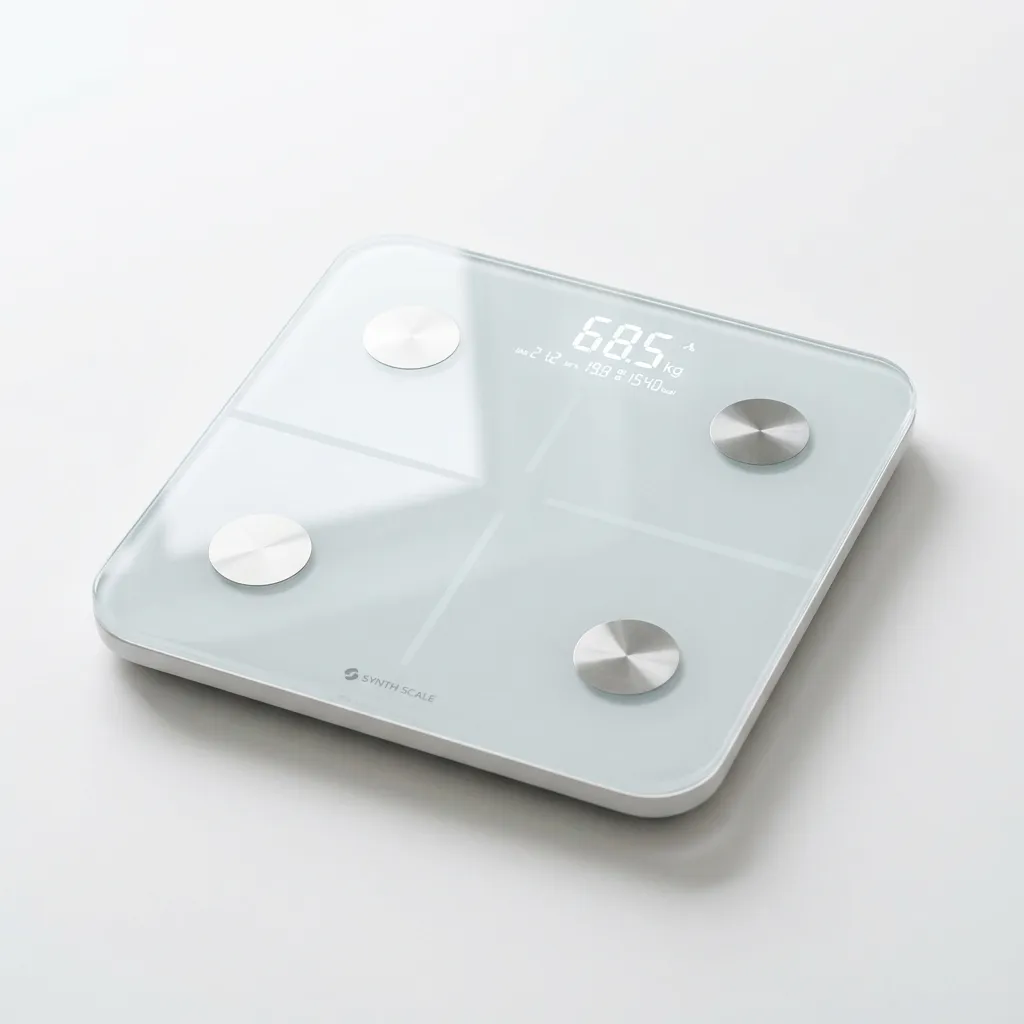
Smart Body Composition Scale
Advanced bioimpedance scale tracking muscle mass, body fat percentage, bone density and hydration.
- Tracks muscle mass & visceral fat
- Wireless sync with health apps
FAQ
Is creatine after 60 a good idea?
It may be a good idea for some, especially if combined with regular strength training and enough protein. It is less obvious without a training plan.
Do I have to take the loading phase?
Not necessarily. Many can start simply with 3 to 5 grams of creatine monohydrate daily and evaluate over 8 to 12 weeks.
Does creatine build muscle on its own?
No. Creatine can support training quality and adaptation, but muscle building requires load, protein and recovery.
Is creatine dangerous for the kidneys?
In healthy adults, typical use is generally described as safe, but known kidney disease, medication or unclear blood tests should be assessed professionally.
Does creatine help the brain?
It is an interesting research track, but the evidence in the elderly is still more uncertain than for strength and training. It should not be sold as a safe brain effect.
Sources and References
- [1]
- [2]
- [3]
- [4]
Editorial History
1. May 2026
First publication
Initial version was published as part of the healthy aging with introduction, takeaways, FAQ, and reference block.
1. May 2026
Medical review
Phrasing, caveats, and internal links were reviewed for clarity, consistency, and YMYL alignment.
1. May 2026
Latest update
Creatine after 50 and 60 received updated metadata, reference outputs, and improved decision-support structure.

Medical Review
Medical Review and Update Process
This article has been medically reviewed by Vadim Doroshenko with a focus on clinical accuracy, sources, disclaimers, and whether the conclusions still align with current scientific evidence.

Editorial Profile
Borys Viktorovytj Riabtsev
Borys Viktorovytj Riabtsev publishes Longevity Lab as a research-backed information project on precision medicine, metabolic health, and healthy aging, utilizing rigorous sources, independent medical review, and objective YMYL communication.