Key takeaways
- Rapamycin is interesting in terms of research, but is not a drug field for casual self-examination without a clinical setting.
- If the goal is healthy aging, muscle mass, strength, protein and function must still outweigh the fascination of a single molecule.
- The most important filter is not hype, but who is followed, what is measured and what risks are accepted.
- For many users, the biggest gains will still come from exercise, sleep, body composition and metabolic control before pharmacological experimentation.
Medical disclaimer: Content is for informational purposes and does not replace medical advice.
Why rapamycin takes up so much space in longevity
Rapamycin has become a key word in geroscience because the substance is associated with mTOR signaling, age biology and attempts to influence biological processes behind disease and loss of function. This gives the subject a completely different appeal than ordinary nutritional supplements. PMID 19587680 PMID 22461498
But it is also an example of a field where research interest quickly turns into consumer stories. This makes sober communication important, because otherwise the reader easily confuses promising mechanisms with broad, sure human gains. PMID 19587680 PMID 22461498

Smart Body Composition Scale
Advanced bioimpedance scale tracking muscle mass, body fat percentage, bone density and hydration.
- Tracks muscle mass & visceral fat
- Wireless sync with health apps
What the data on muscle mass and function actually point to
The most interesting thing in 2026 is not just whether rapamycin can be linked to longevity in models, but whether clinical signals around muscle mass, function and vascular health are robust enough to justify real attention. This is precisely where the topic becomes more practical and less philosophical. PMID 22461498 PMID 25540326
Even if individual protocols look promising, they should still be assessed in the context of age, disease profile, medication profile and which endpoints actually matter in everyday life. Muscle preservation, recovery, infection tolerance and overall function are more important than being able to say you follow a trendy longevity track. PMID 22461498 PMID 25540326
Why muscle mass must always be included in the assessment
Many longevity tracks become too theoretical. In practice, muscle mass and strength are some of the most concrete things to protect, because loss of reserve affects balance, physical freedom, disease tolerance and recovery throughout the entire aging process. PMID 25540326 PMID 23467647
This means that a rapamycin trace should never be evaluated in isolation. If the user loses appetite, exercises less, eats too little protein or cannot explain how function is maintained, the program is already methodologically weak. PMID 25540326 PMID 23467647
Who should be extra careful
The more clinical a subject is, the more important screening becomes. Rapamycin is not an obvious place to start for users with unexplained disease, planned surgery, many concomitant medications, or very low reserve. PMID 23467647 Lægemiddelstyrelsen
It's also a bad field for people who are really just looking for an anti-aging shortcut. When the motivation is quick promises instead of systematic assessment, the risk of bad decisions becomes significantly greater. PMID 23467647 Lægemiddelstyrelsen
A better filter than biohacker hype
The best filter is to ask if a rapamycin trail realistically improves a weak link in your health picture. If you still lack strength, conditioning, stable sleep, weight control or protein structure, it is often more rational to lift the basic systems first. Lægemiddelstyrelsen
This is precisely where good SEO and good editorial practice overlap. The best article should not make the reader feel left behind, but ask the right questions about risk, benefit and proportion. Lægemiddelstyrelsen
The mTOR signaling axis in longevity: The mTORC1 versus mTORC2 dichotomy
Rapamycin (sirolimus), a bacterial macrolide initially isolated from *Streptomyces hygroscopicus* in the soil of Easter Island (Rapa Nui), remains the most reliable and robust pharmacological longevity agent identified in mammalian biology. In the National Institute on Aging's Interventions Testing Program (ITP), rapamycin has repeatedly extended median and maximal lifespan in genetically diverse mice by 10 to 25%—even when administration is initiated late in life. PMID 19587680 PMID 22461498 PMID 23467647
The compound exerts its actions via inhibition of **mTOR (mechanistic target of rapamycin)**, an evolutionarily conserved serine/threonine kinase that serves as the master cellular hub coordinating nutrient availability, amino acid sensing (particularly leucine), and protein translation. PMID 19587680 PMID 22461498 PMID 23467647
Navigating rapamycin's clinical promise versus its toxicological profile requires distinguishing its two distinct multiprotein complexes: PMID 19587680 PMID 22461498 PMID 23467647
• **mTORC1 (mTOR Complex 1)**: Highly sensitive to low-dose rapamycin. When nutrients are abundant, mTORC1 stimulates ribosome biogenesis and anabolism while vigorously repressing macroautophagy (cellular waste clearance). Selective intermittent inhibition of mTORC1 unleashes autophagic recycling and decelerates biological decay. PMID 19587680 PMID 22461498 PMID 23467647
• **mTORC2 (mTOR Complex 2)**: Insensitive to acute rapamycin. However, chronic unremitting daily exposure sequesters free mTOR protein, eventually precluding the assembly of new mTORC2 complexes. Sustained mTORC2 blockade produces adverse metabolic sequelae: severe peripheral insulin resistance, blunted glucose clearance, hepatic steatosis, and dyslipidemia. PMID 19587680 PMID 22461498 PMID 23467647
Intermittent pulse kinetics: Preserving skeletal muscle and preventing sarcopenia
A fundamental dilemma in clinical longevity medicine is skeletal muscle preservation. Muscle mass, contractile quality, and functional strength represent the strongest phenotypic predictors of longevity and functional independence in older age. Preserving and building skeletal muscle requires muscle protein synthesis (MPS), a physiological process driven by episodic mTORC1 activation following resistance exercise and dietary protein ingestion. PMID 22461498 PMID 25540326 PMID 23467647
If an individual inhibits mTORC1 continuously 24 hours a day, muscle protein synthesis is blunted, precipitating disuse atrophy and accelerated sarcopenia. PMID 22461498 PMID 25540326 PMID 23467647
The interventional solution, pioneered by biogerontologists such as Mikhail Blagosklonny and Matt Kaeberlein, is **intermittent weekly pulsed dosing**: Rather than continuous daily immunosuppressive dosing (e.g. 1–2 mg daily), longevity protocols deploy a single weekly dose of **3 to 6 mg once every 7 days**. PMID 22461498 PMID 25540326 PMID 23467647
Given rapamycin's ~60-hour terminal elimination half-life, a weekly bolus establishes a sharp peak that robustly suppresses mTORC1 and triggers widespread autophagic clearance for 24–48 hours, followed by rapid drug clearance. PMID 22461498 PMID 25540326 PMID 23467647
By days 4 through 7 of the cycle, mTORC1 and mTORC2 signaling fully recover. Scheduling progressive resistance exercise and protein meals during this trough preserves muscle protein synthesis. Preclinical models indicate that intermittent pulsed rapamycin paradoxically *protects* against sarcopenia by purging damaged mitochondria and restoring the regenerative capacity of quiescent muscle satellite cells. PMID 22461498 PMID 25540326 PMID 23467647
Adverse events, mandatory biomarker panels, and clinical prescription status
While weekly pulsed protocols eliminate the severe toxicities seen in transplant regimens, rapamycin remains a potent immunomodulatory pharmaceutical requiring rigorous medical oversight: PMID 25540326 Lægemiddelstyrelsen
The most prevalent adverse effect of pulsed therapy is **aphthous stomatitis** (transient mouth ulcers), alongside modest transient elevations in circulating fasting lipids (ApoB, triglycerides) due to altered hepatic lipoprotein processing. At the onset of any acute systemic bacterial infection, therapy must be immediately interrupted. PMID 25540326 Lægemiddelstyrelsen
Standard safety monitoring mandates baseline and quarterly blood work: comprehensive blood counts (excluding leukopenia or thrombocytopenia), fasting blood glucose and HbA1c, an advanced lipid panel (ApoB, LDL-P, triglycerides), alongside hepatic transaminases (ALT, AST) and renal biomarkers (creatinine/eGFR). PMID 25540326 Lægemiddelstyrelsen
In European jurisdictions including Denmark, sirolimus (Rapamune) is a **strictly controlled prescription-only medication (Utleveringsgruppe A)**, authorized exclusively for the prevention of organ rejection in renal transplantation. Off-label utilization for longevity constitutes experimental therapy requiring informed consent and must never be procured via unverified online channels. PMID 25540326 Lægemiddelstyrelsen
| Clinical Dimension | Continuous Transplant Regimen (Daily) | Longevity Intermittent Protocol (Weekly Pulse) | Impact on Muscle Physiology & Healthspan |
|---|---|---|---|
| mTORC1 Modulation | Uninterrupted 24/7 suppression | Acute inhibition for 24–48 hours followed by full clearance | Pulses induce autophagy without suppressing muscle protein synthesis |
| mTORC2 Modulation | Marked chronic inhibition (assembly disruption) | Preserved intact; negligible impact on mTORC2 | Averts systemic insulin resistance and dysglycemia |
| Muscle Hypertrophy (MPS) | Blunted; elevated risk of muscular wasting | Preserved; resistance training aligned with trough days 4–7 | Safeguards functional strength and counteracts sarcopenic frailty |
| Immune Competence | Broad immunosuppression to avert allograft rejection | Rejuvenating immunomodulation; enhanced vaccine responses | Mannick et al. demonstrated enhanced antiviral response in elderly cohorts |
| Adverse Effect Profile | Infections, anemia, nephrotoxicity, severe dyslipidemia | Mild (predominantly transient mouth ulcers, minor lipid shifts) | Substantially higher safety index; nonetheless necessitates clinical supervision |
Internal Further Reading
Read also in the same cluster
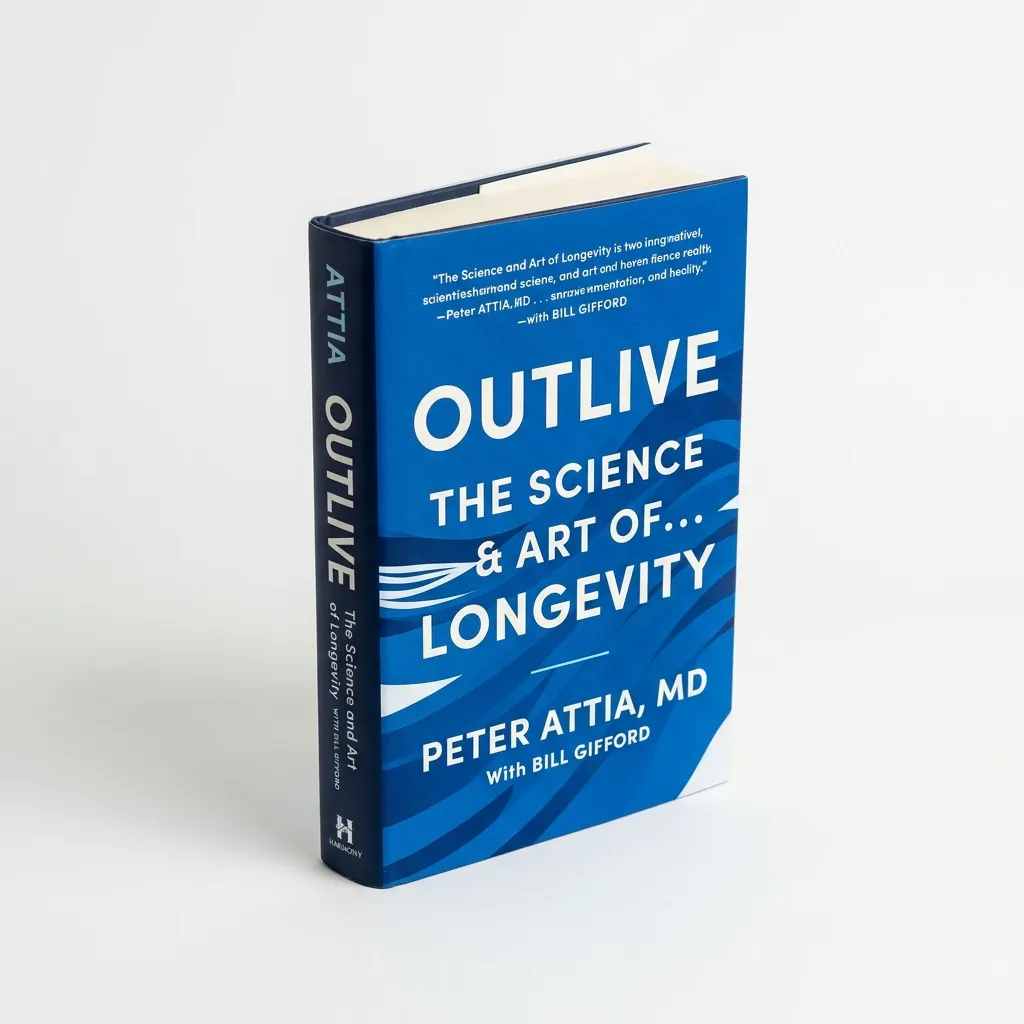
Outlive: The Science & Art of Longevity
Dr. Peter Attia's groundbreaking guide to preventive medicine, exercise for longevity, and healthy aging.
- Scientific framework for Medicine 3.0
- Actionable guide on sleep, exercise & nutrition
FAQ
Is rapamycin documented as a standard strategy for healthy aging?
No. The substance is interesting from a research point of view, but it is not a broad, uncomplicated standard track for the general population.
Why is muscle mass so important in this conversation?
Because healthy aging is about functional reserve. If muscle mass, strength and physical capacity deteriorate, a longevity program is already less valuable.
Is rapamycin a dietary supplement?
No. This is precisely why the subject should be treated with far greater caution than ordinary supplement tracks.
What should be assessed before even considering the subject?
Goals, risk profile, medication, function, muscle status and whether there is clinical follow-up with clear measurements.
Which often makes more sense first?
For many, strength training, protein, Zone 2, sleep and metabolic stability provide more demonstrable value than starting with an advanced pharmacological track.
Why does weekly pulsed rapamycin not trigger skeletal muscle loss?
With a weekly pulse (e.g., 3 to 6 mg once every 7 days), rapamycin suppresses mTORC1 for only 24 to 48 hours to induce autophagy. Over days 4 to 7, circulating drug levels drop below the threshold, allowing full reactivation of mTORC1 and muscle protein synthesis during resistance workouts.
What are the most frequent adverse effects of low-dose pulsed rapamycin?
The most common side effect is transient aphthous mouth ulcers (stomatitis), which typically resolve spontaneously. Mild increases in circulating triglycerides and ApoB can occur, underscoring the necessity of serial clinical blood monitoring.
Can rapamycin be prescribed for longevity in Denmark?
Not under statutory public healthcare. Sirolimus is a tightly controlled prescription pharmaceutical approved strictly for renal organ transplant rejection. Off-label longevity utilization is restricted to specialized private medical research settings requiring rigorous clinical oversight.
Sources and References
- [1]
- [2]
- [3]
- [4]
Show all 5 sources (1 more)
- [5]
Editorial History
17. April 2026
First publication
Initial version was published as part of the healthy aging with introduction, takeaways, FAQ, and reference block.
17. April 2026
Medical review
Phrasing, caveats, and internal links were reviewed for clarity, consistency, and YMYL alignment.
4. July 2026
Latest update
Rapamycin and muscle mass received updated metadata, reference outputs, and improved decision-support structure.

Medical Review
Medical Review and Update Process
This article has been medically reviewed by Vadim Doroshenko with a focus on clinical accuracy, sources, disclaimers, and whether the conclusions still align with current scientific evidence.

Editorial Profile
Borys Viktorovytj Riabtsev
Borys Viktorovytj Riabtsev publishes Longevity Lab as a research-backed information project on precision medicine, metabolic health, and healthy aging, utilizing rigorous sources, independent medical review, and objective YMYL communication.