Key takeaways
- Neuroinflammation is a chronic inflammatory state within the brain that destroys synapses and drives cognitive decline.
- Microglia are the brain's primary immune cells; under chronic stress, they transition from protective M2 to destructive M1 phenotype.
- A damaged blood-brain barrier (BBB) allows systemic inflammatory markers such as IL-6, TNF-alpha, and gut LPS to enter brain tissue.
- The gut-brain axis means intestinal permeability (leaky gut) directly fuels neuroinflammation via vagal and circulatory pathways.
- Magnesium L-threonate and glycinate support BBB integrity and attenuate excessive NMDA receptor excitotoxicity.
- Photobiomodulation (near-infrared 850nm light) is absorbed by mitochondrial cytochrome c oxidase, inhibiting neuroinflammatory cascades.
Medical disclaimer: Content is for informational purposes and does not replace medical advice.
What is Neuroinflammation and How Does It Differ From Systemic Inflammation?
Systemic inflammation represents the body's immune response to injury or infection in peripheral tissues like muscle, skin, and joints. Neuroinflammation refers specifically to inflammatory cascades occurring within the central nervous system (the brain and spinal cord). PMID 25792098 PMID 27540164
The brain is encased by the blood-brain barrier (BBB), a specialized layer of endothelial cells and astrocytic end-feet that normally prevents immune cells and circulating toxins from entering brain parenchyma. When inflammation occurs within the brain, it is mediated by resident immune cells called microglia and astrocytes. Under chronic activation, these cells release inflammatory cytokines (such as TNF-alpha, IL-1beta, and IL-6) that damage synapses and inhibit long-term potentiation. PMID 25792098 PMID 27540164
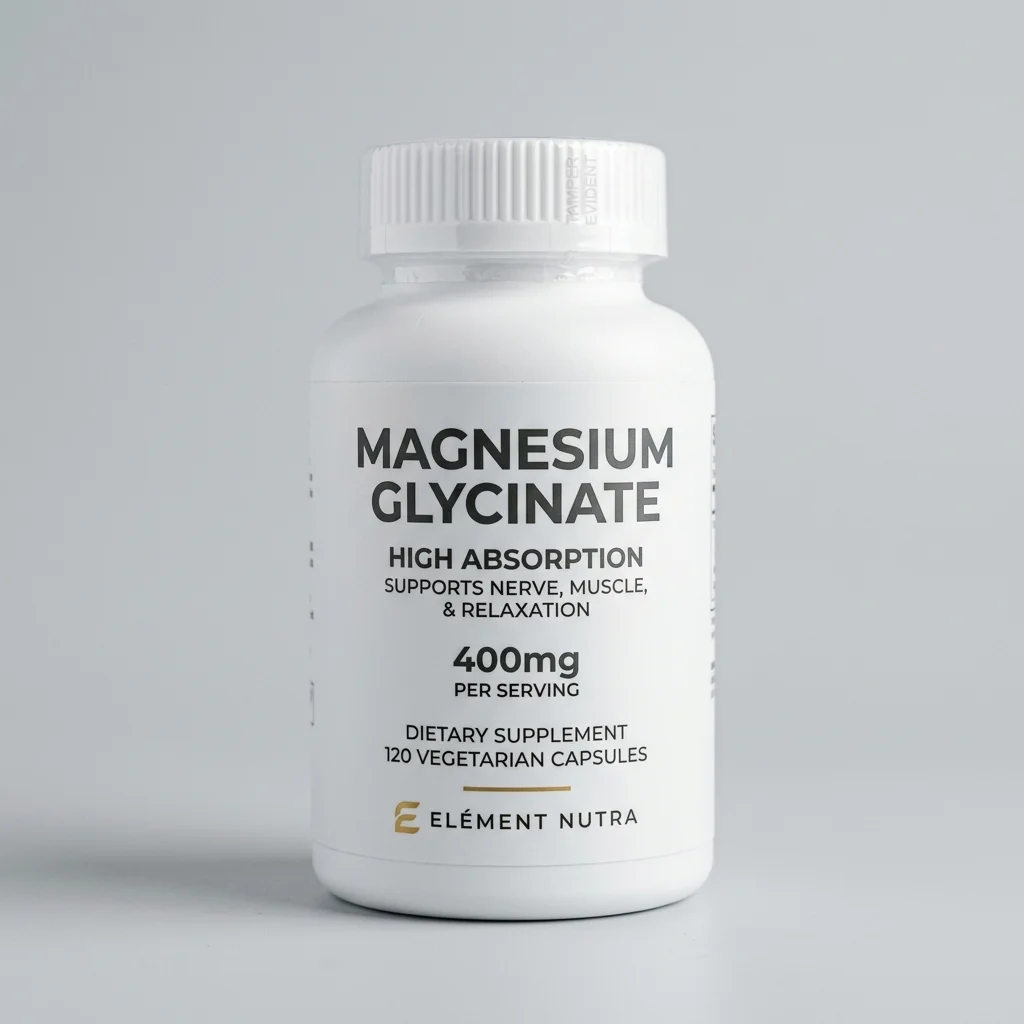
Magnesium Glycinate 400mg Capsules
Highly bioavailable chelated magnesium bound to glycine for maximum sleep and muscle absorption.
- Activates central GABA receptors for deep sleep
- Gentle on the stomach with superior bioavailability
Microglia: Transitioning From M2 Repair to Destructive M1 Priming
Microglia comprise roughly 10-15% of all glial cells in the brain, functioning as the central nervous system's defense and maintenance team. In their healthy, resting state (M2 phenotype), they survey brain tissue, clear cellular debris, prune weak synapses, and secrete neurotrophic factors like BDNF. PMID 34149392 PMID 25732943
Upon exposure to chronic stress, elevated blood glucose, air pollution, or microbial toxins (LPS), microglia become 'primed' and shift to a pro-inflammatory M1 phenotype. In this state, clearance functions cease, and they begin attacking viable neurons and destroying functional synaptic connections — manifesting clinically as brain fog, slow processing speed, and mental fatigue. PMID 34149392 PMID 25732943
The Blood-Brain Barrier and the Gut-Brain Axis: The Invisible Leak
A major breakthrough in neuro-immunology is the link between gut health and neuroinflammation. In cases of intestinal permeability ('leaky gut'), bacterial endotoxins (lipopolysaccharides, LPS) escape into systemic circulation. PMID 29377008 PMID 31462232
These inflammatory agents degrade tight junction proteins in the blood-brain barrier (such as zonula occludens-1 and occludin), making the barrier permeable. Once circulating LPS and cytokines cross the compromised BBB, they activate microglial Toll-like receptors, triggering neuroinflammation. A healthy gut lining is therefore a non-negotiable prerequisite for a clear, healthy brain. PMID 29377008 PMID 31462232
Environmental Toxins, Pollution, and Mold: External Triggers of Brain Inflammation
In addition to diet and gut health, the brain's immune system is heavily influenced by environmental exposures. Fine particulate matter from vehicle exhaust and industrial emissions (PM2.5) can be inhaled and travel along the olfactory nerve directly into the olfactory bulb, bypassing the blood-brain barrier entirely. PMID 27540163 PMID 27540164
Similarly, mycotoxins from water-damaged indoor environments and heavy metal bioaccumulation (such as lead or mercury) trigger persistent microglial and astrocytic activation. Optimizing indoor air quality with HEPA filtration and reducing toxic exposures are crucial elements of neuro-longevity. PMID 27540163 PMID 27540164
Evidence-Based Protocols to Mitigate Neuroinflammation: Nutrients and Light
Mitigating neuroinflammation requires a multi-pronged approach that quells inflammatory sources while strengthening cellular defense mechanisms. PMID 29377008 PMID 18568016
Effective intervention strategies include: 1) Therapeutic supplementation with bioavailable Magnesium (glycinate or L-threonate) to attenuate NMDA receptor excitotoxicity; 2) High-dose Omega-3 fatty acids (DHA/EPA) to generate specialized pro-resolving mediators (SPMs); 3) Transcranial near-infrared photobiomodulation (850nm light) to boost mitochondrial ATP synthesis in glial cells; 4) Eliminating ultra-processed sugars and deploying HEPA air purifiers at home. PMID 29377008 PMID 18568016
Internal Further Reading
Read also in the same cluster
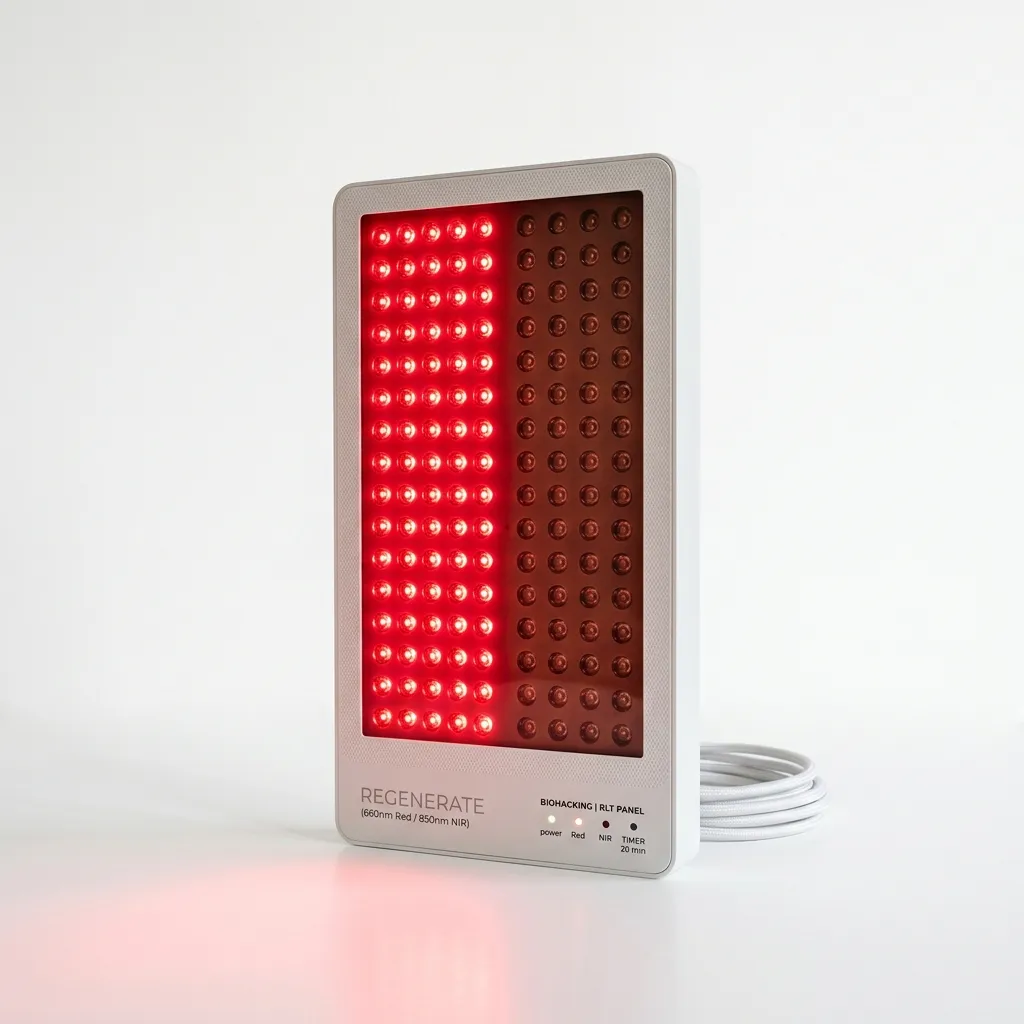
Red Light Therapy Panel (660nm / 850nm)
Clinically proven red and near-infrared light therapy for cellular energy, skin health and recovery.
- Dual wavelength (660nm Red + 850nm NIR)
- Stimulates mitochondrial ATP production
FAQ
What are the most common signs of neuroinflammation?
Common symptoms include persistent brain fog, impaired working memory, unexplained mental fatigue, lack of motivation, mood swings, and sensory overload.
Can neuroinflammation be measured in a blood test?
Systemic inflammatory markers like hs-CRP, IL-6, and TNF-alpha indicate general systemic inflammation. Specific brain injury markers such as Neurofilament Light Chain (NfL) are increasingly used in precision medicine.
Can damage from neuroinflammation be reversed?
Yes. The brain retains remarkable neuroplasticity and regenerative capacity. When inflammatory triggers are removed and microglia shift back to the M2 phenotype, synaptic connections can be restored.
Sources and References
- [1]
- [2]
- [3]
- [4]
Show all 8 sources (4 more)
- [5]
- [6]
- [7]
- [8]
Editorial History
7. august 2026
Første publicering
Første version blev publiceret som del af healthy aging med intro, takeaways, FAQ og referenceblok.
7. august 2026
Faglig gennemgang
Formuleringer, forbehold og interne links blev gennemgået for klarhed, konsistens og YMYL-tydelighed.
7. august 2026
Seneste opdatering
Neuroinflammation and Brain Aging (2026) fik opdaterede metadata, referenceoutput og forbedret beslutningsnær struktur.

Medical Review
Medical Review and Update Process
This article has been medically reviewed by Vadim Doroshenko with a focus on clinical accuracy, sources, disclaimers, and whether the conclusions still align with current scientific evidence.

Editorial Profile
Borys Viktorovytj Riabtsev
Borys Viktorovytj Riabtsev publishes Longevity Lab as a research-backed information project on precision medicine, metabolic health, and healthy aging, utilizing rigorous sources, independent medical review, and objective YMYL communication.