Key takeaways
- GI Genius is interesting because it shows AI as clinical support in a concrete workflow.
- Such examples make precision medicine easier to understand for general readers.
- AI in health makes the most sense when described as decision support rather than replacing clinicians.
- The practical value lies in better workflow and clearer detection, not in science fiction.
Medical disclaimer: Content is for informational purposes and does not replace medical advice.
What GI Genius actually does during an investigation
GI Genius is used as AI-assisted support during endoscopic procedures, where the system helps point out findings that might otherwise be overlooked. It is therefore a good example of how AI can improve attention and detection in a limited clinical situation. PMID 31585124 PMID 24693890
Precisely that demarcation is important. The value does not come from AI becoming a new doctor. The value comes from the fact that it can elevate a certain part of an investigation if used correctly. PMID 31585124 PMID 24693890
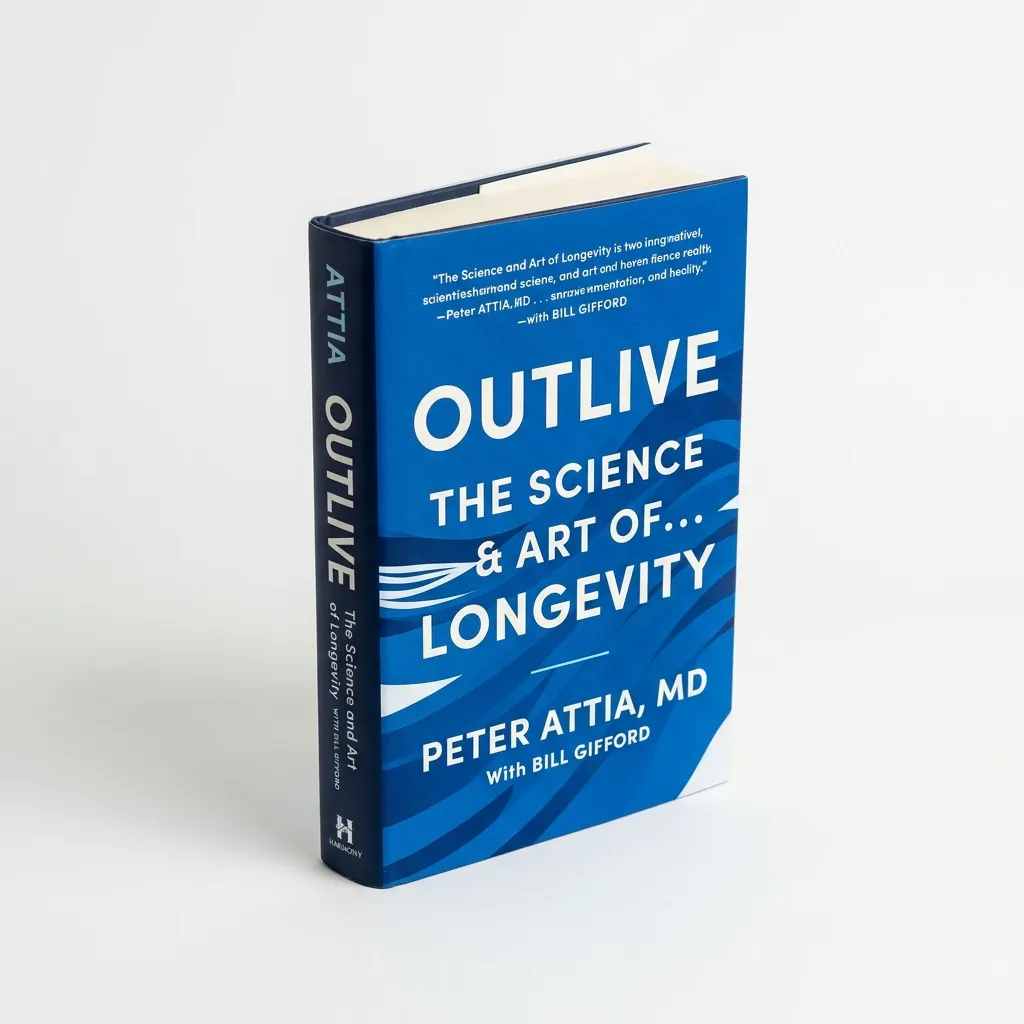
Outlive: The Science & Art of Longevity
Dr. Peter Attia's groundbreaking guide to preventive medicine, exercise for longevity, and healthy aging.
- Scientific framework for Medicine 3.0
- Actionable guide on sleep, exercise & nutrition
What it can mean for the patient
For the patient, the most relevant question is whether the technology can contribute to better quality and less risk of overlooked findings. It is a more down-to-earth benefit than blanket promises of digital transformation. PMID 24693890 PMID 31775168
At the same time, it is important to know that the gain still depends on the whole setting: equipment, workflow, the clinical professional and how the output is interpreted. PMID 24693890 PMID 31775168
What AI still doesn't solve
AI cannot take responsibility for the entire patient process, interpret all findings in isolation or replace clinical assessment, history and follow-up. This means that better software does not remove the need for human expertise. PMID 31775168 Sundhedsstyrelsen
This is also why concrete cases are so useful. They show both the potential and the limits, instead of letting AI appear as a magical layer on top of healthcare. PMID 31775168 Sundhedsstyrelsen
Why concrete AI tools are more interesting than general hype
Readers benefit more from a concrete example like GI Genius than from yet another broad article about AI being the future. Concrete cases make it possible to assess utility, risk and expectation in a much more sober way. Sundhedsstyrelsen PMID 36306801
These kinds of explanations build trust: less hype, more delineation and better understanding of where the technology actually works. Sundhedsstyrelsen PMID 36306801
Adenoma Detection Rate (ADR) and machine vision during colonoscopy
In colorectal cancer screening and preventive gastroenterology, one benchmark stands supreme: Adenoma Detection Rate (ADR) — the percentage of patients in whom the endoscopist identifies and resects at least one precancerous polyp. PMID 31585124 PMID 24693890
Longitudinal research published in The New England Journal of Medicine demonstrates that for every 1% increase in an endoscopist's ADR, the patient's subsequent risk of developing interval colorectal cancer drops by 3%, while the risk of fatal bowel cancer drops by 5%. PMID 31585124 PMID 24693890
Medtronic GI Genius is a computer-aided detection (CADe) platform powered by deep convolutional neural networks. It scans endoscopic video streams at 25-30 frames per second, highlighting suspected lesions with green bounding boxes in real time. In multicenter randomized controlled trials (Repici et al.), GI Genius increased ADR from 40.4% to 54.8% — an absolute increase of over 14 percentage points. PMID 31585124 PMID 24693890
What the algorithm detects — and where optical blind spots remain
The greatest diagnostic value of AI machine vision lies in identifying subtle, flat sessile serrated lesions (SSL) in the proximal right colon. These lesions blend into the mucosa, often masked by a thin mucus cap, yet account for up to 30% of interval colorectal cancers. PMID 31585124 PMID 31775168 PMID 36306801
Nevertheless, the algorithm is bound by optical physics: it can only analyze what the camera physically illuminates. It cannot peer behind haustral folds, and it cannot see through liquid debris or residual stool. PMID 31585124 PMID 31775168 PMID 36306801
A Boston Bowel Preparation Scale (BBPS) score under 6 renders even state-of-the-art neural networks ineffective. Diligent patient bowel preparation remains the non-negotiable foundation of diagnostic accuracy. PMID 31585124 PMID 31775168 PMID 36306801
Colorectal screening protocols and AI deployment in clinical practice
In national European screening paradigms, citizens aged 50-74 undergo biennial fecal immunochemical testing (FIT). A positive occult blood result triggers expedited referral to high-volume endoscopy suites. PMID 24693890 Sundhedsstyrelsen
The rollout of AI detection systems like GI Genius across major hospital departments and private specialty clinics (such as Aleris and Capio) serves as a persistent, fatigue-free 'second observer', maintaining high detection sensitivity throughout long procedural shifts. PMID 24693890 Sundhedsstyrelsen
The table below contrasts standard white-light colonoscopy against AI-augmented endoscopy. PMID 24693890 Sundhedsstyrelsen
| Parameter | Standard Colonoscopy | AI-Augmented Colonoscopy (GI Genius) |
|---|---|---|
| Adenoma Detection Rate (ADR) | 35-42% average among experienced clinicians | 48-55% (an absolute increase of 10-14% in clinical trials). |
| Sessile Serrated Lesions (SSL) | Flat, subtle lesions are prone to being overlooked | Markedly improved real-time bounding box detection via texture contrast. |
| Operator Fatigue Factor | Detection rates often dip near the end of surgical lists | Consistent vigilance processing every individual frame at 30 fps. |
| Bowel Prep Dependency | Adequate mucosal visualization required | Requires stringent cleansing (BBPS ≥6); debris triggers benign false markers. |
Internal Further Reading
Read also in the same cluster
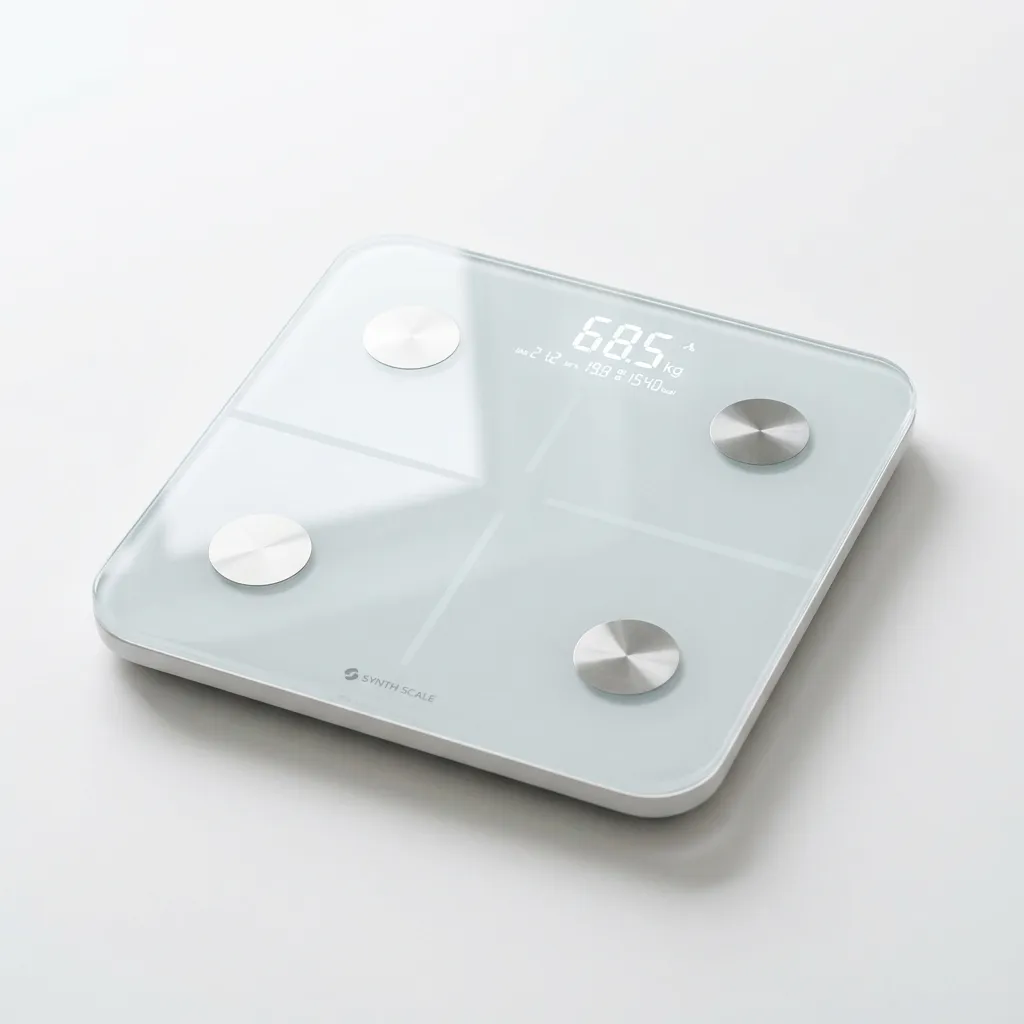
Smart Body Composition Scale
Advanced bioimpedance scale tracking muscle mass, body fat percentage, bone density and hydration.
- Tracks muscle mass & visceral fat
- Wireless sync with health apps
FAQ
Is GI Genius proof that AI is taking over the clinic?
No. It is an example that AI can support concrete detection and workflow, but not replace clinical responsibility and interpretation.
Why are specific AI cases important?
Because they make an otherwise diffuse technology conversation more understandable and more relevant for users, patients and decision makers.
What type of reader would benefit most from understanding this topic?
People with an interest in diagnostics, health technology and concrete examples of how AI is used in the clinic will often get the most out of it.
Sources and References
- [1]
- [2]
- [3]
- [4]
Show all 5 sources (1 more)
- [5]
Editorial History
16. April 2026
First publication
Initial version was published as part of the precision medicine with introduction, takeaways, FAQ, and reference block.
16. April 2026
Medical review
Phrasing, caveats, and internal links were reviewed for clarity, consistency, and YMYL alignment.
4. July 2026
Latest update
GI Genius and AI in the clinic received updated metadata, reference outputs, and improved decision-support structure.

Medical Review
Medical Review and Update Process
This article has been medically reviewed by Vadim Doroshenko with a focus on clinical accuracy, sources, disclaimers, and whether the conclusions still align with current scientific evidence.

Editorial Profile
Borys Viktorovytj Riabtsev
Borys Viktorovytj Riabtsev publishes Longevity Lab as a research-backed information project on precision medicine, metabolic health, and healthy aging, utilizing rigorous sources, independent medical review, and objective YMYL communication.