Key takeaways
- The gut-skin axis is a bidirectional immunological and metabolic communication network linking the intestinal microbiome with dermal physiology.
- Intestinal dysbiosis and LPS endotoxemia accelerate biological skin aging by activating collagen-degrading Matrix Metalloproteinases (MMP-1 and MMP-9).
- Patients diagnosed with rosacea demonstrate up to a tenfold higher prevalence of Small Intestinal Bacterial Overgrowth (SIBO) than healthy controls.
- Targeted oral probiotic supplementation and prebiotic fibers significantly enhance stratum corneum hydration and attenuate inflammatory dermatoses.
- Restoring the mucosal barrier and balancing microbial diversity represent essential prerequisites for sustained skin rejuvenation.
Medical disclaimer: Content is for informational purposes and does not replace medical advice.
What is the Gut-Skin Axis?
For decades, clinical dermatology approached cutaneous disorders—including acne, rosacea, psoriasis, and atopic dermatitis—predominantly as localized pathologies confined to skin structures. Recent clinical research has unraveled a profound biochemical and immunological communication pathway connecting the gastrointestinal tract to the skin: **The Gut-Skin Axis**. PMID 30108160
Both the intestines and the skin are densely vascularized, richly innervated barriers colonized by intricate polymicrobial ecosystems. They share a common embryonic lineage and engage in continuous cross-talk mediated by neuroendocrine signals, microbial metabolites, and immunological cytokines. When microbial equilibrium in the gut is disrupted (dysbiosis), cutaneous homeostasis rapidly deteriorates. PMID 30108160
The gut microbiome functions as the body's primary immunological training academy. Approximately 70% of total immune cells reside within the gut-associated lymphoid tissue (GALT), where they are continuously educated by microbial metabolites. Short-chain fatty acids (SCFAs)—namely acetate, propionate, and butyrate—are absorbed into the bloodstream and circulate to the dermis, where they promote the differentiation of regulatory T cells (Tregs) and suppress aberrant keratinocyte hyperproliferation. PMID 30108160
Conversely, when the mucosal barrier is breached, the signaling shifts from protective to inflammatory. Bacterial structural components, including lipopolysaccharides (LPS), leak into systemic circulation, provoking low-grade systemic inflammation that directly disrupts cutaneous microcirculation, increases follicular sebum viscosity, and accelerates cellular senescence. PMID 30108160
Modern precision dermatology recognizes that topical skincare addresses only the surface manifestation. Internal modulation of the intestinal ecosystem and gut barrier integrity is an indispensable foundation for lasting cutaneous vitality and the prevention of premature biological skin aging. PMID 30108160
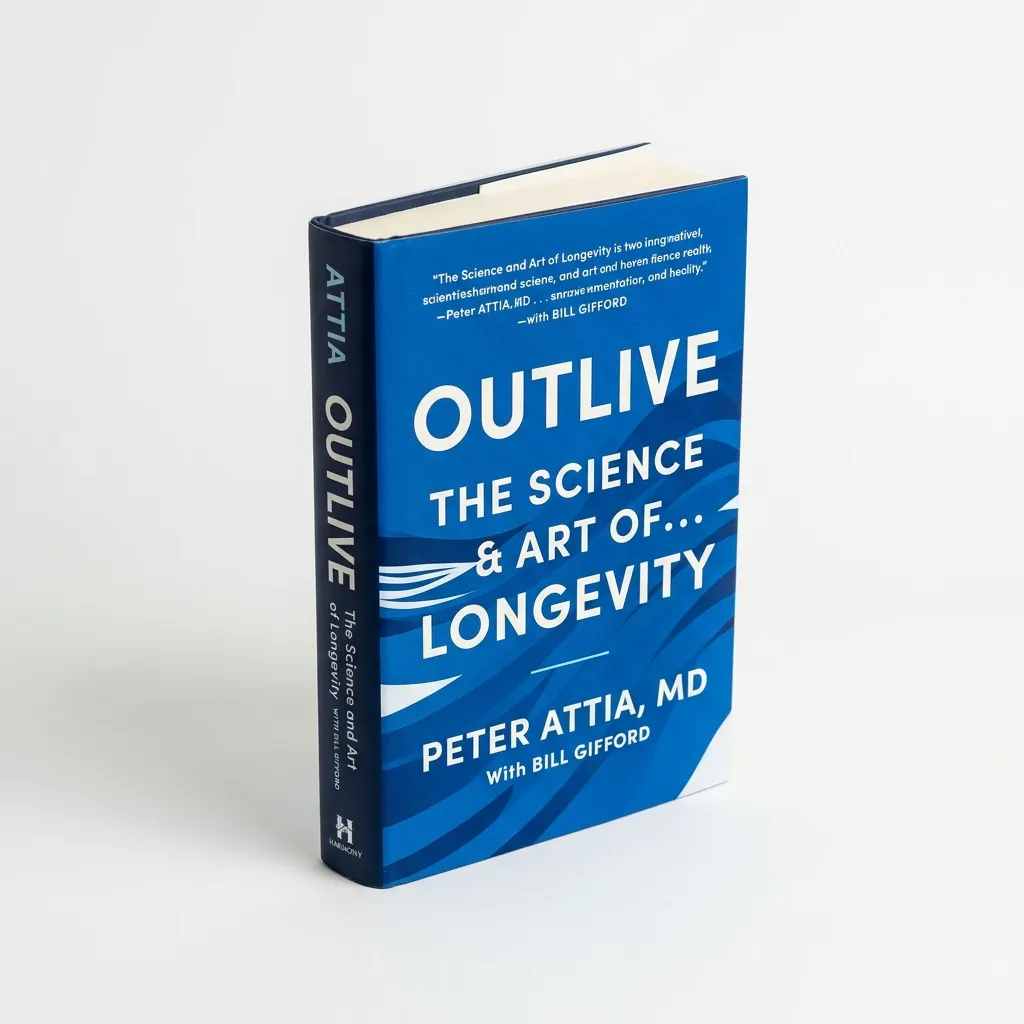
Outlive: The Science & Art of Longevity
Dr. Peter Attia's groundbreaking guide to preventive medicine, exercise for longevity, and healthy aging.
- Scientific framework for Medicine 3.0
- Actionable guide on sleep, exercise & nutrition
Endotoxemia, Collagen Degradation, and Biological Skin Age
When the intestinal flora lacks protective keystone species like *Akkermansia muciniphila* or *Faecalibacterium prausnitzii*, the protective mucin glycocalyx degrades, increasing epithelial permeability. This allows bacterial lipopolysaccharides (LPS endotoxins) to translocate into portal and systemic circulation—a state termed metabolic endotoxemia. PMID 18456568 PMID 26421532
Upon reaching the dermal layer, circulating LPS binds to **Toll-Like Receptor 4 (TLR4)** expressed on dermal fibroblasts, vascular endothelial cells, and resident macrophages. This engagement triggers the transcription factor NF-kappaB, initiating a cascade of pro-inflammatory cytokines, including TNF-alpha, IL-6, and IL-1beta. PMID 18456568 PMID 26421532
This persistent cytokine release dramatically upregulates the synthesis of **Matrix Metalloproteinases (MMP-1, MMP-3, and MMP-9)**. MMP-1 (interstitial collagenase) cleaves native type I and type III collagen fibrils, while MMP-9 degrades the structural elastin network within the dermal extracellular matrix (ECM). PMID 18456568 PMID 26421532
The cumulative consequence is structural collapse of the dermis: skin loses its elastic recoil, deep wrinkles develop, transepidermal water loss (TEWL) rises, and biological skin aging accelerates independently of external UV radiation. PMID 18456568 PMID 26421532
Clinical interventions demonstrate that attenuating endotoxemia through barrier restoration leads to marked reductions in circulating MMP activity and measurable improvements in dermal density and elasticity. PMID 18456568 PMID 26421532
The Link Between SIBO, Rosacea, and Acne
The relationship between discrete gastrointestinal pathologies and chronic dermatological conditions has become firmly established in clinical gastroenterology: PMID 31336499 PMID 32014798
• **Rosacea and SIBO**: Seminal trials conducted by Dr. Parodi and colleagues demonstrated that Small Intestinal Bacterial Overgrowth (SIBO) is present in up to 46% to 60% of rosacea patients, compared with less than 5% of healthy control subjects. Targeted eradication of SIBO using the gut-selective antibiotic rifaximin induced complete or near-complete remission of facial erythema and papules in 71% of patients, with therapeutic benefits persisting at three-year follow-up. PMID 31336499 PMID 32014798
• **Acne Vulgaris and mTORC1 Activation**: High-glycemic Western diets foster intestinal dysbiosis while amplifying systemic insulin and IGF-1 (Insulin-like Growth Factor 1) signaling. This hyperinsulinemic signaling hyperactivates the nutrient sensor mTORC1 in sebaceous glands, triggering excessive lipogenesis, hyperkeratinization of the pilosebaceous unit, and colonization by *Cutibacterium acnes*. PMID 31336499 PMID 32014798
• **Atopic Dermatitis and Eczema**: Patients suffering from atopic dermatitis consistently display reduced microbial diversity alongside depleted levels of *Bifidobacterium* and *Bacteroides*. This dysbiosis skews systemic immunity toward a pro-inflammatory Th2 phenotype, exacerbating cutaneous barrier dysfunction, intense pruritus, and loss of epidermal filaggrin integrity. PMID 31336499 PMID 32014798
Nourishing Skin from the Inside: Probiotics, SCFAs, and Diet
Achieving measurable improvements in skin hydration, elasticity, and inflammatory resilience necessitates an evidence-based approach targeting the gut microbiome: PMID 31336499 PMID 32014798
1. **Clinically Validated Dermatological Probiotics**: Randomized, double-blind, placebo-controlled clinical trials demonstrate that daily administration of *Lactobacillus plantarum HY7714* (10 billion CFU) over 12 weeks yields a statistically significant reduction in transepidermal water loss (TEWL), a 13.2% increase in skin hydration, and noticeable reduction in facial wrinkle depth. PMID 31336499 PMID 32014798
2. **Strain-Specific Immune Attenuation**: *Lacticaseibacillus rhamnosus GG* (LGG) and *Bifidobacterium longum* demonstrate documented efficacy in dampening cutaneous hyper-reactivity and modulating cutaneous neuropeptides (substance P), reducing neurogenic inflammation and reactive facial flushing. PMID 31336499 PMID 32014798
3. **Short-Chain Fatty Acid Promotion**: Ingesting fermentable prebiotic substrates such as inulin, fructooligosaccharides (FOS), and resistant starch elevates systemic butyrate concentrations. Butyrate reinforces tight junctions in the colon while upregulating ceramide synthesis in the skin's stratum corneum. PMID 31336499 PMID 32014798
4. **Synergistic Dermal Nutrients**: Pairing bioactive hydrolyzed collagen peptides (2.5 to 5.0 grams daily to stimulate endogenous dermal procollagen-1 synthesis) with polyphenol extracts (green tea EGCG, pomegranate ellagitannins, and astaxanthin) protects structural collagen from enzymatic and oxidative breakdown. PMID 31336499 PMID 32014798
Clinical Evaluation and Lifestyle Strategies for Gut-Skin Balance
To achieve sustainable resolution of chronic skin conditions through the digestive tract, clinicians recommend a structured diagnostic and therapeutic algorithm: PMID 32014798
1. **Diagnostic Investigation**: For persistent rosacea, adult-onset cystic acne, or refractory eczema, physicians recommend a lactulose hydrogen/methane breath test to rule out SIBO, paired with a comprehensive stool panel assessing calprotectin, zonulin, and microbial diversity. PMID 32014798
2. **Elimination of Mucosal Irritants**: Eliminate ultra-processed foods rich in synthetic emulsifiers (carboxymethylcellulose and polysorbate-80), which mechanically disrupt the protective mucus barrier. Minimize non-essential NSAID usage and reduce alcohol intake, both of which compromise intestinal epithelial integrity. PMID 32014798
3. **Diverse Plant Consumption (30 Plants Weekly)**: Aim for a minimum of 30 distinct plant varieties each week, encompassing vegetables, dark berries, nuts, seeds, and herbs. Diverse botanical fibers supply distinct prebiotic substrates, cultivating a resilient, highly diverse microbial ecosystem. PMID 32014798
4. **Circadian Synchrony**: Both the intestinal microbiota and cutaneous fibroblasts operate under the regulation of peripheral circadian clock genes. Disrupted sleep architecture and erratic meal timing impair nocturnal epithelial cell regeneration and hinder dermal lipid barrier synthesis. PMID 32014798
Internal Further Reading
Read also in the same cluster
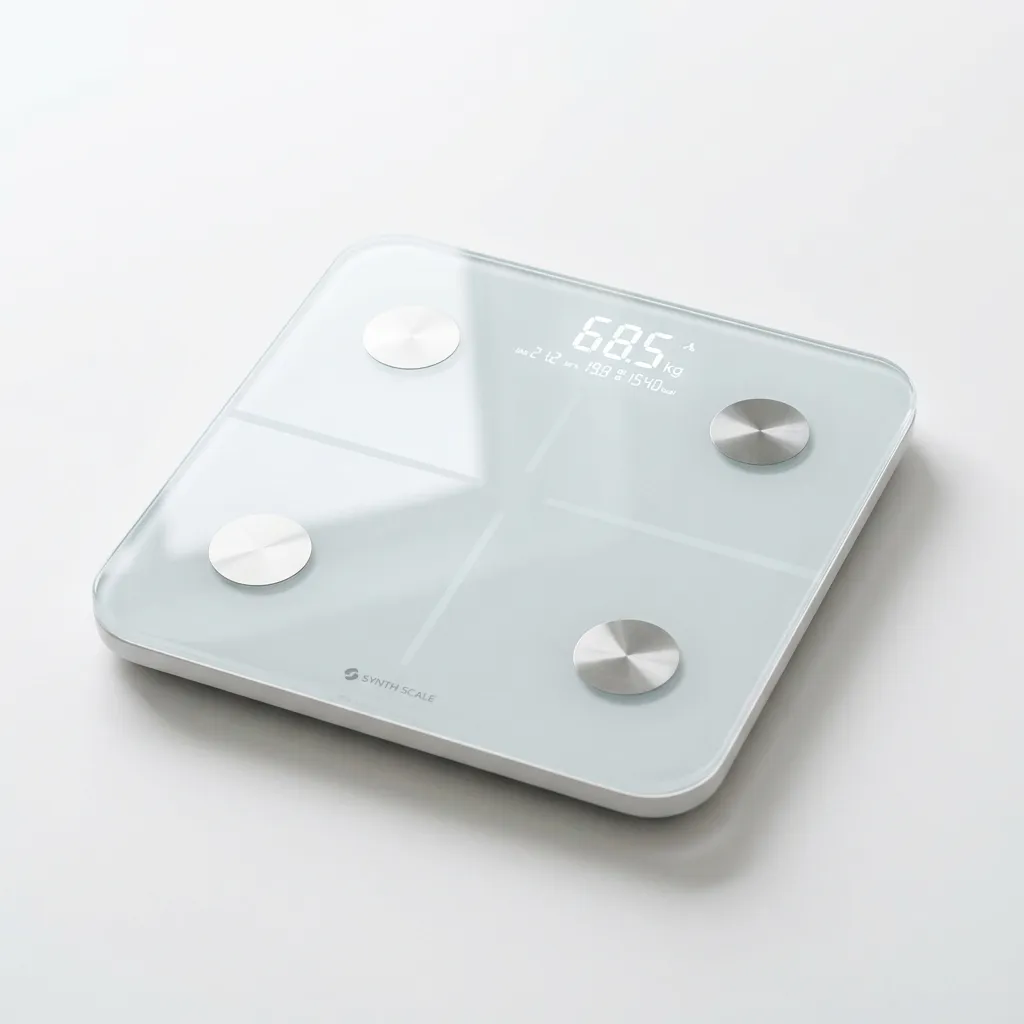
Smart Body Composition Scale
Advanced bioimpedance scale tracking muscle mass, body fat percentage, bone density and hydration.
- Tracks muscle mass & visceral fat
- Wireless sync with health apps
FAQ
Can oral probiotics help reduce wrinkles?
Clinical trials evaluating specific oral probiotics (e.g., L. plantarum HY7714) have demonstrated measurable improvements in skin hydration and facial skin elasticity after 12 weeks.
Why are rosacea and SIBO connected?
Studies indicate that up to 50-80% of rosacea patients have underlying SIBO. When SIBO is successfully treated, many patients experience significant resolution of facial erythema.
Can refined sugar damage skin via the gut?
Yes. High refined sugar consumption promotes gut dysbiosis and accelerates the formation of Advanced Glycation End-products (AGEs), which crosslink and degrade collagen.
Sources and References
- [1]
- [2]
- [3]
- [4]
Show all 5 sources (1 more)
- [5]
Editorial History
21. juli 2026
Første publicering
Første version blev publiceret som del af healthy aging med intro, takeaways, FAQ og referenceblok.
21. juli 2026
Faglig gennemgang
Formuleringer, forbehold og interne links blev gennemgået for klarhed, konsistens og YMYL-tydelighed.
21. juli 2026
Seneste opdatering
The Gut-Skin Axis fik opdaterede metadata, referenceoutput og forbedret beslutningsnær struktur.

Medical Review
Medical Review and Update Process
This article has been medically reviewed by Vadim Doroshenko with a focus on clinical accuracy, sources, disclaimers, and whether the conclusions still align with current scientific evidence.

Editorial Profile
Borys Viktorovytj Riabtsev
Borys Viktorovytj Riabtsev publishes Longevity Lab as a research-backed information project on precision medicine, metabolic health, and healthy aging, utilizing rigorous sources, independent medical review, and objective YMYL communication.